


Your agency’s website is more than just a digital storefront—it’s a powerful tool that can turn visitors into loyal clients. But with 2026 fast approaching, sticking to old design habits won’t cut it anymore.
You need layouts that grab attention, build trust, and guide your visitors smoothly toward taking action. You’ll discover the best agency website layouts that not only look stunning but are proven to convert. Ready to transform your site into a conversion machine?
Keep reading to find out the top trends that will set your agency apart this year.
Conversion-focused layouts form the backbone of successful agency websites in 2026. They guide visitors naturally toward taking specific actions. These layouts combine clear messaging with strategic design. The goal: turn clicks into customers.
Such layouts reduce distractions and highlight calls to action. They use space and content wisely to keep users engaged. Every element on the page serves a purpose. This approach improves user experience and boosts conversion rates.
Strong headlines grab attention immediately. Clear, concise text explains benefits quickly. Buttons with action words invite clicks. Trust signals like testimonials and awards build confidence. Visual cues direct the eye toward important parts. Fast loading speeds keep users from leaving early. Mobile-friendly design ensures accessibility on all devices. These elements work together to increase conversions.
Beautiful design attracts visitors, but must not confuse them. Simple navigation helps users find what they need fast. White space prevents clutter and highlights key areas. Consistent colors and fonts create a professional look. Interactive features engage users without overwhelming them. Usability testing ensures the site works well for everyone. The best layouts look good and function smoothly.
The year 2026 brings fresh ideas to agency website design. Trends focus on user engagement and smooth experiences. These designs aim to boost conversions by making sites more attractive and easy to use. Below are the top design trends shaping agency websites this year.
Organic shapes replace harsh lines with soft, flowing curves. These shapes create a natural, friendly feel on web pages. Gradients add depth and color transitions, making backgrounds lively. Together, they give sites a modern, approachable look. This style helps grab attention and keeps visitors interested longer.
Micro-interactions are small animations triggered by user actions. They provide instant feedback, like button changes or icon movements. Motion adds life to static pages and guides users through content. These effects improve usability and make browsing enjoyable. Proper use of motion can subtly lead users toward desired actions.
Interactive playgrounds let users explore features or customize options in real time. Calculators help visitors estimate costs or results quickly. Both tools engage visitors and provide personalized value. They increase time spent on the site and encourage decision-making. Interactive elements build trust and show the agency’s expertise.
Data-driven storytelling has become a key strategy for agency websites in 2026. It blends real data with engaging narratives to build trust and show proof of success. This approach helps visitors connect with the agency’s work and understand its value clearly.
By using facts and numbers within stories, agencies create a transparent and confident image. Visitors see not just claims, but actual results backed by evidence. This method improves user engagement and boosts conversion rates.
Case studies are powerful tools for data-driven storytelling. They provide clear examples of how an agency solved problems and delivered results. Use simple, step-by-step stories that focus on challenges, solutions, and outcomes.
Include key data points like percentages, timelines, and client feedback. Visual aids such as charts and graphs make the information easy to digest. Keep the language straightforward and avoid technical jargon to maintain clarity.
Well-crafted case studies build credibility and help potential clients see the agency’s real impact. They also encourage visitors to take action by showing proven success.
Personalization tailors the website experience to individual visitors using data insights. It makes the story feel more relevant and engaging. Simple methods include greeting visitors by location or showing industry-specific examples.
Use data such as browsing behavior or past interactions to adjust content dynamically. Personalized calls-to-action increase the chance of conversion by matching visitor needs. Keep the design clean and the changes subtle to avoid overwhelming users.
Personalization creates a connection that feels direct and thoughtful. It guides visitors smoothly through the site toward desired actions.
AI integration is shaping the future of agency websites. Smart features help agencies connect with visitors faster. These tools improve how users explore services and find answers. Agencies that use AI gain a clear edge in converting visitors into clients.
AI tools collect data and adjust the website in real time. This creates a tailored experience for every visitor. AI makes websites more interactive and easier to use. It also helps agencies show their best work clearly and quickly.
Agentic AI features act like smart assistants on agency websites. They guide visitors through services and answer questions instantly. Chatbots powered by AI provide 24/7 support, reducing wait times. AI-driven recommendations suggest the most relevant services to visitors. These features keep users engaged and reduce bounce rates.
AI also automates routine tasks like booking meetings or sending follow-ups. This frees up the agency team to focus on creative work. Personalization powered by AI creates a unique journey for each visitor. It boosts trust and encourages visitors to take action faster.
AI improves website navigation by predicting what users need next. Smart search functions help visitors find content without frustration. AI analyzes user behavior to highlight popular or new services automatically. This keeps the website fresh and relevant without manual updates.
Interactive elements like AI-powered quizzes or calculators engage users deeply. These tools also collect valuable data for agencies to improve services. AI optimizes loading times by managing content delivery smartly. Faster sites mean higher user satisfaction and better conversion rates.
Voice search and AI-driven accessibility features make websites usable for more people. This expands the agency’s reach and builds a positive reputation. Overall, AI creates a seamless, personalized, and efficient experience that turns visitors into clients.
Responsive and mobile-first designs have become essential for agency websites in 2026. These designs ensure websites look great and work well on all screen sizes. Visitors expect fast, easy navigation whether they use a phone, tablet, or desktop.
Mobile-first means designing the site for small screens first, then scaling up. This approach improves user experience and helps boost conversion rates. Responsive layouts adapt fluidly to any device, avoiding broken pages or hard-to-read text.
Design layouts that adjust based on screen size. Use flexible grids and images that scale properly. Hide or show elements depending on the device to keep pages clean and simple. Touch-friendly buttons improve usability on phones and tablets. Test your website on multiple devices to catch layout or function issues early.
Fast-loading pages keep users engaged and lower bounce rates. Compress images without losing quality for quicker load times. Minimize the use of heavy scripts and third-party plugins. Use browser caching and content delivery networks to speed up content delivery. Monitor website speed regularly and fix slow-loading elements to maintain smooth performance.
Credit: www.digidop.com
High-converting agency websites combine clear structure, compelling visuals, and user-friendly features. These sites grab attention and guide visitors toward action. By studying strong examples, agencies can adopt layouts that boost engagement and leads. Below are several inspiring agency website designs that convert well in 2026.
Small agencies benefit from simple, clean layouts that highlight key services. Clear calls-to-action stand out without clutter. Minimalist designs with bold typography help communicate professionalism. Fast loading speed and mobile-friendly formats keep visitors interested. Examples often show focused portfolios and client testimonials upfront. These sites build trust quickly and encourage contact.
Creative agencies use dynamic visuals and unique grids to showcase their work. Interactive elements engage users and invite exploration. Bright colors paired with whitespace create balance and draw the eye. Storytelling through case studies and project highlights adds depth. Easy navigation lets visitors find relevant content fast. These layouts inspire confidence in the agency’s creativity and skills.
Advertising agencies display bold, persuasive content with strong messaging. Large hero images or videos capture attention immediately. Clear value propositions appear near the top of the page. Trust signals like awards and client logos build credibility. Strategic placement of contact forms and chat options improve conversion. The design focuses on guiding visitors to request proposals or consultations.
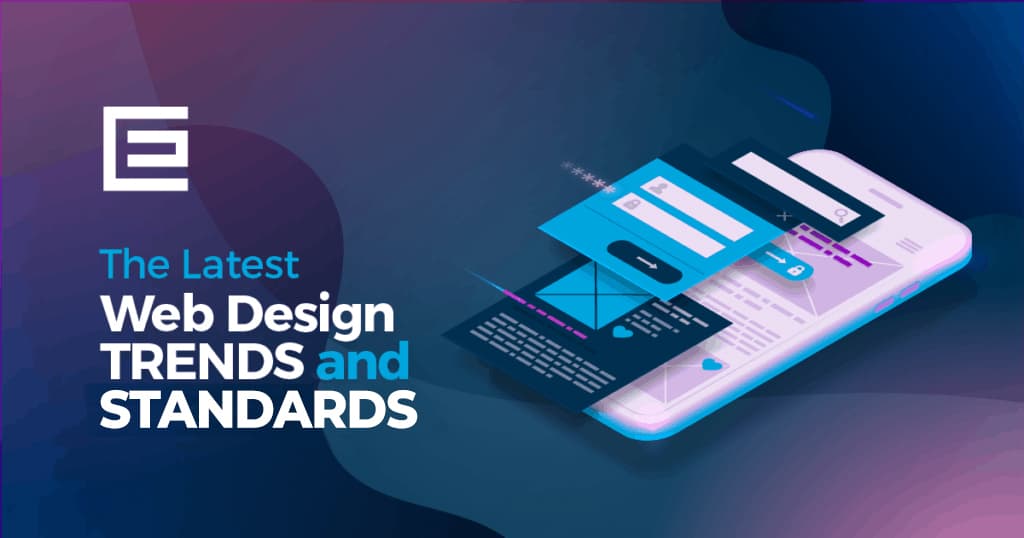
Designing agency websites in 2026 demands sharp focus on user needs and clear communication. Avoiding common layout mistakes can improve conversion rates and user experience. Many agencies still fall into traps that reduce their site’s effectiveness and drive visitors away.
Simple, clean designs work better than cluttered, confusing pages. Visitors want fast access to important information without distractions. Below are some key mistakes to avoid in your 2026 website layouts.
Using old design styles can make your agency look behind the times. Avoid heavy gradients, bevels, and drop shadows. These dated elements slow down your site and distract users.
Stick to minimalistic designs with flat icons and smooth animations. Responsive layouts are a must for all devices. Avoid fixed-width pages that break on mobile screens.
Fonts should be easy to read and modern. Avoid tiny text or overly decorative fonts. Use plenty of white space to keep the layout open and inviting.
Too many features can overwhelm visitors and hurt conversions. Avoid adding every possible widget, slider, or animation. Each element should serve a clear purpose.
Focus on fast loading times by limiting heavy scripts and large images. A slow website frustrates users and reduces trust. Keep navigation simple with clear calls to action.
Forms should be short and easy to complete. Avoid asking for excessive information upfront. Streamline content and remove unnecessary sections to keep users engaged.
Credit: www.theedigital.com
Building an agency website that converts visitors into clients requires the right tools and platforms. These tools simplify design, improve functionality, and boost user engagement. Choosing the best platform sets the foundation for a powerful online presence. The right tools allow easy customization and fast updates. This flexibility helps agencies stay current with design trends and client needs.
Website builders like WordPress, Wix, and Squarespace lead the market. WordPress offers vast flexibility with thousands of themes and plugins. Wix provides a drag-and-drop interface, ideal for beginners. Squarespace focuses on sleek, modern templates that appeal to creative agencies. These platforms support mobile-friendly designs, essential for user experience and SEO. They also include built-in SEO tools that help improve search rankings.
Conversion-focused plugins enhance agency websites by adding key features. Contact form plugins collect leads quickly and efficiently. Tools like OptinMonster create pop-ups to capture visitor attention. Live chat plugins improve customer support and encourage immediate interaction. Analytics add-ons track user behavior to optimize site performance. These plugins integrate easily with popular builders, boosting conversion rates without complex coding.
The best agency website layouts in 2026 focus on interactive design, data-driven case studies, and storytelling. They use organic shapes, micro-interactions, and AI personalization to engage visitors and improve conversions effectively.
Interactive features like calculators, quizzes, and personalized content increase user engagement. They make visitors stay longer, build trust, and guide users smoothly toward conversion goals, enhancing overall website performance.
Storytelling creates emotional connections with visitors. It helps agencies showcase their unique value and success stories, making their brand memorable and convincing potential clients to convert.
AI enables personalized user experiences by analyzing behavior and preferences. It helps deliver tailored content, optimize layouts, and automate interactions, significantly improving user satisfaction and conversion rates.
Choosing the right agency website layout can boost your client engagement. Simple designs with clear calls to action work best. Use interactive features to keep visitors interested. Focus on clean navigation and fast loading times. Ensure your site looks good on all devices.
Keep content easy to read and understand. These 2026 trends help agencies convert visitors into clients. Stay updated and test different layouts for success. Your website is the key to attracting and keeping customers.







Leave A Reply Now