


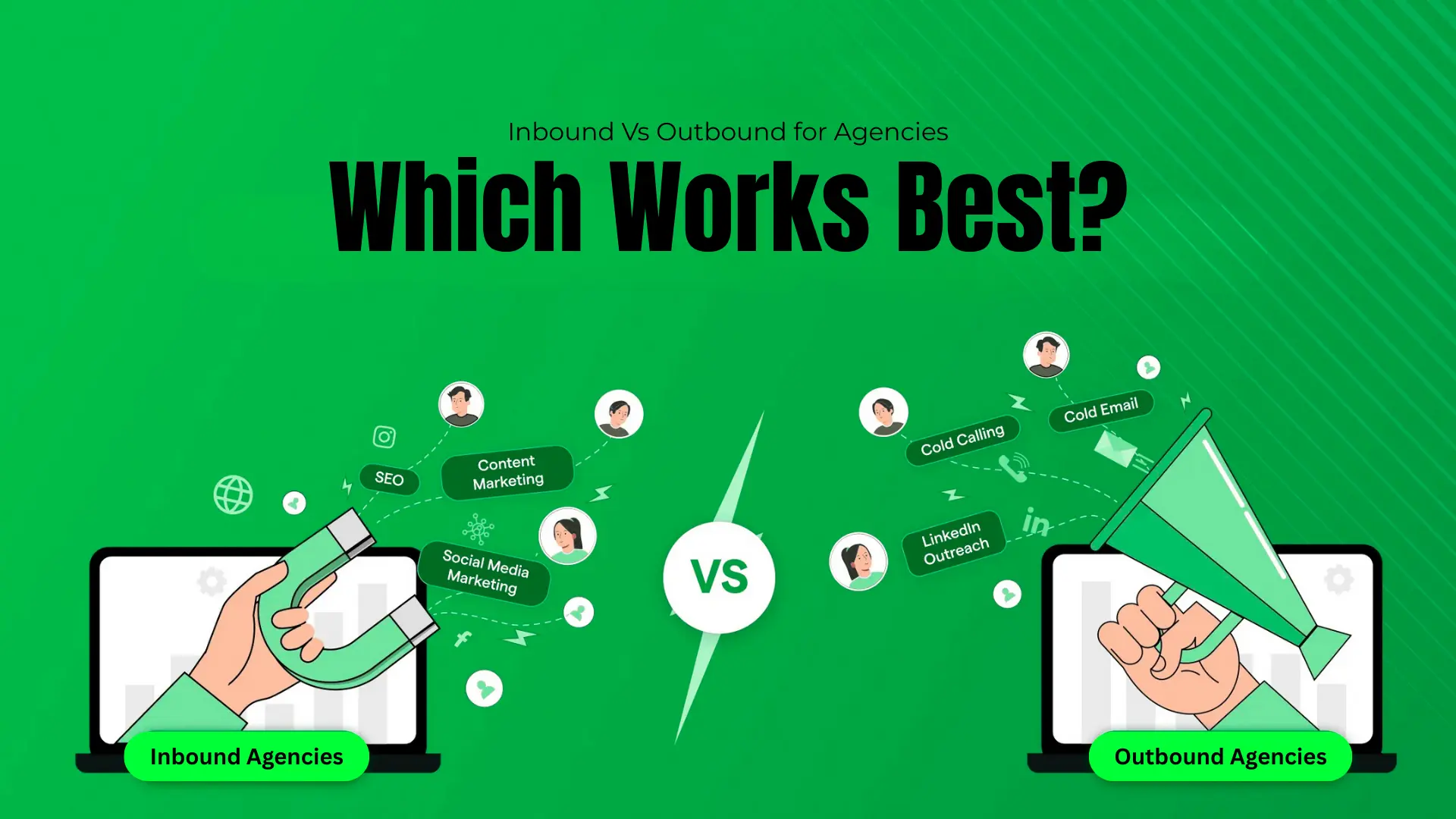
Are you struggling to decide whether inbound or outbound marketing is the best fit for your agency? Choosing the right approach can feel overwhelming, especially when both have clear benefits and challenges.
But what if you could discover which strategy truly drives results tailored to your goals? You’ll learn how inbound and outbound methods differ, why one might work better for your agency, and how to use each to maximize growth and client success.
Keep reading to find out which marketing path aligns perfectly with your agency’s needs—and how to make it work for you.
Inbound marketing focuses on attracting potential clients by providing valuable content. Agencies use this approach to draw people naturally, instead of pushing messages onto them. It builds trust and long-term relationships. This method suits agencies aiming for steady growth and lasting connections.
Inbound marketing starts with understanding the audience’s needs. Creating helpful content is key. Content should solve problems and answer questions. Engagement and interaction are encouraged. The goal is to earn attention, not buy it. Consistency and patience matter for success.
Content marketing is central, including blogs and videos. Search engine optimization (SEO) helps people find content easily. Social media spreads messages and builds communities. Email marketing keeps leads engaged over time. Each channel supports the others for better results.
Inbound marketing lowers costs compared to traditional ads. It attracts higher-quality leads interested in services. Agencies can showcase expertise through helpful content. It creates loyal followers who trust the brand. Long-term growth becomes more predictable and stable.

Credit: dauntlessdonkey.com
Outbound marketing focuses on reaching potential clients directly. It uses proactive methods to promote services. Agencies often use outbound strategies to create immediate interest and generate quick leads.
This approach targets specific audiences through direct communication. It can be highly effective for agencies needing fast results or launching new campaigns.
Cold calling remains a common outbound method. Agencies call potential clients to introduce services. Email blasts also play a key role. They send mass emails to selected contact lists. Direct mail, like flyers or postcards, helps reach local prospects. Paid advertising on TV or radio still attracts broad attention. Trade shows and events allow face-to-face outreach and networking.
LinkedIn is popular for outbound B2B outreach. Agencies use it to find and message leads directly. Facebook ads target specific demographics and interests. Google Ads provide quick visibility through paid search results. Email marketing tools help send bulk campaigns easily. Phone systems support cold calling with call tracking. Direct mail services manage printing and delivery efficiently.
Outbound marketing delivers fast lead generation. Agencies can control the message and timing precisely. It reaches audiences who may not know the agency yet. This method helps test different offers and refine pitches quickly. Outbound can support short-term sales goals effectively. It complements inbound efforts by driving immediate traffic and leads.
Lead quality defines how well a potential client fits your agency’s ideal profile. It impacts your sales success and client satisfaction. Comparing lead quality between inbound and outbound methods helps agencies decide where to focus their efforts. Each method attracts different types of leads with unique behaviors and expectations.
Inbound leads often come from people who found your agency through helpful content. They trust your brand because they chose to engage with it. This trust makes inbound leads more open to communication and offers.
Outbound leads usually receive direct outreach, which can feel less personal. Trust builds slower because the lead did not seek your agency first. Credibility relies heavily on how you present yourself during outreach.
Inbound leads show higher engagement levels. They interact with your website, download resources, or subscribe to newsletters. These actions show genuine interest and readiness to learn more about your services.
Outbound leads need more nurturing to increase engagement. Many may not know your agency well. Effective follow-ups and clear value propositions help turn cold outreach into interested prospects.
Inbound leads tend to convert at higher rates. Their prior research and positive view of your agency make decision-making easier. They often move faster through the sales funnel.
Outbound leads usually have lower conversion rates. The initial contact is unexpected, requiring more time to build rapport. Yet, targeted outbound campaigns can still produce valuable clients.
Cost and return on investment (ROI) play a key role in choosing between inbound and outbound marketing. Agencies must analyze these factors carefully. Each approach has unique expenses and potential returns. Understanding these details helps make smarter decisions. This section breaks down cost and ROI elements of inbound and outbound methods.
Outbound marketing often requires a larger upfront budget. Paid ads, cold calls, and direct mail add to costs quickly. Inbound marketing needs investment in content, SEO, and social media. These expenses spread out over time. Agencies with tight budgets might start with inbound. Outbound can become costly without guaranteed results.
Outbound marketing delivers faster results. Campaigns can bring immediate leads and sales. This suits agencies aiming for quick wins. Inbound marketing builds growth steadily. It creates trust and brand loyalty over months. The ROI may appear slower but lasts longer. Agencies focused on sustainable growth prefer inbound strategies.
Inbound marketing scales well with content and automation. As the audience grows, the cost per lead often decreases. Outbound marketing needs more budget to reach more people. Scaling outbound means more calls or ads, which costs more. Inbound offers better efficiency for agencies planning long-term expansion. Outbound may suit short bursts of high activity.
Client relationships shape the success of any agency. Understanding how inbound and outbound marketing affect these relationships matters. Both strategies influence trust, experience, and retention differently. Agencies must consider these impacts to nurture strong, lasting connections.
Inbound marketing builds trust by offering helpful content and solutions. Clients feel valued and understood through personalized engagement. Outbound marketing often feels pushy, which can harm trust. Consistent, relevant inbound interactions create a foundation for long-term client confidence.
Inbound focuses on providing a smooth, informative journey for clients. It allows clients to explore options at their own pace. Outbound interrupts with direct messages that might annoy some clients. A positive customer experience from inbound methods encourages loyalty and satisfaction.
Inbound marketing supports retention by maintaining ongoing communication and value. Agencies can use blogs, newsletters, and social media to stay connected. Outbound tends to focus on quick wins rather than lasting relationships. Retaining clients requires nurturing, which inbound strategies deliver effectively.
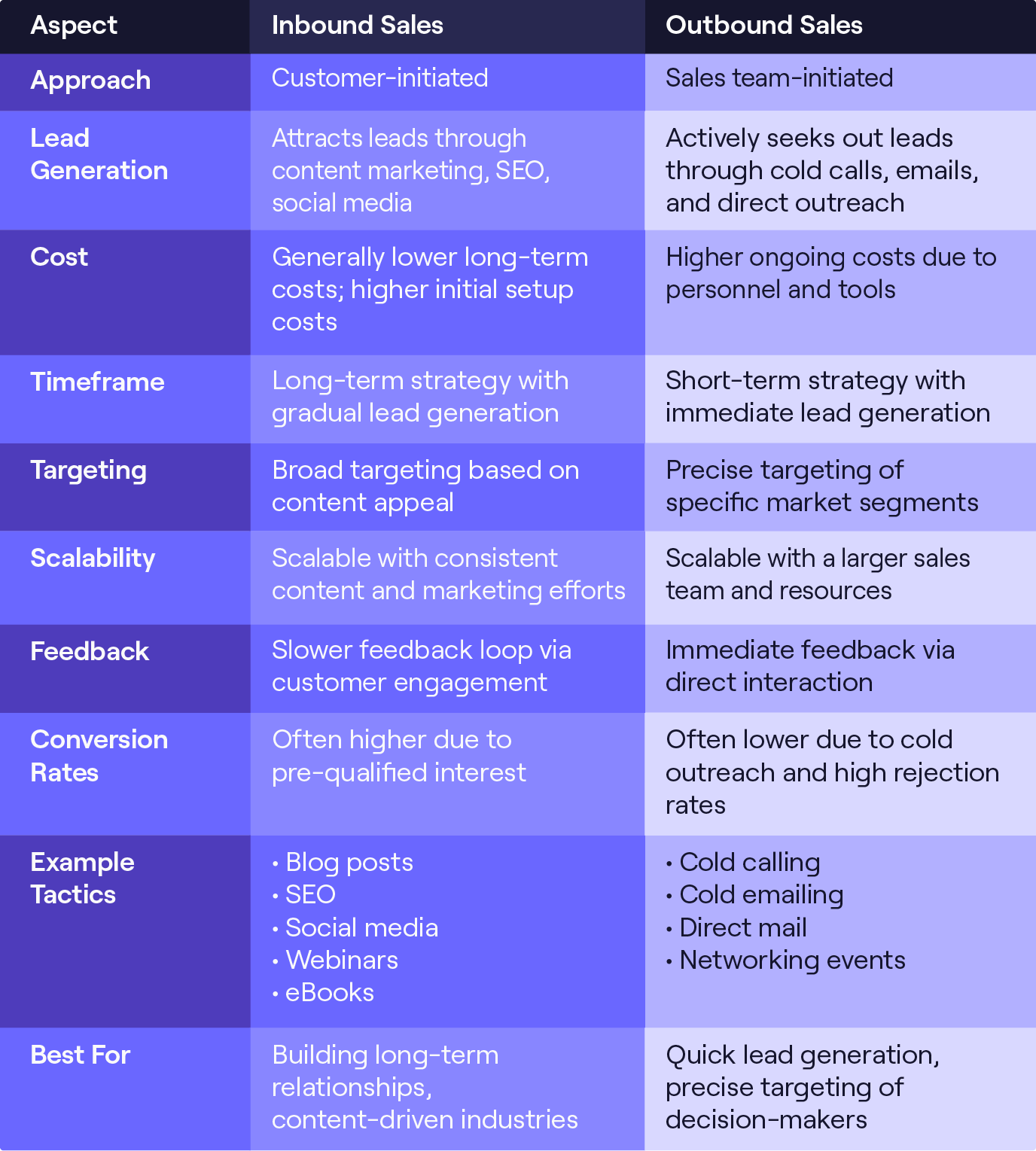
Credit: www.cognism.com
Agency growth depends on smart strategies that attract and keep clients. Agencies must choose methods that fit their goals and resources. Growth strategies often mix inbound and outbound techniques. Each method offers unique benefits and challenges. Understanding these helps agencies plan better and grow steadily.
Inbound marketing focuses on attracting clients by offering valuable content. It builds trust over time through blogs, social media, and SEO. Agencies create helpful resources to answer client questions and solve problems. This approach draws interested clients naturally. It nurtures leads by providing information that matches their needs. Inbound leads often have higher quality and stay longer with the agency.
Outbound marketing targets potential clients directly with emails, calls, and ads. It helps agencies reach new clients fast. This method suits short-term goals and immediate sales. Outbound can create quick opportunities and speed up growth. It needs clear messages and strong calls to action. While effective, outbound may feel intrusive if overused. Careful planning keeps outreach respectful and productive.
Combining inbound and outbound strategies gives agencies flexibility. Inbound builds long-term relationships and brand strength. Outbound drives fast results and fills the sales pipeline. A balanced approach adjusts to market changes and client needs. Agencies can use inbound to nurture leads and outbound to close deals. This mix helps maintain steady growth and adapt to challenges.
Choosing the right marketing approach is vital for agency success. Both inbound and outbound strategies have unique benefits. Understanding which fits best depends on several key factors. This helps agencies deliver the best results for their clients.
Start by identifying the client’s main business goals. Some clients want long-term brand growth and trust. Inbound marketing suits these needs well. Others need quick sales or fast lead generation. Outbound marketing often fits these cases better. Aligning the approach with client goals ensures more effective campaigns.
Different industries respond better to different methods. For example, tech companies benefit from inbound tactics like content marketing. Retail businesses might see faster results with outbound ads and promotions. Understanding industry trends helps agencies pick the right strategy. This increases the chances of campaign success.
Each campaign has specific objectives to achieve. Inbound works well for nurturing leads and building relationships. Outbound excels at reaching new audiences quickly. Agencies should choose based on whether the goal is awareness, lead generation, or sales. Clear objectives guide the choice of inbound or outbound marketing.
Agencies face several challenges when choosing between inbound and outbound marketing. Each approach has unique hurdles that can affect success rates and resource allocation. Understanding these common challenges helps agencies plan better strategies and avoid costly mistakes.
Inbound marketing relies heavily on content quality and timing. Poor content fails to attract the right audience. It takes time to build trust and see results. Agencies often struggle with consistent content creation. SEO changes can reduce inbound traffic unexpectedly. Measuring the true impact of inbound efforts can be difficult. Without clear goals, campaigns may lose direction quickly.
Outbound marketing faces resistance due to its interruptive nature. Cold calls and emails often get ignored or marked as spam. Targeting the wrong audience wastes budget and time. High costs can limit outbound campaign frequency. Tracking the return on investment is sometimes unclear. Agencies may struggle to maintain a positive brand image. Legal restrictions on outreach methods add another layer of complexity.
Agencies must focus on audience research to improve targeting. Clear goals and metrics help measure success accurately. Combining inbound and outbound strategies can balance strengths. Regular content updates keep inbound efforts fresh and relevant. Personalizing outbound messages increases engagement rates. Testing and adjusting campaigns reduce wasted spend. Training teams improves execution and response handling skills.
Measuring success is vital for agencies to understand which marketing method works best. Tracking results helps improve strategies and maximize return on investment. Both inbound and outbound approaches require clear metrics to evaluate effectiveness. Data-driven insights guide agencies to optimize their efforts and reach their goals efficiently.
Inbound marketing focuses on attracting and engaging potential clients. Important metrics include website traffic, time spent on pages, and bounce rate. Conversion rate shows how many visitors become leads. Social shares and comments indicate content engagement. Tracking lead quality and customer acquisition cost also reveals campaign strength.
Outbound marketing targets prospects directly through calls, emails, or ads. Response rate measures how many people react to outreach. Conversion rate tracks how many prospects turn into clients. Cost per lead and cost per acquisition are crucial for budgeting. Monitoring campaign reach and frequency helps avoid audience fatigue.
Using data from key metrics allows agencies to compare inbound and outbound results. Clear numbers show which strategy delivers better leads and sales. Agencies can adjust budgets and tactics based on performance. Regular analysis prevents wasted resources and improves campaign ROI. Data makes decision-making precise and objective.
The future of agency marketing lies in understanding upcoming shifts. Both inbound and outbound methods will evolve with new tools and customer needs. Agencies that adapt quickly will maintain a competitive edge.
Trends show a blend of strategies, powered by technology and changing buyer habits. Staying informed about these trends helps agencies choose the best path forward.
Artificial intelligence improves customer targeting and personalization. Chatbots handle queries instantly, boosting engagement for both inbound and outbound campaigns. Automation tools streamline repetitive tasks, freeing up time for creative work. Data analytics provide deep insights, helping agencies refine strategies. Technology makes campaigns more efficient and measurable than before.
Customers now expect quick responses and relevant content. They prefer brands that communicate clearly and honestly. Mobile usage continues to rise, changing how people discover and buy services. Audiences are becoming more selective, ignoring generic outbound ads. Trust builds through helpful inbound content and genuine interaction.
Agencies blend inbound and outbound tactics to maximize results. Hybrid models use outbound to create awareness and inbound to nurture leads. Combining these approaches creates a seamless customer journey. It balances quick wins with long-term relationships. Flexibility in strategy allows agencies to meet diverse client goals effectively.
Inbound marketing builds trust and nurtures long-term relationships. Outbound marketing drives quicker results and immediate sales. Choose based on your goals.
Inbound marketing builds long-term trust and sustainable growth. Outbound marketing delivers quicker results for short-term goals. Effectiveness depends on your business objectives and timeline.
The rule of 7 in B2B states prospects need to see a message at least seven times before taking action. It builds trust and familiarity.
Outbound sales often feels harder due to cold outreach and rejection. Inbound attracts warm leads, making it easier to build trust and close deals.
Choosing between inbound and outbound depends on your agency’s goals. Inbound marketing builds trust and long-term relationships. Outbound marketing can bring faster results and immediate leads. Both methods have strengths and weaknesses. Successful agencies often use a mix of both strategies.
Test what works best for your clients and adjust accordingly. Stay focused on clear communication and consistent effort. This way, your agency can grow steadily and serve clients well.







Leave A Reply Now