


Are you struggling to attract more students to your educational programs without spending a fortune on ads? Imagine tapping into a steady stream of potential students who find you naturally—without you chasing them down.
That’s the power of SEO, a smart way to boost your visibility online and bring in more organic student enrollments. You’ll discover simple yet effective SEO strategies tailored to your institution’s needs. By the end, you’ll know exactly how to make search engines work for you, helping your school grow with students who are already searching for what you offer.
Ready to unlock your school’s full potential? Let’s dive in.

Credit: www.salesforce.com
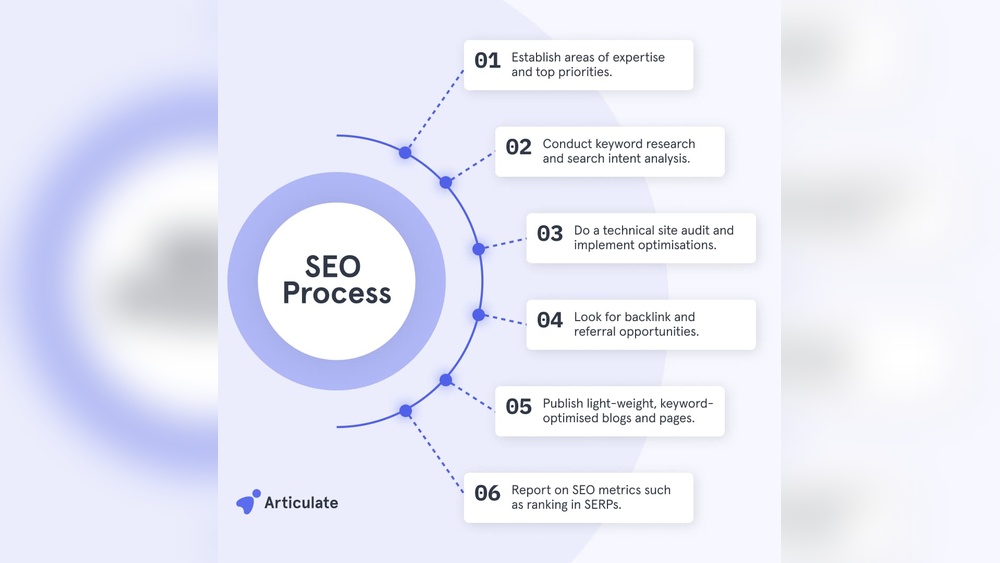
SEO pillars form the base for growing organic student enrollment. Each pillar supports different aspects of search engine optimization. Together, they help your website rank higher and attract more students without paid ads.
Understanding these pillars helps you build a strong SEO strategy. The four key areas include technical SEO, on-page SEO, content creation, and off-page SEO. Each area plays a vital role in improving your site’s visibility and credibility.
Technical SEO ensures search engines can easily find and understand your site. It improves site speed and makes your website mobile-friendly. Structured data like schema helps search engines read your pages better. Fixing crawl errors and using sitemaps improves indexing. A well-built site structure helps users and search engines navigate smoothly.
On-page SEO focuses on optimizing each page for specific keywords. Use relevant keywords naturally in titles, headers, and content. Write clear meta descriptions that invite clicks. Optimize images with alt text and keep URLs simple. Organize content logically to match what students search for. This boosts your chance to rank higher for targeted terms.
Create content that answers students’ questions and solves their problems. Use simple language and short sentences for easy reading. Update content regularly to keep it fresh and relevant. Include keywords naturally without stuffing. Add helpful resources like guides, FAQs, or videos. Valuable content builds trust and encourages visitors to stay longer.
Off-page SEO builds your site’s authority and trust. Earn backlinks from reputable education sites or local organizations. Get mentions on social media and community pages. Keep your name, address, and phone consistent across listings. Positive reviews and local citations improve your reputation. These signals show search engines your site is credible and relevant.
Keyword strategies are the heart of SEO for attracting more organic students. Choosing the right keywords helps your website appear in search results that match what potential students type. Clear keyword choices connect your content with student needs. This connection increases your chances of being found online.
Understanding different types of keywords and using the right tools can improve your SEO results. Focused keywords guide your content and boost your site’s visibility. This section explains key keyword strategies to grow your student base organically.
Traditional keywords are broad and often highly competitive. For example, “math classes” is a traditional keyword. These words attract high search volumes but can be hard to rank for. Long-tail keywords are longer and more specific phrases. An example is “online math classes for beginners.”
Long-tail keywords have less competition and attract more qualified visitors. They match specific questions or needs of students. Using a mix of both types helps cover general and detailed search queries.
Students often search by asking questions. Keywords like “how to improve math skills” or “best courses for learning English” target these queries. Including question-based keywords in your content helps answer student concerns directly. This strategy increases chances of ranking for voice search and featured snippets.
Write content that provides clear answers. This approach improves engagement and keeps students on your site longer.
Several tools help find effective keywords for educational websites. Google Keyword Planner offers search volume and competition data. Ubersuggest suggests related keywords and questions students ask. Ahrefs and SEMrush provide deep insights into keyword difficulty and trends.
Use these tools to discover keywords that fit your courses and student interests. Regularly update your keyword list to stay relevant. A well-chosen keyword set drives steady organic traffic and student inquiries.
Optimizing your website structure is essential to attract more organic students. A well-organized site helps search engines understand your content. It also improves user experience, keeping visitors engaged longer. Clear structure boosts your chances to rank higher in search results.
Fast-loading pages keep visitors from leaving quickly. Search engines prefer sites that load within seconds. Compress images and reduce unnecessary scripts to speed up your site. Use reliable hosting and consider a content delivery network (CDN). Regularly test your site speed with free tools.
Many students use phones to search for courses. A responsive design adjusts layout to fit all screen sizes. Buttons and text should be easy to read and tap. Google ranks mobile-friendly sites better in search results. Test your site on different devices to ensure smooth navigation.
Structured data helps search engines understand your page content. It uses special code to highlight key information like courses and reviews. This can improve your listing with rich snippets in search results. Add schema markup to important pages to increase visibility. Use tools to check if your structured data works correctly.
Crawl errors stop search engines from indexing your site properly. These include broken links and missing pages. Use tools like Google Search Console to find errors quickly. Fix broken links and redirect outdated URLs to active pages. Regular maintenance keeps your site healthy and easy to find.
Creating engaging content is key to attracting more organic students through SEO. Good content keeps visitors interested and helps search engines understand your site. Focus on content that answers student needs and highlights your institution’s strengths.
Clear, helpful content improves rankings and builds trust. It makes students more likely to explore your site and apply. Use simple language and strong visuals to connect with your audience.
Understand what students want when they search online. Are they looking for course details, campus tours, or application tips? Create content that matches these needs. Answer common questions clearly and quickly.
Use keywords that reflect real student searches. This helps your content appear in relevant search results. Focus on solving problems or offering useful information to guide students.
Share stories about daily campus activities and student experiences. Use photos, videos, and testimonials to bring life to your content. This shows the real atmosphere students can expect.
Highlight clubs, events, and support services. This helps potential students feel connected and excited. Authentic content builds trust and encourages engagement.
Publish blog posts consistently to keep your site active. Regular updates signal to search engines that your site is alive. Write about campus news, academic tips, and student success stories.
Consistent blogging keeps students coming back for new information. It also increases your chances of ranking for different keywords. Plan a schedule that fits your resources and stick to it.
Choose topics that matter to current and future students. Cover trends in education, new courses, and career advice. Stay updated with changes in your field and student interests.
Fresh content attracts repeat visitors and improves SEO rankings. Avoid outdated or irrelevant subjects. Always focus on what adds value and keeps your content timely.
Building authority and trust is essential to attract more organic students through SEO. Search engines favor websites seen as credible and reliable sources. Your site must prove its value to both users and algorithms. Trust grows from consistent quality and recognition by others. Authority signals increase your site’s visibility and ranking. Focus on strategies that show your expertise and build confidence among your audience.
Backlinks act as votes of confidence from other websites. Links from reputable sources boost your authority. Create valuable content that others want to share. Reach out to education blogs, local organizations, and industry sites. Guest posting and collaborations can help you gain strong backlinks. Avoid low-quality or spammy links, as they harm trust.
Brand mentions improve your online reputation. Even without direct links, mentions signal relevance to search engines. Encourage satisfied students and partners to talk about your school. Participate in forums, interviews, and social discussions. Keep your brand name consistent and clear. These mentions build awareness and trust among potential students.
Social signals influence your SEO indirectly. Shares, likes, and comments show your content resonates with people. Maintain active profiles on platforms your audience uses. Share helpful tips, success stories, and updates regularly. Engage with followers to build a loyal community. Social activity increases visibility and can lead to more backlinks.
Local SEO helps attract students from your area. Ensure your school’s name, address, and phone number are accurate everywhere online. Consistent citations in local directories boost trust and rankings. Claim and optimize your Google My Business listing. Encourage local reviews and respond promptly. Local signals help you stand out in search results nearby.

Credit: www.amazon.com
Tracking and improving SEO is essential for attracting more organic students. It helps you understand what works and what needs change. Consistent tracking ensures your efforts bring steady growth. Improving SEO is a continuous process of learning and adapting.
Start by examining your website traffic data. Look at the number of visitors, page views, and bounce rate. Identify which pages attract the most students. Notice how long visitors stay on your site. These metrics show which content is effective and which needs work.
Use SEO tools to gather detailed insights. Tools like Google Analytics and Google Search Console are free and powerful. They provide information on keywords, user behavior, and site health. Paid tools like Ahrefs or SEMrush offer deeper analysis. These tools help spot opportunities and fix issues fast.
Use the data to make informed decisions. Improve pages with high bounce rates by adding better content. Optimize keywords that bring less traffic. Update old posts to keep them relevant. Small changes based on data can greatly boost organic student visits.
SEO rules change often. Search engines update their algorithms regularly. Follow trusted SEO blogs and news sites. Keep learning about new strategies and tools. Staying current helps you keep your site visible and competitive. Adapting to trends keeps your student traffic growing.
Local SEO helps Austin institutions attract students nearby. It improves visibility in local search results. This is vital for schools and colleges aiming to grow their community. Using local SEO ensures your institution appears when Austin families search for education options. It connects your services with the right audience in your city.
Start by creating a Google Business Profile for your institution. Include accurate name, address, and phone number. Add photos and update your hours regularly. Make sure your website has a clear location mention on every page. Use local schema markup to help search engines understand your address. Fast loading and mobile-friendly pages improve local rankings. Local searches often come from mobile devices, so mobile usability matters.
Ask students and parents to leave honest reviews online. Positive reviews boost trust and improve rankings on Google Maps. Respond politely to all reviews, even negative ones. Show that you value feedback and care about student experiences. Place review reminders in emails or on your website. More local reviews make your institution stand out in Austin searches. Reviews also give insights into what students appreciate most.
Use keywords that include “Austin” or nearby neighborhoods. Think of phrases like “Austin tutoring centers” or “best schools in Austin.” Include these keywords naturally in your page titles, headings, and content. Focus on terms local families use when searching for education. Avoid keyword stuffing; keep language simple and clear. Use tools to find popular Austin-related search terms. This attracts more organic traffic from people in your area.
SEO can attract more organic students to your site. Avoiding common SEO mistakes helps keep your rankings high. These errors can reduce visibility and lower your site’s trust with search engines. Fixing them improves your chances of getting noticed by potential students.
Most students use phones to search online. A website not designed for mobile users loses many visitors. Search engines also prefer mobile-friendly sites in rankings. Make sure your site looks good and works well on all devices. Fast loading and easy navigation are key for mobile optimization.
Using too many keywords in content hurts readability. It looks unnatural and may cause search engines to penalize your site. Focus on using keywords naturally in your text. Write for students first, then optimize for search engines. Quality matters more than quantity in keyword use.
Good content answers questions and solves problems. Thin or copied content fails to engage visitors. Search engines favor original, useful, and well-written pages. Invest time in creating clear and helpful content about your courses. This builds trust and encourages students to enroll.
Technical SEO is the backbone of your website’s performance. Ignoring issues like slow speed, broken links, or missing sitemaps harms rankings. Search engines need to crawl and understand your site easily. Regularly check and fix technical problems to keep your SEO strong and stable.

Credit: www.amazon.com
Yes, SEO increases organic traffic by improving website visibility and ranking on search engines. Optimized content attracts more relevant visitors.
The 80/20 rule for SEO means 80% of results come from 20% of efforts. Focus on high-impact keywords and quality content.
The 3 C’s of SEO are Content, Code, and Credibility. Content attracts users, Code ensures site functionality, and Credibility builds trust. Together, they improve search rankings and organic traffic.
The four pillars of SEO are Technical SEO, On-Page SEO, Content, and Off-Page SEO. They ensure site structure, keyword optimization, valuable content, and external authority. Together, they improve search rankings and attract organic traffic effectively.
Using SEO effectively can bring steady, organic student growth. Focus on clear keywords and quality content. Keep your website fast and easy to use. Build trust with good backlinks and local listings. Regular updates help keep your site relevant. Small, consistent efforts lead to lasting results.
Start applying these simple steps today. Watch your student numbers grow naturally over time.







Leave A Reply Now