


You want to serve your clients better, but how do you truly understand what’s holding them back? Identifying client pain points and hidden problems is the key to unlocking stronger relationships and delivering solutions that really matter.
When you discover these underlying issues, you don’t just fix surface-level complaints—you solve the real challenges that cause frustration and slow progress. You’ll learn simple yet powerful ways to uncover those pain points, even the ones your clients might not openly share.
Keep reading, and you’ll gain the insight to connect deeper, offer smarter solutions, and grow your business with confidence.
.jpg)
Credit: www.zendesk.com
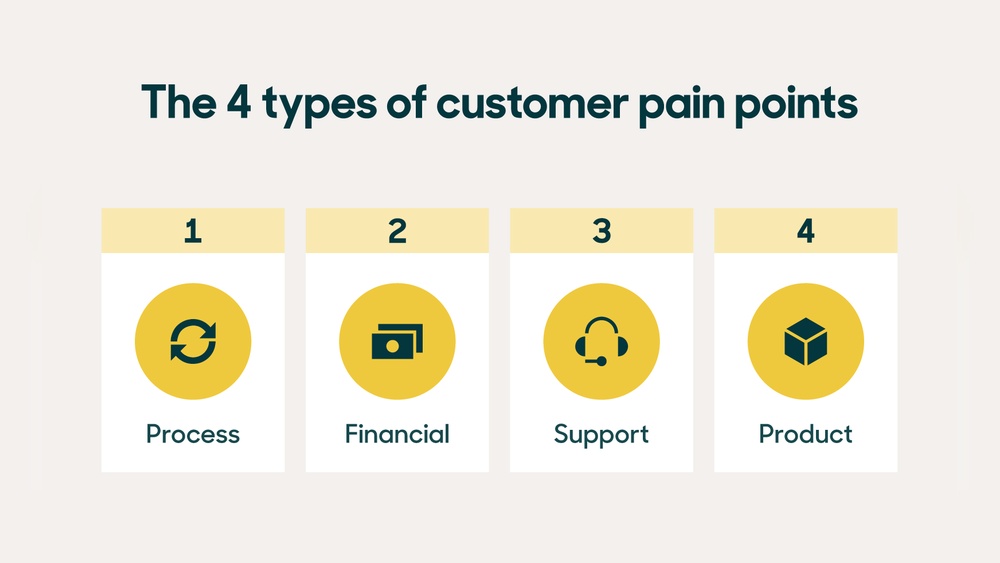
Understanding the different types of client pain points helps businesses offer better solutions. These pain points show where clients struggle most. Identifying them allows for focused improvements and stronger client relationships. Pain points usually fall into four main categories: financial, productivity, process, and support. Each type highlights a unique challenge clients face.
Financial pain points occur when clients feel costs are too high. They may struggle with budgeting or see poor return on investment. High expenses or unclear pricing can cause frustration. Recognizing these helps tailor offers that save money or add value.
Productivity pain points arise when clients lose time or effort. Inefficient tools or slow workflows reduce output. Clients want faster, easier ways to complete tasks. Addressing these pain points improves efficiency and satisfaction.
Process pain points happen when clients face confusing or complex procedures. Complicated steps or unclear instructions create obstacles. Streamlining processes removes barriers and makes work smoother. This leads to better client experiences.
Support pain points show up when clients need help but get poor service. Slow responses or unhelpful answers cause irritation. Good support builds trust and loyalty. Identifying these issues improves client care and retention.

Credit: coda.io
Gathering client feedback is vital to spot their pain points and hidden problems. Feedback reveals what clients struggle with and what they expect. It helps businesses improve products and services effectively.
Various sources provide valuable insights. These sources let you hear clients’ voices directly or indirectly. Understanding these can guide your strategies to meet client needs better.
Surveys and reviews offer direct feedback from clients. Surveys can be structured to ask about specific issues. Reviews often contain honest opinions and experiences. Both help identify common problems clients face. Regularly collecting and analyzing them uncovers trends and hidden concerns.
Talking with clients in real-time provides rich information. Phone calls, meetings, and live chats reveal emotions and frustrations. Listening carefully during these interactions helps spot pain points quickly. This method also builds trust and shows clients their opinions matter.
Clients often share their thoughts on social media platforms. Monitoring these channels shows what clients like or dislike. Comments and posts may highlight problems not mentioned elsewhere. Social media also helps track public perception of your brand. Using tools to track keywords and mentions can reveal hidden pain points.
Analyzing customer data reveals what clients truly struggle with. It helps uncover pain points that are not obvious. Data shows patterns and behaviors that suggest hidden problems. This process allows businesses to address real needs effectively.
Sales and support teams interact with customers daily. They hear complaints, questions, and frustrations firsthand. These teams provide valuable information about common issues. Collect feedback from them regularly to spot recurring pain points. Their insights often highlight problems missed by other methods.
Behavioral data tracks how customers use products or services. It includes clicks, time spent, and drop-off points. Analyze this data to find where customers struggle most. Look for patterns like frequent errors or abandoned processes. These clues help identify hidden problems affecting user experience.
Customer journey mapping visualizes every step a customer takes. It shows interactions from first contact to purchase and beyond. Mapping reveals friction points that cause frustration or confusion. Identify stages where customers hesitate or leave. Improving these areas can resolve pain points and enhance satisfaction.
Researching market gaps helps uncover hidden client pain points and problems. It reveals areas where customer needs are not fully met. This insight guides product improvements and new solutions. Understanding market gaps leads to better client satisfaction and business growth.
Study competitors’ products closely. Note their features and limitations. Look for customer complaints and reviews. Identify what users like and dislike. This shows where competitors fail to satisfy clients. Use this knowledge to find opportunities for improvement.
Focus on what customers want but cannot find. Listen to customer feedback and forums. Ask questions to discover frustrations and desires. Pinpoint needs that remain unaddressed by current products. These unmet needs highlight potential market gaps to explore.
Examine current solutions and how they solve problems. Assess their effectiveness and ease of use. Detect any missing features or complex processes. Determine if solutions cause new issues or frustrations. This evaluation helps identify areas for creating better options.
Recognizing hidden problems requires a careful look beyond obvious complaints. These issues often lie beneath the surface and affect clients deeply. Identifying them helps create better solutions that truly meet client needs.
Clients may not always state their true feelings. Frustration, anxiety, or disappointment often hide behind simple complaints. These emotions can block clear communication and slow decision-making. Understanding this emotional layer reveals the real pain points. Addressing feelings improves trust and strengthens client relationships.
Hidden problems often appear in how clients use a product or service. Confusing steps, slow responses, or lack of clarity cause frustration. Clients might struggle silently rather than ask for help. Watching how they interact uncovers these obstacles. Improving usability leads to smoother experiences and happier clients.
Small changes in behavior can signal hidden problems. Delayed responses, fewer purchases, or repeated questions may show dissatisfaction. Clients may avoid certain features or hesitate to give feedback. Paying close attention to these signs helps identify issues early. Acting on subtle clues prevents bigger problems later.

Credit: www.givainc.com
Understanding client pain points is key to improving your products and services. You must uncover what troubles your clients deeply. This section shares effective techniques to reveal these hidden problems clearly. These methods help you connect with clients and build trust. Use these techniques to find real issues your clients face.
In-depth interviews let you explore client thoughts one-on-one. Ask open-ended questions to encourage detailed answers. Listen carefully to uncover feelings and frustrations. This method reveals specific issues clients may not share in groups. It builds a personal connection, making clients comfortable to speak freely. Note down key points and emotions for better understanding.
Focus groups gather several clients to discuss their experiences. Group interaction sparks honest opinions and new ideas. Watch how participants react to each other’s comments. This method shows common pain points shared by many clients. It also uncovers different viewpoints on the same problem. Use a skilled moderator to guide the discussion smoothly.
AI tools analyze large data from customer feedback and behavior. They find patterns that humans might miss. Use sentiment analysis to detect emotions in client messages. Analytics reveal trends in complaints or requests over time. These tools save time and provide objective insights. Combine AI findings with human judgment for best results.
Prioritizing pain points helps focus on the most critical issues clients face. It guides your efforts toward problems that matter most. Not every pain point needs immediate action. Understanding which ones impact clients deeply can improve satisfaction and loyalty.
Start by measuring how much each pain point affects your clients’ daily work. Identify which problems cause the most frustration or delays. Problems that stop clients from reaching goals should get higher priority. The greater the impact, the more urgent the solution.
Check how often clients face each pain point. Frequent issues disrupt workflows and lower efficiency. Also, consider how severe each problem is when it occurs. A rare but severe problem might need quick fixing. Balance frequency and severity to decide what to fix first.
Match client pain points with your company’s goals. Focus on solving issues that support growth and client retention. Fixing pain points aligned with your strategy drives better results. This approach keeps your efforts relevant and effective.
Addressing client pain points is essential for building strong relationships. It helps businesses deliver what clients truly need. Understanding these pain points allows for more effective problem-solving.
Clients feel valued when their issues are addressed directly. This leads to higher satisfaction and loyalty. Businesses that focus on pain points can improve their services continuously.
Offer solutions that fit each client’s unique problems. Avoid one-size-fits-all answers. Customizing your approach shows clients you listen and care.
Analyze their specific challenges and design products or services accordingly. This increases the chance of success and client happiness.
Clear communication helps uncover hidden problems. Ask simple questions and listen carefully. Avoid jargon or complex terms that confuse clients.
Regular check-ins ensure you stay updated on client needs. This keeps the relationship transparent and builds trust over time.
Track client satisfaction through surveys and feedback forms. Use this data to spot new pain points early. Act quickly to resolve any issues.
Continuous feedback creates a cycle of improvement. It helps businesses stay aligned with client expectations and improve service quality.
Identify client pain points by gathering customer feedback, analyzing data, and monitoring social media for complaints or frustrations. Engage sales and support teams to uncover hidden issues. Conduct thorough research to find gaps between customer needs and current solutions.
The four types of customer pain points are financial, productivity, process, and support. These affect costs, efficiency, workflows, and service quality.
Identify a prospect’s pain points by researching their challenges, gathering feedback, analyzing data, and engaging in direct conversations. Listen actively to uncover unmet needs and frustrations. This approach helps tailor solutions that truly address their specific problems.
Challenges are obstacles or problems needing solutions. Pain points are the emotional frustrations caused by these challenges. Both affect customer experience and business success.
Understanding client pain points helps build stronger relationships and trust. Listen carefully to feedback and watch for hidden problems. Use simple questions to uncover real needs and frustrations. Regular communication keeps you aware of changing challenges. Addressing pain points improves satisfaction and loyalty.
Keep learning from each interaction to serve clients better. Solving problems early saves time and boosts success. Focus on clear, honest conversations for the best results.







Leave A Reply Now