


You know that a well-crafted service proposal can be the key to winning your next client. But how do you create one that stands out and clearly shows the value you bring?
Writing the perfect custom service proposal doesn’t have to be complicated or overwhelming. In this guide, you’ll discover simple, step-by-step advice to help you write a proposal that grabs attention, builds trust, and drives results. Plus, you’ll get a ready-to-use template to make the process even easier.
Ready to impress your clients and close more deals? Let’s dive in.
Understanding the basics of a service proposal is essential before writing one. A well-structured proposal helps you communicate your ideas clearly. It also shows your professionalism and builds trust with potential clients.
This section covers the key points every service proposal must have. It explains the purpose and the important elements to include. Follow these tips to create a proposal that stands out and wins projects.
A service proposal explains what you offer and why it matters. It helps clients see how you solve their problems. It also outlines your plan and the benefits they will get. This document guides clients to make informed decisions.
A clear purpose makes your proposal focused and easy to understand. It shows your commitment and readiness to deliver quality service. A strong proposal sets the foundation for a good working relationship.
Start with a title page that shows your company name and contact details. Add an executive summary to highlight the main points briefly. Include a problem statement that describes the client’s needs.
Next, present your proposed solution with detailed steps. Define the project scope and list the deliverables clearly. Add a timeline to show when tasks will be completed. Include a budget section with costs and payment terms.
Finish with a call to action that encourages the client to respond. Supporting documents like case studies or testimonials add credibility. Each element should be clear and easy to read.
Credit: www.template.net
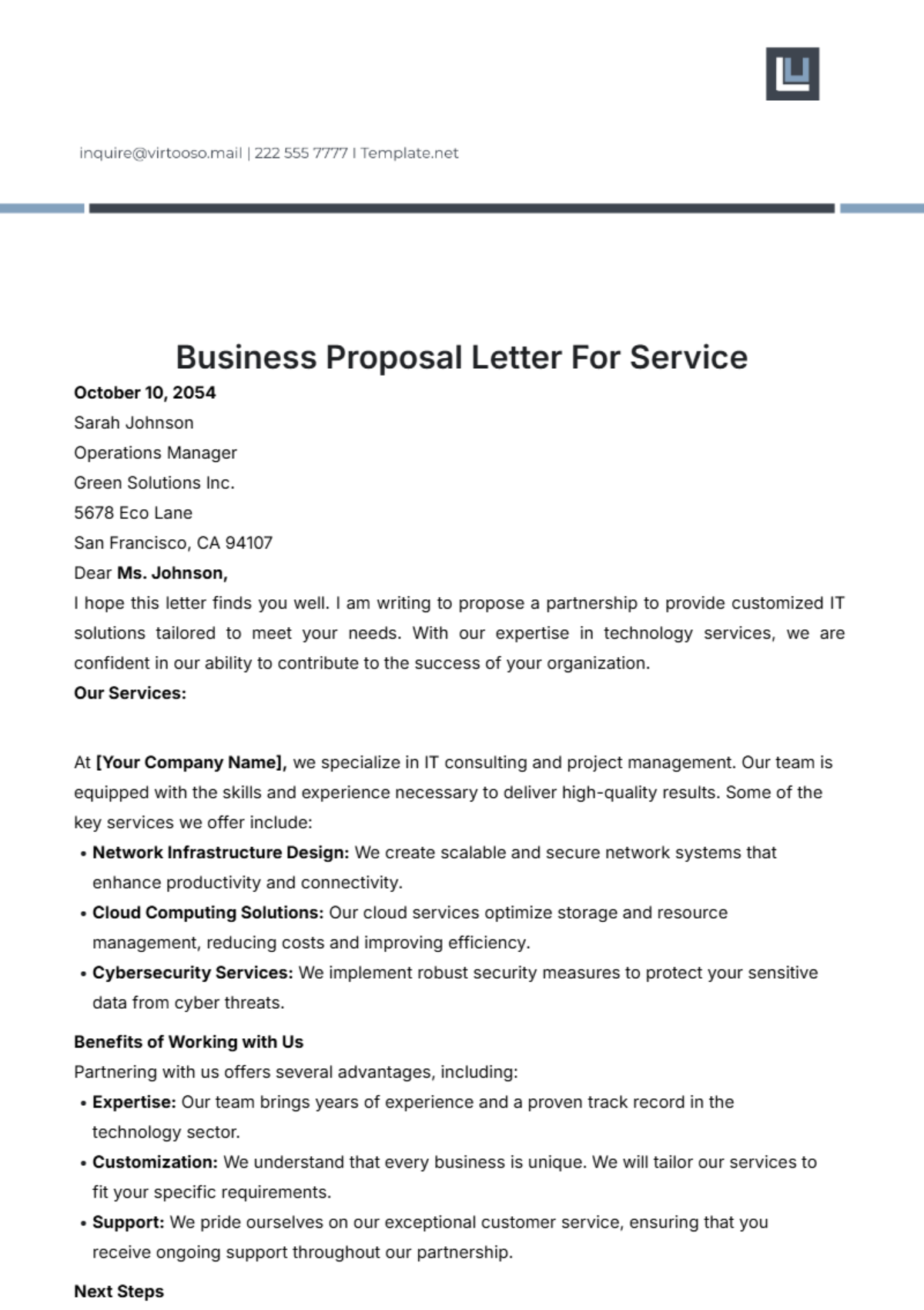
The cover page sets the first impression of your service proposal. It invites the reader to explore your offer. A clear, neat cover page shows professionalism and attention to detail.
Keep the design simple and focused. Include only essential information that identifies the project and your company. This helps the client quickly understand what the proposal is about.
Start with a strong project title that clearly describes the work. Use concise words to make it easy to understand. Avoid jargon or complex terms.
Below the title, add key details like the project date and reference number. These details help keep the proposal organized and easy to track.
Make sure the project title stands out by using a larger font or bold style. This draws the reader’s eye immediately.
Include your full company name and logo if available. This strengthens your brand identity on the proposal.
List your contact details clearly. Add your phone number, email, and business address. This makes it easy for clients to reach you.
Use a simple format with each contact detail on its own line. Avoid clutter to maintain a clean look.
The executive summary is the first section your client will read. It sets the tone for the entire proposal. Writing a clear and concise executive summary helps grab attention quickly. It provides a snapshot of the problem and your solution. A well-crafted summary encourages the client to read further. Keep it brief but informative to make a strong impression.
Start by stating the main problem clearly and simply. Avoid jargon or complex terms. Explain why this problem matters to the client. Then, introduce your solution in a straightforward way. Show how your service directly addresses the issue. Keep the focus on benefits rather than technical details. This helps the client see the value right away.
Describe the results your client can expect from your service. Use clear, measurable outcomes where possible. For example, mention time saved or costs reduced. Highlighting benefits builds trust and confidence. Show how your solution will improve the client’s situation. Keep this section optimistic but realistic. This helps the client visualize success with your proposal.
Defining the problem is the first step in crafting a clear and effective service proposal. This section sets the stage for your entire proposal. It shows that you understand the client’s needs deeply. A well-defined problem guides your solution and builds trust.
Start by gathering information about the client’s current situation. Listen carefully to their concerns and pain points. Highlight the main challenges they face. Use simple language to describe these issues clearly. Show empathy and understanding of their difficulties. This creates a connection and shows you care.
Next, define clear and achievable goals for the project. These goals should address the challenges you identified. Make goals specific and measurable. Explain how these goals will improve the client’s situation. Setting goals helps both you and the client stay focused. It also makes success easy to track and prove.
Proposing your solution is a vital part of any custom service proposal. It shows the client how you plan to solve their problem. This section must be clear and convincing. It should explain your methods and the steps you will take. Clients want to see a practical plan that fits their needs. Present your ideas simply and directly. Use language that anyone can understand.
Describe the overall method you will use to address the client’s issue. Share your approach in simple terms. Explain why this method works best. Show how it matches the client’s goals and challenges. Mention any tools or techniques you will use. This builds confidence in your expertise. Keep the explanation brief but detailed enough to inform.
List the exact steps you will take to deliver your solution. Break down the process into clear, manageable actions. Include timelines or phases if possible. Highlight key strategies that will ensure success. This helps the client understand what to expect. Use short sentences to describe each task. Make your plan feel achievable and well-organized.
Outlining the project scope is a key part of writing a clear service proposal. It sets clear expectations for both you and your client. This section explains what work will be done and what will not. It helps prevent misunderstandings and scope creep during the project.
Be specific and concise. Use simple language so your client easily understands what you offer. A well-defined project scope builds trust and shows professionalism.
Defining boundaries means stating what your service covers and what it does not. Be clear about the limits of your work. This helps avoid extra requests outside the agreed work.
Describe the tasks you will perform and those you will not. Mention any conditions or factors that affect your service. Boundaries keep the project focused and manageable.
Listing deliverables means naming the specific items or results you will provide. These can be reports, designs, products, or other outputs. Make a clear list with brief descriptions.
Each deliverable should be measurable and tangible. This shows your client exactly what to expect. Deliverables are proof of progress and success in your project.
Creating the timeline is a key part of your custom service proposal. It shows the client when each part of the project will be done. A clear timeline builds trust and keeps everyone on the same page. It also helps avoid confusion and delays.
Break the project into smaller parts called milestones. Each milestone marks a major step or goal. Assign a deadline to each milestone to set clear targets.
Milestones help track progress and keep the project moving forward. Deadlines create a sense of urgency and focus for both you and the client. Be realistic with dates to avoid stress or missed goals.
Use the timeline to set clear expectations with your client. Explain how long each task will take and what the client can expect at each stage. This reduces surprises and builds confidence.
Be honest about possible delays or challenges. Let the client know how you will handle changes or issues. Good communication on timing keeps the project smooth and professional.
Credit: zapier.com
Detailing the budget in your custom service proposal builds trust. It shows clients exactly how their money will be used. Clear budgets reduce confusion and help avoid disputes later. Presenting budget information in an organized way makes your proposal look professional. Clients appreciate transparency and honesty about costs.
Break down the total cost into clear parts. List each service or product with its price. Include labor, materials, and any extra fees. This helps clients see where their money goes. Use simple terms and avoid jargon. A detailed list makes your proposal easier to understand.
Explain why each cost is necessary. Describe the value the client will get from each expense. Show how your services solve their problems or meet needs. Justifications help clients feel confident about spending. They also show you have thought carefully about pricing. Keep explanations short and focused on benefits.
Introducing the team in your custom service proposal builds trust. It shows clients who will handle their project. This section highlights the people behind your services and their strengths. Clear, concise details about your team can make your proposal stand out.
List each team member’s key qualifications briefly. Include degrees, certifications, and special skills. Focus on those relevant to the project. Use simple language to explain what makes them capable. This shows your team is ready and well-prepared.
Share past work experience related to the client’s needs. Mention specific projects or roles that prove your expertise. Keep descriptions short and clear. Highlight achievements that demonstrate success. This builds confidence in your team’s ability to deliver.
Adding social proof to your custom service proposal builds trust instantly. It shows real results from past clients. Prospective clients feel more confident working with you. Social proof acts as evidence that your service delivers value and meets expectations.
Include clear examples and feedback in your proposal. This strengthens your credibility and helps clients visualize success. Use different types of social proof to appeal to various client needs. Two effective ways to add social proof are case studies and testimonials.
Case studies tell a story of your past projects. They explain the client’s problem and how you solved it. Share specific results with numbers to prove your impact. Keep the language simple and focused on benefits.
Use before-and-after scenarios to highlight improvements. Show your process and how you adapted to challenges. This gives clients a clear understanding of what you can do for them. Case studies make your proposal more persuasive and trustworthy.
Testimonials are short, positive statements from happy clients. They provide quick proof of your good work. Add names and roles to increase authenticity. Choose testimonials that relate directly to the service you offer.
Place testimonials near relevant sections of your proposal. This reinforces your claims and builds confidence. Keep quotes brief and easy to read. Sharing genuine feedback helps clients feel secure in choosing your service.
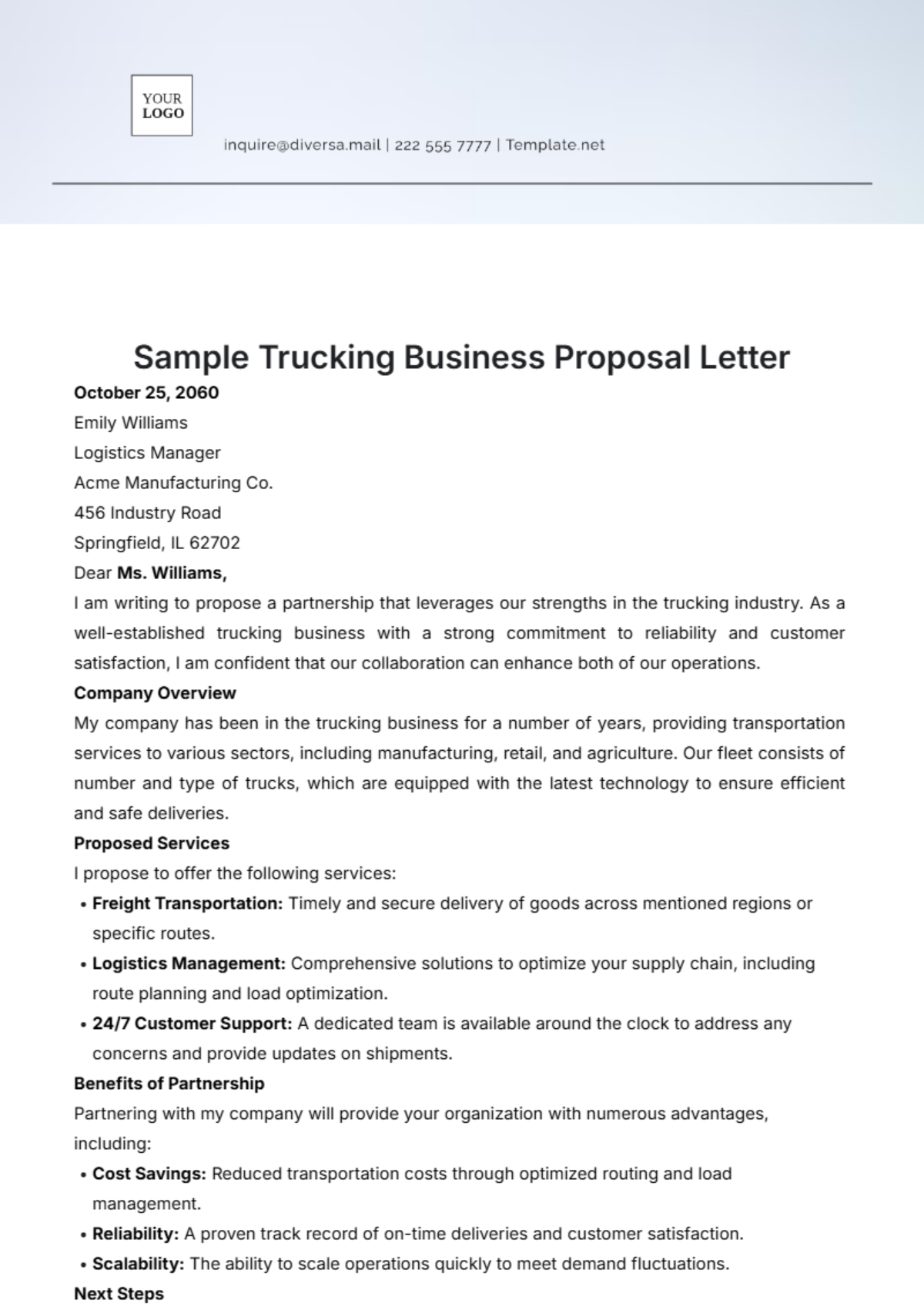
Design and formatting play a key role in making your custom service proposal clear and professional. A well-formatted proposal grabs attention and helps clients find information fast. Simple design choices improve readability and keep readers engaged. Use these tips to enhance your proposal’s look and feel.
Headings break the text into sections. They guide readers through your proposal. Use short, descriptive headings that match each section’s content. Make headings bold and slightly larger than the body text. This helps clients scan the proposal quickly. Numbering headings adds structure and shows the flow of ideas.
Visuals like charts, graphs, and icons make your proposal more attractive. They show key data and ideas without long explanations. Use visuals to highlight benefits, timelines, or budget details. Keep images simple and relevant to avoid distraction. White space around visuals improves clarity and focus.
Consistent design builds trust and professionalism. Use the same font style and size throughout your proposal. Align text and images neatly on the page. Use uniform colors that match your brand or project theme. Consistent spacing between paragraphs and sections creates a clean look. Check your proposal for any style mismatches before sending.
Credit: www.template.net
After drafting your custom service proposal, focus on the final touches. These last steps refine your document, making it professional and clear. Small details can create a strong impression on your client. Ensure your proposal is error-free and ends with a clear next step. This effort shows your commitment and attention to quality.
Check your proposal carefully for spelling and grammar mistakes. Read each sentence slowly to catch errors. Use simple words and short sentences for easy understanding. Verify all facts, numbers, and names are correct. A clean, error-free proposal builds trust and shows professionalism. Ask someone else to review it if possible.
End your proposal with a clear call to action. Tell the client what to do next, such as contacting you or approving the proposal. Use direct language like “Please contact me to discuss” or “Sign and return this proposal.” A strong call to action guides the client and moves the process forward.
Include a signature line for both you and the client. This section confirms agreement and makes the proposal official. Provide space for names, dates, and signatures. Adding this element shows professionalism and readiness to start the project. It also protects both parties by clarifying terms.
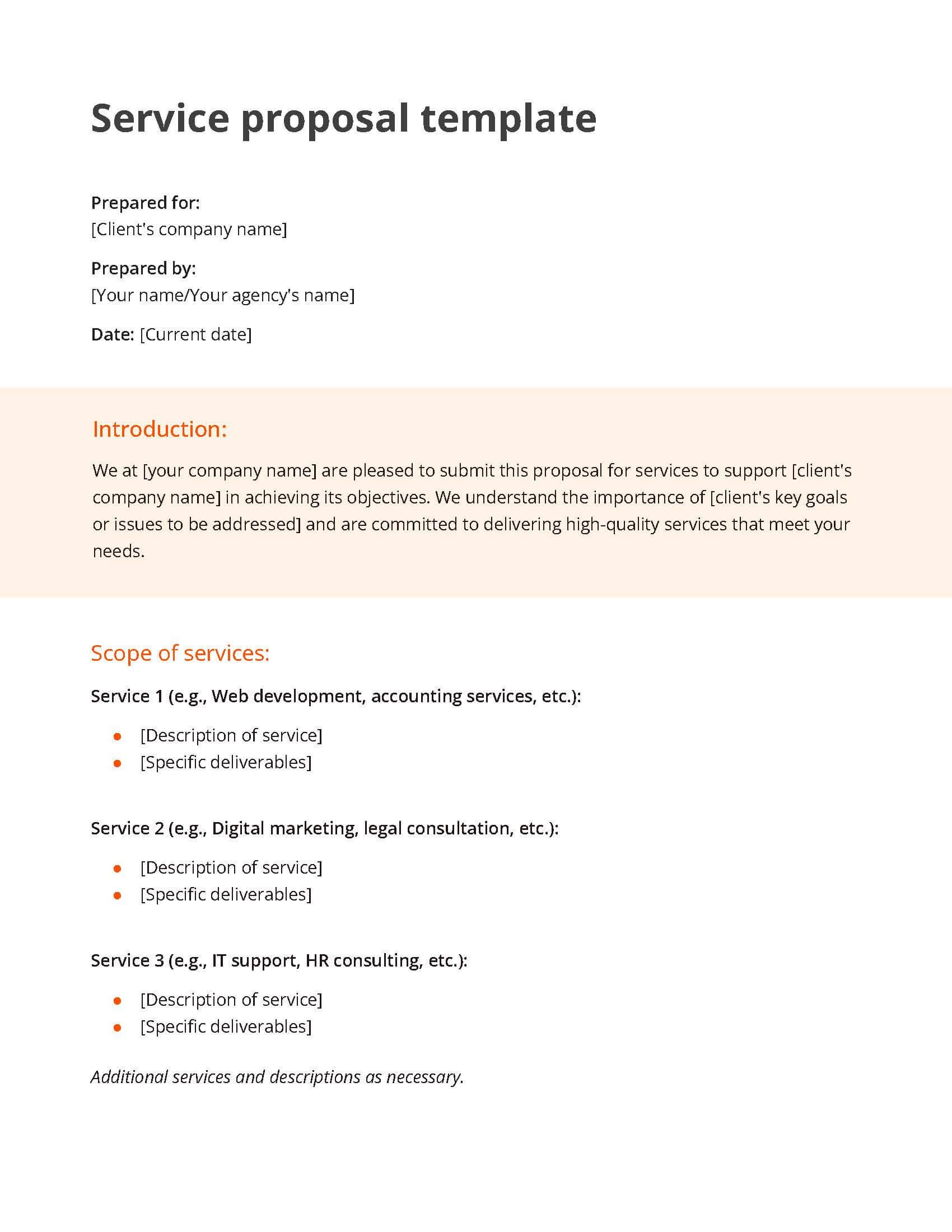
Using a custom service proposal template can save time and improve clarity. It provides a clear structure to present your offer professionally. The template guides you through each section, ensuring no important detail is missed. Templates also help maintain consistency across proposals, making your business look reliable and organized. Adapting the template to fit each client’s needs is essential for success.
Start by replacing the placeholder text with your client’s information. Adjust the project details to match the client’s specific needs. Use clear and simple language to explain your services. Add your company logo and contact details for branding. Review the timeline and budget sections carefully. Make sure these reflect the actual scope of work. Personalize the introduction to show you understand the client’s problem. Keep the tone professional but friendly. Tailor the deliverables to what you can realistically provide. Double-check for any sections that may need extra details or adjustments.
Avoid using generic phrases that do not relate to the client. Do not forget to update all placeholder information. Skipping proofreading can lead to spelling and grammar errors. Avoid making the proposal too long or too vague. Do not promise services or results you cannot deliver. Avoid cluttering the proposal with unnecessary jargon or complex words. Do not leave out important sections like pricing or project timeline. Avoid ignoring the client’s unique needs and concerns. Skipping the review of the proposal layout can make it hard to read. Make sure your proposal looks clean and professional before sending.
Write a service proposal by starting with a cover page and executive summary. Detail the problem, your solution, project scope, timeline, budget, and team. Include case studies, a clear call to action, and appendices. Use concise, clear, and compelling language to engage the client.
The three C’s of proposal writing are Compliant, Clear, and Compelling. These ensure your proposal meets requirements, communicates effectively, and persuades the reader. Concise writing supports all three, helping you create focused and powerful proposals that win attention and approval.
A proper proposal format includes a cover page, executive summary, problem statement, proposed solution, project scope, timeline, budget, team qualifications, case studies, conclusion, call to action, and appendices. Use clear headings and bullet points for easy readability.
1. Start with a clear cover page and executive summary. 2. Define the problem or opportunity. 3. Describe your proposed solution and approach. 4. Outline project scope, deliverables, timeline, and budget. 5. Include team qualifications, case studies, and a call to action.
Writing a custom service proposal takes clear, simple steps. Use the template to organize your ideas well. Focus on the client’s needs and offer clear solutions. Keep your language easy to understand and stay concise. A well-written proposal builds trust and shows professionalism.
Take your time to review and polish each section. This approach helps you create proposals clients will appreciate. Follow these tips to improve your chances of success.







Leave A Reply Now