



If you want your custom service business to thrive, building long-term contracts with clients is key. These agreements create stability, boost your income, and deepen trust with those you serve.
But how do you turn one-time customers into loyal partners who keep coming back? The secret lies in understanding your clients’ unique needs, communicating clearly, and consistently delivering more than expected. You’ll discover simple, proven strategies to secure lasting contracts that benefit both you and your clients.
Keep reading to learn how to transform your client relationships and grow your business with confidence.
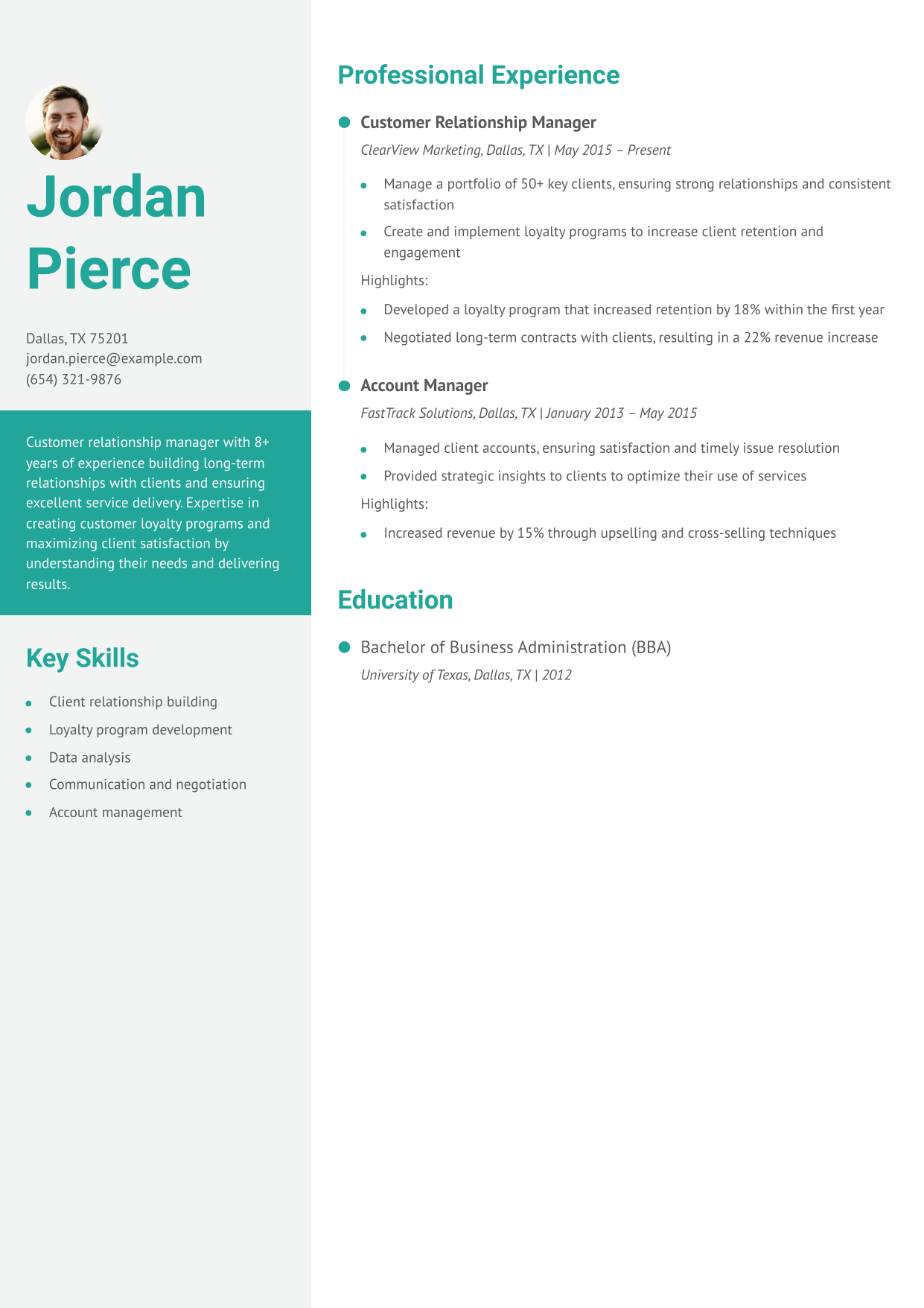
Credit: www.resumebuilder.com
Tailoring services to client needs ensures stronger, lasting partnerships. Customizing your approach shows clients you value their unique goals. This focus builds trust and encourages long-term contracts. Understanding client preferences and adapting to changes keeps your service relevant and reliable.
Start by asking detailed questions about client goals. Listen carefully to their answers and note key points. Understand their preferred communication style and response times. Identify which services matter most to them. Use this information to create personalized service plans. Clients appreciate when you remember small but important details.
Client needs can change over time. Stay flexible and check in regularly to review their goals. Update service plans to match new priorities or challenges. Show willingness to adjust your approach quickly. This responsiveness strengthens client confidence in your partnership. Being proactive prevents problems and keeps contracts active longer.

Credit: paletteskills.org
Maintaining open communication is key to building long-term contracts with custom service clients. Clear, honest, and frequent communication helps build trust. It also prevents misunderstandings and keeps projects on track. Clients feel valued when you keep them informed and listen to their needs.
Good communication creates a strong foundation for lasting business relationships. It shows professionalism and commitment to client satisfaction. By staying connected, you can address issues quickly and adjust services to meet client expectations.
Reach clients through different communication methods. Emails, phone calls, and video meetings work well. Some clients prefer instant messaging or project management tools. Using various channels makes it easier to share updates and gather feedback. This flexibility helps clients stay engaged and informed.
Always be clear about your processes and timelines. Share progress reports and any challenges openly. Consistent updates prevent surprises and build confidence. Transparency shows clients you respect their investment. It also encourages honest discussions to solve problems quickly.
Building trust and empathy forms the foundation of long-term contracts with custom service clients. Trust grows when clients feel heard and valued. Empathy shows clients you understand their needs and challenges. Together, these qualities create strong, lasting partnerships.
Active listening means fully focusing on the client’s words and feelings. Avoid interrupting or planning your response while they speak. Show that you understand by summarizing their points. Ask questions to clarify their needs. This builds confidence and shows you care.
Address problems as soon as they arise. Prompt action reduces client frustration and shows reliability. Keep clients informed about the steps you take to fix issues. Apologize sincerely when mistakes happen. Quick resolutions strengthen trust and keep clients loyal.
Delivering exceptional value is essential for building long-term contracts with custom service clients. It sets the foundation for trust and loyalty. Clients stay when they see clear benefits beyond just the service. Your goal is to make every interaction meaningful and beneficial.
Focus on providing more than what clients expect. Show them you understand their needs deeply. Value goes beyond price or speed. It’s about consistent quality and thoughtful service.
Always aim to go beyond the agreed service level. Deliver early or add small extras that matter. Surprise clients with solutions they did not anticipate. This shows commitment and care for their success.
Meeting deadlines is good. Finishing tasks ahead of time is better. Offering advice or extra help without extra charge builds goodwill. Clients remember those who make their lives easier.
Provide clients with helpful information related to their business. Share trends, tips, or data that can improve their outcomes. This makes you a valuable resource, not just a service provider.
Regular updates and thoughtful suggestions show you stay informed. It proves you are invested in their growth. Clients trust experts who keep them informed and prepared.
Rewarding client loyalty builds trust and keeps clients coming back. Loyal clients feel valued and appreciated. This strengthens your relationship and encourages longer contracts. Simple rewards show you notice their continued business. Small gestures create a big impact over time.
Create a loyalty program that rewards repeat clients. Offer points or credits for every service they use. Clients can redeem points for discounts or free services. This motivates them to stay with you longer. Make the program easy to join and understand. Track rewards automatically to avoid confusion. Loyalty programs also help you gather useful client data. Use this data to personalize future offers and services.
Give loyal clients special benefits not available to others. Offer early access to new services or priority support. Invite them to exclusive events or webinars. Provide customized solutions tailored to their needs. These perks make clients feel special and valued. Exclusive benefits increase client satisfaction and loyalty. They encourage clients to sign longer contracts and refer others.
Technology tools help keep custom service clients happy and loyal. They make communication smooth and organize client information clearly. Using the right tools saves time and reduces errors. This leads to stronger, long-lasting contracts with clients.
CRM systems store all client details in one place. They track conversations, requests, and preferences easily. This helps deliver personalized service every time. CRM tools remind you of important dates and follow-ups. They improve response speed and service quality. A good CRM keeps clients feeling valued and understood.
Tracking customer history shows past orders and feedback clearly. It helps identify patterns and client needs. Use this data to adjust offers and services. Clients appreciate when you remember their preferences. Tracking history reduces repeated questions and errors. It builds trust and strengthens the client relationship.
Being proactive and accessible forms the backbone of strong, lasting contracts with custom service clients. It shows clients that you prioritize their needs and value their time. This approach builds trust and encourages ongoing collaboration.
Clients appreciate service providers who reach out regularly and stay available. This attitude helps prevent problems before they arise and keeps communication clear. It also makes clients feel supported and respected throughout the contract period.
Set a schedule to contact clients even without urgent updates. These check-ins show you care about their experience and success. Ask about their current needs and any challenges they face. Listening closely allows you to adjust your services promptly.
Regular contact keeps clients informed and reassured. It prevents misunderstandings and surprises. It also signals your commitment to their goals and satisfaction. Small, consistent efforts build stronger client bonds over time.
Answer client questions quickly and clearly. Fast responses reduce frustration and build confidence. Even a brief reply acknowledging the message helps clients feel heard. Make it easy for clients to reach you by multiple channels.
Prompt communication shows professionalism and respect for client time. It encourages open dialogue and problem-solving. This responsiveness strengthens trust and increases the chance of contract renewals. Clients prefer providers who are easy to contact and quick to assist.
Gathering and acting on feedback plays a crucial role in building long-term contracts with custom service clients. It shows clients that their opinions matter and helps improve your service quality. This process strengthens trust and encourages clients to stay loyal.
Invite clients to share their thoughts regularly. Use surveys, emails, or casual calls to ask about their experience. Make it easy for them to provide honest feedback. Listen carefully and thank them for their input. This shows respect and builds a strong connection.
Review the feedback promptly and identify key areas for improvement. Take action to fix issues or enhance services. Inform clients about the changes made based on their suggestions. This demonstrates your commitment to their satisfaction. Small improvements can lead to lasting client relationships.
Building personal connections with custom service clients creates trust and loyalty. These connections make clients feel valued beyond business transactions. A strong personal bond encourages clients to stay longer and sign long-term contracts.
Personal relationships help you understand clients better. This insight allows you to tailor services to their unique needs. Simple gestures and thoughtful communication strengthen these bonds over time.
Noticing important dates shows you care about clients personally. Celebrate birthdays, anniversaries, or project completions with a note or small gift. This effort makes clients feel appreciated and remembered.
Tracking milestones in your CRM system keeps you organized. Use reminders to reach out on these special occasions. A timely message can deepen trust and prompt positive referrals.
Learn what drives your clients’ decisions and goals. Ask questions to discover their challenges and aspirations. Knowing this helps you offer solutions that truly matter to them.
Focus on their long-term success, not just immediate needs. Show empathy and interest in their business growth. Clients stay loyal when they believe you understand and support their vision.

Credit: www.qwikresume.com
The 5 C’s of contract law are: Consent, Capacity, Consideration, Contractual Intent, and Certainty of Terms. These ensure valid, enforceable agreements.
I build long-term client relationships by personalizing communication, delivering exceptional service, and understanding evolving needs. I maintain trust through active listening, prompt issue resolution, and rewarding loyalty. Consistent, transparent communication and using CRM tools help foster genuine, lasting connections beyond transactions.
The 4 P’s of a contract are Parties, Purpose, Payment, and Performance. They define who, why, how much, and what will be done.
The 3 C’s of a contract are Capacity, Consent, and Consideration. They ensure parties can legally agree, willingly accept terms, and exchange value.
Building long-term contracts with custom service clients takes trust and care. Focus on clear communication and meeting client needs. Personalize services to show you value each client. Stay consistent and solve problems quickly to keep clients happy. Strong relationships encourage clients to stay and grow with you.
Remember, patience and effort create lasting partnerships. Keep improving your approach to build contracts that last. This strategy leads to steady business success over time.






Leave A Reply Now