


Choosing the right course topic can make or break your success as an online instructor. You want a course that not only attracts students but also brings you steady income.
But how do you find a topic that’s truly profitable and in demand? This guide gives you clear, data-backed strategies to pick a course topic that fits your skills and meets market needs. By the end, you’ll know exactly where to focus your efforts to create a course people want to buy — no guesswork, just smart choices.
Ready to discover your winning course idea? Let’s dive in.

Credit: www.sare.org
Choosing a profitable course niche is crucial for course creators. Certain niches consistently attract learners willing to pay for valuable skills. These areas often lead to better job opportunities or business growth. Understanding which topics are in demand helps create courses that sell well and provide lasting value.
Tech and IT remain top profitable niches. Courses on AI, machine learning, and cybersecurity see high demand. Cloud computing and software development topics like Python and JavaScript attract many learners. Skills in these areas lead to well-paying jobs. The fast growth of technology keeps these courses evergreen.
Digital marketing courses cover SEO, content marketing, and social media strategies. Affiliate marketing and marketing analytics also draw learners. Businesses need marketing skills to grow revenue. These courses help learners improve client reach and sales. Digital marketing skills stay relevant as online platforms evolve.
Business and finance courses focus on personal finance, investing, and entrepreneurship. Real estate investing and project management also rank high. These topics attract learners seeking financial independence or career growth. Practical business skills improve earning potential. This niche appeals to wide audiences.
Data analytics and data science courses are in demand for their job prospects. UX/UI design courses teach user experience and interface skills. Both areas combine creativity with technical knowledge. Companies seek these skills to improve products and decision-making. Data and design courses offer solid career paths.
Career development courses include leadership, resume writing, and professional certifications. Sales training also fits in this niche. These courses support learners aiming for promotions or job changes. They provide soft skills and strategic knowledge. Career development remains a strong niche due to constant workforce changes.

Credit: www.rib-software.com
Choosing a profitable course topic depends greatly on the niche’s earning potential. Certain niches consistently generate high income due to market demand and skill value. Understanding why these niches earn helps you select a course topic with strong profit prospects. These niches meet business needs, support career growth, and remain relevant over time.
Courses in fields like AI, cyber security, and software development attract many learners. These skills lead to high-paying jobs and offer strong job security. High demand drives course sales and allows creators to charge premium prices. Learners invest in skills that guarantee better income.
Marketing, sales, and finance courses help businesses grow and increase profits. Companies pay well for skills that boost revenue or reduce costs. Courses that teach these skills provide direct value to businesses. This makes such courses highly profitable and sought after.
Courses in project management, leadership, and professional certifications open doors to promotions. Learners seek these courses to improve their job prospects and salaries. Career-focused courses attract motivated students willing to invest in their future. This steady demand supports long-term course profitability.
Skills in digital marketing, software development, and data analytics remain essential over time. These niches adapt to new trends but stay relevant for years. Evergreen skills ensure continuous demand for courses. Creating content in these areas builds a lasting income stream.
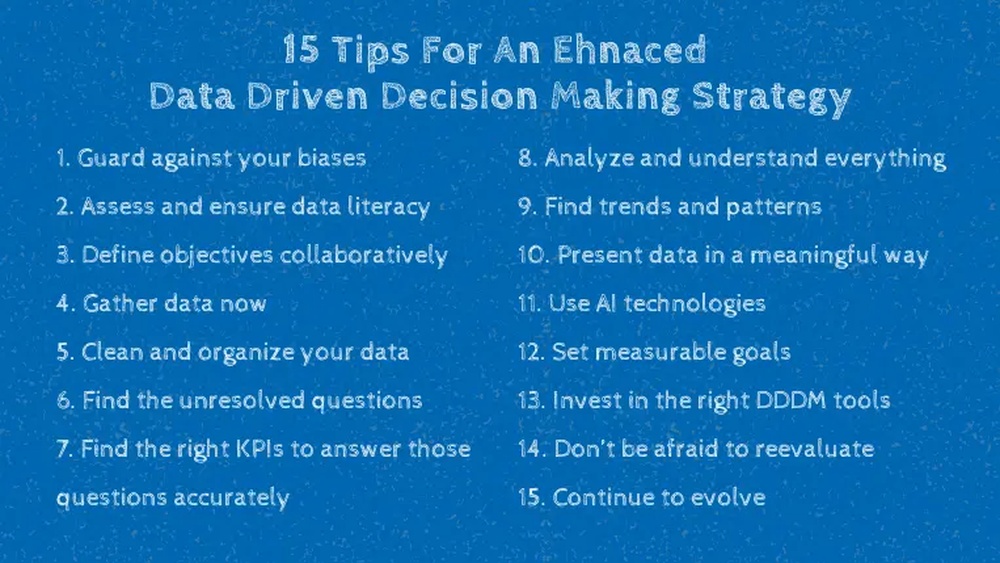
Data insights play a crucial role in selecting a profitable course topic. They reveal which skills are in demand and where gaps exist in the market. Using data helps you focus on areas with high potential for student interest and income. Understanding patterns in enrollment can guide your course creation strategy. This approach reduces guesswork and increases your chances of success.
Analyzing trending skills shows which topics attract learners now. Data from job boards and online platforms highlight growing fields. Tech skills like AI, machine learning, and cybersecurity are popular. Digital marketing and data analytics also rank high in demand. Tracking these trends helps you pick relevant subjects. It ensures your course stays current and appealing.
Market analysis identifies areas where training is lacking. Many fields have few quality courses despite high demand. Spotting these gaps offers an opportunity to fill unmet needs. Data from surveys and forums reveal learner frustrations and questions. Creating courses to address these gaps can boost profitability. It positions you as a solution provider.
Enrollment data reveals which courses attract the most students. High enrollment often signals strong interest and market demand. Look at course completion rates to gauge student satisfaction. Repeat enrollment in certain niches shows lasting value. This information guides your topic choice for better results. Monitoring these patterns keeps your offerings aligned with learner needs.

Credit: www.naspa.org
Choosing a course topic starts with your personal passion and expertise. This ensures you stay motivated and confident while creating content. Passion fuels creativity and persistence. Expertise builds trust and authority. Together, they create a strong foundation for a profitable course.
Focusing on what you love and know well helps you connect better with learners. It also makes the teaching process smoother and more enjoyable. Let’s explore how to match your interests with market demand and balance passion with profit.
Passion alone does not guarantee success. Your topic must meet market demand. Research popular trends and student needs in your field. Use tools like Google Trends or course platforms to find what learners seek. Align your interests with these demands to attract more students. This balance increases your course’s profitability and relevance.
Your expertise sets you apart from competitors. Deep knowledge helps you create valuable, clear lessons. Share real-world examples and practical tips. This builds credibility and trust with your audience. Keep learning and updating your skills to stay current. Strong subject matter knowledge leads to higher course ratings and repeat customers.
Choosing a topic you enjoy is vital. Yet, it must also generate income. Find a sweet spot between what excites you and what pays well. Test ideas by surveying your target audience or running small pilot courses. Adjust your content based on feedback and sales data. This balance keeps you motivated and financially rewarded.
Evaluating competition and demand is key to finding a profitable course topic. It helps you understand what learners want and what others offer. This step saves time and guides you toward topics with real potential. Focus on finding a balance between high demand and manageable competition. This approach increases your chances of success in the crowded online course market.
Start by exploring popular course platforms like Udemy, Coursera, or Skillshare. Check courses in your niche and note their ratings, reviews, and enrollment numbers. Look for gaps in content or areas with many students but few high-quality courses. Identify what top courses cover and what they miss. This insight helps you create a course that stands out and meets learner needs better.
Use keyword research tools like Google Keyword Planner or Ahrefs. Find keywords related to your course topic and check their monthly search volumes. High search volume means many people are interested in that topic. Also, check keyword difficulty to see how tough the competition is. Focus on keywords with good search volume but lower difficulty. This strategy helps attract more students through search engines.
Look beyond popular topics to find niches with less competition. Use forums, social media groups, and Q&A sites like Quora to see what questions people ask. Find problems that lack clear solutions or courses. These untapped topics offer chances to attract eager learners. Creating a course in these areas can build your authority and fill market gaps effectively.
Validating course ideas helps ensure your course will attract real students. It saves time and money by confirming demand early. Use data and feedback to pick topics that sell well. Test your ideas before full development to reduce risk and improve success.
Ask your target audience about their needs and interests. Use simple surveys with clear questions. Include options for course topics and skills they want to learn. Collect enough responses to spot patterns and preferences. This data shows which ideas have the most demand.
Create a small, basic version of your course content. Share it with a limited group of students. This can be a short video, ebook, or webinar. Measure engagement, completion, and satisfaction rates. Use these results to judge if the full course is worth building.
Collect honest opinions from early users about the course idea. Ask what they liked and what needs improvement. Track suggestions and common concerns carefully. Adapt your course content or focus based on this feedback. Continuous improvement boosts course quality and profitability.
Crafting course content that delivers real results requires careful planning and focus. The goal is to create lessons that help learners achieve practical skills. Clear content boosts student success and course reputation. Each part of the course should guide learners step-by-step towards their goals. This section explores how to build effective course content that drives results.
Start by defining what learners will be able to do after the course. Use clear, specific goals that solve real problems. Practical outcomes keep students motivated and engaged. Avoid vague promises or overly broad topics. Show how skills apply in real life or work. This focus helps attract learners who want tangible benefits.
Organize lessons in a logical, easy-to-follow order. Break down complex ideas into small, simple steps. Use short videos, clear explanations, and examples. Include summaries to reinforce key points. Mix theory with practice to keep lessons interesting. Proper structure helps learners absorb material without feeling overwhelmed.
Add quizzes, assignments, and exercises to boost learning. Interactive elements encourage active participation and practice. Use discussion boards or live sessions to build community. Feedback on assignments helps learners improve quickly. These features increase course value and keep students engaged until the end.
Marketing strategies play a key role in making your course profitable. Reaching the right audience and convincing them to buy requires smart planning. Focus on building trust, showing value, and using pricing wisely. These tactics increase your course’s appeal and sales.
Start by identifying your ideal learners. Use social media platforms to share helpful tips and insights related to your course topic. Create free content like blog posts or videos to attract followers. Engage with your audience by answering questions and encouraging feedback. A loyal audience is more likely to invest in your course.
Social proof boosts credibility and trust. Collect testimonials from early students or beta testers. Show real results and success stories on your sales page. Use ratings and reviews to demonstrate course quality. Sharing positive feedback helps reduce buyers’ doubts and encourages more enrollments.
Set a price that matches your course value and audience expectations. Offer tiered pricing with basic and premium options. Use limited-time discounts or bonuses to create urgency. Test different price points to find what works best. Clear pricing strategies improve conversions and maximize profits.
The most profitable online courses focus on AI, Cybersecurity, Software Development, Digital Marketing, Finance, and Data Analytics. These skills offer high demand, career growth, and strong earning potential. Choose courses that provide practical results and match your expertise for maximum profit.
Choose a course by aligning it with your interests and skills. Prioritize courses offering practical skills and career growth. Research demand and future trends to ensure profitability.
The most in-demand online courses focus on AI, Cybersecurity, Data Science, Digital Marketing, and Project Management. These skills offer high-paying jobs and career growth.
Choose a course topic by identifying your expertise and passion. Research market demand and competition. Ensure the topic solves real problems and offers clear benefits. Prioritize niches with consistent growth and earning potential. Focus on delivering actionable, valuable content to attract and retain students.
Choosing a profitable course topic takes careful research and clear focus. Focus on areas with high demand and clear benefits. Combine your passion with topics that solve real problems. Use data to guide your decisions and spot trends early. Create content that helps learners achieve real results.
This approach leads to better engagement and sales. Keep your course relevant and update it regularly. Success comes from understanding your audience and their needs well. Keep learning and adapting to stay ahead in the market.







Leave A Reply Now