


You want more clients, right? Building a client acquisition funnel is the smartest way to attract, engage, and convert potential customers step-by-step.
Imagine having a clear path that guides your prospects from first hearing about you to becoming loyal buyers. This isn’t just theory—it’s a proven strategy that can transform how you grow your business. You’ll discover exactly how to create a client acquisition funnel that works for you, breaking down each stage into simple actions you can take now.
Ready to unlock the secret to steady client growth? Let’s dive in.
Building a client acquisition funnel helps you guide potential customers toward buying. It breaks down the process into clear steps. Each step focuses on moving clients closer to your services or products. Understanding the basics is key to creating an effective funnel.
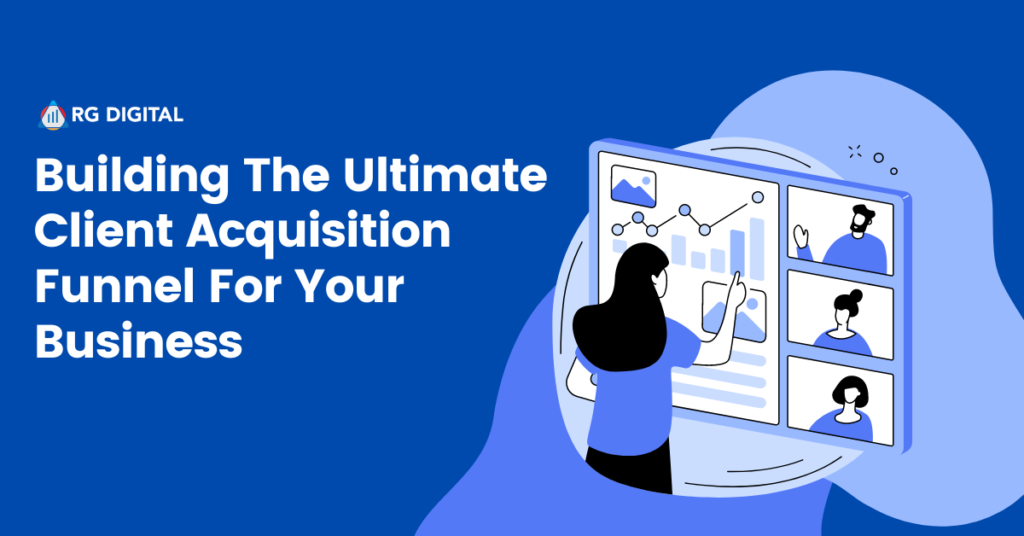
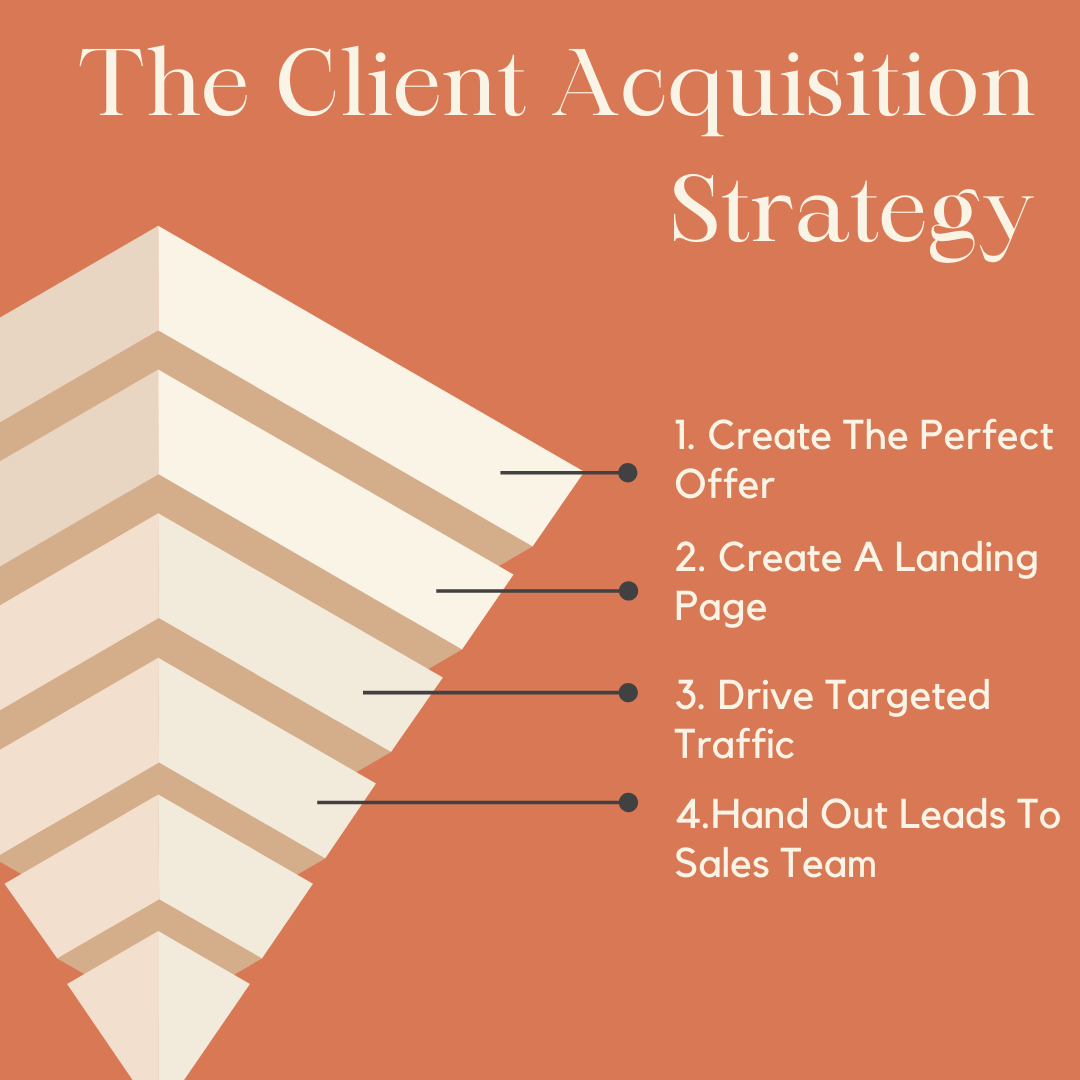
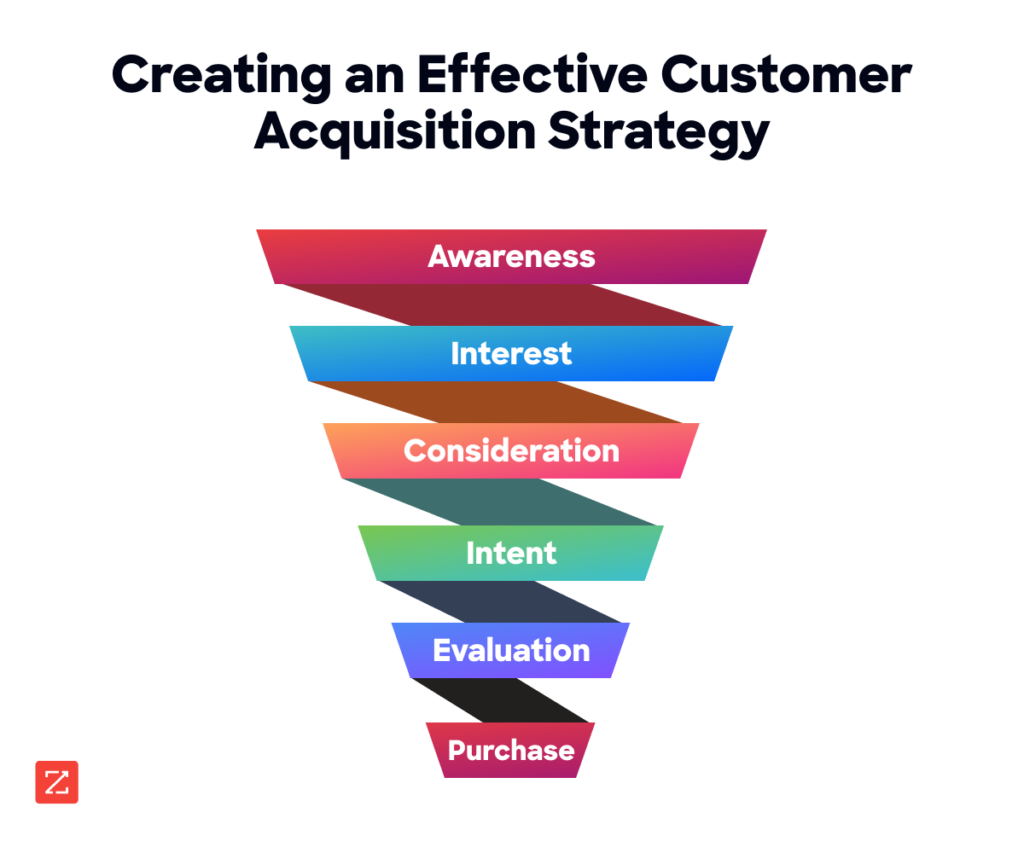
The funnel has several stages. First is Awareness, where people learn about your brand. Next is Interest, where they want to know more about what you offer. Then comes Consideration, where they compare options and think about buying. After that is Decision, when they choose to buy from you. Finally, the Customer stage begins once they make a purchase. Each stage needs different strategies to keep clients moving forward.
Clients do not buy immediately. They follow a journey from learning to deciding. At the start, they gather information and solve problems. Later, they weigh pros and cons of different options. Trust builds through helpful content and clear communication. Understanding this journey helps you create content and offers that match clients’ needs. This keeps them engaged and ready to buy.
Credit: rahulghosh.ca
Capturing awareness is the first step in building a client acquisition funnel. It means making potential clients notice your brand. Without awareness, no one can move to the next stage of the funnel. This stage sets the foundation for all future interactions. Clear, simple, and focused efforts work best here. The goal is to reach the right people and make a strong first impression.
Knowing your target audience is essential for capturing awareness. Define who your ideal clients are. Think about their age, location, interests, and challenges. Use this information to create a clear client profile. When you know your audience, you can tailor messages that speak directly to them. This increases the chance they will notice and remember your brand.
Choose channels where your target audience spends time. Social media platforms like Facebook and Instagram reach many users daily. Search engines help clients find you through relevant keywords. Local events and networking can build personal connections. Email newsletters keep your brand in their minds. Use a mix of channels to widen your reach and boost awareness.
Generating interest is a crucial step in building a client acquisition funnel. This stage draws potential clients closer to your brand. It moves them beyond mere awareness to genuine curiosity about your services or products. Capturing attention early helps set the stage for deeper engagement. The right approach can turn casual visitors into active prospects.
Create content that speaks directly to your audience’s needs. Use simple language and clear messages. Focus on solving common problems your clients face. Share tips, how-tos, and useful information that adds value. Visuals like images and videos can make content more appealing. Keep your content fresh and consistent to maintain interest. This builds trust and shows your expertise.
Connect with your audience on a personal level. Show the values and mission behind your brand. Use stories that resonate with their experiences. Authenticity helps clients feel understood and appreciated. Engage through social media, emails, and conversations. Respond quickly and kindly to build rapport. A strong connection encourages clients to explore your offerings further.
Credit: rahulghosh.ca
Nurturing consideration is a key step in the client acquisition funnel. It helps move prospects from interest to decision. At this stage, prospects evaluate options and compare solutions. They need relevant information and trust to choose your service or product. Effective nurturing builds confidence and keeps leads engaged. Focus on understanding their needs and providing clear answers.
Lead qualification helps identify serious buyers. It saves time and targets the right prospects. Use criteria like budget, need, and timeline. Ask questions to learn about their challenges and goals. Score leads based on their responses. Prioritize those ready to buy soon. This way, you focus efforts on leads with higher chances to convert. Qualification also reveals which leads need more education.
Personalized communication makes prospects feel valued. Tailor messages to their interests and stage in the funnel. Use their name and reference past interactions. Send content that answers specific questions or solves problems. Avoid generic emails that may seem irrelevant. Follow up regularly but do not overwhelm them. Personal touches build trust and deepen relationships. This approach increases the chance they will choose your solution.
The “Driving Decision” phase is where prospects move closer to becoming clients. This stage focuses on helping potential clients choose your product or service confidently. Clear communication and addressing concerns are key to guiding their choice.
Show what makes your offer special. Highlight benefits that solve the client’s problems. Use simple language to explain why your solution stands out. Focus on results your clients will get. Avoid vague claims and be clear about your strengths.
Answer questions before clients ask them. Identify common doubts and address them directly. Provide proof like testimonials or case studies. Offer guarantees or free trials to reduce risk. Make it easy for clients to trust your offer and feel confident in their decision.
Credit: pipeline.zoominfo.com
Securing customers is a crucial step in building an effective client acquisition funnel. This stage turns interested prospects into paying clients. It requires careful attention to every detail in the buying experience. A smooth, clear process increases trust and reduces drop-offs.
Proper onboarding ensures customers feel welcomed and confident after purchase. This helps build loyalty and encourages repeat business. Thoughtful customer care right after the sale strengthens your brand reputation.
Make the purchase process simple and fast. Avoid asking for too much information upfront. Use clear buttons and calls to action. Show progress steps so customers know where they are. Offer multiple payment options to suit different needs. Ensure the checkout page loads quickly and works well on mobile devices. Confirm orders immediately with a clear summary and next steps.
Welcome new customers with a friendly message. Provide easy-to-follow guides or tutorials. Send helpful emails that explain product features. Offer quick access to support or FAQs. Personalize the onboarding experience by addressing customer needs. Check in after a few days to solve any problems. A smooth start builds confidence and reduces cancellations.
Boosting loyalty is essential for a strong client acquisition funnel. Loyal customers return and bring steady income. They also help spread positive word-of-mouth. Focusing on loyalty turns buyers into advocates. This stage ensures long-term success beyond initial sales.
Keeping customers happy requires clear communication and excellent service. Regular follow-ups show you care about their experience. Offer personalized deals or rewards to thank repeat buyers. Make support easy to reach and quick to respond. Use feedback to improve your products or services. Loyal customers often spend more over time.
Referrals bring new clients with less effort and cost. Encourage customers to share their positive experiences. Create simple referral programs with clear benefits. Reward both the referrer and the new customer fairly. Ask for reviews and testimonials to build trust. Word-of-mouth marketing helps widen your client base naturally.
Measuring funnel performance is essential to know if your client acquisition funnel works well. Tracking how prospects move through each stage helps improve your marketing efforts. Without measurement, you cannot identify which parts of the funnel need changes or updates.
Regularly checking funnel data allows you to make smart decisions. It shows which tactics bring clients and which waste time and money. This process keeps your funnel efficient and effective over time.
Several metrics reveal how your funnel performs. Start with traffic volume to see how many visitors enter the funnel. Next, track conversion rates at each stage to know how many prospects move forward.
Lead quality matters too. Measure how many leads turn into paying clients. Cost per acquisition shows how much you spend to get each client. Keep an eye on the average time it takes for prospects to convert.
Drop-off points are where prospects leave the funnel. Finding these spots helps fix leaks in your client journey. Use analytics tools to see where visitors stop or leave your funnel pages.
Look for stages with low conversion rates or high bounce rates. These are signs of trouble. Analyze user behavior and feedback to understand why prospects drop off. Adjust your messaging, offers, or design to reduce drop-offs and keep prospects moving forward.
Optimizing funnel steps is essential for improving client acquisition. Every stage in the funnel must work smoothly to guide prospects toward becoming clients. Small changes can lead to better results and higher conversion rates.
Testing and analyzing each step helps identify what works best. Understanding user behavior in the funnel allows for targeted improvements. This process is ongoing and requires attention to detail.
A/B testing compares two versions of a funnel step to see which performs better. Change one element at a time, like a headline, button color, or image. Send half your traffic to version A and half to version B.
Measure the conversion rates for each version. Choose the one with better results. Repeat this process regularly to keep improving your funnel. Testing helps remove guesswork and bases decisions on data.
Track key metrics like click-through rates and drop-off points in your funnel. Use this data to spot weak spots and fix them. Update content to keep it relevant and clear for your audience.
Ask for feedback from users to understand their experience. Simplify forms and reduce steps that cause friction. Regularly review your funnel to adapt to changing client needs and market trends.
Building a client acquisition funnel requires the right tools and technologies. These tools help manage leads, automate tasks, and improve communication. They save time and keep your process organized. Choosing the right software can make your funnel work smoothly and efficiently.
CRM stands for Customer Relationship Management. It stores all client information in one place. This helps track interactions and sales progress. Popular CRM tools include Salesforce, HubSpot, and Zoho. They allow easy follow-up with leads and manage contacts. CRMs help you understand client needs and improve service. Using a CRM makes your funnel more effective by keeping details clear and accessible.
Automation platforms handle repetitive marketing and sales tasks. They send emails, schedule posts, and score leads automatically. Examples include Mailchimp, ActiveCampaign, and Zapier. These tools save time and reduce errors. Automation keeps your funnel moving without manual work. It helps nurture leads with timely messages. Automation platforms improve client engagement and increase conversion rates.
A client acquisition funnel guides potential customers through stages: awareness, interest, evaluation, decision, and purchase. It helps convert leads into loyal clients by targeting each step with tailored marketing strategies.
Start by creating awareness to attract prospects. Next, build interest with engaging content. Then, nurture desire by highlighting benefits. Guide leads to take action with clear calls. Finally, foster loyalty through follow-up and support.
The 5 stages of a sales funnel are Awareness, Interest, Consideration, Decision, and Loyalty. Each stage guides prospects toward purchase.
Create a customer funnel by defining stages: Awareness, Interest, Consideration, Decision, and Loyalty. Attract prospects, nurture leads, and guide them to purchase. Use targeted content and optimize each stage for better conversion and retention. Monitor performance to improve the funnel continuously.
Building a client acquisition funnel takes clear steps and focus. Start by attracting attention with simple messages. Next, keep potential clients interested by showing value. Help them consider your offers through helpful information. Encourage action with easy ways to connect or buy.
Finally, nurture relationships to turn clients into repeat customers. Test and adjust your funnel to improve results over time. A well-planned funnel guides people smoothly toward becoming loyal clients. Keep it clear, simple, and customer-friendly for best success.






Leave A Reply Now