



Are you struggling to attract the right clients to your agency? Defining your agency niche and Ideal Client Profile (ICP) is the key to working smarter, not harder.
When you know exactly who your perfect clients are and what problems you solve best, you stop wasting time chasing leads that don’t fit. Imagine having a clear focus that makes your marketing sharper and your sales conversations easier. You’ll discover simple, actionable steps to pinpoint your niche and create an ICP that draws in clients who value your expertise and are eager to work with you.
Ready to transform your agency’s growth? Let’s dive in.
Credit: adsy.com
Choosing your agency niche sets the foundation for your success. It helps focus your efforts and resources on a specific market segment. This focus improves your expertise and builds a stronger brand reputation.
Finding the right niche means understanding where your agency can add the most value. This process requires careful analysis of the market, your strengths, competitors, and profit potential.
Start by exploring different industries and sectors. Look for areas with growing demand and unmet needs. Research trends and customer pain points. Identify gaps where your agency can provide unique solutions. Focus on niches that show signs of long-term growth.
Choose a niche that matches your skills and experience. Consider the services your team excels at delivering. Your passion and knowledge in a field will help you serve clients better. Aligning with your strengths builds confidence and improves client satisfaction.
Study competitors in your chosen markets. Identify their strengths and weaknesses. Look for niches with less competition or unmet client needs. Differentiating your agency is easier in less crowded spaces. Use competitor analysis to find your unique position.
Examine the revenue potential of each niche. Consider client budgets and average contract sizes. Some niches may have high demand but low profitability. Prioritize niches where clients are willing to invest in quality services. Profit potential ensures your agency can grow sustainably.

Credit: www.pipedrive.com
Crafting your Ideal Client Profile (ICP) is a key step for your agency’s success. It helps you focus on the clients who fit best with your services. A clear ICP guides your marketing and sales efforts. It saves time by targeting the right people. Understanding your ideal client improves your service delivery and client satisfaction.
Start by defining the basic demographic traits of your ideal client. Think about age, gender, income, and education level. These factors shape client needs and preferences. For example, younger clients might prefer digital solutions. Higher income clients may seek premium services. Keep these traits simple and clear.
Psychographic factors reveal your client’s lifestyle and values. Consider interests, attitudes, and personality types. These details help you connect on a deeper level. A client who values innovation may want creative solutions. Someone focused on stability may prefer tested methods. Use this info to tailor your messaging.
Geography affects client behavior and opportunities. Identify where your ideal clients live or work. Urban clients might need faster service and tech solutions. Rural clients may value personal contact and trust. Location also influences language and cultural preferences. Narrow your focus to regions you can serve well.
Behavioral patterns show how clients act and make decisions. Look at buying habits, brand loyalty, and communication style. Some clients buy quickly, others research a lot. Some prefer email, others phone calls. Use this knowledge to design your sales and support processes. It helps build strong client relationships.
Researching your target audience is a crucial step in defining your agency niche and ideal client profile (ICP). It helps you understand who your potential clients are, what they need, and how your agency can serve them best. Knowing your audience allows you to create tailored marketing strategies and improve client satisfaction.
This research involves collecting and analyzing data about your customers. It includes learning about their behaviors, preferences, and pain points. The insights gained help you focus on the right market segment and attract ideal clients.
Start by collecting basic information about your customers. This data includes age, location, job title, and industry. Use your existing client database or social media insights. These details form the foundation of your ideal client profile.
Next, group customers by shared traits. This grouping reveals common needs and challenges. It helps you spot trends and patterns in your audience.
Surveys and interviews provide direct feedback from your audience. Design simple questions focused on their goals and problems. Keep surveys short to encourage more responses.
Interviews offer deeper insights into customer motivations. Ask open-ended questions and listen carefully. The information gathered helps you understand client expectations clearly.
Use online tools like Google Analytics, SEMrush, or Facebook Audience Insights. These tools track customer behavior and preferences. They show what content your audience likes and how they interact with your site.
Market research tools also reveal competitor strategies. This knowledge helps you position your agency better. Choose tools that fit your budget and research needs.
Review feedback from reviews, emails, and social media comments. Look for recurring complaints or compliments. This analysis shows what your clients value most.
Use feedback to improve your services and communication. Address common issues promptly. Positive changes build trust and attract more ideal clients.
Refining your agency niche and Ideal Client Profile (ICP) sharpens your business focus. It helps you serve clients who match your strengths and values. This step is crucial to attract the right customers and grow sustainably.
By narrowing down your niche and ICP, you reduce wasted effort. You can create tailored marketing messages that speak directly to your best prospects. This approach improves client satisfaction and loyalty over time.
Start by listing traits that your ideal clients share. These include industry, company size, budget, and challenges. Focus on the top three to five traits that impact your work the most.
Consider client attitude and willingness to collaborate. These traits affect project success and communication. Prioritizing helps you target clients who value your expertise.
Use real-world data to check your niche and ICP assumptions. Reach out to potential clients or use surveys to gather feedback. Analyze responses to see if your profile fits actual market needs.
Run small marketing campaigns targeting your chosen niche. Track engagement and conversion rates carefully. This testing reveals if your focus attracts the right audience.
Be ready to tweak your niche and ICP based on feedback and results. Drop traits that do not align with your success. Add new characteristics that improve client fit.
Continuous adjustment keeps your agency relevant and competitive. It ensures you focus on clients who bring value and growth. Flexibility in refining your niche leads to long-term success.
Positioning your agency effectively sets the foundation for growth. Clear positioning helps your agency stand out. It attracts the right clients and builds lasting relationships. Focus on aligning your services and messages with your niche and ideal client profile (ICP). This alignment ensures your agency speaks directly to those who need your expertise most.
Customize your service offerings to match your niche’s needs. Avoid generic solutions that appeal to everyone but serve no one well. Understand the challenges your ideal clients face. Design your services to solve these specific problems. This focus increases your value and makes your agency more appealing.
Craft marketing messages that speak directly to your ICP. Use language and examples your ideal clients relate to. Highlight benefits that matter most to them. Clear and simple messages attract attention and build interest. Avoid jargon or vague statements that confuse potential clients.
Show your expertise through content, case studies, and industry insights. Share knowledge that solves problems your niche cares about. Consistent, helpful information builds your agency’s reputation. Trust grows when clients see your agency as a reliable expert. Authority leads to more referrals and repeat business.
Gather positive feedback from clients within your niche. Display testimonials that highlight successful results and satisfaction. Real stories build credibility and reduce doubts. Prospective clients trust peer experiences more than sales claims. Use testimonials strategically to reinforce your agency’s strengths.

Credit: www.fjsolutions.com
Defining your agency niche and ideal client profile (ICP) requires careful thought. Avoiding common mistakes helps create clear focus and better results. Mistakes can waste time and resources. Stay precise and adaptable to succeed.
Trying to serve everyone dilutes your message. A broad audience makes marketing unclear. Your agency should target a specific group. Narrowing your niche improves connection with clients. Clear focus helps attract the right customers. Avoid vague descriptions of who you serve.
Not every client suits your agency’s strengths. Some clients cost more than they bring in. Choose clients who match your skills and values. Focus on profitable projects that grow your business. Poor client fit leads to frustration and lost time. Prioritize clients who value your expertise.
Markets and client needs change over time. Sticking to old assumptions limits growth. Regular research keeps your niche and ICP relevant. Use feedback and data to refine your focus. Stay updated on trends and competitor moves. Continuous learning strengthens your agency’s position.
Defining your Ideal Client Profile (ICP) becomes easier with the right tools and templates. These resources guide you through collecting and organizing client data. They help shape a clear view of your target audience. Using structured tools saves time and improves accuracy. It also helps keep your client profile consistent across your team.
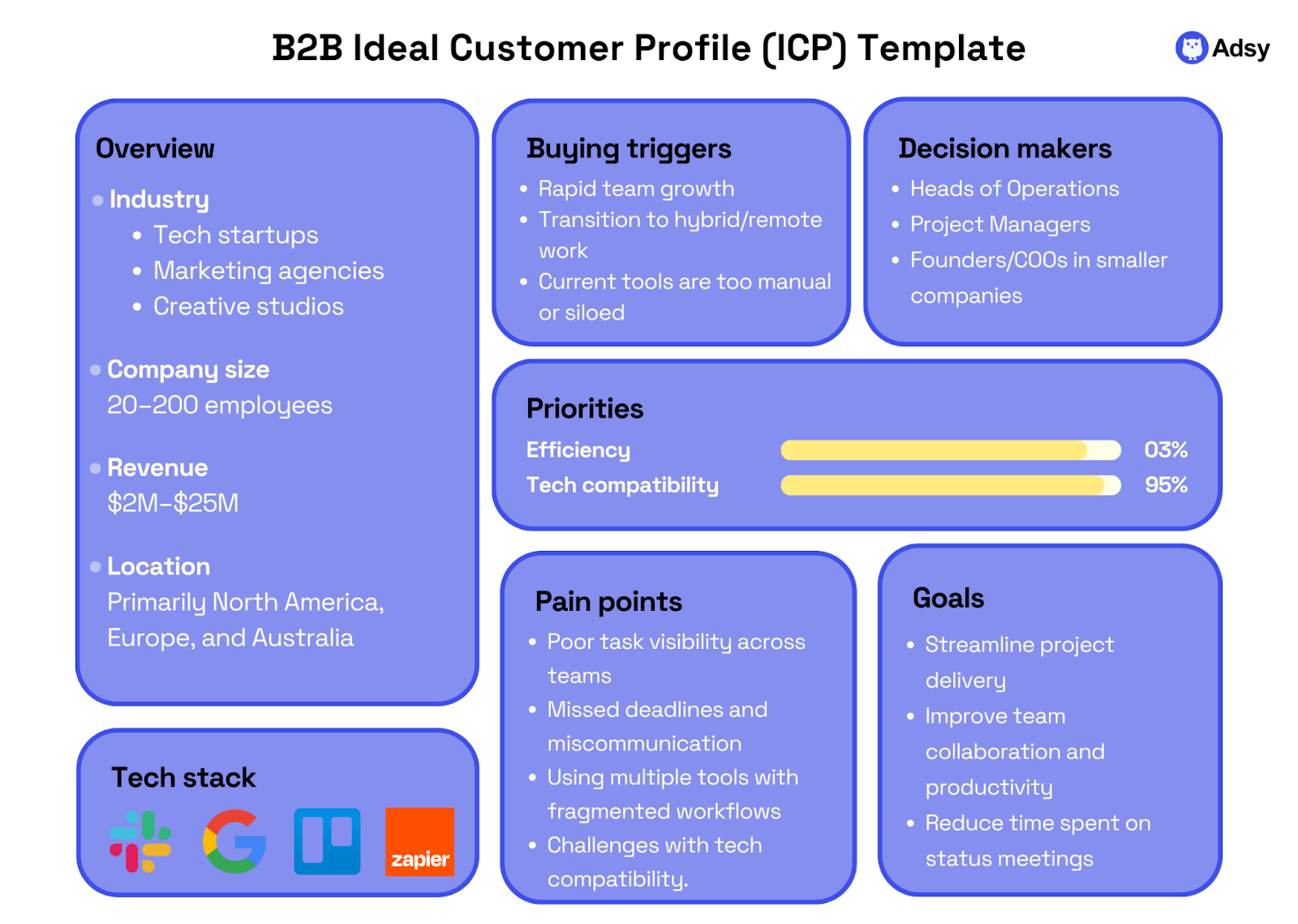
ICP templates offer a ready-made format to fill in client details. They include sections for demographics, pain points, and buying behavior. Templates make it simple to gather key information quickly. You can customize them to fit your agency’s specific needs. Using templates ensures you do not miss critical data. It also helps keep your research organized and focused.
Customer Relationship Management (CRM) tools store and manage client data. They track interactions and client histories in one place. Analytics software helps analyze patterns and trends in client behavior. These tools provide insights about your best clients. They help identify what makes a client ideal. Using CRM and analytics boosts your ability to target the right audience.
Frameworks offer structured approaches to understand your customers deeply. They guide you in segmenting clients based on key traits. Common frameworks include demographic, psychographic, geographic, and behavioral data. These help create a detailed and accurate client profile. Frameworks support strategic marketing and service delivery. They ensure your agency connects with clients who fit best.
An ideal customer profile (ICP) defines the perfect company fit for your product or service. It targets prospects most likely to buy.
The four types of customer profiling are demographic, psychographic, geographic, and behavioral data. These profiles help target the right audience effectively.
Agencies seek clients who value expertise, communicate openly, challenge creatively, and stay motivated to achieve results efficiently.
An ICP example is a tech startup in Austin, Texas, needing cloud software, with 50-200 employees and $5M+ annual revenue.
Defining your agency niche and ideal client profile guides your business growth. Focus on clients who match your strengths and values. This clarity helps create better marketing and stronger connections. Keep refining your profile as your agency evolves. Clear direction makes your work more efficient and rewarding.
Start now to attract clients who truly fit your agency.







Leave A Reply Now