


You want your service to stand out and keep customers coming back. But how do you know what’s working and what needs fixing?
The answer lies in collecting feedback and using it to improve continuously. When you listen closely to your customers, you unlock powerful insights that can transform your service for the better. You’ll discover simple, effective ways to gather honest feedback and turn it into real improvements.
Ready to create a service that truly meets your customers’ needs and keeps getting better? Let’s dive in.
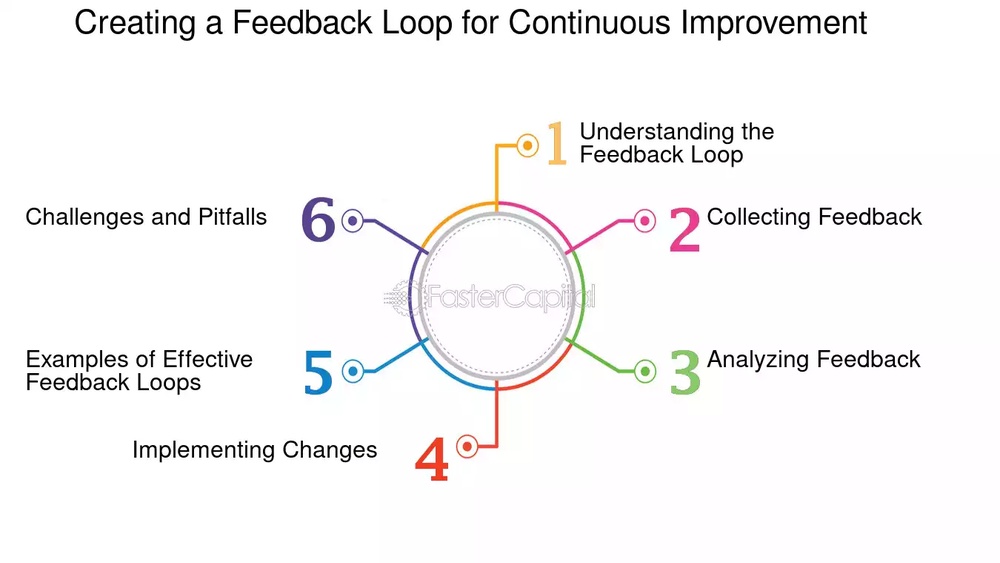
Collecting feedback is vital for improving service quality. Different methods help gather insights from customers efficiently. Choosing the right approach depends on your business needs and customer preferences. Each method offers unique advantages to understand client experiences better.
Surveys and questionnaires provide structured feedback quickly. They allow asking specific questions about your service. Customers respond at their convenience, increasing participation. Use simple language and clear options to get accurate answers. Online tools make distribution and analysis easier.
Live chat offers real-time communication with customers. Support interactions reveal immediate concerns and satisfaction levels. Agents can ask for feedback during or after conversations. This method captures detailed, spontaneous responses. It also helps resolve issues promptly.
Social media monitoring tracks mentions and comments about your service. It shows honest opinions from users publicly sharing their experiences. Tools can analyze sentiment and trends automatically. This method helps spot problems early and engage with customers openly.
User analytics records how customers interact with your website or app. Behavior tracking identifies patterns and pain points in the user journey. These insights show what works and what needs change. Data-driven decisions improve service based on actual user actions.
In-person interviews allow deep conversations with customers. Focus groups gather diverse opinions in a guided discussion. This method uncovers detailed feelings and suggestions. It also builds trust and shows customers their voice matters.

Credit: fastercapital.com
Organizing feedback effectively is essential for improving your service continuously. Clear organization helps spot patterns and act quickly. It turns raw data into useful insights. Proper sorting ensures no important input is missed. It also makes sharing feedback with your team easier. Below are key methods to organize feedback for better service.
Divide feedback based on customer groups. New customers, loyal clients, and occasional buyers may have different needs. This helps tailor improvements to each group’s preferences. Segmenting also reveals which type faces more issues. It guides targeted solutions that raise overall satisfaction.
Sort feedback by specific products or services. This shows which areas work well and which need fixes. Categorization helps track trends over time. It also simplifies deciding where to invest resources. Grouping feedback this way improves product quality and service delivery.
Organize feedback according to the channel used. Emails, phone calls, social media, and surveys often provide different insights. Sorting by channel highlights where customers prefer to share opinions. It helps focus efforts on the most active platforms. This ensures no feedback source is overlooked.
Identify and rank urgent feedback first. Problems affecting many customers or causing harm need quick attention. Prioritizing urgent issues speeds up fixes and prevents escalation. Use clear criteria to decide urgency. This approach keeps your service reliable and customers happy.
Analyzing feedback data is a key step to improve your service continuously. It helps turn raw opinions into clear actions. This process reveals what customers like or dislike. It also shows areas needing change. Proper analysis ensures you focus on real issues, not just one-off comments. Use feedback data wisely to enhance customer satisfaction and loyalty.
Start by grouping similar feedback points together. Look for repeated words or ideas. These common themes highlight frequent concerns or praises. Themes might include product quality, response time, or user experience. Recognizing them helps prioritize improvements. It also guides your team on what matters most to customers.
Next, observe how feedback changes over time. Look for rising or falling trends in customer opinions. Patterns may show seasonal issues or effects of recent changes. Tracking trends helps predict future problems. It also measures if past fixes worked well. Use this insight to plan better service strategies.
Quantitative data includes numbers like ratings or survey scores. Qualitative data consists of comments and detailed responses. Combine both to get a full picture. Numbers show the scale of issues. Words explain the reasons behind them. Balancing these insights leads to smarter decisions.
Text analytics tools help process large amounts of feedback quickly. They identify keywords, sentiment, and recurring topics automatically. These tools save time and reduce human error. Use them to spot hidden issues or positive highlights. Technology enhances your ability to analyze feedback deeply and accurately.
Implementing improvements is a key step in using feedback effectively. It means turning ideas and suggestions into real changes. These changes help your service get better over time. The process must be clear and careful. This way, you avoid mistakes and make sure changes work well.
Start by choosing specific areas to improve. Look at the feedback and find common themes. Focus on changes that will bring the most benefit. Set clear goals for what each change should achieve. Make a plan that outlines steps and resources needed.
Try out changes with a small group first. This helps spot problems early without affecting all customers. Use a pilot program or limited release. Collect data and watch how the change performs. Small tests reduce risks and give useful insights.
After testing, ask for feedback from users affected by the change. Use surveys, interviews, or direct conversations. Check if the change meets their needs and solves issues. Look for new problems or unexpected effects. This feedback guides further adjustments.
When a change works well, make it part of your regular process. Update your service guidelines and train your team. Communicate the improvements clearly to all staff. Consistency ensures customers get the best experience every time. Keep monitoring to maintain quality.
Creating feedback loops is essential for improving your service continuously. It means collecting customer opinions, acting on them, and then sharing the results back. This cycle builds trust and shows customers their voices matter. It also helps your team focus on the right changes. Feedback loops make improvement ongoing, not just a one-time task.
Close the feedback loop by responding quickly to customers. Let them know you received their input and thank them. Share what you learned from their feedback. Tell them the next steps you will take or have taken. This shows respect and encourages more feedback. It also builds stronger customer relationships.
Keep customers informed about changes based on their feedback. Use emails, social media, or your website to share updates. Explain how these changes improve their experience. Clear communication helps customers see the value of giving feedback. It also reinforces your commitment to better service.
Make it easy for customers to share their thoughts anytime. Use surveys, suggestion boxes, or online reviews. Ask simple questions and keep feedback channels open. Encourage honesty and show appreciation for all input. Regularly remind customers that their opinions shape your service.
Promote a mindset where feedback drives growth every day. Train your team to listen and act on customer insights. Celebrate small wins and learn from mistakes. Make improvement a shared goal across your business. This culture keeps your service evolving and customers satisfied.
Collecting feedback and improving service requires the right tools and technologies. These tools help gather insights quickly and accurately. They allow businesses to understand customer needs and spot areas for improvement. Using technology streamlines the feedback process and saves time. It also helps track changes and measure results over time.
Survey platforms let you create and send questions easily. They collect answers in real time and organize data for analysis. Popular options include simple tools that anyone can use. These platforms support multiple question types like ratings, multiple choice, and open text. They help reach many customers quickly and gather detailed feedback.
CRM systems store customer information and interaction history. They track feedback from various channels in one place. This makes it easier to follow up and resolve issues. CRM tools help personalize communication based on customer data. They support better service by linking feedback with customer profiles.
Analytics tools turn raw feedback into clear reports. They highlight trends, patterns, and key issues fast. These systems use graphs and charts to simplify data. They help teams make informed decisions about service improvements. Reporting software also tracks progress over time, showing what works.
Automation collects feedback without manual effort. It sends surveys or requests after specific events, like a purchase or support call. Automated systems increase response rates by reaching customers at the right time. They reduce errors and speed up data gathering. This technology keeps feedback flowing continuously for ongoing improvement.
Measuring improvement success is essential to understand how well your service changes work. It shows whether your efforts meet customer expectations and boost satisfaction. Tracking results helps identify what works and what needs more attention. This process keeps your service evolving and customers happy.
Customer satisfaction scores reveal how customers feel about your service. Use surveys like CSAT or NPS to gather scores regularly. Compare scores over time to spot trends. Higher scores usually mean your improvements are effective. Low or falling scores signal areas needing more work.
Service metrics measure how well your team performs daily tasks. Track response time, resolution time, and first-contact resolution rate. These numbers reflect efficiency and service quality. Improving these metrics often leads to better customer experiences. Set clear goals and review metrics frequently.
Repeat feedback points to recurring issues customers face. Watch for similar complaints or suggestions over weeks or months. A drop in repeat feedback shows problems are being solved. If the same issues persist, rethink your solutions. Continuous listening helps catch hidden or new problems early.
Use data from scores, metrics, and feedback to refine your approach. Celebrate successes and keep doing what works. Change or improve weak areas using fresh ideas. Stay flexible and ready to adapt as you learn more. This cycle ensures your service keeps getting better.

Credit: www.slideteam.net
Credit: www.custify.com
The 5 R’s of feedback are: Receive, Reflect, Respond, Request clarification, and Review for improvement.
The 10 to 10 rule in customer service means responding to customers within 10 minutes and resolving issues within 10 hours. This boosts satisfaction and loyalty.
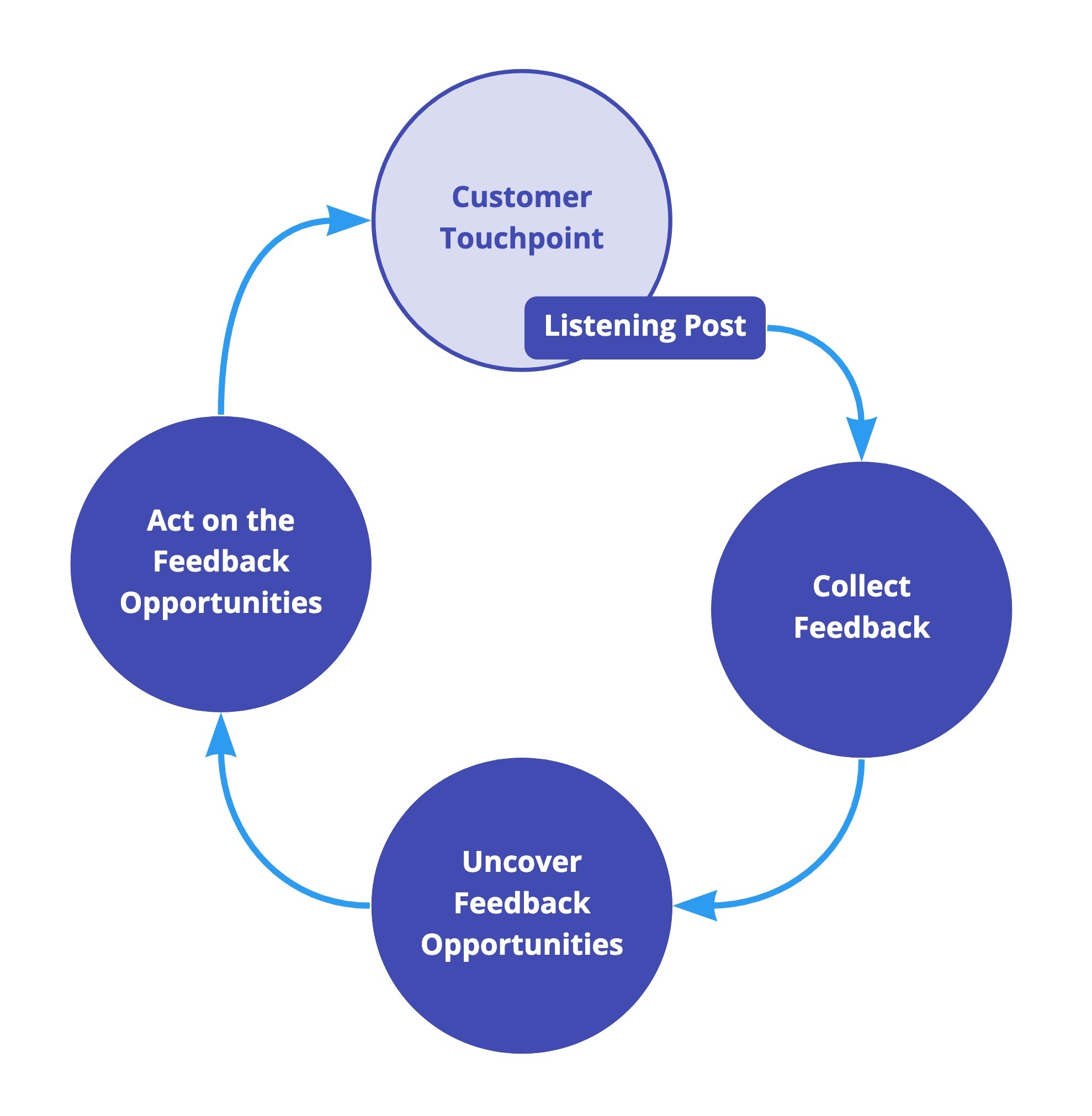
Collect feedback regularly through surveys or chats. Analyze data to identify improvement areas. Implement changes and monitor results. Repeat this cycle for ongoing growth.
The 4 P’s that improve customer service are: People, Process, Product, and Performance. They enhance satisfaction and loyalty.
Collecting feedback helps you understand customer needs clearly. Act on feedback quickly to fix problems and improve service. Use simple tools to gather opinions from all users. Regularly review feedback to spot trends and new ideas. Keep communication open to build trust with your customers.
Continuous improvement creates better experiences and loyal clients. Stay focused on listening, learning, and adapting every day. Small changes add up to big improvements over time. This approach ensures your service grows with your customers’ needs.







Leave A Reply Now