



Are you looking to make your customer support faster, friendlier, and more efficient? Building customer support channels with chat can be the game-changer your business needs.
Imagine being able to answer multiple customer questions at once, offer instant help, and keep your customers coming back—all without making them wait on hold or send endless emails. You’ll discover simple steps to create chat support that truly connects with your customers and boosts satisfaction.
Ready to transform your support experience? Let’s dive in and explore how chat channels can work for you.
Choosing the right chat platform shapes how your customers experience support. The platform must fit your business needs and technical skills. It affects response speed, customer satisfaction, and team efficiency.
Focus on ease of use, features, and how well it connects with your current tools. The right choice reduces costs and improves service quality.
No-code platforms allow building chat systems without programming skills. They use drag-and-drop tools and pre-built templates. These are fast to set up and easy to maintain.
Low-code platforms require some coding but offer more customization. They balance speed and flexibility, suitable for teams with basic developer support.
Custom development means building the chat platform from scratch. It offers full control and unique features but needs skilled developers and more time.
Look for user-friendly design to help agents respond quickly. Multi-language support is important for global customers. Automation features like chatbots reduce workload and speed up replies.
Security and data privacy protect customer information. Reporting and analytics help track performance and improve service. Mobile compatibility ensures support anytime, anywhere.
The chat platform should connect smoothly with your CRM, helpdesk, and email tools. This integration keeps customer data unified and accessible.
Connecting with marketing and sales software improves customer insights. Avoid platforms that require complex workarounds or cause data silos. Easy integration saves time and prevents errors.
Designing effective chat conversations is key to building strong customer support channels. Clear and thoughtful chat design helps customers get quick answers. It also improves their overall experience. This section explores how to create chat flows that feel natural and helpful.
Start by understanding the paths customers take in your chat. Identify common questions and problems. Plan conversation flows that guide customers smoothly. Use decision points to offer relevant options. This reduces wait time and frustration. Mapping journeys helps create a chat that feels intuitive.
Choose a tone that fits your brand and audience. Friendly and polite language works well for most chats. Keep messages short and clear. Avoid jargon or complex words. Use a consistent style throughout the chat. This builds trust and makes customers comfortable.
Prepare answers for the most frequent questions. Use quick replies or buttons to speed up responses. Train chat agents or bots to recognize similar queries. Provide helpful and accurate information each time. Handling common questions efficiently saves time for everyone.
Building and connecting your chatbot is a key step in creating effective customer support channels. A well-built chatbot can handle questions quickly and guide users smoothly. Connecting it properly ensures it works well with your existing support tools.
This process starts with designing how conversations flow. Then, linking the chatbot to your support systems makes it practical. Finally, protecting customer data builds trust and keeps information safe.
Start by mapping the chatbot’s conversation paths. Think about common questions and how to answer them clearly. Use simple language to keep chats easy to follow. Include options for users to choose from, so they feel guided.
Test the flow to find any confusing points. Adjust the script based on feedback to improve user experience. A smooth flow reduces frustration and solves problems faster.
Connect your chatbot to existing tools like CRM or ticketing software. This helps your team track issues and follow up efficiently. Integration allows the chatbot to pass complex cases to human agents.
Ensure data flows smoothly between systems without delays. Use APIs or built-in connectors to keep everything synced. This connection boosts your support team’s productivity and customer satisfaction.
Protecting customer data is critical when using chatbots. Use encryption to keep information safe during chats. Follow privacy laws and guidelines relevant to your location.
Limit access to sensitive data only to authorized personnel. Regularly update your chatbot and systems to fix security flaws. Secure chatbots build trust and protect your brand reputation.

Credit: www.vcaretec.com
Testing and optimizing chat support is key to delivering fast, helpful service. It ensures the chat system meets customer needs and improves over time. Careful testing reveals issues early. Optimization boosts customer satisfaction and agent efficiency.
Collect feedback from customers after chat sessions. Use surveys with simple questions about their experience. Ask what worked well and what did not. Monitor chat transcripts for common issues or confusion. Feedback helps identify strengths and weaknesses. It guides improvements that matter most to users.
Track key metrics like response time, resolution rate, and chat volume. Measure customer satisfaction scores and agent performance. Analyze peak times to allocate resources better. Use data to spot trends and problems. Metrics show how well the chat support meets goals.
Use feedback and data to update chat scripts and training. Test changes regularly to see their impact. Experiment with new tools or chatbot features. Train agents based on common challenges found. Keep improving to maintain high service quality. Small, steady updates create lasting success.
Live agents add a personal touch to customer support chats. They help build trust and keep customers engaged. Quick, helpful replies from real people increase satisfaction. Customers feel valued when someone listens and solves their issues fast. Live agents also handle complex questions better than bots. Using live support wisely improves overall chat experience.
Know when to switch from bot to human. If a customer asks a tricky question, pass it on. When a problem needs empathy or detailed answers, escalate quickly. Avoid frustrating customers with endless bot loops. Recognize frustration signs like repeated questions or angry words. Human help should be easy to reach during chat.
Train agents to respond clearly and politely. Teach them to use short, simple sentences. Focus on problem-solving skills and product knowledge. Practice typing fast while staying friendly and helpful. Role-play common chat scenarios to build confidence. Continuous training keeps skills sharp and improves chat quality.
Agents often handle several chats at once. Teach them to prioritize urgent issues first. Use tools that show all active conversations clearly. Agents should keep each chat organized and respond promptly. Balance speed with thorough, accurate answers. Efficient multitasking helps reduce wait times and boosts customer happiness.

Credit: www.vecteezy.com
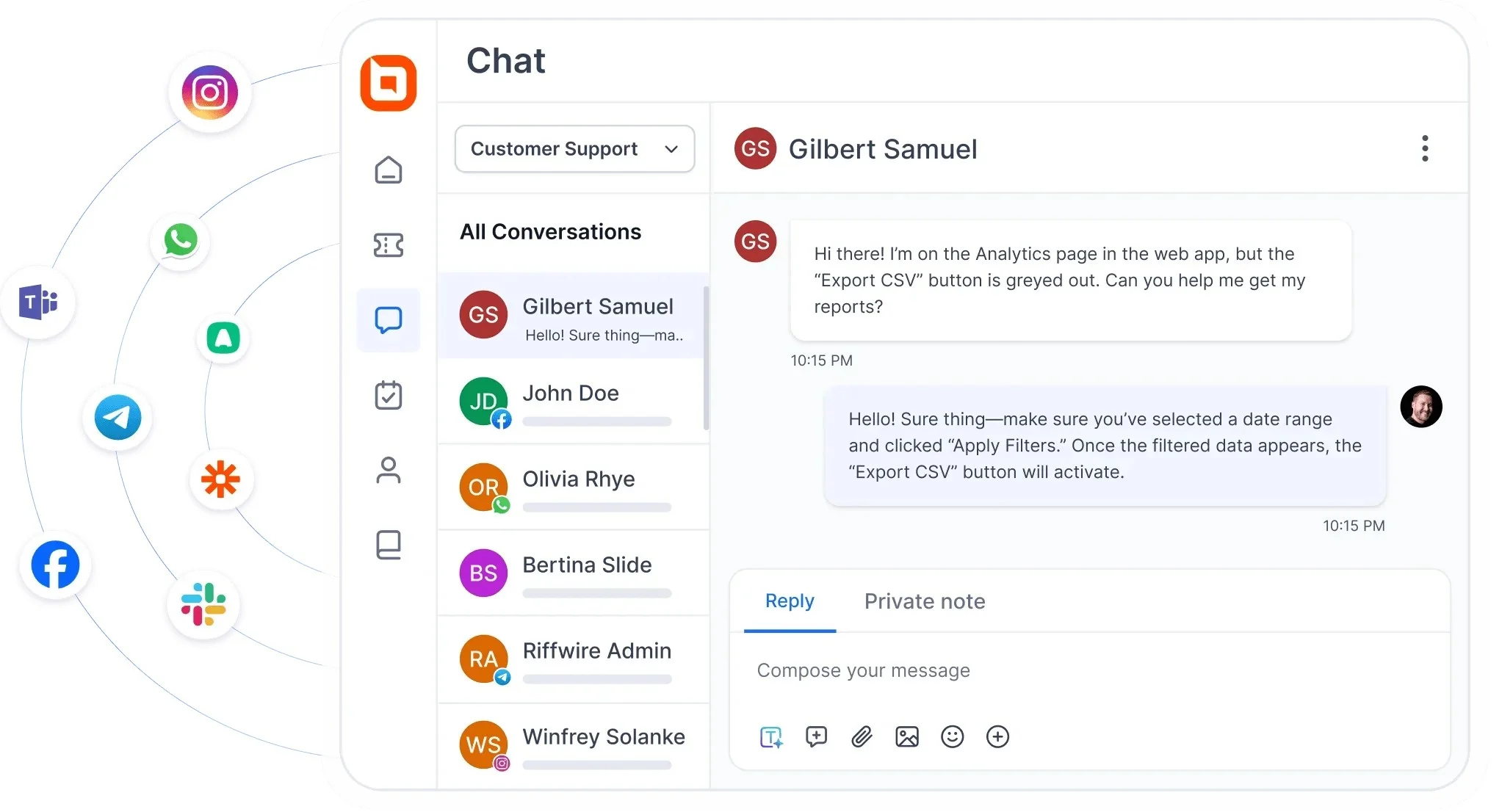
Integrating multiple customer support channels creates a seamless experience for users. It allows customers to reach help through their preferred platform. Combining chat with email and social media boosts response efficiency and satisfaction. This integration helps businesses manage all conversations in one place.
Chat offers real-time responses, while email suits detailed queries. Social media handles public conversations and quick updates. Using all three provides flexible support options. Customers can switch channels without repeating their issues. Teams can share information across platforms easily.
Centralizing data gathers chats, emails, and social messages in one system. This helps support agents view full customer history instantly. It reduces response times and prevents missed requests. Centralized systems improve team collaboration and tracking. Managers can analyze trends and improve service quality.
Omnichannel support creates a smooth and consistent customer journey. It increases customer satisfaction and loyalty. Agents handle multiple conversations efficiently across platforms. Customers enjoy faster resolutions with less effort. Businesses gain insights to tailor services and predict needs.
Measuring the success of chat channels is essential for improving customer support. It shows how well your chat service meets customer needs. Tracking key data helps you find strengths and areas for growth. This leads to better service and happier customers.
Key Performance Indicators (KPIs) track the effectiveness of chat support. Common KPIs include chat volume, resolution rate, and average handling time. Monitoring these numbers shows how efficiently your team works. They also reveal trends in customer issues and agent performance.
Customer satisfaction metrics measure how pleased customers are with chat support. Surveys like CSAT and NPS provide direct feedback. High satisfaction scores mean your support is helpful and friendly. Low scores highlight problems that need fixing fast.
Response time is a crucial factor in chat support success. Faster replies improve customer experience and reduce frustration. Tracking response times helps identify delays and bottlenecks. Improving these speeds boosts overall customer satisfaction and loyalty.
Credit: www.bolddesk.com
Customer support chat is evolving fast. New trends shape how businesses connect with customers. These changes improve speed, efficiency, and satisfaction. Understanding these trends helps companies build better chat channels.
Artificial intelligence powers smarter chatbots. Bots answer common questions instantly. Automation handles many routine tasks, freeing human agents. AI learns from conversations to improve responses. This reduces wait times and boosts support quality. Customers get help 24/7 without delays.
Chat support now offers tailored experiences. Systems use customer data to customize replies. Personalized greetings make interactions friendly and relevant. Support agents see past issues to assist faster. This builds trust and loyalty. Customers feel valued and understood during chats.
Chat support will become more integrated with other channels. Voice assistants may join chat for seamless service. Real-time translations will break language barriers. AI will predict problems before customers ask. The future promises smoother, faster, and more helpful chats. Businesses must adapt to stay competitive.
The 7 R’s of customer service are: Right Product, Right Quantity, Right Condition, Right Place, Right Time, Right Customer, and Right Price. These ensure customer satisfaction and service excellence.
Choose a chatbot platform, design conversation flows, build and integrate the bot with systems. Test thoroughly, gather feedback, and optimize continuously for better support.
The 5 R’s of customer service are: Respect, Responsiveness, Reliability, Resolution, and Rapport. They ensure positive customer experiences.
The 4 P’s of customer service are: Product, Price, Place, and Promotion. They ensure customer satisfaction and loyalty.
Building strong customer support channels through chat boosts satisfaction and trust. Quick responses keep customers happy and engaged. Clear, simple chat options help solve problems fast. Using chat lets support teams assist many users at once. Testing and improving chat tools ensures better service over time.
Prioritizing easy communication creates loyal customers who return. Effective chat support channels make businesses more reliable and accessible. Keep chat support friendly, fast, and easy for all customers.







Leave A Reply Now