


Are you ready to make your custom project a real success? The key lies in gathering the right requirements from the start.
Without a clear and organized approach, you risk misunderstandings, missed expectations, and costly delays. This step-by-step requirement gathering framework is designed to guide you through every stage—helping you identify goals, engage stakeholders, collect and analyze needs, prioritize what truly matters, and get final approvals.
By following this simple yet powerful process, you’ll build a solid foundation that keeps your project on track and ensures everyone shares a common vision. Keep reading to discover how you can master requirement gathering and set your custom project up for smooth, effective development.
Setting clear project goals is the foundation of successful custom projects. Goals guide the entire team and shape all decisions. Without defined goals, projects risk delays, scope creep, and wasted resources. This step ensures everyone understands what the project aims to achieve.
Project goals must be realistic and measurable. They act as a roadmap that aligns efforts and tracks progress. Setting goals early helps avoid confusion and conflicting priorities later.
Start by defining what the project should accomplish. Objectives should be specific and easy to understand. Avoid vague statements like “improve efficiency” without explaining how. Instead, say “reduce processing time by 20%.”
Clear objectives help the team focus on key outcomes. They also simplify decision-making throughout the project life cycle. Write down each objective and review it with stakeholders to confirm accuracy.
Project goals must match the company’s overall business needs. This alignment ensures the project supports strategic priorities. For example, a goal to develop a new app should fit the business plan for growth or customer engagement.
Gather input from business leaders and users to understand priorities. This collaboration prevents building features that do not add value. Aligning goals with business needs improves project relevance and success chances.
Identifying stakeholders is the first crucial step in any custom project requirement gathering process. It ensures that all individuals or groups affected by the project are recognized early. This step helps gather diverse perspectives and avoid missing critical inputs. Knowing who the stakeholders are sets a clear path for communication and decision-making throughout the project.
Start by listing everyone involved or impacted by the project. Include clients, end-users, project managers, developers, and business analysts. Consider internal teams and external partners. Identify decision-makers and those who will use the final product. A broad list helps capture all needs and expectations. This step prevents overlooking vital voices in the project.
Each stakeholder plays a specific role in the project. Some provide requirements, others approve changes or deliver solutions. Understanding these roles helps prioritize their input. Clarify who influences the project scope and who executes tasks. This clarity reduces confusion and streamlines communication. It ensures the right people contribute at the right time.
Collecting requirements is a vital step in custom project development. It involves gathering all necessary information to understand what the project must achieve. This process helps avoid misunderstandings and guides the project toward success.
Clear and complete requirements form the foundation for design and development. Engaging with stakeholders ensures their needs and expectations shape the project outcomes. Several methods help collect these requirements effectively.
Interviews provide direct insights from stakeholders. They allow asking specific questions and exploring detailed responses. Prepare a list of focused questions to guide the discussion. Listen carefully and record answers accurately for later analysis.
One-on-one interviews reveal unique perspectives. They help uncover hidden needs and clarify vague ideas. Keep interviews short and focused to respect participants’ time.
Surveys collect information from many people quickly. Use simple questions with clear options to get precise answers. Analyze survey results to find common themes and priorities.
Workshops bring stakeholders together to discuss and refine requirements. They encourage collaboration and shared understanding. Use group activities to generate ideas and resolve conflicts.
Watching users perform their tasks reveals real-world challenges. Observation uncovers needs users may not mention. Note how users interact with current systems and tools.
Identify pain points and bottlenecks in workflows. This insight helps design solutions that improve efficiency and satisfaction. Observation complements other data collection methods for a full picture.
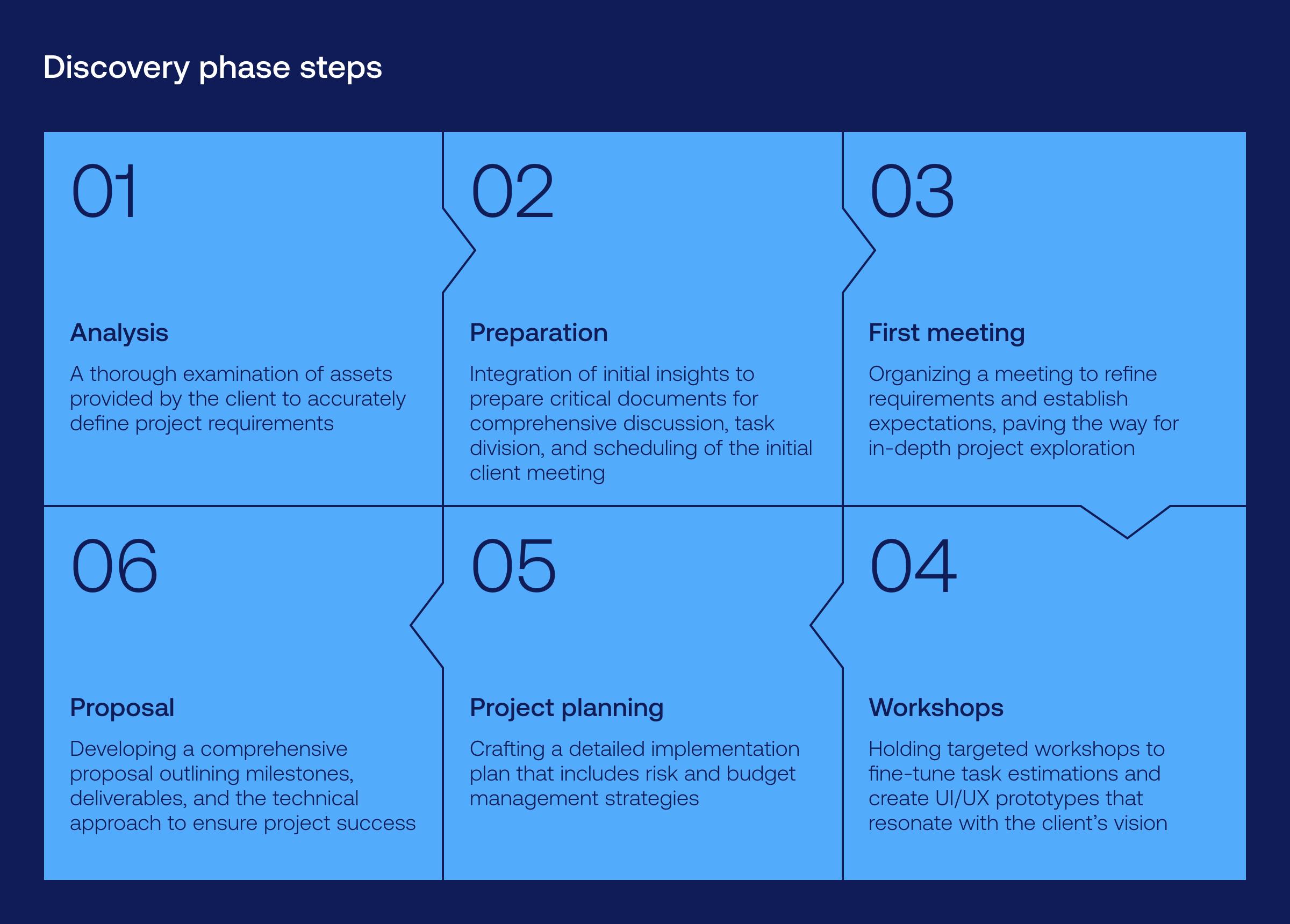
Credit: ventionteams.com
Defining the project scope is a crucial step in requirement gathering. It sets clear limits for what the project will address. This clarity helps avoid confusion later. It guides the team and stakeholders on what to expect. A well-defined scope keeps the project focused and manageable. It also prevents scope creep, which can delay or derail a project.
Start by setting clear boundaries for the project. Decide what the project will cover and what it will not. This helps keep the work focused and on track. Boundaries protect resources and time from being wasted on unrelated tasks. It also helps the team understand their responsibilities. Boundaries create a shared understanding among all stakeholders.
List what is included in the project scope. These are the features, tasks, and outcomes the project will deliver. Then, clearly state what is excluded. Exclusions help avoid misunderstandings about project limits. They show what is outside the project’s responsibility. This clarity reduces conflicts and scope creep. Everyone knows what to expect and what not to expect.
Analyzing requirements is a critical step in the requirement gathering framework for custom projects. This phase ensures the gathered information is clear, complete, and ready for use. Careful analysis helps avoid misunderstandings that can cause delays or extra costs. It also prepares the project team to address potential problems early.
During analysis, focus on refining the requirements. Check every detail to confirm it makes sense and supports project goals. This process involves clarifying vague points, resolving conflicts, and identifying any missing elements. Proper analysis leads to a solid foundation for designing and developing the final product.
Clear and complete requirements reduce confusion among team members. Each requirement should be easy to understand and detailed enough to guide development. Avoid using technical jargon or complex sentences. Break down large requirements into smaller parts to improve clarity. Verify that all necessary information is included to avoid gaps later.
Ambiguous requirements cause misunderstandings and errors. Identify words or phrases that have multiple meanings. Ask stakeholders to explain unclear points. Rewrite ambiguous statements into precise and straightforward language. Confirm interpretations with stakeholders to ensure everyone agrees on the meaning.
Edge cases are unusual or rare scenarios that might affect the project. Think about how the system behaves in these situations. Include requirements that handle exceptions and special conditions. Testing these cases early helps build a robust and reliable product. Ignoring edge cases can lead to failures after deployment.
Prioritizing requirements is a key step in custom project development. It helps focus on what matters most. This process ensures resources target high-value tasks. Clear priorities reduce confusion and speed up delivery. Below are three ways to prioritize requirements effectively.
Start by listing all stakeholders involved in the project. Understand their needs and expectations clearly. Assign higher priority to requirements that benefit more stakeholders. Consider the influence and interest of each stakeholder. This approach ensures the project delivers value to the right people.
Review each requirement to check if it is technically possible. Consider current technology and team skills. Identify any risks or challenges in implementation. Prioritize feasible requirements to avoid delays or extra costs. This step saves time and keeps the project realistic.
Analyze how each requirement affects the business goals. Look at potential revenue, cost savings, or market advantage. Focus on requirements that drive strong business results. This helps align the project with company objectives. It ensures the project supports overall business success.
Validating requirements with stakeholders is a crucial step in custom project development. This phase ensures the project goals meet everyone’s expectations. It prevents costly changes during later stages. Stakeholders confirm that the documented needs are accurate and complete. Their input helps avoid misunderstandings and missing details.
Clear communication builds trust and aligns the team. Validation also helps prioritize features based on real business value. This step reduces risks and sets a strong foundation for successful delivery.
After gathering and analyzing data, refine the requirements carefully. Make them clear, concise, and easy to understand. Present the refined list to stakeholders for review. Use simple language and avoid technical jargon. This helps stakeholders grasp the project scope quickly.
Encourage stakeholders to read and examine each requirement. Check for completeness and relevance. Confirm that all important needs are included. Identify and remove any duplicates or conflicting points. This review ensures the project stays on the right track.
Collect feedback from all stakeholders after the review session. Ask for their opinions on whether the requirements meet their expectations. Listen carefully to concerns and suggestions. Address any doubts or unclear points immediately.
Make necessary adjustments based on the feedback. Update the requirements document to reflect changes. Share the revised version again for confirmation. Repeat this process until stakeholders agree on the final list. This collaborative approach leads to a well-defined and agreed-upon project plan.
Documenting requirements is a vital step in the requirement gathering framework for custom projects. It captures all the agreed-upon needs clearly and formally. This step ensures everyone involved in the project understands what to build and why. Proper documentation reduces confusion and keeps the project on track.
Start by writing down all validated requirements in a clear, organized format. Use simple language that all stakeholders can understand. Include details like functionality, constraints, and business rules. Use templates or tools to standardize the documentation. Formal records serve as a reference throughout the project lifecycle.
These documents help avoid misunderstandings later. They provide a single source of truth for developers, testers, and managers. Make sure the document is accessible and easy to update as changes arise. Keep the tone professional and precise to maintain clarity.
Traceability links requirements to their origins and related project elements. Track each requirement from its source, such as stakeholder input or business goals. This helps verify that all needs are addressed and no important details are missed.
Use traceability matrices or software tools to connect requirements with design, development, and testing stages. This practice makes it easier to manage changes and assess impact. Maintaining traceability also supports project audits and quality assurance. It ensures the project delivers what stakeholders expect.
Obtaining approval marks a critical milestone in the requirement gathering process. It confirms that all stakeholders agree on the project’s direction. This step ensures no misunderstandings before development begins. Approval also helps secure necessary resources and support for the project.
Present the finalized requirements clearly and concisely. Use simple visuals or summaries to explain the scope and goals. Allow time for questions and feedback. Address concerns promptly to build confidence. This meeting ensures everyone understands and agrees on the project details.
Gather formal approval through signatures or documented consent. This step legally confirms stakeholders’ agreement with the requirements. Keep records of all approvals for accountability and future reference. Official sign-off prevents scope changes without proper review. It signals readiness to proceed to the next project phase.

Credit: www.mindinventory.com
The five stages of requirement gathering are: identify goals and stakeholders, elicit and collect requirements, analyze and refine them, prioritize and validate requirements, and document and approve the final list.
The 7 steps in requirement analysis are: define goals, identify stakeholders, gather information, define scope, analyze requirements, prioritize and validate, then document and approve.
Identify project goals and stakeholders clearly. Collect requirements using interviews and observations. Analyze and prioritize needs. Validate with stakeholders. Document and get formal approval before development.
The five techniques for requirement gathering are interviews, surveys, workshops, observations, and document analysis. These methods help collect accurate project needs from stakeholders.
Following a clear requirement gathering framework guides custom projects smoothly. Start by defining goals and involving all key stakeholders early. Use simple tools like interviews and observations to collect needs. Analyze and refine these needs for clarity and completeness. Prioritize and validate requirements with everyone involved to avoid confusion.
Finally, document and get formal approval to set a solid foundation. This step-by-step approach reduces risks and aligns the team’s vision. It helps deliver projects that meet expectations and run on time. Keep this framework handy for any custom project success.





Leave A Reply Now