


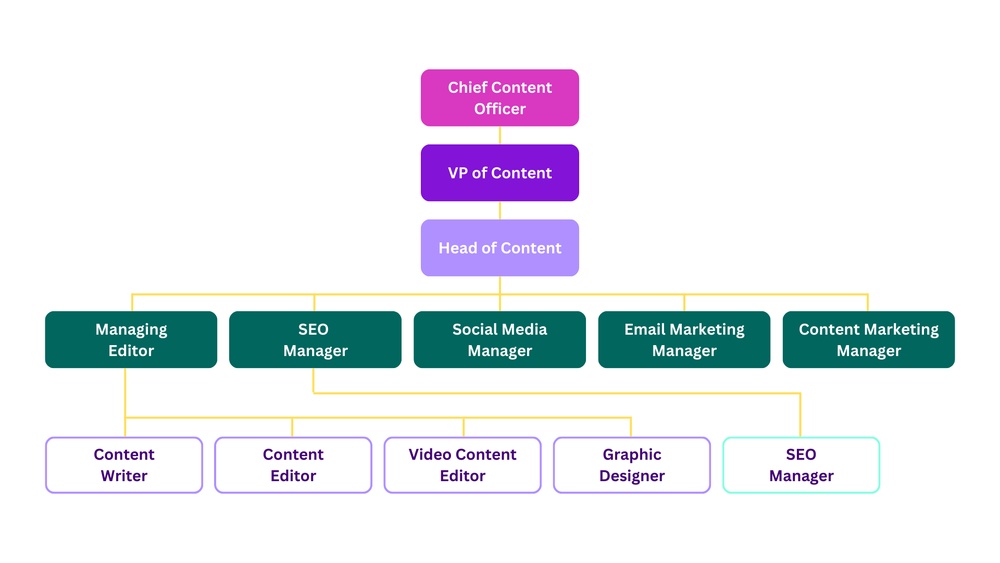
Hiring your first team members can feel like a huge step—and it is. Whether you’re bringing on a designer, editor, marketer, or project manager, each role plays a key part in turning your vision into reality.
But how do you decide who to hire first? What skills should they bring? And how can you make sure they fit your company’s unique needs? You’ll discover clear, practical advice to help you build a strong foundation for your team.
Keep reading, because the right hires now will shape your success for years to come.
Choosing your first team members shapes your startup’s future. Each person plays a key role in growth and daily operations. Early hires must fit the company’s needs and culture. This step requires careful thought and clear priorities. Focus on roles that bring immediate value and long-term potential. The right team helps build a strong foundation for success.
Start by defining essential roles for your startup. A Designer creates visuals that attract and engage users. An Editor ensures content is clear, accurate, and on brand. The Marketer drives customer awareness and sales growth. A Project Manager (PM) keeps projects on track and teams coordinated. These roles cover creative, promotional, and operational needs.
Evaluate what your startup needs most right now. New products might need a strong designer and PM to launch quickly. Content-heavy startups rely on skilled editors and marketers. Budget limits force tough choices on who to hire first. Prioritize roles that solve urgent challenges and support growth. Reassess priorities often as your startup evolves.
Look beyond skills to find team members who share your values. A good culture fit builds trust and motivation. Skills can grow, but attitude and work ethic matter most. Seek people who communicate well and adapt easily. Hire those excited about your mission and willing to learn. Strong culture and skills together create a winning team.
Credit: resumeworded.com
Hiring a designer is a key step in building your first team. A skilled designer shapes your brand’s look and feel. They create visuals that attract and engage customers. Choosing the right designer means balancing creativity with practical skills. Understanding what to look for helps you find someone who fits your needs and vision.
Strong design skills include creativity and technical ability. A designer should know color theory, typography, and layout principles. Experience with design software like Adobe Photoshop and Illustrator is important. Knowledge of user experience (UX) design adds value. The ability to create consistent branding across platforms is crucial. Communication skills help designers understand and deliver your ideas clearly.
Review a designer’s portfolio carefully. Look for variety and quality in their work. Check if their style matches your brand’s tone and audience. Ask about their role in each project. Experience in your industry can be a plus. Request references or client feedback to confirm reliability and professionalism. A good portfolio shows problem-solving and attention to detail.
In-house designers are part of your daily team. They deeply understand your brand and culture. This leads to faster revisions and close collaboration. Freelance designers offer flexibility and often lower costs. They work on specific projects without long-term commitments. Choose in-house for ongoing work and brand consistency. Select freelancers for short-term or specialized tasks. Assess your budget and project needs before deciding.
Bringing on an editor is a crucial step for any growing team. An editor ensures your content is clear, accurate, and engaging. They help shape the voice of your brand and maintain quality across all materials.
Choosing the right editor means understanding their skills and how they fit into your content strategy. Their work impacts not just writing but also branding and messaging.
An editor must have strong editorial skills. They review and improve grammar, style, and flow. Editors also help plan content calendars and themes. This makes sure your content meets audience needs and business goals. Their input guides writers to stay on message and tone.
Look closely at an editor’s ability to spot errors and inconsistencies. Quality editing means catching mistakes before publishing. It also means improving readability and engagement. Test their skills with sample content to judge their precision. A good editor balances correction with preserving the writer’s voice.
Editors shape how your brand speaks to customers. They keep messaging consistent across all channels. This consistency builds trust and recognition over time. Editors adapt content to fit different platforms and audiences. Their role is vital to creating a strong, clear brand identity.
Credit: www.lennysnewsletter.com
Recruiting a marketer is a vital step for any startup. This role drives your brand’s visibility and customer engagement. A good marketer builds strategies that attract and retain customers. The right hire can increase your sales and grow your business.
Choosing the correct marketing talent shapes your company’s future. You need someone who understands your market and can adapt quickly. Early-stage startups need marketers who can wear many hats and work with limited resources.
A marketer handles many tasks in a startup. They plan campaigns, manage social media, and create content. They analyze market trends and customer data. Branding, lead generation, and email marketing are also part of their work. Some marketers focus on SEO and paid ads. Others handle public relations and partnerships. The role is broad but essential for growth.
Junior marketers bring fresh ideas and lower costs. They need guidance but can grow with your company. Senior marketers have experience and strategic skills. They can lead projects and mentor others. Consider your budget and goals before hiring. Startups with tight budgets may prefer juniors. If you need quick results, seniors may be better. Balance skills, cost, and company culture when deciding.
Early-stage startups need marketers with diverse skills. They should know digital marketing, content creation, and analytics. Strong communication and creativity are important. The ability to work independently and multitask helps. Experience with social media and email campaigns is a plus. Basic knowledge of SEO and paid ads is useful. A startup marketer must be flexible and eager to learn.
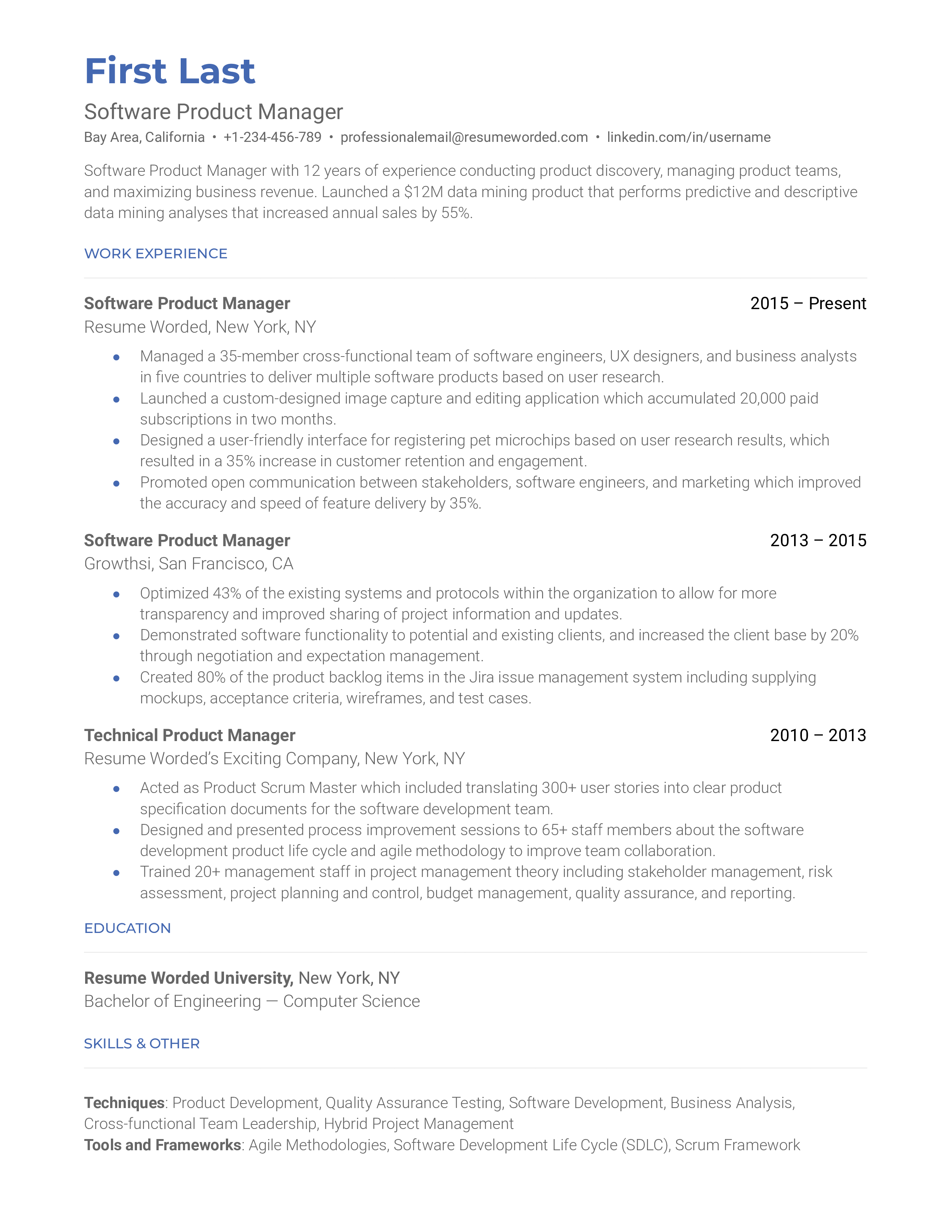
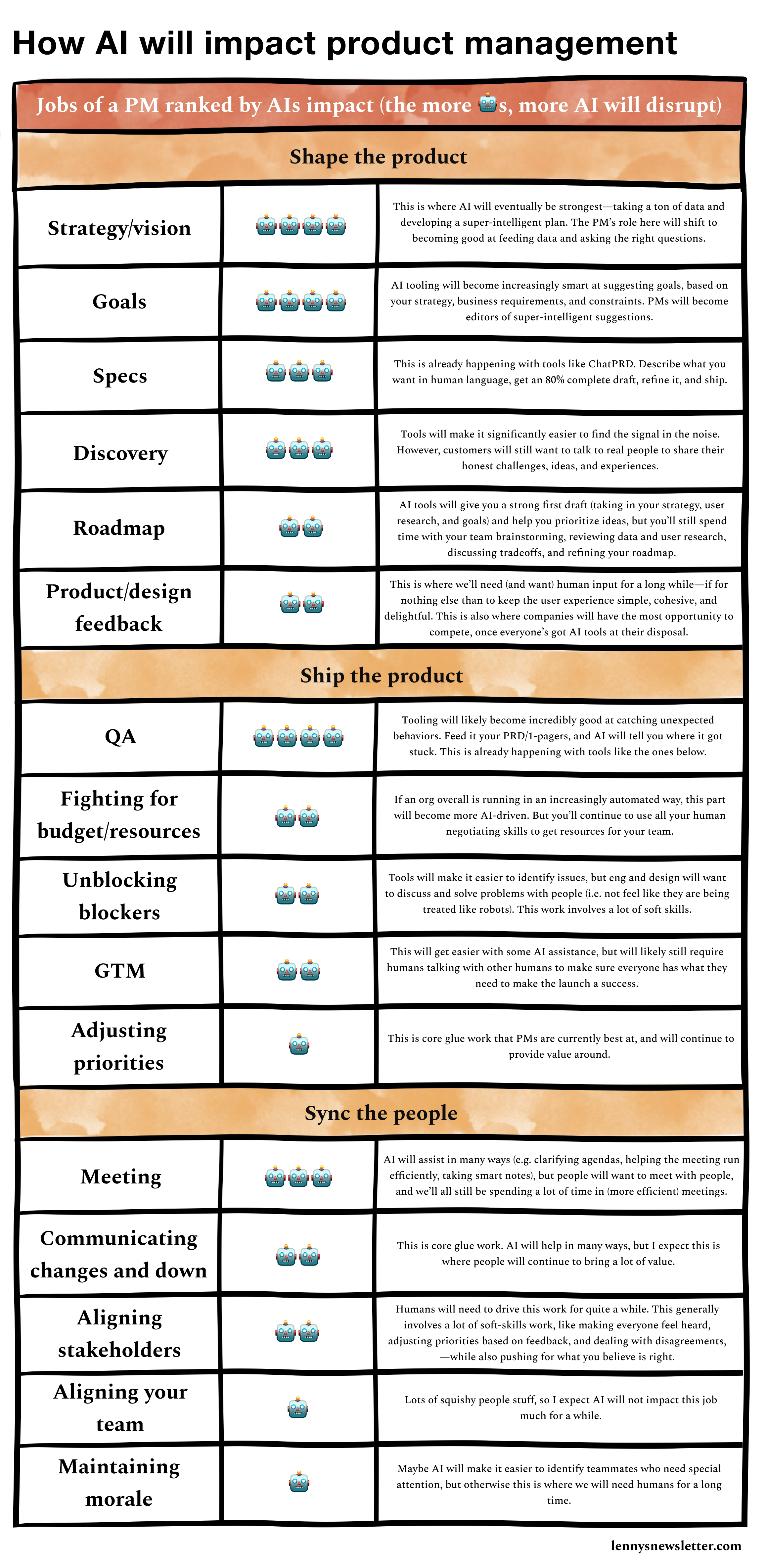
Hiring a Product Manager (PM) is a crucial step for startups and growing businesses. A PM helps turn ideas into products that customers want. They manage the product life cycle from start to finish. This role connects the team and drives product success.
A Product Manager defines the product vision and strategy. They gather customer feedback and analyze market trends. PMs work closely with designers, developers, and marketers. They prioritize features based on business goals and user needs. The PM also tracks progress and adjusts plans as needed.
Hire a PM when your product grows complex. If your team struggles to decide what to build next, it is time. A PM brings focus and clear direction. They help avoid wasted work and missed deadlines. Adding a PM early can save time and money later.
Great PMs understand both business and technology. They speak the language of engineers and executives. This skill helps them translate customer needs into technical solutions. Look for candidates with experience in your industry. Choose those who can lead teams and solve problems fast.
Hiring your first team members requires clear strategies to find the right fit. Effective hiring saves time and builds a strong foundation. Focus on sourcing, interviewing, and onboarding to set your team up for success.
Start by defining the skills and roles you need. Use job boards, social media, and professional networks to find candidates. Reach out personally to potential hires. Clear job descriptions attract better applicants. Highlight the benefits and culture of your company. Use referrals from trusted contacts to find quality candidates faster.
Prepare questions that reveal skills and attitude. Use real work scenarios to test problem-solving. Ask about past experiences related to the role. Look for candidates who fit your company values. Keep interviews conversational to make candidates comfortable. Take notes and compare answers objectively.
Create a simple onboarding plan covering tools and processes. Introduce new hires to the team and company goals. Set clear, achievable expectations from day one. Provide necessary training and support early on. Encourage questions and feedback to improve the process. Regular check-ins help track progress and adjust goals.
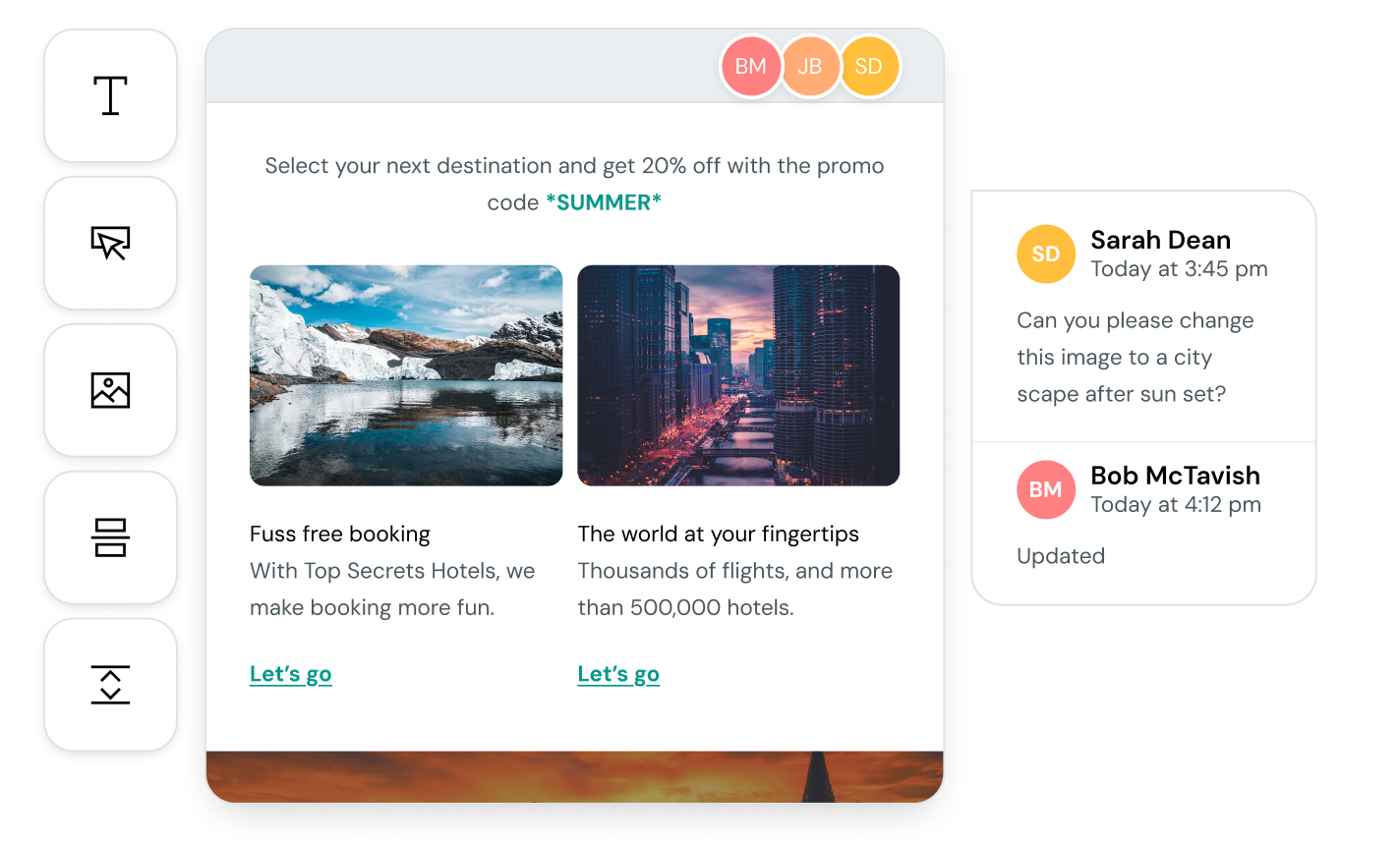
Building a collaborative team is essential for success in any startup. A strong team combines diverse skills like design, editing, marketing, and project management. Collaboration drives creativity and efficiency. It helps the team overcome challenges and reach goals faster. Creating a culture of cooperation and respect sets a solid foundation.
Open communication builds trust among team members. Everyone should feel safe sharing ideas and feedback. Regular meetings keep everyone informed and aligned. Use simple tools like chat apps and video calls to stay connected. Encourage active listening and respect different opinions. Trust grows when promises are kept and support is mutual.
Clear goals guide the team’s efforts. Discuss the company vision often and make sure everyone understands it. Set achievable milestones that link to the bigger picture. Each member should see how their work contributes to success. Alignment reduces confusion and boosts motivation. It helps the team stay focused on common objectives.
Many teams now work both remotely and in the office. Balance flexibility with clear expectations. Use technology to bridge the distance and keep communication smooth. Schedule regular check-ins to maintain connection and progress. Respect time zones and work styles. Clear roles and responsibilities help avoid misunderstandings in mixed teams.
Credit: www.mailjet.com
Budgeting for your first hires is a critical step in building a strong team. It helps you plan expenses and avoid surprises. Understanding costs allows you to manage funds wisely from the start.
Early hiring decisions affect your business growth and cash flow. Allocating the right budget ensures you attract skilled professionals without overspending. Careful planning balances your financial health and team quality.
Knowing average salaries for each role guides your budgeting. A designer’s pay differs from an editor or marketer. Project managers often command higher salaries due to their responsibilities.
Research local salary trends and industry standards. This data helps you offer competitive pay that attracts talent. Adjust salaries based on experience and skill levels to fit your budget.
Consider hiring freelancers or part-time staff for specific tasks. This reduces fixed costs while meeting project needs. Interns or junior employees offer budget-friendly options with growth potential.
Use online job platforms to reach a wider pool of candidates quickly. Remote work options can also lower expenses by expanding your hiring radius. Focus on roles critical to immediate business goals.
Quality hires drive business success but may require higher pay. Prioritize roles that impact product and customer experience the most. Set clear expectations to avoid costly hiring mistakes.
Invest in training to improve skills internally rather than hiring only experts. Evaluate candidates beyond salary demands, looking for cultural fit and motivation. A balanced approach ensures sustainable team growth.
The 70 rule of hiring suggests selecting candidates who meet at least 70% of the job requirements. This balances skill fit and potential. It helps startups hire effectively without waiting for perfect matches, speeding up team growth and reducing hiring delays.
Hiring a marketing team typically costs between $3,000 and $15,000 per month. Costs vary by team size and expertise.
Startups need key positions like CEO, CTO, CMO, product manager, marketer, designer, and sales lead to grow effectively.
A marketing team typically includes a marketing manager, SEO specialist, content marketer, data analyst, brand strategist, public relations manager, visual designer, and website developer.
Building your first team takes clear goals and smart choices. Focus on skills that match your business needs. Choose team members who communicate well and work together. Start small, then grow your team step by step. A strong designer, editor, marketer, and project manager make a good foundation.
Keep learning and adjusting as your team evolves. This approach helps your startup succeed over time.







Leave A Reply Now