


Managing your inventory doesn’t have to be a headache. Imagine knowing exactly what stock to keep, when to reorder, and how to avoid costly mistakes like overstocking or running out of popular items.
Smart inventory control means you can save money, boost your profits, and keep your customers happy—all at the same time. You’ll discover simple, effective ways to take control of your stock, streamline your processes, and make smarter decisions that grow your business.
Ready to turn your inventory into one of your biggest assets? Let’s dive in.

Credit: www.fastercapital.com
Stock prioritization is essential for smart inventory control. It helps businesses focus on products that drive profit. Prioritizing stock means deciding which items need more attention and resources. This approach saves money and boosts sales.
By prioritizing stock, you reduce the risk of running out of popular products. You also avoid holding too much slow-moving inventory. Managing inventory this way improves cash flow and customer satisfaction.
High-value products bring the most profit and demand. Identify these by analyzing sales data regularly. Look for items with high turnover and good margins.
Focus your efforts on keeping these products in stock. Avoid stockouts to maintain steady sales. Use inventory software to track and forecast demand for these items.
Classify products using ABC analysis. “A” items are your top performers. Monitor them closely to optimize stock levels. This prevents lost sales and excess inventory.
Less profitable items need careful management to avoid losses. Identify slow-moving or low-margin products in your inventory. Consider reducing their stock levels.
Use strategies like bundling or promotions to increase sales of these items. If certain products do not justify their cost, think about discontinuing them.
Properly managing these items frees up capital. It also makes room for higher-value stock. Regular reviews help keep your inventory balanced and efficient.
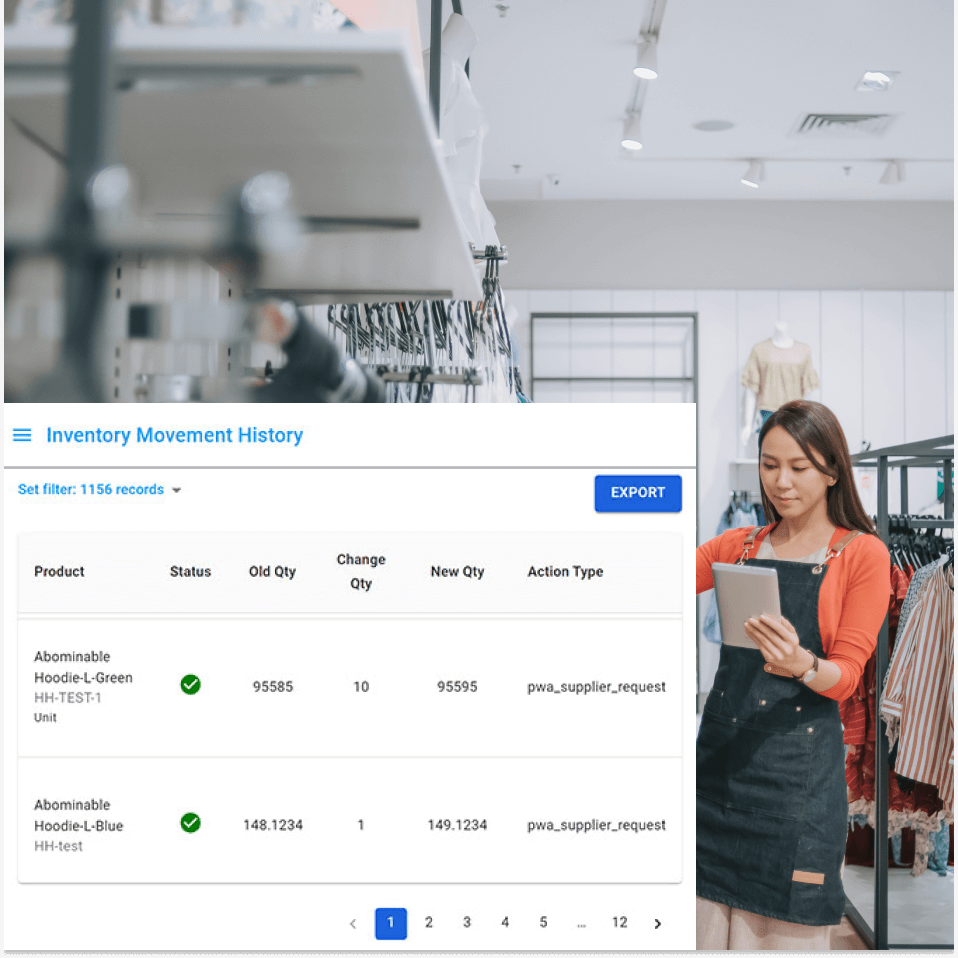
Credit: www.magestore.com
Optimizing inventory levels is key to smart stock management. It ensures that businesses maintain just the right amount of products. This balance helps reduce costs and meet customer needs effectively. Proper inventory optimization prevents tying up too much cash in stock. It also avoids losing sales due to unavailable items. Achieving this balance requires constant monitoring and adjustment.
Keeping stock aligned with demand is crucial. Overstocking ties up money and storage space. Understocking leads to missed sales and unhappy customers. Analyze sales trends regularly to predict demand accurately. Use historical data and market insights to guide stock decisions. Adjust inventory levels based on seasonal changes and promotions. This approach helps maintain the right stock volume.
Stockouts can damage your brand and lose customers. Overstocking increases storage costs and risks product waste. Set reorder points to trigger timely restocking. Use inventory software to track stock in real time. Implement safety stock to cover unexpected demand spikes. Regular audits help identify slow-moving items to reduce excess. These steps reduce the chances of stock imbalances.
Effective inventory management techniques help businesses keep the right amount of stock. Proper methods reduce costs, improve cash flow, and increase customer satisfaction. Using smart strategies ensures products are available when customers need them. Here are key inventory management techniques that simplify stock control and boost efficiency.
ABC Analysis divides inventory into three groups: A, B, and C. “A” items are the most valuable and need close monitoring. “B” items have moderate value and require regular checks. “C” items are low value and managed with simpler controls. This technique helps prioritize resources and focus on important products.
JIT inventory reduces stock levels by ordering goods only as needed. This method lowers storage costs and limits waste. It requires strong supplier relationships and accurate demand forecasting. JIT keeps inventory lean and responsive to market changes.
EOQ calculates the ideal order size to minimize total inventory costs. It balances ordering costs and holding costs for optimal stock levels. Using EOQ helps prevent overstocking and stockouts. This formula guides purchasing decisions based on demand and expenses.
FIFO ensures older stock is sold before newer items. This method reduces spoilage and obsolescence. FIFO is common in industries with perishable goods. It keeps inventory fresh and maintains product quality for customers.
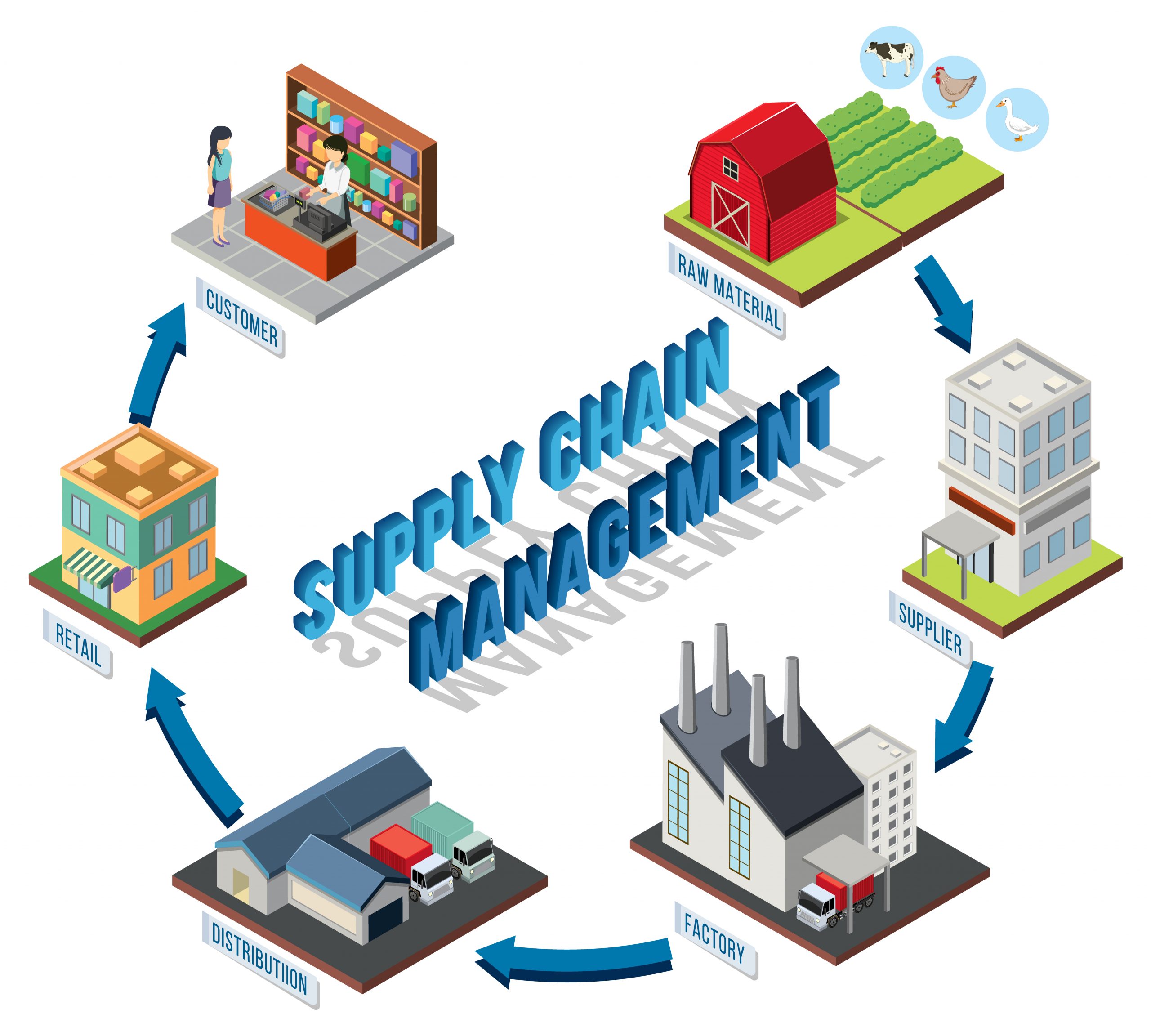
Credit: eswap.global
Technology plays a key role in smart inventory control. It makes stock management easier and more accurate. Using the right tools reduces errors and saves time. Businesses can keep track of products in real time. This helps avoid overstock and shortages. Technology also supports decision-making by providing clear data.
Inventory management software helps track stock levels and orders. It shows which products sell fast and which stay longer. The software can alert managers when items need restocking. It stores data on sales, suppliers, and shipments. This makes it simple to analyze trends and plan purchases. Many software options offer easy interfaces and mobile access.
Automation reduces manual work in inventory control. Tasks like updating stock counts happen automatically. Integration connects inventory software with sales and accounting systems. This ensures data flows smoothly between departments. Automation improves accuracy and speeds up processes. It also helps maintain consistent stock records across platforms.
Improving forecasting plays a key role in managing inventory smartly. Accurate forecasts help keep stock levels balanced. This means less waste and fewer missed sales. Businesses can prepare better for demand changes. Forecasting also supports smarter purchasing and storage decisions. The goal is to match supply with customer needs closely.
Sales data reveals patterns in customer buying habits. Look at past sales to predict future demand. Track which products sell fast and which do not. Use this data to plan stock orders more wisely. Regular analysis helps spot sudden changes in demand early. It also shows which products need more attention.
Seasonality affects product demand at different times. Some items sell more during holidays or certain months. Recognize these trends to avoid overstock or shortages. Adjust inventory levels before these peak periods. Watch for new trends that can boost or reduce sales. Staying updated helps keep stock aligned with market shifts.
Supplier collaboration plays a vital role in smart inventory control. It helps maintain steady stock levels and reduces supply chain issues. Working closely with suppliers leads to better communication and trust. This cooperation ensures timely deliveries and quality products. Smart stock management depends on strong partnerships with suppliers.
Strong supplier relationships start with clear communication. Share your inventory needs and sales forecasts openly. Trust develops when both sides understand each other’s goals. Regular meetings help address problems before they grow. Treat suppliers as partners, not just vendors. This approach encourages flexibility and support during busy periods.
Vendor-Managed Inventory lets suppliers manage your stock levels. They monitor your inventory and replenish items as needed. This reduces the risk of stockouts and overstocking. VMI improves efficiency by cutting down ordering time. It also helps suppliers better plan their production. Both parties benefit from smoother inventory flow and lower costs.
Profit maximization is the main goal of smart inventory control. Managing stock well helps increase earnings and reduce costs. Using smart strategies ensures you sell more and waste less. These methods improve cash flow and keep your business healthy.
Focusing on profit maximization means prioritizing products and sales techniques that boost income. It also means cutting down losses from unsold or slow-moving items. Below are two key strategies to help increase your profits effectively.
Bundling means selling multiple products together as a package. It encourages customers to buy more at once. This strategy increases the average sale value and moves inventory faster.
Upselling involves offering a higher-end product or add-ons. It persuades customers to spend more than planned. Both bundling and upselling raise profits without needing more customers.
Use bundles that make sense to customers. Offer related items or popular combinations. Train your sales team to suggest upgrades or extras. These small changes can grow your revenue steadily.
Slow-moving stock ties up money and space. It can lead to losses if items become obsolete. Cutting these items frees resources for better sellers.
Regularly review your inventory to spot slow movers. Analyze sales data to find products that rarely sell. Remove these items from your stock or reduce their quantities.
This approach improves cash flow and reduces storage costs. It also helps focus on products that customers want. A lean inventory means higher profits and less waste.
Regular auditing and reviews are essential for smart inventory control. They help keep stock accurate and manageable. Frequent checks reduce errors and prevent stockouts or overstock. This process ensures that your inventory data reflects the real stock on hand. Regular reviews also highlight trends and issues early. This way, you can act quickly and avoid losses.
Cycle counting means counting small sections of inventory regularly. This method avoids the need for a full stock take. It saves time and reduces disruption to daily operations. Choose products to count based on their value or sales frequency. Count high-value or fast-moving items more often. Record the counts carefully and compare them to system data. Investigate and fix any differences immediately. Cycle counting keeps stock data reliable and up-to-date.
Deadstock refers to items that do not sell or move. These products tie up money and space. Regular reviews help find deadstock early. Look for items not sold over a set period. Mark these products clearly in your inventory system. Plan how to handle deadstock: discounts, bundles, or removal. Removing deadstock frees up space and improves cash flow. Regularly identifying deadstock keeps inventory lean and profitable.
Managing cash flow is vital for any business with inventory. Cash tied up in stock limits funds available for other needs. Efficient inventory control helps maintain healthy cash flow and business stability.
Proper cash flow management reduces financial stress. It ensures enough money to pay bills, invest in growth, and handle unexpected costs. Smart stock management links directly to better cash flow.
Holding too much stock uses up cash that could be used elsewhere. Excess inventory increases storage costs and risks of damage or obsolescence. Reducing stock levels frees up money for other business areas.
Identify slow-moving items and avoid overbuying. Use just-in-time inventory to order goods closer to sales time. This approach lowers the amount of money stuck in unsold products.
Stock levels should match customer demand accurately. Overstocking wastes cash and space, while understocking causes lost sales. Analyze sales trends to forecast demand and adjust inventory accordingly.
Use inventory software to track real-time sales and stock data. Align purchasing with actual sales patterns to maintain optimal inventory. This balance supports steady cash flow and improves customer satisfaction.
The 80/20 rule in inventory management means 20% of products generate 80% of sales. Focus on these top items to optimize stock and profits.
The golden rule of stock control is to balance reorder quantity and frequency to minimize costs while ensuring profitability and growth. Automate processes and stay organized consistently to achieve efficient inventory management.
Use inventory management software to track stock in real-time. Conduct regular audits and apply ABC analysis. Improve demand forecasting and maintain strong supplier relationships. Automate reorder processes to prevent stockouts and reduce excess inventory.
Manage stock effectively by using inventory software, performing regular stock reviews, prioritizing high-value items, setting reorder limits, and improving demand forecasting. Maintain accurate records and automate restocking to avoid shortages and excess. Focus on supplier relationships and implement ABC analysis for better stock control.
Smart inventory control keeps your business running smoothly. Track stock levels often to avoid shortages or excess. Focus on high-demand products to meet customer needs. Use simple tools to monitor sales and reorder points. Adjust stock based on real data, not guesswork.
Clear organization helps reduce waste and save money. Keep reviewing your system to improve over time. Good stock management supports steady growth and happy customers. Small steps lead to smarter, more efficient inventory control.







Leave A Reply Now