



Managing supplier relationships can feel overwhelming, but it doesn’t have to be. You rely on suppliers every day, and how you work with them directly impacts your business success.
Imagine turning routine transactions into strong partnerships that boost reliability, cut costs, and spark innovation. What if you could build trust, improve communication, and align goals so both you and your suppliers win? This article will show you simple, effective ways to manage your supplier relationships smarter—helping you create lasting value and stay ahead of the competition.
Keep reading to discover how to transform your supplier connections into powerful business assets.
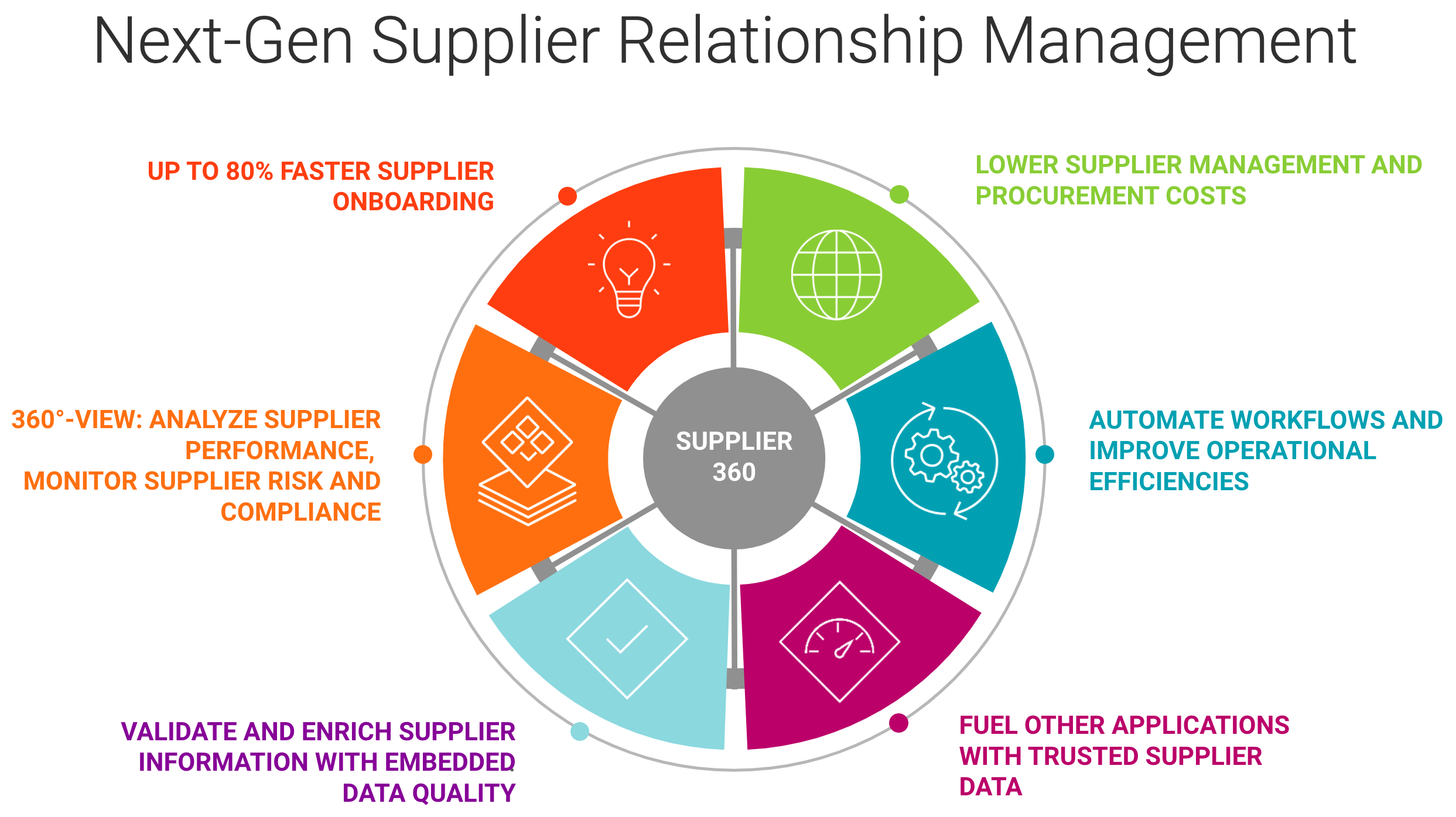
Credit: www.informatica.com
Supplier segmentation is a crucial step in managing supplier relationships effectively. It involves grouping suppliers based on their impact and value to your business. This process helps allocate resources wisely and tailor communication and collaboration efforts.
Segmenting suppliers allows companies to focus on strategic partnerships and optimize procurement processes. It ensures that critical suppliers receive the attention they need while managing less vital suppliers efficiently.
Start by analyzing each supplier’s role and contribution to your business. Common categories include strategic, bottleneck, leverage, and transactional suppliers. Strategic suppliers provide high value and are essential for business success. Bottleneck suppliers may cause supply risks due to limited availability. Leverage suppliers offer cost advantages through competition. Transactional suppliers are low-risk and easy to replace.
Use data such as spend analysis, risk assessment, and supplier performance to classify suppliers. Clear categorization helps in setting priorities and deciding the level of engagement for each group.
Strategic suppliers deserve focused attention and long-term collaboration. Build strong partnerships by sharing goals and aligning strategies. Regular communication and joint problem-solving improve reliability and innovation. Invest in supplier development to enhance quality and reduce risks.
Prioritize these suppliers in contract negotiations and performance reviews. Recognizing their value fosters trust and mutual growth. This approach leads to better supply chain stability and competitive advantage.
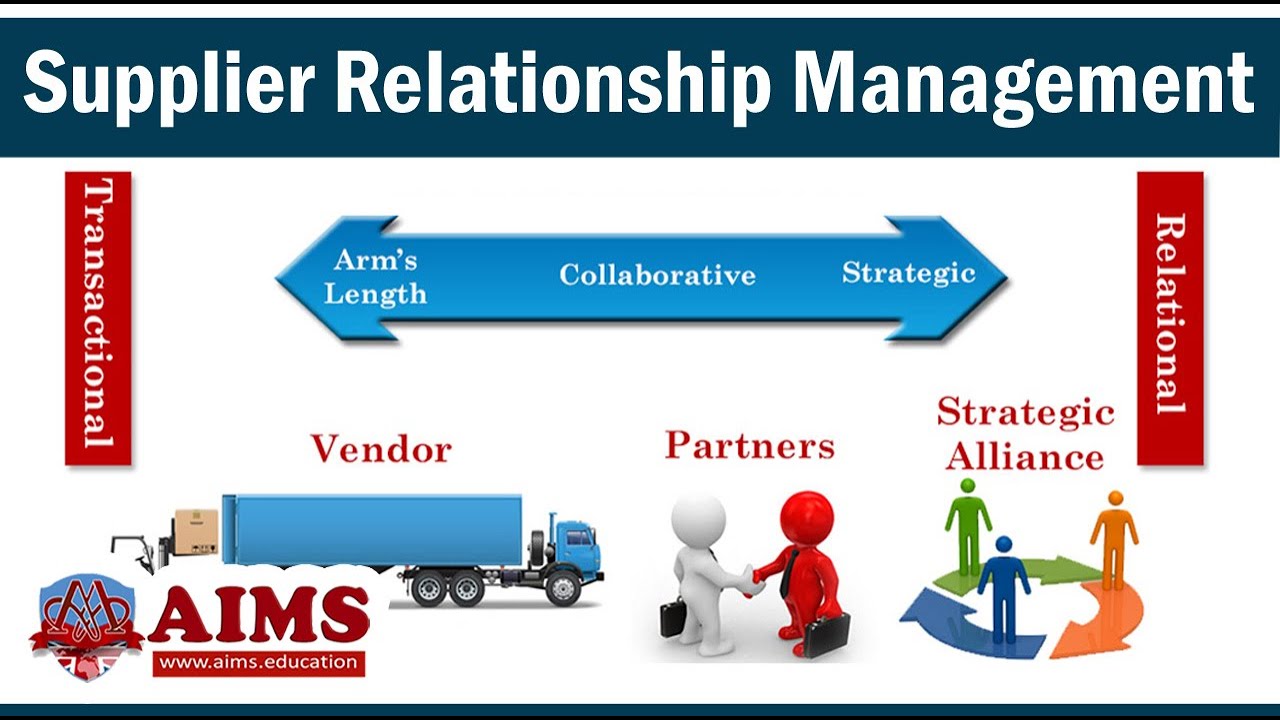
Credit: www.youtube.com
Developing engagement strategies is essential for managing supplier relationships effectively. It helps create strong partnerships that benefit both parties. Good strategies improve communication, build trust, and align goals. This leads to better performance and long-term success.
Each supplier is different. Engagement strategies must match their role and value. By customizing approaches, companies can optimize interactions and results. Setting clear, shared objectives guides cooperation and measures progress.
Classify suppliers into types like strategic, transactional, or bottleneck. Each type needs a unique engagement style. Strategic suppliers require close collaboration and frequent communication. Transactional suppliers benefit from clear contracts and efficient processes. Bottleneck suppliers need risk management and backup plans. Tailored approaches save time and improve outcomes.
Agree on goals that support both parties’ success. Objectives should be clear, measurable, and realistic. Focus on quality, delivery, cost, and innovation targets. Mutual goals build trust and encourage joint problem-solving. Regular reviews keep the partnership on track and allow adjustments.
Building trust and communication forms the foundation of strong supplier relationships. Trust reduces risks and creates a reliable partnership. Clear communication avoids misunderstandings and keeps all parties aligned. Together, trust and communication help both sides meet goals efficiently.
Open dialogue encourages honesty and transparency. Share challenges and successes freely. Listen carefully to supplier concerns without judgment. This builds a sense of teamwork and respect. Regular conversations keep both sides informed and connected. Open dialogue also uncovers hidden opportunities and solves problems quickly.
Feedback loops create a continuous flow of information. Provide timely and constructive feedback on performance. Ask suppliers for their input on processes and products. Use feedback to improve quality and delivery speed. This cycle strengthens trust and shows commitment to growth. Feedback loops turn communication into action and better results.
Performance monitoring is vital in managing supplier relationships. It ensures suppliers meet expectations and deliver value consistently. Tracking supplier performance helps identify issues early and supports better decision-making. It also fosters accountability and transparency between businesses and suppliers.
Tracking clear and relevant metrics provides insight into supplier performance. Common metrics include delivery time, quality of goods, and cost compliance. Monitor order accuracy and responsiveness to communication. Measuring these helps assess reliability and efficiency. Consistent data collection ensures accurate supplier evaluations.
Data from performance metrics highlights areas needing improvement. Share feedback with suppliers to encourage better results. Use data trends to adjust strategies and processes. Continuous improvement builds stronger partnerships and reduces risks. Focus on collaboration to solve problems and enhance value.
Collaborative partnerships with suppliers create stronger, more reliable business connections. These partnerships focus on trust, transparency, and shared goals. They help businesses improve efficiency and respond faster to market changes. By working closely, companies and suppliers achieve better results together.
Supplier relationships should not be just about buying and selling. Treating suppliers as partners builds trust and loyalty. This approach encourages open communication and problem solving. It leads to smoother operations and fewer disruptions. Both sides benefit from understanding each other’s needs and challenges.
Long-term partnerships create stability. Companies can plan better and reduce risks. Suppliers feel valued, which improves their service and quality. This mindset changes the focus from short-term gains to lasting success.
Collaborative partnerships open doors to new ideas and improvements. Suppliers often have unique insights about materials, technology, or processes. Sharing knowledge sparks innovation and helps develop better products.
Working side by side allows quick testing and feedback. This speeds up product development and reduces costs. Joint innovation strengthens the supply chain and keeps businesses competitive.
Innovation in supplier relationships also improves sustainability. Partners can explore eco-friendly solutions and reduce waste. Together, they create value that benefits everyone involved.
Risk management plays a vital role in managing supplier relationships. It helps protect businesses from unexpected problems in the supply chain. By understanding risks early, companies can avoid costly delays and losses.
Effective risk management strengthens trust between businesses and suppliers. It creates a more stable and reliable supply chain. This section explains how to identify potential risks and reduce supply chain disruptions.
Start by analyzing all suppliers and their roles in the supply chain. Look for risks like financial instability, poor quality, or delivery delays. Consider external factors such as political issues, natural disasters, or market changes.
Use data and past performance to spot patterns that may signal future problems. Regularly communicate with suppliers to uncover hidden risks. Early identification helps prepare better responses and limits damage.
Build contingency plans to handle supplier failures or delays. Diversify suppliers to avoid dependence on one source. Maintain safety stock or buffer inventory to cover unexpected shortages.
Keep open communication channels with suppliers for quick problem-solving. Use technology to track shipments and monitor supplier performance. Regularly review and update risk mitigation strategies to stay prepared.
Recognizing and rewarding supplier contributions strengthens partnerships and drives better results. It shows appreciation for suppliers’ efforts and encourages continued excellence. Reward systems create loyalty and motivate suppliers to align with business goals. This section explores practical ways to reward suppliers effectively.
Incentive programs motivate suppliers by offering rewards for outstanding performance. These can include bonuses, preferred supplier status, or exclusive contracts. Clear criteria help suppliers understand how to earn rewards. Timely recognition boosts morale and encourages suppliers to improve quality and delivery.
Simple reward structures work best. For example, discounts for early deliveries or penalties for late shipments create clear expectations. Public acknowledgment during meetings or events also builds supplier confidence and trust. Incentive programs foster a competitive but fair environment.
Investing in supplier development benefits both parties by improving capabilities and efficiency. Training sessions, workshops, and shared resources help suppliers meet higher standards. This investment shows commitment to long-term growth and partnership.
Supporting suppliers with technology upgrades or process improvements can reduce costs and increase quality. Collaborative problem-solving strengthens relationships and builds mutual trust. Regular feedback and development plans keep suppliers engaged and focused on continuous improvement.
Technology plays a key role in managing supplier relationships efficiently. It simplifies communication and tracks performance. Technology helps companies stay organized and respond quickly to supplier needs. Using the right tools reduces errors and saves time. It also supports building stronger and more transparent partnerships with suppliers.
Supplier Relationship Management (SRM) systems automate and streamline supplier interactions. These systems store supplier information in one place. They monitor supplier performance and highlight potential risks early. SRM tools allow easy sharing of data and documents. They help track contracts, deliveries, and payments. Using SRM systems improves decision-making and boosts supplier accountability.
Collaboration tools improve communication between buyers and suppliers. Shared platforms enable real-time updates and feedback. Video calls, chat apps, and project management software keep teams connected. These tools reduce misunderstandings and speed up problem-solving. They encourage teamwork and build trust. Better collaboration leads to more reliable supply chains and stronger partnerships.
Achieving a competitive advantage through managing supplier relationships drives business success. Strong supplier ties help secure better deals, faster delivery, and higher quality products. These benefits improve your company’s efficiency and market standing.
Focusing on collaboration and trust with suppliers creates a stable supply chain. This stability reduces risks and supports innovation. Companies gain an edge by aligning goals with key suppliers and working toward shared success.
Building strong supplier relationships grants early access to new products and technologies. This advantage allows your business to offer unique or improved items before competitors. Suppliers prioritize loyal customers for limited stock or faster shipments.
Priority treatment from suppliers reduces delays and avoids stockouts. It ensures your operations run smoothly and meet customer demands. Preferential access also helps negotiate better prices and flexible terms.
Reliable suppliers contribute to consistent product quality and availability. This reliability builds customer trust and enhances your brand reputation. A strong market position attracts more clients and opens new sales channels.
Collaborating with suppliers can drive innovation and product improvements. Introducing fresh ideas and features keeps your offerings competitive. Together, you can respond faster to market changes and customer needs.
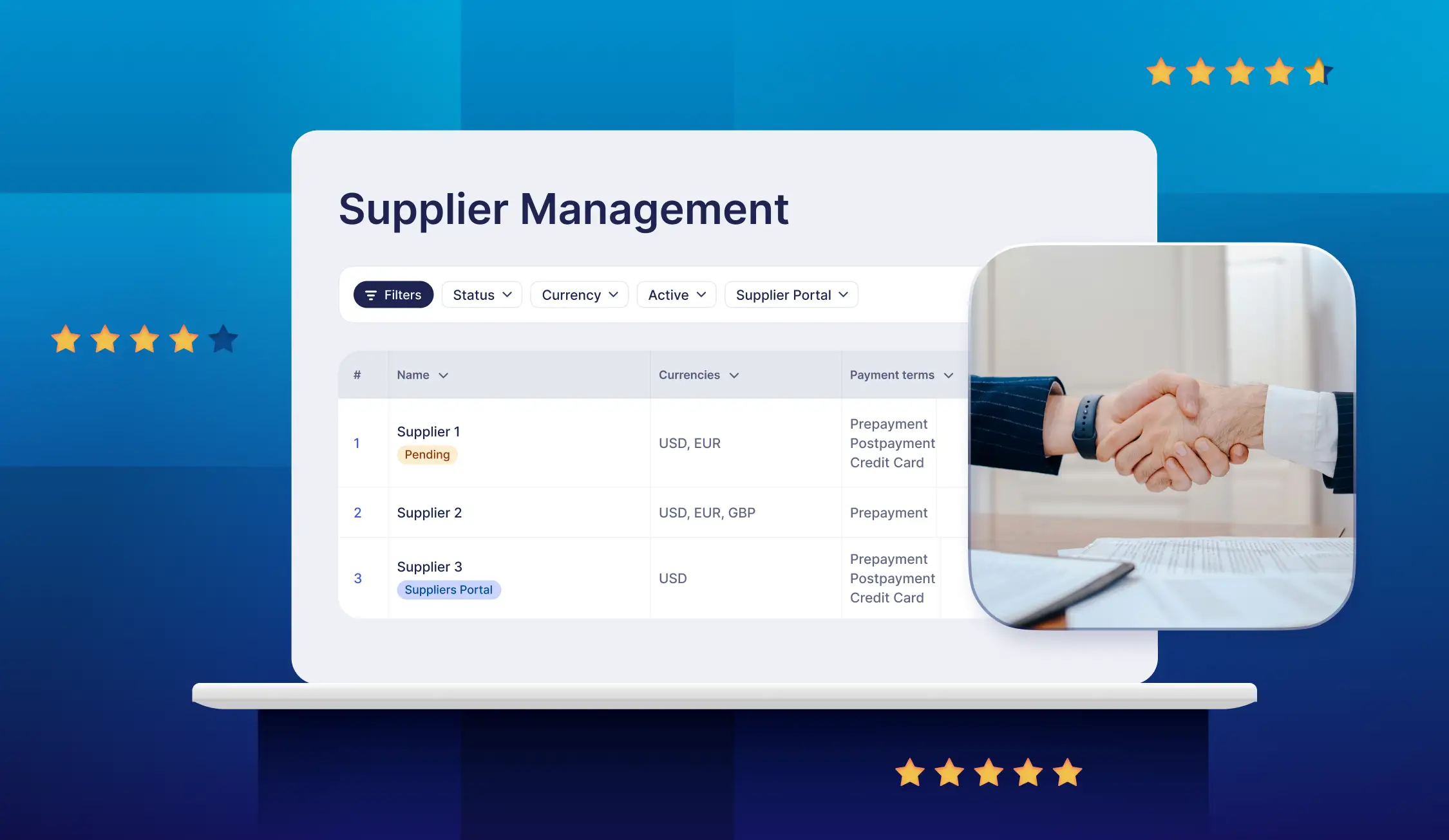
Credit: precoro.com
Manage supplier relationships by segmenting suppliers, fostering open communication, aligning goals, monitoring performance, and rewarding collaboration. Build trust and invest in supplier development to enhance reliability, reduce risks, and drive mutual growth. Use data-driven insights for continuous improvement and strategic partnerships.
The 5 C’s of supply chain management are: Customers, Cost, Capacity, Communication, and Coordination. These elements ensure efficient flow and delivery of goods.
The four types of supplier relationships are strategic partnerships, collaborative, transactional, and adversarial. They differ in collaboration, commitment, and strategic value.
A supplier relationship management system helps businesses manage and optimize interactions with key suppliers. It improves communication, monitors performance, reduces costs, and builds long-term partnerships for mutual growth and supply chain resilience.
Strong supplier relationships boost business success and reduce risks. Clear communication builds trust and solves problems quickly. Regularly reviewing performance keeps both sides aligned and improving. Treat suppliers as partners, not just vendors, to gain mutual benefits. Consistent collaboration leads to better quality and timely deliveries.
Focus on fairness and respect to maintain long-term cooperation. Managing these relationships well supports growth and stability in supply chains. Simple steps create lasting value for your business and suppliers alike.







Leave A Reply Now