



Are you struggling to turn your leads into paying customers? Email marketing can be your secret weapon to nurture relationships and close deals effectively.
But it’s not just about sending emails—it’s about sending the right message, to the right person, at the right time. You’ll discover simple yet powerful strategies to guide your leads smoothly through the buying journey. Ready to transform your email list into a loyal customer base?
Let’s dive in and unlock the true potential of your email marketing.
Lead segmentation plays a key role in email marketing. It allows you to send the right message to the right people. By dividing your leads into smaller groups, you increase the chances of engagement. Segmented emails feel more personal and relevant. This leads to better open and click rates. Segmentation helps you focus your efforts on leads most likely to convert. It also improves customer experience by delivering content that matches their needs.
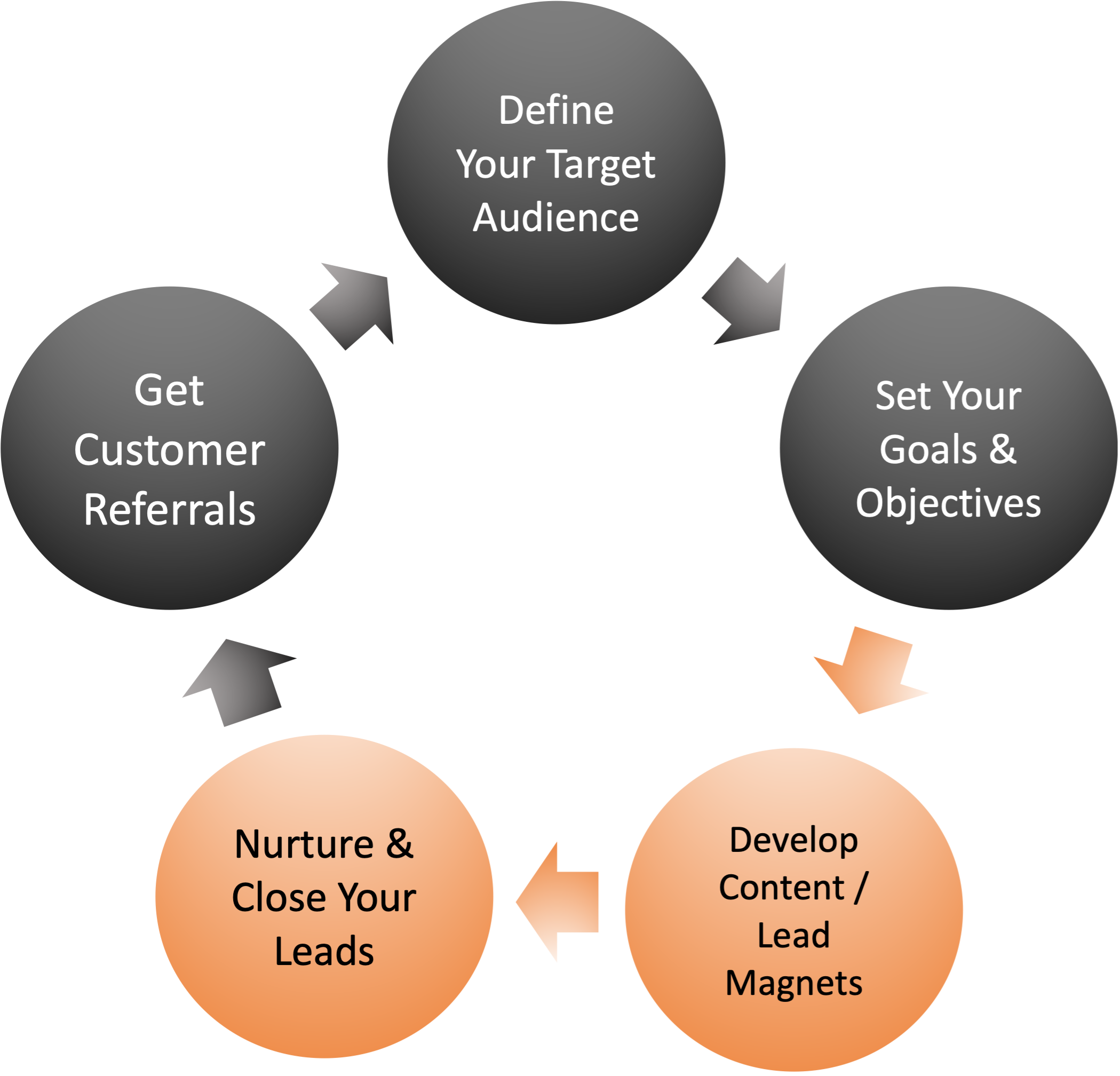
Start by defining who your ideal leads are. Look for characteristics that match your best customers. These can include job titles, company size, or industry. Also, consider their pain points and goals. Identifying ideal leads helps you prioritize your email campaigns. You send focused messages that speak directly to their needs. This approach saves time and boosts results.
Segment leads based on their actions and profile details. Behavior can include website visits, email opens, and clicks. Demographics cover age, location, and job role. Use this data to group leads with similar traits. Behavioral segmentation targets leads based on interest and engagement. Demographic segmentation ensures messages fit their background. Combining both types creates highly targeted email lists.
Email marketing platforms offer tools to simplify segmentation. They automatically sort leads based on set rules. Use filters to create segments quickly and accurately. Some tools track lead behavior in real-time. This lets you adjust segments as leads interact with your emails. Automation saves time and reduces errors. It ensures your emails always reach the right audience.
Credit: opentextbc.ca
Personalizing email content creates a stronger bond with your leads. It makes your messages feel relevant and thoughtful. This approach increases the chance that leads will engage with your emails and eventually become customers. Personalization involves more than adding a name; it adapts the entire email to the reader’s needs and behaviors.
Dynamic content changes based on the recipient’s data. It allows you to show different images, offers, or text to different groups. This makes the email more useful and interesting for each lead. Use data like location, past purchases, or browsing history to customize your emails. This method keeps your messages fresh and targeted.
Start emails with the contact’s name to catch attention. Include other details like company name or job title to show you know your audience. Personal touches build trust and show respect. Avoid generic greetings like “Dear Customer.” Instead, use personal information to create a friendly tone.
Leads need different messages depending on their stage in the buyer journey. Early-stage leads want educational content to learn about your product. Mid-stage leads need comparisons or case studies to see value. Late-stage leads look for clear calls to action and purchase details. Tailor emails to meet their current needs and questions.
Crafting compelling calls-to-action (CTAs) is vital in email marketing. CTAs guide leads toward the next step. A strong CTA can turn interest into action. It must be clear, concise, and motivating. The right CTA encourages readers to engage and move closer to a purchase.
Use simple language for your CTAs. Tell readers exactly what to do next. Phrases like “Download Now,” “Get Your Discount,” or “Join Free” work well. Avoid vague words that confuse readers. The CTA button should stand out with a contrasting color. Make sure it is large enough to tap on mobile devices. Keep the text short but powerful. Clarity improves click rates and lead conversion.
Place CTAs where readers naturally pause. Start with one near the top of the email. Add another CTA near the end for those who read fully. Avoid overloading the email with too many CTAs. Two or three CTAs per email are enough. Space them out to keep the message clear. Repetition helps remind readers but do not annoy them. Proper placement increases the chances of clicks.
Test different CTA texts to see what works best. Try various colors and button shapes. A/B testing reveals which CTA drives more clicks. Measure clicks, conversions, and engagement rates. Use this data to improve future emails. Testing helps find the perfect combination for your audience. Continuous testing keeps your email marketing sharp and effective.
Timing and frequency play a crucial role in email marketing success. Sending emails at the right time increases the chance of engagement. Too many emails can annoy your leads, while too few can cause them to forget you. Finding the right balance helps nurture leads effectively and move them closer to conversion.
Choose times when your audience is most active online. Early mornings and late afternoons often work well. Weekdays usually see higher open rates than weekends. Testing different days and times helps find what fits your audience best. Consistency in your schedule also builds trust and anticipation.
Sending emails too often can overwhelm your leads. They may unsubscribe or mark your emails as spam. Too few emails may lose their interest. Aim for a steady rhythm that keeps your brand in mind. Pay attention to engagement metrics and adjust frequency as needed.
Set up automated email sequences to follow up with leads promptly. Automation ensures timely responses without extra effort. Use behavior triggers like clicks or downloads to send relevant follow-ups. Personalize these emails to keep the conversation natural and helpful. Automation nurtures leads smoothly toward closing.
Creating valuable content is the heart of successful email marketing. It helps build trust and keeps your leads interested. Valuable content guides leads through their journey and moves them closer to a purchase decision.
Focus on content that educates, solves problems, and shows real success stories. This approach makes your emails worth opening and reading. It also strengthens your relationship with leads over time.
Educational content teaches your audience about your product or industry. It offers tips, insights, and useful information. This type of content builds authority and trust.
Promotional content highlights offers, discounts, or product features. Use it sparingly to avoid overwhelming your readers. Balance both types to keep your emails engaging and valuable.
Identify the problems your leads face. Create content that explains how your product or service solves these issues. Show empathy and understanding in your messaging.
Use simple language to explain benefits clearly. This approach helps leads see the value in what you offer. It also encourages them to take the next step.
Case studies share real examples of how your product helped others. They show measurable results and build credibility. Use clear and concise stories to engage readers.
Testimonials add social proof and trust. Include quotes from happy customers to reinforce your message. These elements make your emails more persuasive and trustworthy.
Credit: www.mailercloud.com
Setting clear campaign goals is essential for effective email marketing. Goals guide every step of your campaign. They help measure progress and improve results over time.
Without specific goals, email campaigns can lose focus. Setting goals keeps your efforts targeted and efficient. It also helps align marketing with sales, creating a smooth path for leads to become customers.
Choose measurable metrics to track campaign progress. Metrics like open rates, click-through rates, and conversion rates reveal how well emails perform. These numbers show if your messages engage leads effectively.
Set realistic targets for each metric. Clear targets provide a benchmark to evaluate success. They also motivate your team to meet or exceed expectations.
Email marketing should support overall sales goals. Align your email targets with the sales team’s objectives. This ensures your campaigns drive meaningful leads forward.
Work closely with sales to understand their needs. Use this insight to tailor your emails. This approach creates a stronger connection between marketing and sales efforts.
Track your email campaign’s performance regularly. Use analytics tools to gather data and identify trends. Monitoring helps spot what works and what doesn’t.
Adjust your strategy based on the results. Change subject lines, send times, or content to improve engagement. Continuous tweaks keep your campaigns effective and responsive.
Drip campaigns are a powerful way to nurture leads through email marketing. They deliver a series of automated emails over time to guide prospects. This method keeps your brand in their mind and builds trust gradually. Drip campaigns can turn cold leads into warm opportunities ready to buy.
Automation lets you send the right message at the right moment. This saves time and ensures consistent communication. A well-planned drip campaign creates a smooth path from interest to purchase.
Start by mapping out the customer journey. Break it into clear steps from awareness to decision. Create emails that match each stage’s needs and questions. Use simple language and focus on one idea per email.
Set triggers for each email based on user actions or time intervals. Personalize emails with the recipient’s name and relevant details. Keep subject lines short and engaging to improve open rates.
Test different email formats and content to see what works best. Always include a clear call to action that guides the lead forward.
Drip campaigns allow frequent contact without overwhelming your leads. Each email adds value by educating or solving a problem. Use a mix of content types like tips, case studies, and offers.
Repeat important messages with slight variations to reinforce key points. Address common objections to help leads move past doubts. Encourage interaction through surveys or questions to increase engagement.
Multiple touchpoints build trust and keep your brand top of mind. This steady approach increases the chance leads will choose your product or service.
Track key metrics like open rates, click-through rates, and conversions. Use this data to improve your emails continuously. Remove or revise underperforming emails to keep the sequence effective.
Segment your audience based on behavior or demographics for better targeting. Adjust send times to match when leads are most active. Test subject lines, email copy, and calls to action regularly.
Focus on delivering relevant content that meets your leads’ needs. Optimization helps you nurture leads faster and close deals more efficiently.
Credit: www.smartinsights.com
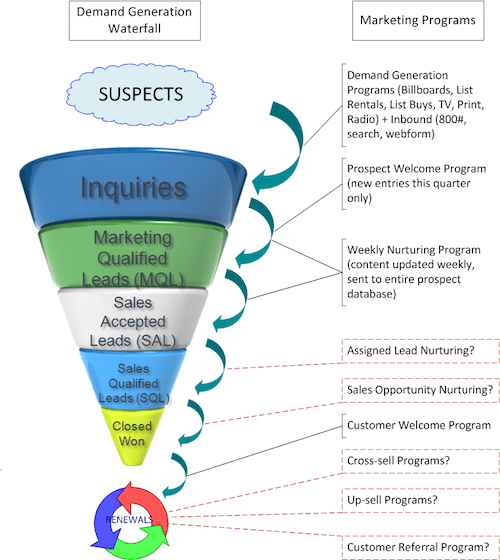
Lead qualification helps separate serious buyers from casual interest. It focuses your email marketing on contacts ready to move forward. This process saves time and improves sales efficiency.
Emails collect valuable signals about lead interest. Analyzing these signals scores leads by their engagement level. This score guides your next marketing or sales steps.
Track how often a lead opens your emails. Note if they click links or download content. Each action adds points to their score.
Assign higher scores to behaviors showing strong interest. For example, visiting pricing pages or requesting demos. Use scores to rank leads from cold to hot.
Set a score threshold that signals readiness to buy. Leads crossing this line move to sales teams. This prevents sales from chasing unprepared contacts.
Look for consistent engagement over time. A lead showing steady interest often converts better. Focus efforts on these qualified prospects.
Sync your email marketing platform with your CRM system. This unifies lead data for complete customer views. Sales reps access engagement history before outreach.
Use CRM insights to personalize follow-ups. Tailored emails increase response rates. Integration also automates lead status updates.
Maintaining a healthy email list is essential for successful email marketing. A clean list ensures your messages reach active and interested contacts. It helps improve engagement and reduces the risk of being marked as spam. Regularly managing your list keeps your campaigns effective and your sender reputation strong.
Remove contacts who no longer engage with your emails. Identify inactive subscribers by checking who hasn’t opened or clicked in months. Deleting these contacts reduces bounce rates and improves your email metrics. It also lowers costs if you pay per subscriber. Keep only those who show interest in your content.
Try to win back inactive subscribers with special campaigns. Send a friendly email asking if they still want updates. Offer incentives like discounts or exclusive content to spark interest. Use clear calls to action to encourage responses. If they remain inactive, consider removing them to maintain list quality.
Good list health boosts email deliverability. Clean lists reduce spam complaints and bounce rates. Use double opt-in to confirm subscribers’ interest. Monitor your sender score regularly to spot issues early. A strong sender reputation ensures your emails land in inboxes, not spam folders.
Analyzing campaign results plays a key role in email marketing success. It helps you understand how your audience reacts to your messages. By examining data, you can spot what works and what needs improvement. This process leads to better engagement and more closed leads over time.
Open rates show how many people view your email. Click rates reveal how many click links inside the email. These two metrics give a clear picture of interest. Low open rates may mean your subject line needs change. Low click rates suggest your content or call-to-action lacks appeal. Track these regularly for insights into audience behavior.
Conversion rates tell you how many recipients take the desired action. It could be signing up, downloading, or making a purchase. This metric shows the real impact of your email campaign. Use tools to link email activity with sales or leads. High conversion rates mean your emails move prospects closer to buying.
Data from previous emails guides your next steps. It helps you tailor messages to what your audience prefers. You can test different subject lines, designs, and offers. Analyze which versions perform best. Keep improving based on facts, not guesses. This makes your email marketing smarter and more effective.
Email marketing for lead nurturing uses targeted emails to build trust. It guides prospects through the sales funnel with personalized content. This approach keeps leads engaged until they are ready to buy.
Segment leads by demographics, behavior, or interests. This allows sending relevant emails that resonate with each group. Segmentation improves open rates and boosts conversions.
Use educational, informative, and solution-focused content. Share tips, case studies, and product benefits. Valuable content positions your brand as a trusted resource.
Send emails regularly but avoid overwhelming leads. Typically, 1-2 emails per week balance engagement without causing unsubscribes. Monitor performance and adjust frequency as needed.
Email marketing helps build trust and guide leads step-by-step. Send personalized messages that address their needs. Use clear calls to action to encourage responses. Timing matters—send emails when leads are most engaged. Keep content relevant and valuable to maintain interest.
Track results and adjust your approach regularly. Small, consistent efforts turn leads into loyal customers. Start nurturing your leads with simple, focused emails today.







Leave A Reply Now