


Are you ready to take your email marketing and customer relationship management to the next level? Setting up an advanced email marketing and CRM system isn’t just about sending messages—it’s about connecting with your audience in a smarter, more personalized way.
Imagine having all your customer data in one place, automating your campaigns, and delivering the right message at exactly the right time. This can boost your sales, save you time, and build stronger relationships with your customers. You’ll discover how to set up a powerful, easy-to-manage system that works for your business—helping you grow faster and work smarter.
Keep reading to unlock the secrets behind advanced email marketing and CRM setup that really delivers results.

Credit: webflow.com
Advanced email marketing transforms basic emails into powerful tools. It helps businesses connect with customers more effectively. This method uses smart technology and data to improve every message sent. The benefits go beyond simple outreach, impacting sales and customer loyalty.
Advanced email marketing allows precise targeting of customers. It divides lists into smaller groups based on interests or behavior. This means each person gets content that fits their needs. Personalized emails increase the chance of clicks and purchases. Customers feel valued when emails match their preferences.
Automation saves time by sending emails automatically. It triggers messages based on actions like sign-ups or purchases. This reduces manual work and speeds up campaigns. Marketers can focus on strategy instead of routine tasks. Automation ensures timely communication without extra effort.
Emails crafted with advanced techniques boost interaction. They keep customers interested with relevant offers and updates. Engagement grows through dynamic content and clear calls to action. This stronger connection leads to higher brand loyalty. Engaged customers are more likely to return and recommend.
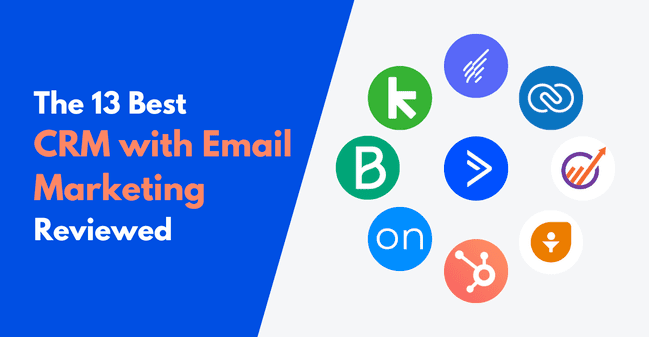
Choosing the right CRM for email marketing is crucial for business growth. A good CRM helps manage contacts, track customer interactions, and automate email campaigns. It also ensures your messages reach the right audience at the right time. This section explores top CRM options and their email marketing features.
HubSpot CRM offers an easy-to-use email marketing tool. It includes email templates and scheduling options. You can track email opens and clicks instantly. HubSpot also syncs contacts and sales data automatically. It supports personalized email campaigns for better engagement.
Zoho CRM integrates email marketing with sales processes. It provides automated email workflows and lead nurturing. The platform tracks customer responses and updates contact info. Zoho offers detailed analytics to improve email results. It suits small to medium businesses well.
ActiveCampaign excels in email automation and CRM features. It allows segmentation based on customer behavior. The software supports multi-step email sequences and personalization. ActiveCampaign offers real-time tracking of email performance. It helps build strong customer relationships efficiently.
Pipedrive connects email marketing with its sales pipeline. Users can send bulk emails and track replies. It supports custom email templates and scheduling. The CRM syncs with popular email services for smooth use. Pipedrive focuses on improving sales through email communication.
monday CRM provides flexible email marketing options. It allows customization of workflows and templates easily. The system integrates email with project and sales management. Users can automate follow-ups and track email status. monday CRM adapts to various business needs.
Setting up your CRM for email marketing creates a strong foundation for your campaigns. It helps organize customer information and improves communication. A well-configured CRM allows you to send relevant emails to the right people. This increases engagement and boosts results.
Good setup reduces manual work and saves time. It also gives insights into customer behavior. These insights help you adjust your strategies and improve future campaigns.
Collect all customer details in one place within your CRM. This includes contact info, purchase history, and preferences. Centralized data makes it easier to segment your audience. Segmentation ensures messages are personalized and targeted. It prevents sending irrelevant emails that customers ignore.
Connect your CRM with email marketing software. This integration allows you to create and send emails directly from the CRM. It also syncs contact lists automatically. Integration avoids data duplication and errors. You can manage campaigns and customer info in one system.
Use your CRM to set up automated email sequences. Automation sends emails based on triggers like sign-ups or purchases. It keeps your audience engaged without manual effort. You can schedule welcome emails, follow-ups, and promotions. Automation helps maintain regular communication with customers.
Monitor email performance using CRM analytics tools. Track open rates, clicks, and conversions. These metrics show which emails work best. Use the data to refine your campaigns and improve results. Tracking helps identify customer interests and behavior patterns.
Credit: www.fiverr.com
Advanced email marketing strategies enhance engagement and increase conversion rates. They focus on sending the right message to the right person at the right time. Using data smartly can create personalized experiences that feel natural and relevant. These strategies also help build stronger customer relationships and improve overall campaign performance.
Segmenting your email list by behavior allows targeted communication. Group subscribers based on actions like clicks, purchases, or website visits. This approach delivers content that matches their interests and needs. It reduces unsubscribe rates and boosts open rates. Behavioral data helps craft messages that feel personal and timely.
Triggered emails send automatically based on specific user actions. Examples include welcome emails, cart abandonment reminders, and birthday offers. These emails reach customers at moments when they are most likely to engage. Automated triggers save time and increase relevance. They improve customer experience by providing helpful and timely information.
A/B testing compares two versions of an email to see which performs better. Test subject lines, images, calls to action, or sending times. This method identifies what resonates best with your audience. Continuous testing refines your campaigns and drives higher results. Small changes can lead to significant improvements.
Artificial intelligence helps create highly personalized email content. AI analyzes customer data to predict preferences and behaviors. It can customize product recommendations, email timing, and subject lines. AI-driven emails feel more relevant and engaging. This technology allows marketers to deliver unique experiences at scale.
Combining CRM and email marketing creates a strong sales strategy. CRM stores customer data. Email marketing uses that data to send targeted messages. This combination increases engagement and drives sales effectively.
Using CRM and email together helps businesses understand customers better. It enables personalized communication at every stage of the sales cycle. The result is higher conversion rates and improved customer loyalty.
Lead nurturing workflows guide potential customers through the buying process. Automated emails deliver timely and relevant content based on customer actions. This keeps prospects engaged and moves them closer to purchase decisions.
Workflows can send welcome emails, product information, or special offers. They adapt to customer responses, creating a personalized experience. This continuous engagement builds trust and encourages sales.
CRM tracks every step of the sales pipeline. It shows where each lead stands in the buying journey. Sales teams can focus on the most promising leads and close deals faster.
Email campaigns can be tailored to each pipeline stage. For example, follow-ups for warm leads or reminders for pending deals. This targeted approach improves efficiency and sales results.
CRM helps coordinate messages across multiple channels. Emails, social media, and SMS work together for consistent communication. This creates a unified brand experience for customers.
Cross-channel marketing increases reach and engagement. Customers receive messages on their preferred platforms. This multi-touch approach enhances chances of conversion and boosts sales.
Tracking email and CRM campaigns shows what works best. Metrics like open rates, click-throughs, and conversions reveal performance. Businesses can adjust strategies based on real data.
CRM tools provide detailed reports on sales growth and customer behavior. Measuring ROI helps allocate resources wisely. This focus on results improves marketing efficiency and drives revenue.
Credit: www.emailvendorselection.com
Setting up advanced email marketing and CRM systems brings many benefits. It also presents some common challenges. These issues can affect campaign success and customer relationships. Understanding these challenges helps find practical solutions. This section explores key problems and ways to overcome them.
Data is central to email marketing and CRM success. Poor data quality leads to wrong contacts and missed opportunities. Duplicate records cause confusion and reduce efficiency. Incomplete data affects personalization and targeting.
Use automated tools to clean and update data regularly. Implement strict data entry rules. Train staff on proper data handling. Integrate systems to sync data across platforms. These steps improve accuracy and reliability.
Emails landing in spam folders lower open rates and engagement. Spam filters check email content, sender reputation, and user behavior. Certain words and excessive links trigger filters.
Write clear, relevant subject lines and content. Avoid spammy phrases and too many images. Use verified sending domains and consistent IP addresses. Ask subscribers to whitelist your email address.
Active and engaged email lists drive better results. Old or inactive contacts hurt sender reputation. They also waste resources and skew analytics.
Regularly remove unengaged users. Use re-engagement campaigns to win back interest. Segment lists based on behavior and preferences. Collect fresh contacts through ethical opt-in methods.
Email marketing must follow laws like GDPR and CAN-SPAM. Noncompliance causes fines and damages trust. Rules require clear consent, easy opt-outs, and honest information.
Keep updated on legal requirements. Use double opt-in to confirm subscribers. Include visible unsubscribe links in every email. Store consent records securely for audits.
CRM (Customer Relationship Management) organizes customer data to improve sales and service. Email marketing uses targeted emails to engage and convert leads effectively. Together, they automate personalized campaigns, boost customer relationships, and increase sales through data-driven communication.
HubSpot CRM offers a free, all-in-one email marketing solution with automation and a drag-and-drop editor. Zoho CRM provides affordable, scalable AI-powered marketing. ActiveCampaign excels in advanced automation. Pipedrive integrates well with sales pipelines, while monday CRM suits teams needing customizable workflows.
Choose based on your needs.
The four types of CRM are Operational, Analytical, Collaborative, and Strategic. Each focuses on sales, data analysis, communication, or long-term planning.
Advanced CRM uses AI, automation, and data integration to enhance customer interactions, streamline sales, and improve marketing efforts.
Advanced email marketing and CRM setup improve customer communication and sales. They help organize contacts and send timely, relevant messages. Using these tools makes managing campaigns easier and more effective. Small steps in setup can lead to big improvements in customer relationships.
Stay consistent and keep learning to see the best results. This approach supports business growth and builds loyal customers over time.







Leave A Reply Now