



Setting the right price for your online course can feel like a guessing game. Price it too high, and you might scare away potential students.
Price it too low, and you could be leaving money on the table or undervaluing your expertise. What if there was a way to find the perfect balance—a price that attracts your ideal audience and maximizes your earnings? That’s where market research comes in.
By understanding your customers, competitors, costs, and overall market trends, you can confidently set a price that works for both you and your students. Keep reading to discover how to use market research to price your online course effectively and boost your success.
Market research forms the foundation for setting the right price for your online course. It helps you understand the needs and preferences of your potential learners. Knowing the market allows you to choose a price that matches what customers expect and value. This section covers the basics of market research to guide your pricing decisions.
Start by defining who will take your course. Think about their age, job, education, and interests. Knowing these details helps tailor your course content and price. A clear target audience makes your marketing efforts more effective and your pricing more accurate.
Divide your audience into smaller groups based on shared traits. For example, beginners and advanced learners may have different needs. Each group might value your course differently and pay different prices. Segmenting customers helps you create pricing tiers or special offers.
Look at how your potential customers buy online courses. Check if they prefer one-time payments or subscriptions. Understand their sensitivity to price changes and what motivates their purchases. This insight helps set a price that fits their buying behavior and maximizes sales.
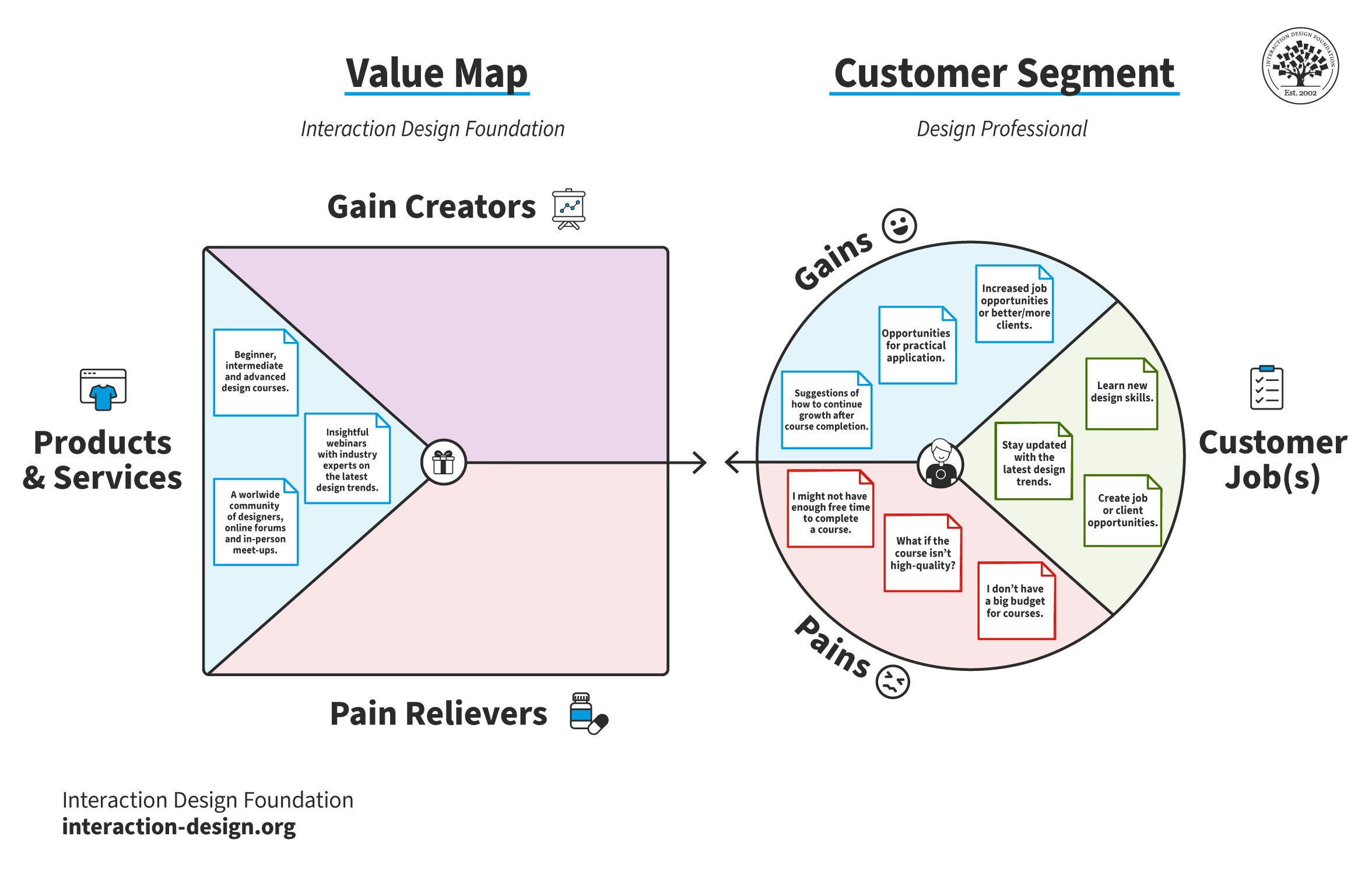
Credit: www.interaction-design.org
Pricing an online course requires more than just guessing or copying competitors. The Five Cs of Pricing offer a clear framework to help you set the right price. This method balances your company goals, customer views, costs, competition, and sales channels. Using this approach, you can make decisions that fit your market and boost your profits.
Start by defining what your business wants to achieve with the course price. Some companies focus on making the highest profit. Others aim to gain more customers or increase market share. You might want to position your course as a premium offering. Or, your goal could be to cover costs and survive in the market. Your pricing should support these goals clearly.
Know how your customers see the value of your course. Find out how much they are willing to pay. Some customers are sensitive to price changes, while others care more about quality. Understanding their price sensitivity helps you avoid setting prices too high or too low. Your price must match the value customers expect.
Calculate all costs involved in creating and delivering your course. Include fixed costs like software and hosting fees. Add variable costs such as marketing and customer support. These costs set the lowest price you can charge without losing money. While costs are important, they do not fully determine your price.
Look at what competitors charge for similar courses. Study their pricing strategies and how they position their courses. This helps you find a price that makes your course attractive. You can decide to price your course lower to get more customers. Or, charge more if you offer extra value or unique features.
Consider everyone involved in selling your course. This includes online platforms, affiliates, or partners. Each channel member needs to earn a profit. Their costs and fees affect your final price. Make sure your price allows all members to benefit. This keeps your course available and easy to buy.
Assessing the value of your online course is crucial before setting a price. Understanding what makes your course special helps justify its cost. This step ensures your price matches what learners expect and need.
Value assessment considers the unique features, content quality, and the results learners will gain. These factors shape how much students are willing to pay.
Identify what makes your course different from others. It could be your teaching style, exclusive materials, or expert knowledge. Highlight these points to show why your course is worth more.
Unique selling points attract learners who seek specific benefits. They also help your course stand out in a crowded market.
Check if your course content is clear, accurate, and engaging. High-quality videos, well-structured lessons, and useful resources add value. Poor quality can lower the perceived worth and price.
Invest in good visuals and sound. Make sure your information is up to date and easy to follow. Quality keeps students satisfied and willing to pay more.
Think about what learners will achieve after completing your course. Skills, certifications, or career improvements increase value. Clear outcomes encourage students to invest in your course.
Showcase success stories or testimonials. When students see real results, they trust your course and accept its price.
Choosing the right pricing strategy sets the foundation for your online course’s success. Pricing affects sales volume, brand perception, and profitability. Different strategies suit different course types and target audiences. Understanding key methods helps you pick a plan that matches your goals and market data.
Cost-plus pricing adds a profit margin to your course’s total cost. Calculate all expenses like content creation, marketing, and platform fees. Add a fixed percentage for profit. This method ensures costs are covered and profit is consistent. It works well for beginners or when costs are clear and stable.
Value-based pricing sets prices according to the course’s perceived value to learners. Consider the benefits your course offers and how much students might pay for those benefits. Focus on outcomes and transformations your course delivers. This strategy can lead to higher profits if your course solves real problems.
Competitor-based pricing compares your course price with similar courses in the market. Research competitors’ prices, features, and quality. Match or slightly undercut prices to attract students, or price higher if your course offers more value. This strategy helps keep your pricing competitive and relevant.
Tiered pricing offers multiple course packages at different price points. For example, basic access, premium content, or coaching add-ons. This model appeals to different budgets and needs. It increases sales by giving customers choices and the option to upgrade later. Tiered pricing fits courses with varied content or support levels.
Testing and adjusting prices is a vital step in finding the best price for your online course. It allows you to see how customers react and helps improve your sales. You do not set the price once and forget it. Instead, you use data to make smart changes.
This process involves trying different prices, getting feedback from buyers, and watching how many people buy your course. Each part gives you clues on what price works best. This approach reduces guesswork and increases your chances of success.
Start by offering your course at several different prices. Use A/B testing to show different prices to different groups. This helps you learn which price attracts more buyers without losing profit. Change one price at a time to see clear results.
Keep the test period short but long enough to gather useful data. Avoid changing prices too often. Use the information to spot trends and customer preferences. Price experiments help find the sweet spot for your course price.
Ask your customers what they think about your course price. Use surveys, emails, or direct messages to collect their views. Simple questions like “Is this price fair?” or “What price would you pay?” give valuable insights.
Listen carefully to their answers. Some may want a lower price, while others may value your course more and accept a higher price. Use this feedback to adjust your price and improve your offer.
Track how many visitors buy your course at different prices. Watch conversion rates closely. A higher price may lower sales but increase revenue per sale. A lower price may increase sales but reduce profit per course.
Analyze the balance between sales volume and total income. Use tools like Google Analytics or your sales platform reports. Regular monitoring shows if your pricing strategy works or needs changes.
Maximizing profit and market share requires smart pricing strategies. Setting the right price influences how many customers buy your course and how much you earn. Pricing too high may reduce sales. Pricing too low might lower profits. Understanding your market helps find the best balance. Focus on pricing that attracts many buyers while keeping profits strong. Use market research to see what customers expect and what competitors charge. Then, choose pricing methods that fit your goals. The following sections explain key tactics for pricing your course effectively.
Price and sales volume affect total profit together. A higher price means more profit per sale but fewer buyers. A lower price brings more buyers but less profit each. Test different prices to see how customers respond. Use market research to estimate demand at various prices. Find the price that gives the highest total income. Adjust your price as you learn what works best. Keep in mind your costs must be covered by the price.
Discounts can attract new customers and boost sales. Offer limited-time promotions to create urgency. Use coupons or bundle deals to add value. Be careful not to lower your price too much. Frequent discounts may make customers expect lower prices always. Plan promotions around special events or course launches. Track which discounts bring the best results. Use data to improve future offers and keep profits steady.
Your price shows your course’s market position. A high price signals premium quality and exclusivity. An affordable price appeals to budget-conscious buyers and larger markets. Choose the position that fits your course content and audience. Premium courses need strong proof of value and quality. Affordable courses must deliver clear benefits at a lower cost. Use market research to learn what your target students want. Align your price with your course’s strengths and customer expectations.
Leveraging distribution channels is key to pricing your online course effectively. These channels help reach more students and influence your final price. Each channel has unique costs and benefits. Understanding them ensures your price stays competitive and profitable.
Select platforms popular with your target audience. Platforms like Udemy, Teachable, or Skillshare offer ready markets. They handle payment, hosting, and marketing tools. Check their fees and rules before deciding. Some platforms take a percentage of your sales. Factor these fees into your course price.
Affiliates promote your course to their followers. They earn a commission for each sale they generate. This expands your reach without upfront marketing costs. Set clear commission rates that balance reward and profitability. Track affiliate sales carefully to optimize partnerships. Affiliate marketing can boost sales but affects your net income.
Each distribution channel requires a margin for its costs. Margins include platform fees, affiliate commissions, and payment processing charges. Calculate these margins to avoid pricing your course too low. Margins reduce your earnings but enable wider distribution. Adjust your course price to cover these expenses while staying attractive to buyers.
:max_bytes(150000):strip_icc()/Technical_Analysis_Final-4a96fc1863cf4dbc8a5c6f315ee49871.jpg)
Credit: www.investopedia.com
:max_bytes(150000):strip_icc()/valuebasedpricing.asp-final-35283f6483ae4a19960e1fad71da325c.png)
Credit: www.investopedia.com
Charge your online course based on market research, covering costs, competitor pricing, customer value, and business goals. Balance affordability and profitability.
Conduct market research by analyzing customer needs, competitor prices, costs, company goals, and distribution channels. Use surveys and data to gauge customer willingness to pay and price sensitivity. Align pricing with business objectives while ensuring profitability and competitive positioning for optimal results.
The 5 C’s of pricing are Company objectives, Customers, Costs, Competition, and Channel members. They guide strategic price setting.
Price your online course by researching competitors, understanding your audience, covering costs, and aligning with your business goals.
Pricing your online course takes thoughtful market research and clear goals. Study your competitors’ prices and customer needs carefully. Know your costs to set a fair minimum price. Balance what customers will pay with your business objectives. Adjust prices based on feedback and market changes over time.
This approach helps you find a price that feels right and attracts buyers. Keep testing and learning to improve your pricing strategy. A well-priced course leads to better sales and satisfied students.







Leave A Reply Now