


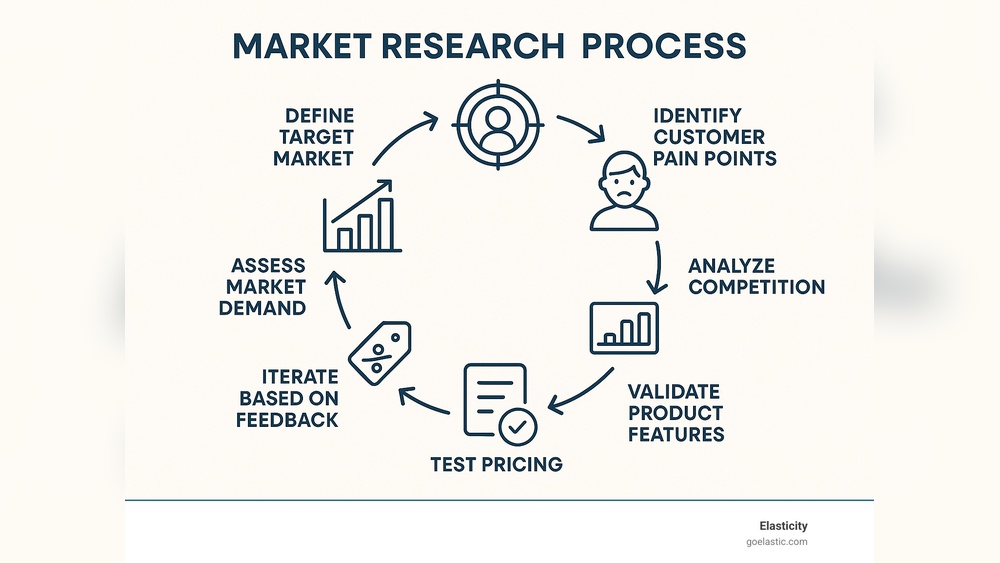
Are you ready to discover what your customers truly want and how your competitors stack up? Knowing how to research market demand and competitor products gives you a powerful edge.
It helps you avoid costly mistakes, find hidden opportunities, and shape your product or service to meet real needs. You’ll learn simple, effective steps to gather the right information, analyze it, and use it to make smarter business decisions. Keep reading, because understanding your market and competition could be the key to your success.
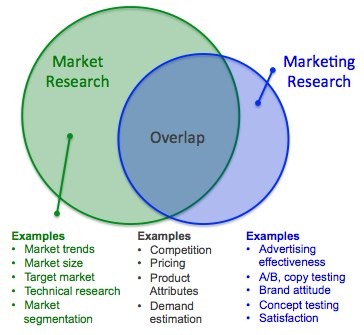
Credit: www.mymarketresearchmethods.com
Understanding market demand is essential for any business planning to launch a product or service. It helps you find out if customers want what you offer and how much they are willing to pay. This knowledge reduces risks and guides smart decisions. Let’s explore the basics of market demand and how to research it effectively.
Start by defining who your customers are. Think about their age, gender, location, and interests. Knowing your audience helps tailor your product to meet their needs. Use surveys, interviews, and social media to gather this data. The clearer your target customers, the easier it is to reach them.
Market size shows how many potential buyers exist. It measures the total number of people who might buy your product. Use industry reports and government data to estimate this number. A large market size means more chances to sell. Small markets may need niche strategies.
Economic indicators reveal the health of the economy affecting demand. Look at factors like income levels, employment rates, and consumer spending. These numbers tell if people can afford your product. Strong economic indicators suggest higher demand potential.
Market saturation shows how full the market is with similar products. Check how many competitors exist and their market share. High saturation means tough competition and less room to grow. Low saturation offers more opportunity but may also mean low demand.
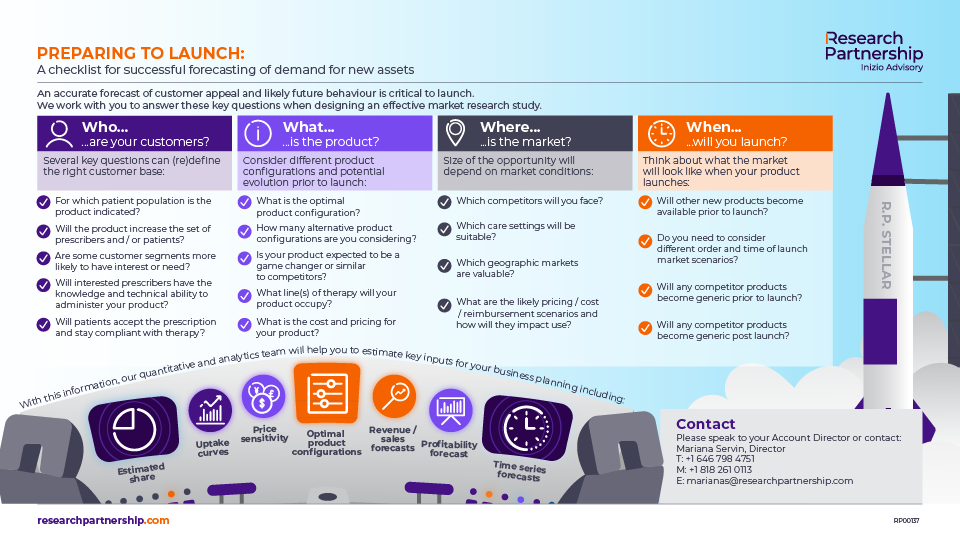
Credit: www.researchpartnership.com
Research methods form the core of understanding market demand and competitor products. They provide direct insights from customers and data-driven evidence. This knowledge helps you make smart business decisions. Different research methods fit different goals and budgets.
Choosing the right method depends on your product, audience, and information needs. Combining several methods often gives a fuller picture. Here are some common and effective research methods.
Surveys and questionnaires collect opinions and preferences from many people quickly. They can ask about product features, price sensitivity, or buying habits. Online tools make it easy to reach a large audience. Keep questions short and clear to get honest answers.
Use multiple-choice or rating scales for simple analysis. Open-ended questions reveal deeper thoughts but need more effort to study. Regularly test your survey to avoid confusing questions. Surveys give useful data on market demand and product gaps.
Focus groups gather small groups to discuss ideas and products. This method reveals feelings, motivations, and reactions in real-time. A skilled moderator guides the conversation to cover key points. Participants share honest feedback and build on each other’s ideas.
Focus groups work well for testing new concepts or refining products. Watching body language and tone adds insight. Though smaller in scale, they uncover rich details not found in surveys. Use them to explore why customers prefer certain features.
Online analytics track real customer behavior on websites and social media. Tools show which products get the most views, clicks, or purchases. They highlight trends and seasonal demand changes. Analytics help spot competitor strengths and weaknesses by comparing traffic.
Use data from Google Analytics, social platforms, or e-commerce sites. Look at visitor demographics, popular pages, and conversion rates. This method provides ongoing, real-time market insight without direct customer contact. It supports data-backed decisions.
Industry reports offer expert analysis and market statistics from trusted sources. They cover market size, growth rates, and key players. Reports often include competitor product comparisons and future forecasts. This saves time on primary research.
Many reports come from market research firms or trade associations. Some require purchase, but free summaries often provide valuable info. Use reports to understand broader market trends and validate your own findings. They help position your product effectively.
Competitor product analysis reveals how other businesses meet customer needs. It helps you find gaps and opportunities in the market. Study competitors closely to improve your own products and strategies.
This process involves identifying key competitors, comparing product features, evaluating pricing, and assessing brand trust. Each step uncovers valuable insights to help you stay competitive.
Start by listing companies offering similar products or services. Check local and online markets to find competitors. Focus on those with a strong customer base and good market presence. Use tools like Google search, social media, and industry reports to gather names. Knowing your main competitors guides the rest of your analysis.
Look at what features competitors include in their products. Note differences and unique selling points. Analyze product quality, design, and usability. Identify features customers like or dislike through reviews and feedback. This helps you spot areas for improvement in your products.
Study how competitors price their products. Observe discounts, bundles, and payment options they offer. Consider their pricing in relation to product quality and features. Understanding pricing helps you set competitive rates that attract customers. Watch for seasonal changes or special promotions too.
Check customer reviews and ratings for competitor brands. Analyze social media mentions and customer service quality. Strong brands build trust and loyalty over time. Identify how competitors handle complaints and feedback. This knowledge helps you build a better relationship with your audience.
Collecting accurate data is essential for understanding market demand and competitor products. Data collection techniques help you gather valuable insights. These insights guide smart business decisions and strategy development. Use a mix of methods to get a full picture of the market environment.
Primary research means collecting data directly from sources. Surveys ask customers about their needs and preferences. Interviews provide in-depth information from specific individuals. Focus groups gather opinions from a small group to reveal trends. Observations track customer behavior without direct interaction. This hands-on data is fresh and highly relevant to your market.
Secondary research uses existing data collected by others. Industry reports show market size and growth patterns. Government publications offer economic data and statistics. Competitor websites reveal product details and pricing. Online databases compile studies and articles about your field. This research saves time and provides a broad market overview.
Social media platforms reveal real-time customer opinions. Track mentions of your products and competitors. Analyze comments, reviews, and hashtags for sentiment and trends. Use tools to measure engagement and popular topics. Social media helps spot emerging demands and areas for improvement.
Customer feedback is a direct source of market insight. Collect reviews, ratings, and support tickets regularly. Identify common complaints and feature requests. Analyze feedback to improve products and services. This ongoing process ensures your offerings meet customer expectations.
Interpreting market data is key to understanding your industry landscape. It helps you see what customers want, how competitors perform, and where opportunities lie. With clear insights, you can make smart decisions for your business growth.
Market data comes from various sources like sales figures, surveys, social media, and industry reports. You must analyze this data carefully to spot useful information. This process shows you trends, customer demand, potential growth, and gaps in the market.
Look for changes in customer behavior over time. Notice which products or services gain popularity. Check if certain features or styles repeat often. These patterns reveal what buyers like and expect.
Compare data across different periods or regions. This helps identify seasonal trends or local preferences. Tracking trends early lets you adapt your offerings quickly.
Customer demand shows how much people want your product or service. Use sales data, search volumes, and survey results to measure demand. Higher numbers mean stronger interest and potential sales.
Analyze feedback to find what customers value most. This insight guides product improvements and marketing strategies. Demand measurement helps prioritize business efforts effectively.
Forecasting predicts how the market will change in the future. Use past sales, economic data, and industry reports to estimate growth. This helps plan inventory, budget, and staffing needs.
Watch for factors like new technology or regulations that may impact growth. Accurate forecasts reduce risks and improve business planning.
Market gaps are unmet needs or underserved customer groups. Analyze competitor products to find missing features or weak points. Customer complaints and suggestions also highlight gaps.
Filling these gaps lets you offer unique value and attract more buyers. Focus on areas where competition is low but demand exists for better results.
Applying insights from market demand and competitor research helps shape a strong business strategy. These insights guide decisions across product, marketing, pricing, and market entry. Using clear data reduces guesswork and improves your chances of success.
Each step of your strategy can benefit from focused research. This ensures your product meets real needs, your marketing reaches the right people, and your pricing stays competitive. Planning market entry also becomes smarter and more targeted.
Use research to improve your product features and design. Identify what customers want most and what competitors lack. Focus on solving real problems or adding value. Avoid building features that do not meet market needs. Keep testing and adjusting based on feedback.
Tailor your marketing messages to fit customer preferences. Highlight benefits that matter most to your audience. Choose channels your customers use regularly. Monitor which tactics drive engagement and sales. Change your approach if something does not work well.
Analyze competitor prices and customer willingness to pay. Price your product to attract customers without losing profit. Consider value, costs, and market standards. Use pricing strategies like discounts or bundles if needed. Reassess prices as market conditions change.
Choose the best time and place to launch your product. Understand local demand and competition levels. Develop a plan that highlights your strengths. Prepare for challenges by studying market barriers. Use research to reduce risks and increase success chances.
Researching market demand and competitor products requires the right tools and resources. These tools help gather accurate data and insights quickly. They simplify complex information and show clear market trends. Using these resources saves time and improves decision-making. Below are key tools that assist in market research and competitor analysis.
Market research software collects and analyzes customer data. It helps identify customer preferences and buying habits. These tools provide surveys, feedback collection, and trend tracking. Popular options include SurveyMonkey, Qualtrics, and Google Forms. They make it easy to reach target audiences and understand their needs.
Competitor analysis platforms monitor competitors’ products and strategies. They track pricing, marketing campaigns, and customer reviews. Tools like SEMrush, Ahrefs, and SpyFu offer detailed competitor data. This information reveals gaps in the market and opportunities for improvement. They also help compare your product with others.
Data visualization tools turn raw data into easy charts and graphs. They help spot patterns and trends at a glance. Tools such as Tableau, Power BI, and Google Data Studio are widely used. Visual reports support better understanding and clear communication. They make complex data simple and actionable.
Public data repositories provide free access to market and industry data. Sources like government databases, World Bank, and Statista offer valuable statistics. They include demographic info, economic indicators, and market reports. Using public data helps validate findings and supports research accuracy. These resources are essential for thorough market study.

Credit: www.fratzkemedia.com
Identify your target audience and analyze their needs. Study competitors’ products, pricing, and marketing strategies. Use surveys, online tools, and industry reports. Track market trends and customer feedback. Compare strengths and weaknesses to find opportunities for growth.
Research market demand by analyzing customer needs, competitor products, and industry trends using surveys and data tools. Identify target audiences and assess pricing, market size, and saturation. Monitor social media and review platforms for real-time insights. Use competitive analysis to spot gaps and opportunities.
The 5 P’s of market research are Product, Price, Place, Promotion, and People. These elements analyze market demand and competition effectively.
The 4 P’s of competitor analysis are Product, Price, Place, and Promotion. They help evaluate competitors’ strategies effectively.
Researching market demand and competitor products takes time and effort. Use clear data to understand customer needs well. Study competitors to find gaps and improve your offer. Focus on what buyers want and how much they pay. Always update your research to stay relevant in the market.
This process helps you make smart business choices. Keep learning and adapting to grow steadily and succeed.







Leave A Reply Now