


Are you looking for a powerful way to boost engagement and motivate your audience? Adding gamification elements like badges, points, and rewards can transform the way people interact with your content, courses, or platform.
Imagine turning everyday tasks into fun challenges that keep users coming back for more. In this guide, you’ll discover simple, effective steps to add gamification to your projects. By the end, you’ll know exactly how to create rewarding experiences that encourage participation and make your users feel recognized and valued.
Ready to unlock the secret to higher motivation and lasting engagement? Let’s dive in!
Gamification is a simple way to make tasks more fun and engaging. It uses game-like features to motivate users to complete actions. Points, badges, and rewards are key elements that help track progress and celebrate achievements. Understanding these basics helps you design effective gamification systems.
Points act like money in a game. Users earn points by completing tasks or reaching goals. Points show how far someone has come. They encourage users to keep going. Points can also unlock new levels or perks. They give a clear measure of progress.
Badges are visual awards. They mark special achievements or milestones. Users collect badges to show their skills or efforts. Badges build pride and status. They create a sense of accomplishment. Displaying badges motivates users to earn more.
Incentives can be virtual or real rewards. Virtual rewards include points, badges, and leaderboards. Real rewards might be discounts or gifts. Some incentives encourage competition, others promote collaboration. Choosing the right incentive fits your audience and goals. Incentives boost participation and keep users engaged.
Credit: ve.wordpress.org
Core gamification elements form the foundation of any successful gamified system. These elements engage users and encourage participation by offering clear goals and rewards. They help track progress and create a sense of achievement. Understanding each element is key to designing an effective gamification strategy.
Points act as a simple way to measure user activity. Users earn points by completing tasks or reaching milestones. Points create instant feedback and motivate users to keep going. A well-designed points system is easy to understand and fair. It encourages consistent engagement without overwhelming users.
Badges represent visual rewards for achievements. They show status and recognize user efforts. Designing badges with clear icons and colors makes them attractive. Implement badges for key milestones to highlight progress. Display badges prominently to boost user pride and motivation.
Reward tiers organize achievements into different stages. Levels show user growth and unlock new challenges. This structure keeps users interested over time. Tiers create a sense of progression and accomplishment. Use clear criteria to move between levels and earn rewards.
Leaderboards display user rankings based on points or achievements. They add a competitive element to gamification. Rankings encourage users to improve their performance. Keep leaderboards updated and visible to maintain excitement. Balance competition with fair play to avoid discouraging users.
Setting up gamification involves more than just adding points or badges. It requires careful planning and the right tools to engage users effectively. This section guides you through the key steps to implement gamification features that motivate and reward users.
Select a platform that supports gamification features easily. Look for options with built-in points, badges, and rewards systems. The platform should integrate smoothly with your existing website or app. Consider user-friendliness to manage gamification settings without technical hurdles.
Check if the platform offers customization for your brand. It should allow you to create badges that match your style and values. Also, ensure the platform tracks user activity accurately for fair rewards distribution.
Decide how users earn points and badges based on their actions. Points should reflect user engagement and encourage repeat visits. Set clear rules for awarding badges to celebrate milestones or achievements.
Create different badge levels to keep users motivated over time. For example, start with bronze, then silver, and gold badges for higher achievements. Make badges visually appealing and meaningful to users.
Link rewards directly to specific user actions like completing tasks or sharing content. This connection makes the gamification system relevant and rewarding. Automate the reward process to provide instant feedback and satisfaction.
Incorporate challenges or quizzes that grant points or badges upon completion. This strategy encourages active participation and learning. Keep rewards valuable but balanced to maintain user interest without overspending.
Gamification strategies boost engagement by adding fun to learning and work. They use badges, points, and rewards to motivate users. Careful design ensures users stay interested and active. These strategies fit different types of players and balance rewards effectively. Challenges, quizzes, and social features make the experience richer. Here are key gamification strategies to apply successfully.
Players enjoy different game elements based on their style. Some like competition, others prefer exploration or socializing. Achievers seek clear goals and rewards. Socializers enjoy sharing and teamwork. Explorers love discovering new things. Killers thrive on competition and challenge. Design your gamification to appeal to all types. Offer badges, points, and tasks that fit each player style.
Extrinsic rewards include points, badges, and prizes. They motivate users with visible benefits. Intrinsic rewards come from personal satisfaction and learning. Both types keep users engaged longer. Give points and badges to mark progress. Also create tasks that feel meaningful and fun. Balance keeps users motivated inside and out. Avoid relying only on external rewards to prevent boredom.
Challenges and quizzes add excitement and test skills. They encourage users to learn and improve. Set clear goals with rewards for completion. Use quizzes to reinforce important content. Make challenges vary in difficulty to suit all users. Reward success with badges or points. This approach keeps users curious and eager to participate. It also measures progress effectively.
Social features build community and friendly competition. Allow users to share achievements and badges. Use leaderboards to show top performers. Encourage teamwork with group challenges. Social interactions increase motivation and loyalty. Users feel connected and supported. This makes gamification more fun and effective. Design features that promote sharing and collaboration.
Boosting engagement quickly is key to making gamification effective. Using badges, points, and rewards motivates users to interact more. These elements make tasks fun and rewarding. Engaged users return often and stay active longer. Planning your gamification strategy carefully ensures fast results.
Set clear goals before launching gamification. Define what actions you want users to take. Goals help focus the design of badges and points. Clear goals guide users and keep them motivated. Without goals, gamification feels random and less effective.
Introduce leaderboards to encourage friendly competition. Users enjoy comparing scores and achievements with peers. Competition increases participation and effort. Friendly rivalry pushes users to earn more points and badges. Keep competition positive and inclusive to boost engagement.
Combine virtual rewards with real-world incentives. Discounts, freebies, or exclusive access make rewards valuable. Real incentives add meaning to points and badges. Users feel rewarded beyond the game itself. This approach encourages continued participation and loyalty.
Monitor how users interact with your gamification system. Use analytics to track points earned and badges unlocked. Analyze trends to understand what motivates your users. Adjust rewards and challenges based on user data. Tracking behavior helps improve engagement over time.
Adding gamification elements like badges, points, and rewards can boost user engagement. Yet, many projects fail due to common mistakes. Avoiding these pitfalls ensures your gamification system works well and keeps users motivated.
Simple reward systems work best. Complex rules confuse users. Too many badges or unclear points make users lose interest. Keep the system easy to understand. Clear goals and straightforward rewards improve participation.
User input shows what works and what does not. Ignoring feedback leads to frustration. Listen to users’ opinions and adapt the gamification features. This builds trust and improves the experience over time.
Gamification needs regular updates to stay fresh. Without new challenges or rewards, users get bored. Update badges, points, and rewards often. This keeps users engaged and encourages long-term involvement.
Advanced gamification tips help you create more engaging and effective reward systems. They focus on deeper user interaction and smarter reward delivery. These strategies increase motivation and keep users coming back.
Using advanced techniques lets you tailor the experience. It also helps you reach users across different devices and platforms. Below are key tips to enhance your gamification setup.
Personalizing rewards makes users feel valued and understood. Tailor badges and points based on user behavior and preferences. For example, offer specific badges for skills users want to improve.
Use different reward types to match diverse user goals. Some users prefer public recognition, while others like private rewards. This approach increases satisfaction and participation.
Data allows you to customize gamification elements effectively. Track user actions to identify what motivates them most. Use this insight to adjust reward frequency and difficulty.
Analyze trends to find which badges and points are popular. Remove or redesign less effective rewards. Data-driven decisions keep your gamification fresh and relevant.
Scaling gamification means offering rewards on multiple devices and channels. Ensure badges and points sync across web, mobile, and apps. Users should see consistent progress everywhere.
Use cloud-based systems to manage rewards in real-time. This helps maintain engagement and avoids confusion. Cross-platform gamification supports users’ habits and preferences.
Credit: xperiencify.com
Credit: www.buddyboss.com
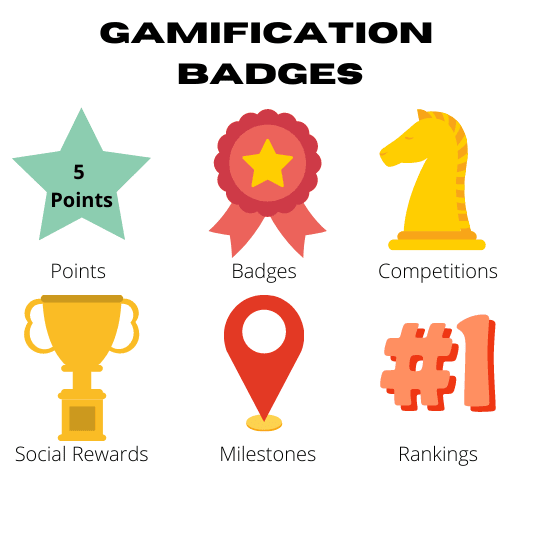
Points in gamification measure user progress numerically. Badges represent visual achievements for milestones or status recognition.
Gamify loyalty programs by adding points, badges, challenges, leaderboards, and rewards. Encourage social sharing and interactive quests. Track progress to boost engagement and customer retention.
The four types of gamification are Socializers, Explorers, Achievers, and Killers. Each type motivates users differently.
Gamification incentives are rewards that motivate users to engage and complete tasks. They include points, badges, discounts, and prizes. These incentives encourage participation and boost user engagement by providing tangible or virtual benefits for achieving goals or milestones.
Adding gamification elements like badges, points, and rewards boosts user engagement. These simple tools make tasks fun and motivate users to keep going. Track progress clearly and celebrate achievements visibly. Choose rewards that fit your audience and goals. Start small and adjust based on feedback.
Gamification turns learning or work into an interactive experience. This approach helps build loyalty and encourages participation. Keep it easy to understand and fair for all users. Gamification can create a positive, motivating environment that drives success.





Leave A Reply Now