



You want your e-commerce store to grab attention and turn visitors into buyers, right? The secret lies in powerful headlines and clear calls-to-action (CTAs) that speak directly to your customers.
When done right, your words can trigger emotions, spark curiosity, and guide shoppers toward clicking that crucial button. You’ll discover simple yet effective copywriting tips to craft headlines that hook your audience and CTAs that boost your sales. Get ready to make your product pages impossible to ignore!
Crafting powerful headlines is the first step in grabbing your visitor’s attention. A strong headline makes shoppers stop and read. It sets the tone for your product and encourages clicks. Headlines must be clear and direct. They should promise a benefit or solve a problem quickly. An effective headline can boost sales and improve user experience on your e-commerce site.
Use words that everyone understands. Avoid complex terms and jargon. Clear headlines help shoppers know what you offer right away. Short sentences work best. Simple language keeps readers interested and reduces confusion. This approach increases the chance that people will read more.
Focus on what the customer gains. Highlight the main benefit or value of your product. Tell shoppers why your offer is worth their time and money. Benefits like saving time, money, or effort catch attention. Make sure your headline shows how you solve a problem or improve life.
Create a sense of urgency to prompt quick action. Use words like “limited time,” “only today,” or “while supplies last.” Scarcity makes the offer feel special and rare. This encourages customers to buy sooner rather than later. Urgency can increase conversions by motivating immediate decisions.
Try various styles to find what works best. Use questions, lists, or commands as headline formats. Some shoppers respond well to questions that spark curiosity. Others prefer clear commands or numbered lists. Testing helps discover the format that drives the most clicks and sales.
Designing effective CTAs (Call to Actions) is key to boosting sales in e-commerce. A well-crafted CTA guides visitors to take the next step. It should be clear, inviting, and easy to spot. Each element of the CTA impacts user response. Focus on wording, design, and risk level to increase clicks and conversions.
Start CTAs with clear, active verbs. Words like “Buy,” “Get,” or “Shop” prompt immediate action. Avoid weak verbs that confuse or delay decisions. Strong verbs create urgency and direct attention. They tell visitors exactly what to do next. Keep verbs simple to suit all readers.
CTAs must stand out on the page. Use contrasting colors and large buttons. Place them where eyes naturally fall, such as above the fold. White space around CTAs helps avoid clutter. Design should make CTAs easy to click on any device. A visible CTA invites more clicks and sales.
Replace common phrases like “Click Here” or “Buy Now.” These lack excitement and fail to explain benefits. Use specific phrases that relate to the product. For example, “Add to Cart for Free Shipping” or “Claim Your Discount Today.” Unique CTAs build trust and interest. They feel personal and relevant.
Offer something easy to accept at first. Free trials, samples, or discounts reduce buyer hesitation. Low-risk offers encourage visitors to engage without fear. This builds confidence for bigger purchases later. Early wins make customers more likely to return. Highlight these offers clearly in your CTAs.
Mobile shopping grows every day. Optimizing your e-commerce copy for mobile screens boosts user experience and sales. Mobile users scroll fast and tap with fingers. Your copy must be easy to read and interact with on small devices.
Short paragraphs improve readability on small screens. Avoid large blocks of text that tire the eyes. Use one or two sentences per paragraph. This keeps your message clear and quick to digest. Mobile readers appreciate brief and direct content.
Break information into bullet points for easy scanning. Headings guide readers through the content. They help users find key details fast. Use simple words in headings to match mobile reading habits. This structure improves comprehension and engagement.
Buttons must be big enough for fingers to tap without errors. Small buttons cause frustration and lost sales. Leave space around buttons to prevent accidental taps. Use clear, action-oriented text on buttons. This encourages users to click and complete purchases.

Credit: unbounce.com
Tailoring your e-commerce copy to fit your audience is key to boosting sales. Writing with your customers in mind helps grab their attention. It also builds trust and makes your message clear. Knowing who you talk to shapes your headlines and calls to action. This focus makes your copy more effective and your store more successful.
Start by learning what your customers want and need. Think about their problems and how your product solves them. Use surveys, reviews, or social media to gather insights. Address their pain points directly in your copy. When customers see their needs met, they feel understood and ready to buy.
Use words your audience knows and uses every day. Keep sentences short and clear. Avoid jargon or complex terms. Match the tone to your customer’s style, whether casual or formal. Speaking their language helps readers connect with your message fast. It also reduces confusion and increases trust.
Focus on what your product does for the customer. Show how it saves time, money, or effort. Use bullet points to list benefits clearly. Benefits matter more than features in copywriting. Customers want to know what’s in it for them. Make these benefits stand out in your headlines and CTAs.
Psychological triggers influence customer decisions deeply. Using these triggers in e-commerce copywriting boosts engagement and sales. These triggers tap into basic human instincts. They make headlines and CTAs more compelling and persuasive.
Urgency pushes customers to act quickly. Words like “limited time” or “only a few left” spark immediate action. Urgency reduces hesitation and doubt. It encourages buyers to complete purchases now instead of later. Use countdown timers or limited stock alerts to reinforce urgency.
People trust others’ opinions and experiences. Show reviews, ratings, or testimonials to build trust. Highlight the number of customers who bought or liked a product. Social proof lowers buyer anxiety and increases confidence. It makes your offer feel safer and more reliable.
Emotions drive many buying decisions. Use words that connect with feelings like happiness, fear, or excitement. Tell stories or describe benefits that touch the heart. Emotional appeals create stronger bonds with your audience. They make your message memorable and persuasive.
Credit: content-whale.com
Testing and refining your e-commerce copy is essential for better sales. Small changes in headlines and calls to action (CTAs) can boost customer clicks and purchases. This process helps you find what works best for your audience. Keep improving your copy based on real data and user feedback.
A/B testing means comparing two versions of a headline or CTA. Show each version to different visitors. Check which one gets more clicks or sales. Testing helps avoid guessing. It shows which words or phrases attract customers more.
Try different action verbs, lengths, or tones. For example, test “Buy Now” versus “Get Yours Today.” Run tests for enough time to get clear results. Use tools like Google Optimize or Optimizely for easy testing.
Look at your website data to see how copy performs. Track clicks on headlines and CTAs. Check how many visitors buy after clicking. Use Google Analytics or your e-commerce platform reports. Find pages with low conversion rates.
Data reveals where customers lose interest. Find which copy lines lead to more sales. Look for patterns in audience behavior. Use this info to make smart changes in your text.
Customer feedback is valuable for refining copy. Read reviews, surveys, or chat messages. Notice common questions or concerns. Adjust your headlines and CTAs to address these points. Clear and helpful copy builds trust and encourages buying.
Test new versions after changes. Keep improving step by step. This cycle of testing and refining leads to stronger copy. It makes your e-commerce site more effective and user-friendly.
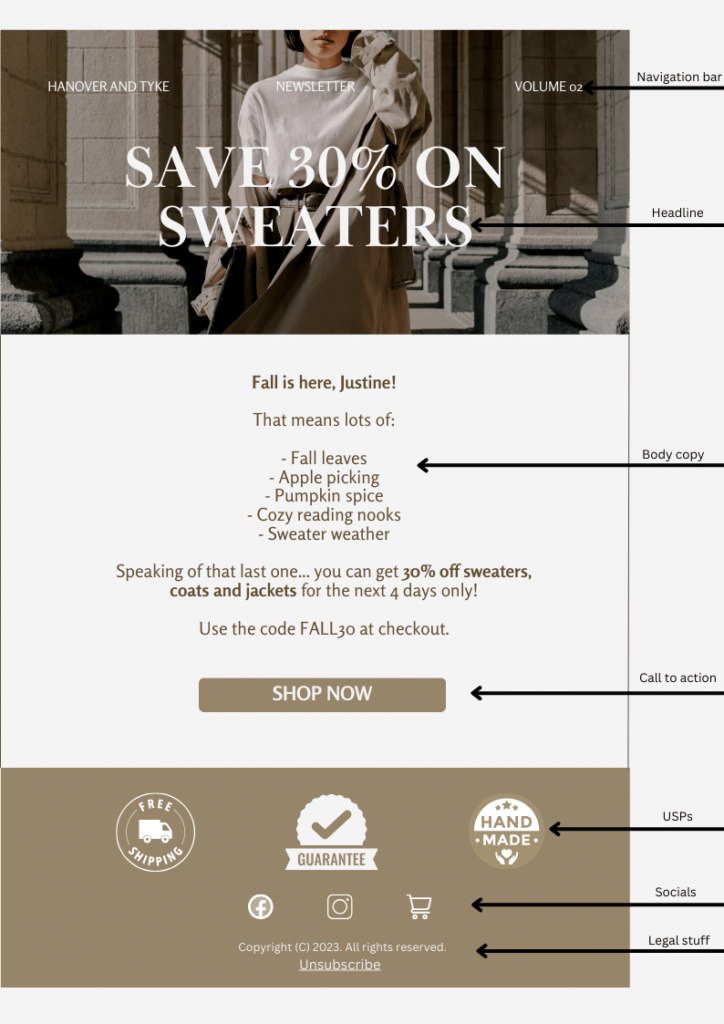
Good formatting improves readability and keeps visitors on your e-commerce site. Clear text layout helps shoppers find information fast. Simple, clean design avoids overwhelming readers. Proper formatting makes headlines, calls to action (CTAs), and key points easy to spot. This section shares tips to format your copy for better engagement and conversions.
Use headings to divide content into sections. Headings guide readers through the page quickly. They act like signposts, showing what each part covers. Short, descriptive headings work best. Avoid long or complex titles. Headings improve scan-ability and help readers find what matters. This keeps visitors interested and reduces bounce rates.
Buttons should stand out and be easy to tap. Use simple words on buttons like “Buy Now” or “Add to Cart.” Avoid confusing or vague phrases. Make buttons large enough to see on all devices. Use contrasting colors to highlight buttons against the background. Clear buttons improve click rates and help shoppers take action faster.
Make important points easy to spot with bold or color highlights. Use bullet points to list benefits or features. Short sentences with highlighted keywords catch attention. Avoid long paragraphs that hide key messages. Highlighting helps shoppers remember your offer and makes the page easier to read. This technique guides visitors toward making a purchase.
Credit: thecopybrothers.com
An effective headline grabs attention instantly and highlights the main benefit. It should be clear, concise, and relevant to the product or offer. Using emotional triggers and power words boosts engagement and encourages users to keep reading.
CTAs guide customers toward taking action, such as buying or signing up. Strong, clear CTAs use action verbs and create urgency. They should stand out visually and be easy to tap on mobile devices for higher conversions.
Simple language ensures your message is easily understood by a broad audience. Short sentences and paragraphs improve readability, especially on mobile. Clear, focused copy reduces confusion and helps customers make faster decisions.
Targeted headings organize content and highlight key points, making scanning easier. They help visitors quickly find relevant information and improve SEO by including important keywords. This keeps users engaged and lowers bounce rates.
Strong headlines and clear CTAs guide customers to act quickly. Use simple words and focus on benefits. Break text into short, easy parts for better reading. Test different phrases to see what works best. Keep your message clear and direct.
This helps boost sales and builds trust. Remember, writing that speaks plainly wins every time.







Leave A Reply Now