


Are you ready to turn your course idea into a thriving success? Knowing how to market your course effectively can make all the difference between struggling to attract students and filling your classes with eager learners.
But where do you start if you’re new to marketing? This step-by-step roadmap breaks down a clear, easy-to-follow strategy designed just for beginners like you. By the end, you’ll have a practical plan to reach your ideal audience, build trust, and boost your course sales.
Keep reading, because your journey to confident and effective course marketing begins right here.
Course market research is the first step in creating a successful course marketing strategy. It helps you understand your potential learners and the overall market. This research guides your decisions and shapes your course offers.
By studying the market, you learn what your audience needs and what competitors offer. You can then find unique opportunities that match your skills and interests. This process increases your chances of success.
Start by defining who your ideal learners are. Think about their age, education, job, and interests. Knowing these details helps you tailor your course content to their needs. It also guides your marketing messages and channels.
Use surveys, social media, and forums to gather information. Look for common problems or goals they share. This insight forms the base of your course marketing plan.
Check other courses in your niche. See what topics they cover and how they present them. Notice their strengths and weaknesses. This helps you understand the market standards and what learners expect.
Focus on course price, quality, and reviews. Learn from competitors’ successes and mistakes. This knowledge helps you position your course better and avoid common pitfalls.
Look for areas where learners’ needs are not fully met. These gaps are chances to offer something new or better. It could be a topic not well covered or a teaching style that learners prefer.
Use your research to spot these opportunities. Filling a market gap can attract more learners. It also reduces direct competition and increases your course’s value.
Course positioning shapes how your course appears to potential learners. It highlights what makes your course special. Positioning helps your audience understand why they should choose your course over others. This step is key to attracting the right students and boosting enrollments.
Identify what sets your course apart from others. Focus on the skills, outcomes, or methods that are unique. Think about what problems your course solves better than the rest. Clear unique selling points help learners quickly see your course value.
Create simple and clear messages that explain your course benefits. Use easy words that your target audience understands. Highlight how the course helps learners achieve their goals. Consistent messaging builds trust and interest in your course.
Choose a pricing model that fits your course value and audience budget. Consider options like one-time payment, subscription, or tiered pricing. Test prices to find what works best for sales and learner satisfaction. Fair pricing encourages more enrollments and positive reviews.
Content marketing plays a key role in promoting your course effectively. It helps you connect with your audience and build trust. Good content draws people in and encourages them to learn more about your course.
Focus on sharing helpful information that solves problems. This approach makes your course valuable and attracts potential students. Use different content types to reach a wider audience and keep them interested.
Start by understanding what your audience needs. Create content that answers their questions and offers clear solutions. Use simple language and keep sentences short for easy reading.
Include stories or examples to make your content relatable. Use headings and bullet points to organize information. This makes your content easier to scan and understand.
Blogs and articles help share detailed information about your course topics. Write posts that explain key concepts or common challenges your students face.
Publish regularly to keep your audience engaged. Use keywords naturally to improve search engine visibility. This helps more people find your course online.
Videos capture attention quickly and show your course in action. Create short videos that introduce your course or explain important ideas.
Use clear visuals and speak slowly to help learners follow along. Share videos on social media and your website to reach more viewers.

Credit: coschedule.com
Social media plays a vital role in course marketing. It helps you reach a wide audience and connect with potential learners. Using smart social media tactics can boost your course visibility and sales.
Focus on platforms where your audience spends time. Engage with followers by sharing useful content and answering questions. Running ads can target specific groups and drive course sign-ups.
Select social media platforms that fit your course topic and audience. Facebook suits broad audiences and community building. Instagram works well for visual and lifestyle topics. LinkedIn targets professionals and business learners. YouTube is ideal for video tutorials and demonstrations. Focus your efforts on one or two platforms for better results.
Respond to comments and messages quickly. Post regularly with helpful tips related to your course. Use polls and questions to invite interaction. Share success stories and testimonials from your students. Create groups or forums to foster peer support. Engagement builds trust and encourages learners to join your course.
Set clear goals before launching ads, like increasing course sign-ups. Use targeting options to reach people by age, interests, and location. Create simple, eye-catching ads with a clear call to action. Test different ad copies and images to see what works best. Monitor ad performance and adjust your budget to improve results. Ads help you reach new learners beyond your organic followers.
Email marketing remains one of the most effective ways to reach potential students for your course. It allows you to connect directly with your audience and share valuable information. Through emails, you can build trust and keep your course top of mind. This section breaks down the key steps to start email marketing for your course.
Start by collecting email addresses from people interested in your course. Use simple sign-up forms on your website or landing pages. Offer a free resource, like an ebook or checklist, to encourage sign-ups. Make sure to ask only for essential information to keep the process easy. A larger list means more chances to reach potential students.
Create clear and engaging emails that speak to your audience’s needs. Use short sentences and simple words to keep readers interested. Each email should have one main message or call to action. Use a friendly tone and personalize emails by including the recipient’s name. Test different subject lines and email formats to find what works best.
Set up automated email sequences to guide potential students through your course journey. Automation saves time and ensures timely follow-ups. Send welcome emails, reminders, and helpful tips automatically. This keeps your audience engaged without manual effort. Use tools that allow easy setup and track how people interact with your emails.
Paid advertising is a powerful tool in course marketing. It helps reach a specific audience fast. By investing in ads, beginners can boost course visibility and attract more students. Paid ads appear on search engines, social media, and other websites. This section covers the basics to start your paid advertising journey.
Google Ads lets you show ads on Google search results. Choose keywords related to your course topic. When people search these words, your ad appears. You pay only when someone clicks your ad. Start with a small budget to test which ads work best. Write clear and simple ad text. Use strong call-to-actions like “Enroll Now” or “Learn More.” Track which keywords bring the most clicks and sign-ups.
Social media platforms like Facebook, Instagram, and LinkedIn offer paid ads. These ads can target users by age, location, interests, and behavior. Create eye-catching images or videos for your ads. Keep the message short and focused on course benefits. Use social media ads to build awareness and drive traffic to your course page. Test different ad types and formats to find the best fit for your audience.
Tracking your ad results is essential. Use tools like Google Analytics and platform insights. Measure clicks, impressions, and conversions. Conversion means a visitor signs up for your course. Look at cost per click and cost per conversion to see if ads are affordable. Pause ads that do not perform well. Improve ads by changing text, images, or targeting. Regularly review data to get better results over time.
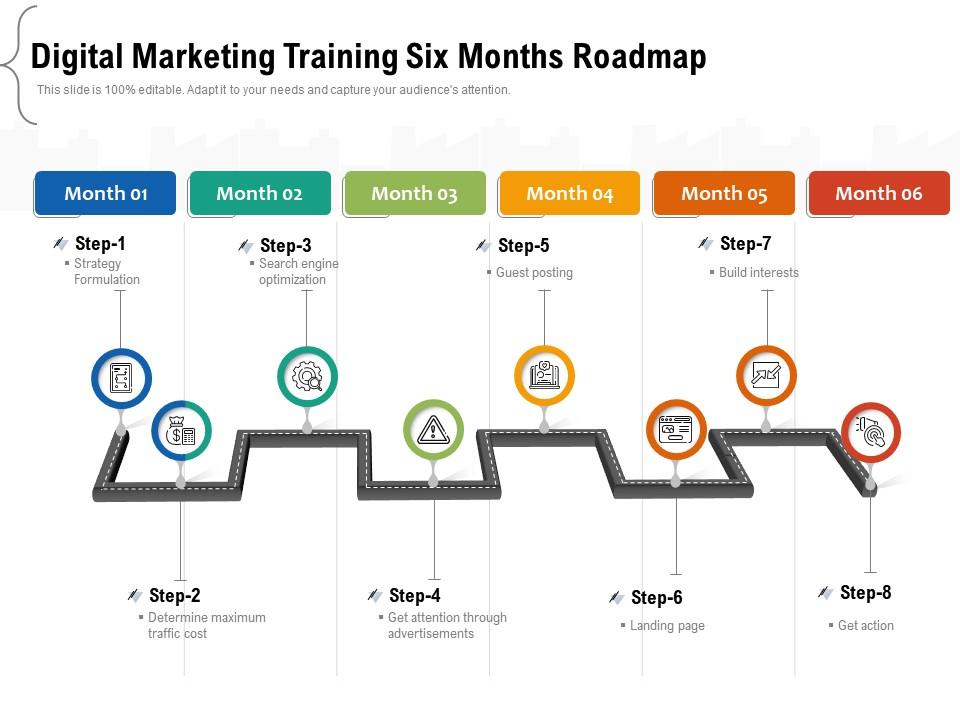
Optimizing the sales funnel is key to turning curious visitors into paying students. A well-structured funnel guides prospects through stages that build trust and interest. Each step must clearly show the value of your course. This process improves enrollment rates and strengthens your brand.
Landing pages act as the first impression for your course offer. They need to be clear, simple, and focused on one goal: getting sign-ups. Use concise headlines and bullet points to explain benefits. Include strong calls to action that stand out. Keep the design clean to avoid distractions.
Lead magnets attract potential students by offering something valuable for free. It can be a checklist, ebook, or mini-course related to your main course. This builds trust and collects email addresses. Make sure the magnet solves a real problem your audience faces.
Convert visitors by nurturing their interest with follow-up emails or messages. Share testimonials and success stories to build credibility. Offer limited-time discounts or bonuses to encourage quick decisions. Make the enrollment process easy and clear to avoid drop-offs.
Credit: www.slideteam.net
Tracking and analytics play a vital role in course marketing success. They show what works and what does not. With clear data, you can improve your marketing efforts. Tracking helps you understand your audience better. Analytics reveal the paths users take before buying your course. This insight allows you to make smarter decisions and boost sales.
Key Performance Indicators (KPIs) measure your marketing success. Choose KPIs that match your goals. Examples include website traffic, conversion rate, and email sign-ups. Define clear targets for each KPI. This way, you know when your strategy works. KPIs keep your efforts focused and on track.
Use analytics tools to collect and analyze data. Google Analytics is a popular choice for tracking website behavior. It shows visitor numbers, sources, and actions. Social media platforms offer built-in analytics for engagement metrics. Email marketing tools track open and click rates. These tools provide valuable data to guide your marketing.
Data reveals what parts of your strategy succeed or fail. Use this information to make changes. If a campaign has low engagement, try new messaging or channels. Increase budget on high-performing ads. Test different content formats to see what resonates. Regularly review your data and refine your approach for better results.
Building brand authority is key to gaining trust in the course market. A strong brand shows students that your course is reliable and valuable. This trust helps attract more students and keeps them coming back. Focus on creating a reputation that stands out in your niche.
Student testimonials add real proof to your course quality. Ask your students to share their experiences and results. Display these testimonials clearly on your course page and marketing materials. Positive reviews help new students feel confident about joining your course. Keep testimonials short and honest for better impact.
Partner with influencers who share your course topic. Influencers can introduce your course to a wider audience. Choose influencers trusted by your target students. Offer them free access or special deals to review your course. Their endorsement increases your course’s credibility and reach.
Webinars and workshops let you connect directly with potential students. Use these events to showcase your expertise and teaching style. Offer valuable tips and answer questions live. This interaction builds trust and shows your commitment to student success. Promote these events to grow your audience and brand authority.

Credit: www.udemy.com
Scaling your course marketing is the next big step after launching your course. It means reaching more students without losing quality. Scaling helps grow your income steadily. It also builds your brand’s trust and authority. Focus on smart methods that save time and effort while expanding your reach.
Using more marketing channels spreads your message wider. Try social media platforms like Instagram, Facebook, or LinkedIn. Each platform has a unique audience. Email marketing remains powerful for direct communication. Use blogs and podcasts to share useful content. Test different channels to find what works best. This approach increases visibility and attracts diverse learners.
Automation saves time and reduces errors. Use tools to schedule social media posts. Email sequences can nurture leads automatically. Automate reminders for course launches and special offers. This keeps your audience engaged without daily effort. Automation frees you to focus on course improvement and content creation.
Partnering with others can boost your reach quickly. Find influencers or bloggers in your niche. Collaborate on webinars or joint promotions. Partnerships provide access to new audiences. Choose partners whose values align with yours. This builds trust and opens doors to more sales opportunities.
A course marketing strategy is a plan to promote and sell online courses. It targets the right audience, uses effective channels, and optimizes content to boost enrollment and engagement.
Beginners start course marketing by identifying their target audience, creating valuable content, and choosing marketing channels like social media and email campaigns.
A step-by-step roadmap provides clear guidance, ensures consistent progress, and helps beginners avoid common mistakes in course marketing.
Effective channels include social media, email marketing, content marketing, paid ads, and partnerships to maximize course visibility and reach.
Creating a course marketing strategy takes time and effort. Follow each step carefully to reach your audience. Keep testing and improving your plan as you go. Clear goals help you measure your progress well. Stay consistent with your marketing activities every day.
With patience, you will see steady growth in your course sales. Remember, learning and adapting is part of success. Start small, stay focused, and build your course business confidently.







Leave A Reply Now