

Are you ready to make your corporate brand stand out where it truly matters? LinkedIn is more than just a professional network—it’s a powerful platform to shape how your company is seen by clients, partners, and industry leaders.
But without the right strategy, your brand’s message can easily get lost in the noise. You’ll discover simple yet effective ways to use LinkedIn to build trust, showcase your company’s values, and create lasting connections. Keep reading to unlock the secrets that can transform your LinkedIn presence into a magnet for opportunities and growth.

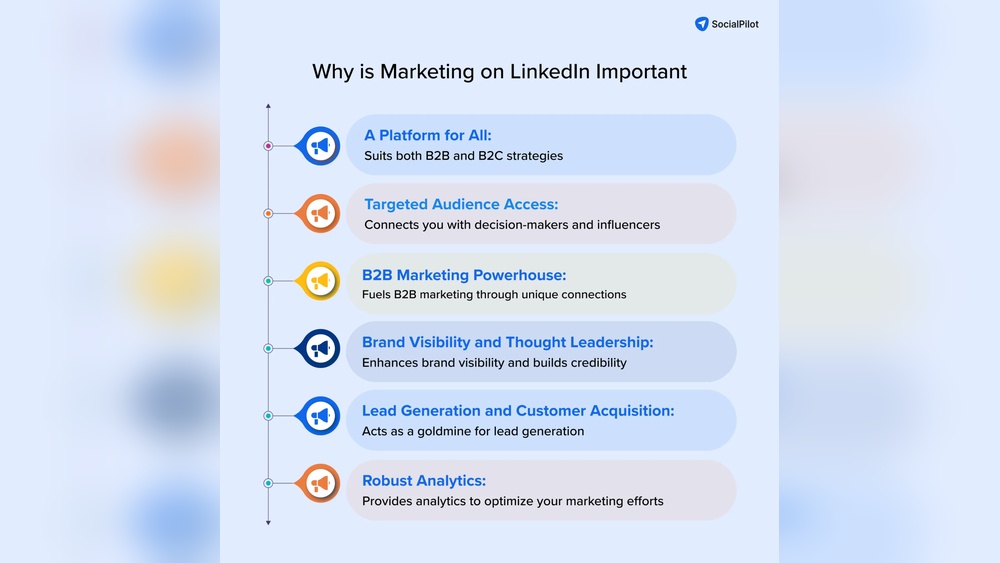
Credit: www.slideteam.net
LinkedIn stands out as a top platform for corporate branding. It offers companies a space to showcase their identity and values. Through LinkedIn, brands connect with professionals and decision-makers worldwide. This connection helps build trust and credibility. A strong presence on LinkedIn supports long-term brand growth and recognition.
LinkedIn hosts millions of professionals and businesses. This audience is highly engaged and business-focused. Brands find an ideal environment to share expertise and insights. The platform also helps companies reach targeted decision-makers. It strengthens reputation by displaying company culture and achievements. LinkedIn’s professional context makes brand messages more credible.
Company pages allow brands to present their story clearly. Regular posts keep followers informed and interested. LinkedIn Articles enable deep dives into industry topics. Employee advocacy boosts reach through authentic voices. LinkedIn Groups foster community and networking. Analytics tools track engagement and improve strategy. Paid ads provide precise targeting for brand campaigns.
Crafting your brand message on LinkedIn sets the tone for all corporate branding efforts. It defines how your company speaks and connects with others. A clear brand message helps build trust and recognition.
The message should reflect your company’s values and mission. It must stand out in a professional environment. Consistency is key to making a lasting impression.
Your brand voice is the personality behind your words. It can be formal, friendly, or inspiring. Choose a voice that fits your company culture and industry.
Think about how your team communicates. Use language that feels natural and clear. Avoid jargon and complex terms that confuse readers.
A strong voice makes your posts memorable. It helps people understand what your brand stands for. Test your voice by reviewing past content and feedback.
Know who you want to reach on LinkedIn. Focus on their needs, challenges, and interests. Tailor your message to speak directly to them.
Use words and topics that your audience values. Highlight benefits that matter most to their business or career. Show empathy and understanding in your tone.
Consistent alignment builds stronger connections. It encourages engagement and trust. Regularly update your message as your audience evolves.
Optimizing your LinkedIn company page plays a crucial role in corporate branding. It creates a strong first impression for visitors and potential clients. A well-crafted page builds trust and showcases your company’s identity clearly. This section explains key steps to enhance your company page for better engagement and visibility.
Start with a clear and professional company name. Use your official logo as the profile image. Write a concise and informative tagline that reflects your brand. Fill out the “About” section with simple language explaining your mission and values. Include your website URL and contact details. Choose the correct industry and company size. Set a custom URL for easy sharing and SEO benefits. Keep all information updated to maintain credibility.
Create detailed descriptions for each product or service you offer. Highlight unique features and benefits in easy-to-read sentences. Use bullet points for quick scanning. Add links to case studies or client testimonials if available. Organize your offerings into clear categories for better navigation. Keep your descriptions honest and customer-focused. This helps visitors understand what you provide and why it matters.
Use high-quality images and videos to attract attention. Add a branded cover photo that matches your company’s style. Share behind-the-scenes photos to humanize your brand. Post short videos explaining your products or company culture. Visual content increases engagement and makes your page memorable. Update visuals regularly to keep the page fresh and relevant.
Building brand authority on LinkedIn starts with a strong content strategy. This strategy helps your company stand out as a trusted leader. Clear and consistent content shows your expertise and values. It also builds trust with your audience over time.
Focus on creating content that informs and engages your target market. Share insights, updates, and ideas that reflect your brand’s voice. A well-planned content strategy boosts your visibility and credibility on LinkedIn.
Posts should capture attention quickly. Use simple language and clear messages. Include questions or calls to action to invite interaction. Visuals like images or videos increase engagement rates. Keep posts relevant to your industry and audience interests. Regularly review what content gets the best response. Adjust your posts to fit your audience’s preferences.
Stories make your brand relatable and memorable. Share real experiences from your company or customers. Highlight challenges and how your brand solves them. Use stories to explain your values and mission. Keep stories short and focused on key points. A good story connects emotionally and builds trust.
Post often but maintain high quality. Too many posts can overwhelm followers. Too few reduce your visibility. Find a steady rhythm that keeps your audience interested. Each post should offer value, not just fill space. Quality content strengthens your brand authority. Consistency helps your brand stay top of mind.
Employee advocacy and engagement play a key role in building a strong corporate brand on LinkedIn. Employees who actively share company content and stories become brand ambassadors. This helps create trust and humanizes your brand. Engaged employees bring authentic voices to your brand’s message, making it more relatable and credible.
Encouraging employees to participate in LinkedIn activities boosts brand visibility. Their networks extend your reach beyond what the company page alone can achieve. This strategy not only increases awareness but also fosters a positive company culture. Let’s explore how to encourage employee participation and amplify your brand’s reach through their networks.
Start by creating easy ways for employees to share content. Provide clear guidelines on what to post and how to engage professionally. Offer training sessions to help them build their LinkedIn profiles. Recognize and reward employees who actively participate. This builds motivation and shows that their efforts matter. Encourage employees to share success stories and company updates. Make participation part of your company’s culture.
Each employee’s LinkedIn network is unique and valuable. When employees share content, it reaches new audiences. This helps attract potential clients, partners, and talent. Encourage employees to engage with comments and questions on their posts. This interaction increases visibility and builds relationships. Use employee stories and testimonials to add authenticity. Amplify your brand by tapping into the power of personal networks.

Credit: authoredup.com
Using LinkedIn tools and analytics is essential for effective corporate branding. These resources help companies understand their audience better. They also allow brands to measure the success of their content and campaigns. By analyzing data, businesses can refine their strategies and improve engagement.
LinkedIn offers many features to support both paid and organic marketing efforts. Its analytics dashboard provides insights into post performance, follower growth, and audience demographics. This data guides decision-making and budget allocation for branding activities.
Paid strategies on LinkedIn include sponsored content and ads. These help reach a larger, targeted audience quickly. Paid campaigns boost visibility for brand messages and events. They offer precise targeting by job title, industry, and location.
Organic strategies focus on sharing valuable content through company pages and employee networks. This builds trust and fosters long-term relationships with followers. Organic posts encourage engagement through comments and shares. Combining paid and organic methods creates a balanced branding approach.
LinkedIn analytics track key performance indicators like impressions, clicks, and engagement rates. Monitoring these metrics shows which content resonates most with the audience. Brands can identify top-performing posts and replicate their success.
Tracking follower growth over time reveals how well the brand attracts and retains interest. Analytics also provide insights into audience demographics. This helps tailor content to match follower preferences.
Regularly reviewing analytics supports continuous improvement. It enables brands to adapt quickly and maintain a strong LinkedIn presence.
Social selling on LinkedIn means connecting with potential clients without pushing products hard. This approach builds trust and creates genuine relationships. It focuses on helping others and sharing valuable information. The goal is to attract interest naturally.
Start by engaging with your audience regularly. Comment on their posts and share useful insights. Listen to their needs and offer support. Be authentic and patient. Real connections grow over time. Avoid aggressive sales pitches. Instead, focus on understanding challenges and offering solutions.
Create content that answers common questions and solves problems. Use stories, tips, and how-to guides to show your expertise. Include clear calls to action that invite conversation or questions. This encourages potential clients to reach out. Share success stories and case studies to build credibility. Good content builds trust and turns followers into leads.
Building a strong corporate brand on LinkedIn requires careful planning and execution. Many businesses stumble by making simple mistakes that weaken their brand’s authority. Avoiding common pitfalls helps maintain trust and credibility with your audience. Clear, honest communication stands as the foundation of a lasting brand presence on LinkedIn.
Ignoring your LinkedIn audience can damage your brand’s reputation. Posting irrelevant or overly promotional content pushes followers away. Using inconsistent branding confuses viewers and lowers trust. Failing to engage in conversations makes your company appear distant or uninterested. Sharing inaccurate or outdated information harms your credibility and reputation.
Show your company’s real values and culture through your posts. Use a consistent tone that matches your brand personality. Share stories and experiences that your audience can relate to easily. Respond to comments and messages promptly to build stronger connections. Avoid exaggerations or false claims that can lead to mistrust.
Scaling your brand presence on LinkedIn strengthens your corporate identity. It broadens your reach and builds trust among your target audience. Consistent efforts can make your brand more recognizable in your industry.
Growing your LinkedIn network increases your brand visibility. Connect with industry leaders, potential clients, and employees. Each connection acts as a new channel to share your brand message. Personalize connection requests to build genuine relationships. Regularly engage with your network through comments and shares. This keeps your brand active and top of mind.
Partnering with other companies or influencers boosts your brand credibility. Collaborations expose your brand to new and relevant audiences. Choose partners whose values align with your brand. Co-create content such as webinars, articles, or case studies. This demonstrates your expertise and expands your reach. Cross-promotion helps both parties grow their LinkedIn presence effectively.
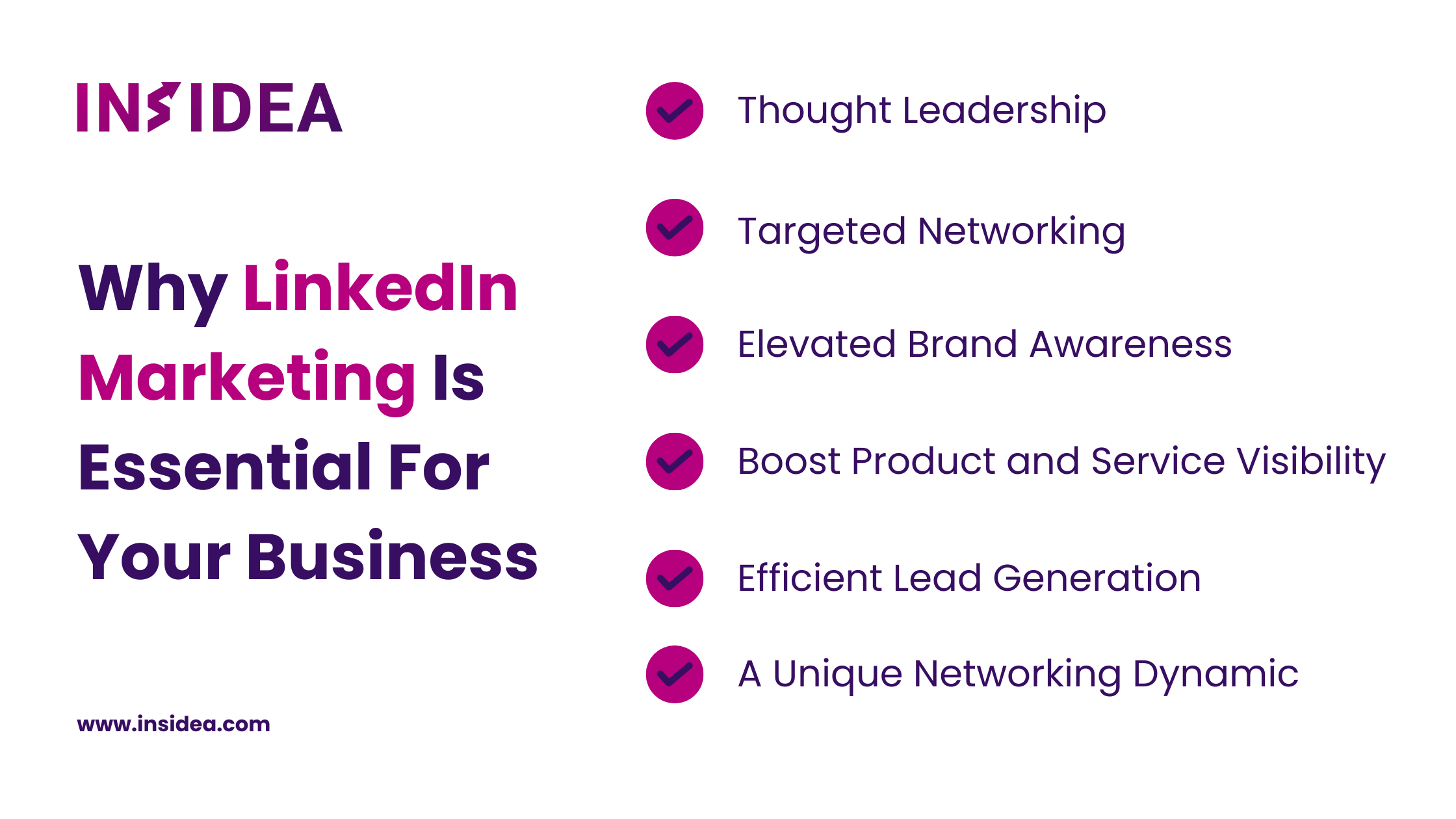
Credit: insidea.com
A LinkedIn strategy for corporate branding uses the platform to build brand awareness. It involves content sharing, employee advocacy, and engaging with the target audience. This boosts brand credibility and attracts potential clients or talent effectively.
LinkedIn improves visibility by showcasing company culture, sharing valuable content, and engaging with followers. It leverages professional networks to reach a wider audience, enhancing brand recognition and trust in the corporate sector.
Employee advocacy amplifies your brand message through authentic voices. Employees sharing company content increases reach, builds trust, and humanizes your brand, making corporate branding more relatable and impactful on LinkedIn.
Content that educates, inspires, or tells your brand story works best. Use articles, videos, and posts highlighting company values, achievements, and industry insights to engage your LinkedIn audience effectively.
A strong LinkedIn strategy builds trust and connects with the right people. Share clear messages and engage regularly to grow your brand. Use LinkedIn tools to highlight your company’s values and achievements. Keep your content relevant and simple to attract more followers.
Consistency matters; post often and respond to comments. This helps your brand stand out in a busy market. Focus on building real relationships, not just selling. Your corporate brand will gain recognition and respect over time.






Leave A Reply Now