


Are you looking to boost your revenue without chasing new customers? Upselling and cross-selling could be the game-changers your business needs.
By offering your customers smarter options and relevant add-ons, you can increase your sales while enhancing their shopping experience. You’ll discover simple yet powerful strategies to turn every customer interaction into an opportunity for more profit. Ready to learn how to sell more, effortlessly?
Keep reading to unlock the secrets of effective upsell and cross-sell techniques that work.
Understanding the basics of upselling is key to increasing your business revenue. Upselling means offering customers a better or more expensive version of the product they want. This simple strategy can boost your sales without finding new customers.
Upselling fits naturally in many sales processes. It helps customers see value in upgrading their purchase. With the right approach, upselling feels helpful, not pushy. Let’s explore the foundation of upselling and how it benefits your business.
Upselling means encouraging customers to buy a higher-end product. It is not about pushing unnecessary items. Instead, it shows the customer a better option that suits their needs. For example, suggesting a laptop with more memory or a phone with extra features. This helps customers get more value from their purchase.
Upselling increases the average sale amount per customer. It improves customer satisfaction by offering better products. Higher sales lead to better profits and business growth. Upselling also builds customer trust when done honestly. It creates long-term value for both the business and buyer.
One popular technique is showing product comparisons. This highlights the benefits of higher-tier items. Another method is offering limited-time upgrades or discounts. Salespeople can suggest add-ons that improve the main product. Using clear and simple language helps customers decide quickly. These techniques make upselling natural and effective.
Cross-selling is a key strategy to increase revenue by offering related products. It helps businesses meet customer needs better. Customers find value in buying products that complement their original purchase. This section explains the basics of cross-selling and its benefits. It also covers popular methods to use in your sales process.
Cross-selling means suggesting additional products alongside a main item. The goal is to encourage customers to buy more. These extra products usually complement or enhance the original purchase. For example, if a customer buys a smartphone, a case or charger might be offered. This approach adds value and improves the customer’s experience.
Cross-selling increases the average order value and overall sales. It helps build stronger customer relationships by offering useful items. This strategy also improves customer satisfaction and loyalty. Businesses can reduce marketing costs by selling more to existing customers. Cross-selling creates a win-win situation for both sellers and buyers.
One common method is suggesting related products on the product page. Another is offering bundles that combine several items at a discount. Post-purchase recommendations in emails can also boost sales. Staff can suggest add-ons during checkout in physical stores. Using data to personalize cross-sell offers increases their success rate.
Understanding the key differences between upsell and cross-sell is essential for increasing revenue. Both strategies aim to boost sales but use different approaches. Knowing how they differ helps businesses apply them effectively. This section breaks down their distinctions under three important aspects.
Upsell encourages customers to spend more on a higher-value product. It increases the amount spent on a single purchase. Cross-sell aims to add more items to the customer’s order. It focuses on increasing the total purchase volume.
Upsell targets customers ready to buy and offers them a better option. It appeals to customers seeking quality or advanced features. Cross-sell suggests related products that complement the main purchase. It helps customers find useful additions they may need.
Upsell involves upgrading to a similar but more expensive product. It stays within the same product line or category. Cross-sell promotes different products that enhance the original item. These products work well together or solve related problems.

Credit: www.convertflow.com
Timing plays a key role in upsell and cross-sell success. Proper timing ensures customers receive offers when they are most open to buying more. This section explores three crucial moments to present your offers. Each moment targets a different stage of the customer journey to boost revenue effectively.
Before customers buy, they explore options and compare prices. This is a great time to present upsell or cross-sell offers. Show related products or upgrades while they browse product pages. Highlight benefits clearly and simply. Pre-purchase offers prepare customers to spend more once they decide to buy.
The checkout process is a critical moment to increase order value. Customers are ready to pay and often open to last-minute suggestions. Offer small add-ons or premium versions of their chosen items. Keep offers relevant and easy to accept. Well-timed checkout offers make customers feel they get better value.
After a purchase, customers are happy and more willing to buy again. Use this positive feeling to suggest complementary products or services. Send follow-up emails or display offers on the thank-you page. Post-purchase upsells build loyalty and encourage repeat sales. Timing these offers right can increase lifetime customer value.
Personalization tactics help tailor upsell and cross-sell offers to each customer. These tactics increase the chances of additional purchases. Customers feel valued and understood. This leads to higher satisfaction and loyalty. Personalization also improves marketing efficiency and drives more revenue.
Divide customers into groups based on common traits. Use data like age, location, or buying habits. This helps create targeted offers for each group. Segmented offers feel relevant and catch attention easily. It avoids wasting resources on broad, generic promotions.
Track customer actions such as browsing or past purchases. Suggest products related to their interests or needs. For example, recommend accessories for items recently bought. This approach matches customer intent closely. It increases the chance they will accept the offer.
Create product bundles tailored to customer preferences. Combine items they often buy together or complement each other. Offer special prices for these bundles to encourage purchase. Personalized bundles provide clear value and convenience. They motivate customers to spend more in one transaction.
Optimizing offers plays a crucial role in upsell and cross-sell strategies. Well-designed offers can guide customers toward higher-value purchases. They must be clear, relevant, and appealing. Smart offer optimization increases revenue without annoying customers.
Too many options confuse buyers and reduce sales. Limit choices to two or three relevant products or bundles. This helps customers decide faster and feel confident. Present options that fit their needs and budget. Focus on quality over quantity to improve conversion rates.
Use pricing to encourage bigger purchases. Offer small discounts on bundles or upgrades. Show price differences clearly to highlight savings. Consider tiered pricing to appeal to different customer segments. Avoid complex pricing that may confuse or scare buyers.
Emphasize the benefits customers get from upsells or cross-sells. Use simple language to explain why the offer is better. Show how the product saves time, money, or effort. Use visuals or bullet points to make value clear. Customers buy more when they see real advantages.
Technology plays a key role in improving upsell and cross-sell efforts. It helps businesses reach customers with the right offers at the right time. Modern tools simplify the sales process and increase revenue without extra effort. Using technology allows companies to analyze customer data and automate personalized suggestions. This section explores three ways technology supports upselling and cross-selling strategies.
Sales automation tools reduce manual tasks for sales teams. They automatically send targeted upsell and cross-sell offers based on customer behavior. These tools track customer interactions and suggest relevant products instantly. Automation speeds up the sales process and increases chances of additional purchases. Sales teams can focus more on building relationships while technology handles repetitive tasks.
AI uses data to predict what customers might want next. It analyzes past purchases and browsing patterns to suggest complementary products. Data analytics help identify trends and customer preferences. Businesses can create personalized offers that feel helpful, not pushy. AI improves decision-making and increases the success rate of upsell and cross-sell campaigns.
Point of Sale (POS) systems integration links sales data with customer profiles. It provides real-time insights into buying habits and product performance. This integration allows staff to offer relevant upsell or cross-sell options during checkout. It creates a seamless shopping experience that encourages customers to add more items. POS integration ensures every transaction supports revenue growth.
Credit: www.veeqo.com
Measuring success is essential for any upsell and cross-sell strategy. It helps you understand what works and what needs improvement. By tracking key metrics, you can make better decisions and increase revenue effectively. Use simple methods to monitor your progress and adjust your tactics accordingly.
Measure the total revenue generated from upsell and cross-sell offers. Compare sales before and after implementing these strategies. This shows the direct financial benefit of your efforts. Use sales reports and analytics tools to gather accurate data. Focus on clear, measurable results to evaluate performance.
Average Order Value (AOV) is a key metric to track. It shows the average amount customers spend per transaction. A rise in AOV indicates successful upselling and cross-selling. Calculate AOV regularly to spot trends and changes. Aim to increase AOV by offering relevant products and upgrades.
Collect customer feedback to understand their experience with upsell and cross-sell offers. Use surveys, reviews, and direct conversations for insights. Positive feedback suggests your offers are valuable and well-timed. Negative feedback helps identify areas to improve. Act on this information to refine your approach.
Effective upsell and cross-sell strategies can greatly boost your revenue. Yet, many businesses make avoidable mistakes that hurt results. Identifying these common errors helps improve customer experience and sales outcomes.
Below are key mistakes to watch out for when creating your upsell and cross-sell offers. Avoiding these pitfalls keeps your strategy sharp and your customers happy.
Offering too many options confuses buyers. Customers may leave without buying anything. Limit upsell and cross-sell offers to one or two relevant choices. Clear, simple options encourage decisions and increase sales.
Promoting unrelated products frustrates customers. Offers must match what customers want or need. Use data and browsing history to suggest fitting products. Relevant offers build trust and boost purchase likelihood.
Upsell and cross-sell offers at the wrong time can annoy buyers. Present offers after customers add items to cart or complete purchase. Avoid interrupting the buying process early. Proper timing increases acceptance and revenue.
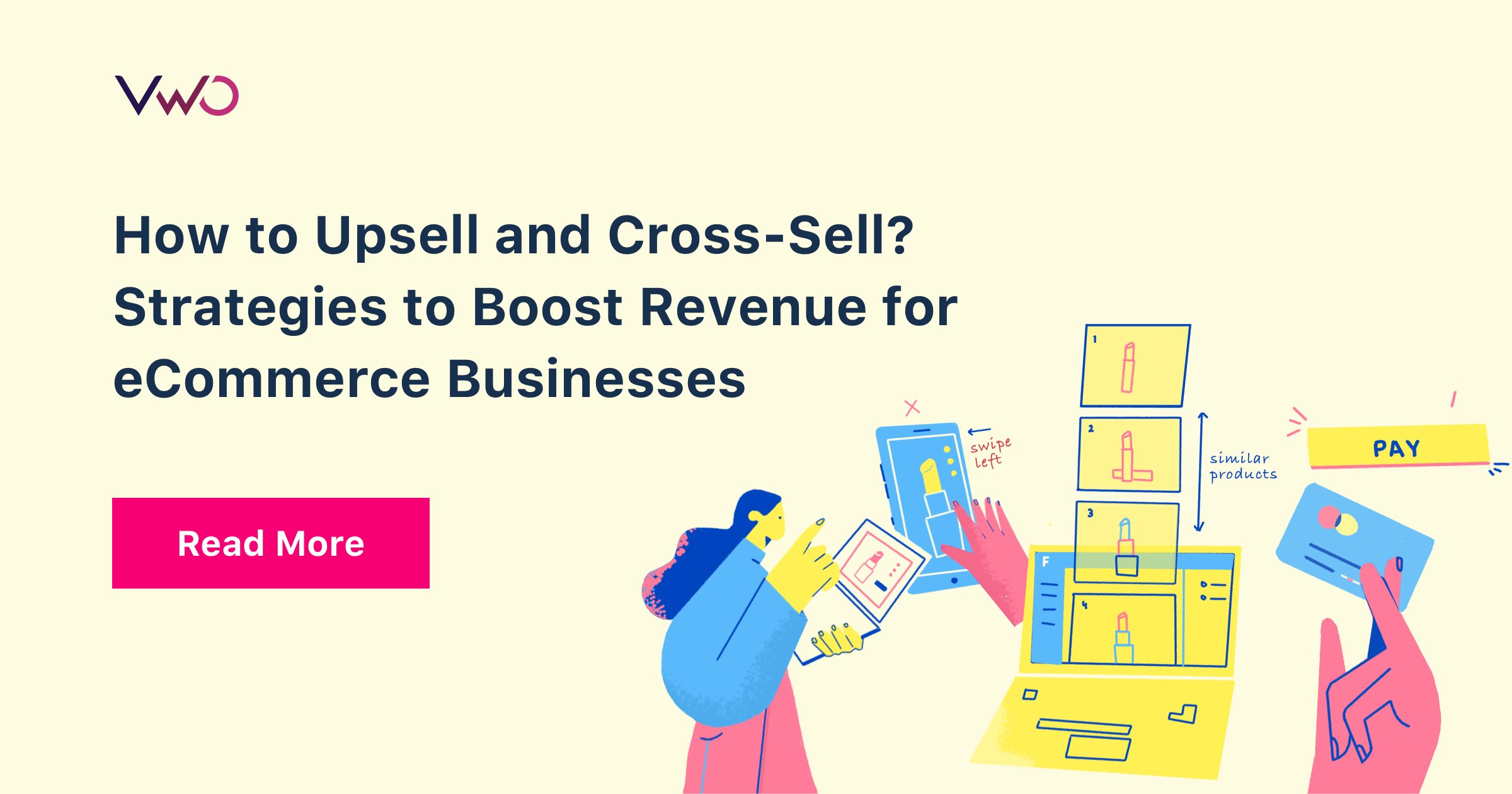
Credit: vwo.com
Examining real-life case studies and examples helps understand how upsell and cross-sell strategies boost revenue. Each industry adapts these techniques differently. Below are examples from retail, e-commerce, and service-based businesses.
A popular clothing store increased sales by offering accessories at checkout. For instance, customers buying shirts received suggestions for matching ties or belts. This simple cross-sell improved average order value by 20%. Retailers also use upselling by encouraging customers to choose premium fabric or exclusive designs. These tactics create more value without heavy discounts.
Online shops use personalized recommendations to boost sales. For example, an electronics store shows related gadgets alongside main products. Customers buying a smartphone see offers for cases or headphones. Another strategy is post-purchase upselling, offering extended warranties or faster shipping. These techniques raise revenue while improving the shopping experience.
A spa offers add-on treatments during booking, like massages or facials. This upsell increases the total bill per customer. Consulting firms suggest additional services based on client needs, such as training or software support. Cross-selling services that complement the main offering builds long-term customer relationships and steady income.
Upselling encourages customers to buy a higher-tier product. Cross-selling promotes complementary items to increase order value. Both strategies aim to maximize revenue from each customer interaction effectively.
Upsell strategies boost revenue by encouraging customers to purchase premium or additional products. This increases the average order value and enhances customer satisfaction through better product options.
The best time is during or after the purchase process. Presenting relevant complementary products increases the chance of additional sales and improves the overall shopping experience.
Common mistakes include irrelevant offers, poor timing, and overwhelming customers. These reduce conversions and can negatively impact customer trust and satisfaction.
Using upsell and cross-sell strategies helps increase your sales effectively. Focus on understanding what your customers need most. Offer relevant products that add value to their purchase. Keep your suggestions simple and timely to avoid confusion. Monitor results and adjust your approach regularly.
This way, you build trust and encourage repeat buying. Small changes in your sales process can bring steady revenue growth. Try these strategies today to see positive results soon.






Leave A Reply Now