



Your website is often the first impression people get of your business. If it looks outdated or unprofessional, you risk losing visitors before they even explore what you offer.
But making your WordPress site look polished doesn’t have to be complicated or expensive. With the right design and customization steps, you can create a site that not only grabs attention but also builds trust and keeps people coming back.
Ready to transform your WordPress site into a professional, eye-catching platform? Let’s dive into simple yet powerful ways to make your website stand out and truly represent your brand.
Choosing the right theme is key to a professional WordPress site. It sets the look and feel of your website. The theme controls layout, colors, and fonts. A good theme can boost your site’s usability and appeal. This guide helps you understand how to pick the best theme for your needs.
Flexible themes offer many options and settings. You can change layouts, colors, and features easily. They suit users who want control over design. Simple themes focus on minimalism and speed. They have fewer options but load faster. Simple themes work well for blogs or small sites. Choose based on your need for customization or speed.
Premium themes come with extra support and features. They often include updates and security fixes. Free themes are budget-friendly and easy to find. Some free themes lack advanced options or quick support. Premium options suit businesses or serious projects. Free themes fit beginners or small personal sites. Always check reviews and ratings before choosing.
Responsive design means your site looks good on all devices. It adjusts to screens of phones, tablets, and desktops. This improves user experience and keeps visitors longer. Google favors responsive sites in search results. A non-responsive theme can lose visitors on mobile. Always pick a theme that works well on every device.
Customizing the layout and style of your WordPress site helps it stand out. A clear, professional look builds trust with visitors. You control how content appears and feels. Simple changes can make a big difference in user experience. The WordPress platform offers tools to adjust your site’s design without coding.
The WordPress Editor lets you create and arrange content blocks. Each block can be text, image, video, or other media. You drag and drop blocks to change the layout quickly. The editor shows how your page will look on desktop and mobile. It helps keep your design clean and organized. You can add headings, lists, and buttons to guide visitors.
Colors set the mood and brand identity of your site. Choose a simple palette with two or three main colors. Use these colors for backgrounds, text, and buttons. Typography means the style of your text. Pick fonts that are easy to read on all devices. Adjust font size for headings and paragraphs to improve clarity. Consistent colors and fonts make your site look polished.
Menus help visitors navigate your site easily. Create clear menu items with short labels. Organize menus by priority to highlight important pages. Widgets add extra features to sidebars or footers. Use widgets for search bars, recent posts, or contact info. Place widgets where they add value without cluttering the page. Good menus and widgets improve site usability and professionalism.
Plugins add powerful features to your WordPress site. They help customize and improve your website without coding. Choosing the right plugins can make your site more professional and user-friendly.
Plugins can handle forms, SEO, security, speed, and more. Proper use of plugins boosts site functionality and enhances visitor experience.
SEO plugins like Yoast SEO help improve search engine rankings. Security plugins such as Wordfence protect your site from attacks. Caching plugins like W3 Total Cache speed up your website. Contact form plugins, for example, WPForms, allow visitors to reach you easily. Image optimization plugins reduce loading time and improve performance.
Not all plugins work well together. Conflicts can cause errors or slow your site. Test new plugins on a staging site before using them live. Keep plugins updated to avoid compatibility issues. Disable or remove unused plugins to keep your site clean and fast.
Some plugins may have security risks. Use plugins from trusted sources only. Check reviews and ratings before installing. Avoid plugins that are no longer updated by developers. Regularly scan your site for vulnerabilities using security plugins. Backup your site often to recover from any issues quickly.
Optimizing user experience is essential for any WordPress website. A site that loads quickly, works well on all devices, and is easy to navigate keeps visitors engaged. These factors reduce bounce rates and encourage users to explore more. Good user experience builds trust and improves your site’s reputation.
Site speed affects how visitors feel about your website. Slow pages frustrate users and cause them to leave. Use caching plugins to store copies of your pages. Optimize images by compressing them without losing quality. Minimize the use of heavy scripts and large files. Choose a reliable hosting provider for fast server response times.
More people browse the web on phones and tablets. Your WordPress site must look and work great on small screens. Use responsive themes that adjust layout based on screen size. Make buttons large enough to tap easily. Avoid pop-ups that block content on mobile devices. Test your site on various devices to spot problems early.
Clear navigation helps visitors find what they need quickly. Use a simple menu structure with few categories. Place the main menu at the top of each page. Add a search bar to help users locate content fast. Use descriptive labels for links and buttons. Keep important pages within two clicks from the homepage.
Incorporating branding elements into your WordPress design helps create a professional and cohesive look. It builds trust and makes your site memorable. Branding sets your website apart from others by reflecting your unique identity. Simple but consistent use of logos, colors, and fonts strengthens your brand’s presence online.
Each element should work together to deliver a clear message. Visitors recognize your style quickly, which encourages engagement and loyalty. Thoughtful branding customization improves the overall user experience and supports your business goals.
Use your custom logo to make the website instantly recognizable. Place it in the header for maximum visibility. A clear, high-quality logo shows professionalism and builds trust. Avoid using default or generic logos that look unoriginal. Resize the logo properly to keep it sharp on all devices. A well-placed logo anchors your brand on every page.
Choose colors that match your brand identity and use them consistently. Apply the same palette to backgrounds, buttons, and links. Consistent colors create harmony and improve site navigation. Avoid too many colors to keep the design clean and focused. Use color contrast to highlight important elements and improve readability. A unified color scheme reinforces brand recognition.
Select fonts that align with your brand’s personality and style. Use no more than two or three fonts for simplicity. Custom fonts add uniqueness and enhance readability. Make sure fonts are web-safe and load quickly to avoid slowing the site. Use font sizes and weights strategically to guide visitors’ attention. Consistent typography supports a polished and professional look.

Credit: onenine.com
Advanced customization techniques allow your WordPress site to stand out and look truly professional. These methods go beyond basic settings to give you full control over design and functionality. With the right tools and skills, you can tailor every part of your website to meet your specific needs.
These techniques help create a unique user experience and improve your site’s performance. They also ensure your site remains easy to update and secure over time. Explore some key methods below that help you customize your WordPress site effectively.
Page builders like Elementor simplify design with drag-and-drop tools. You can create custom layouts without coding knowledge. These builders offer many pre-made templates and widgets. Adjust colors, fonts, and spacing to match your brand. Changes show instantly, helping you design faster. Responsive controls ensure your site looks great on all devices.
Custom CSS lets you style your site beyond default options. Add code snippets to change fonts, colors, or element sizes. This method requires basic CSS knowledge but gives precise control. Use a plugin or theme settings to insert CSS safely. Small code changes can improve your site’s look and fix design issues. Avoid editing core theme files directly to prevent problems.
Child themes protect your customizations during theme updates. They inherit the parent theme’s features but allow safe changes. Create a child theme to edit templates, styles, or functions. This approach keeps your custom code separate and organized. It ensures updates do not overwrite your work. Child themes are essential for long-term site maintenance and customization.
Maintaining and updating your WordPress site keeps it running smoothly and looking professional. A well-maintained site attracts visitors and builds trust. Regular care prevents many common problems and keeps your site secure.
Staying on top of updates and security helps your site perform well. Simple steps can save you time and trouble later. Keep your WordPress site fresh, safe, and fast with regular maintenance.
Create backups often to protect your site data. Backups save your work in case of crashes or hacks. Use reliable plugins or hosting tools for easy backups. Store backups outside your main server for safety. Test backups now and then to ensure they work.
Themes and plugins get updates to fix bugs and add features. Update them quickly to avoid security risks. Check compatibility before updating to prevent errors. Remove unused plugins to keep your site light. Always update WordPress core for the best performance.
Security keeps your site safe from attacks and malware. Use strong passwords and limit login attempts. Install security plugins to monitor threats and block hackers. Scan your site regularly for suspicious activity. Keep user roles clear and avoid giving too many permissions.
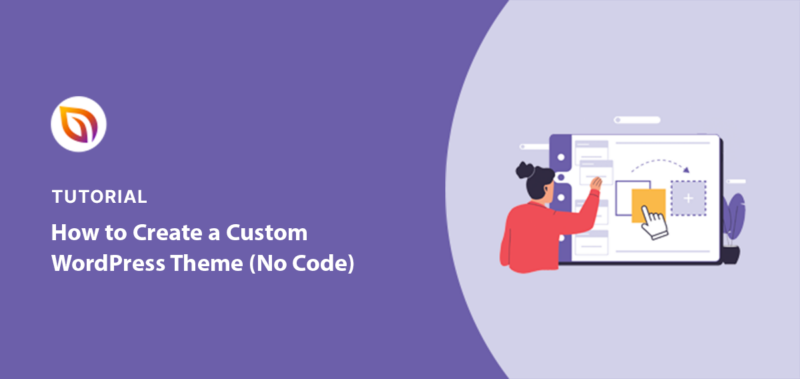
Credit: www.seedprod.com
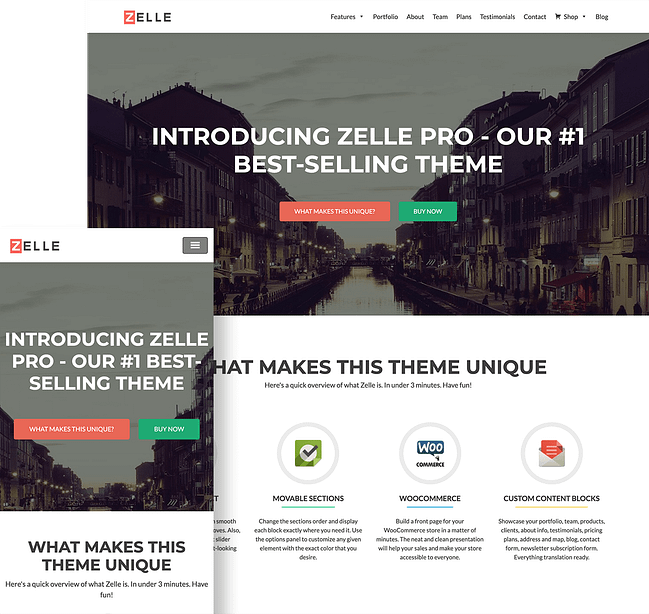
Credit: themeisle.com
People move away from WordPress due to security risks, frequent updates, plugin conflicts, slower performance, and complex customization needs.
Yes, many professional web designers use WordPress for its flexibility, customization options, and user-friendly interface.
WordPress itself doesn’t pay for views. Earnings depend on ads or affiliate programs you use, averaging $1 to $5 per 1,000 views.
Yes, people still use WordPress in 2025. It remains popular for its flexibility, ease of customization, and strong community support. Many businesses and developers prefer WordPress for creating professional, scalable websites with numerous plugins and themes available.
Creating a professional WordPress site takes time and focus. Choose clean designs and simple layouts. Use colors and fonts that match your brand. Customize your site step-by-step for the best results. Test your site on different devices to ensure it works well.
Keep content clear and easy to read. Small changes make a big difference in appearance. A well-designed site builds trust with visitors. Keep improving your site as your needs grow. Your WordPress site can look polished and professional.





Leave A Reply Now