


Are you struggling to get your service page noticed by search engines? You’re not alone.
Crafting a service page that ranks well means more than just throwing in a few keywords. You need a smart structure, carefully chosen keywords, and content that dives deep into what your audience really wants. This checklist breaks down exactly what you need to focus on to boost your SEO and attract the right visitors.
Stick with me, and you’ll discover the simple yet powerful steps that can turn your service page into a search engine magnet. Ready to make your page work harder for you? Let’s dive in.
Page structure plays a key role in SEO for service pages. It helps search engines and users understand your content quickly. A well-organized page can improve rankings and user experience. Focus on creating clear, simple, and logical elements on your page.
Good page structure breaks down your content into manageable parts. It also guides visitors smoothly through your services. This section covers important aspects like URLs, titles, headers, and internal links.
URLs should be short, readable, and descriptive. Use words that reflect the service you offer. Avoid unnecessary numbers or symbols. A clear URL tells both users and search engines what the page is about. For example, use yourwebsite.com/seo-services instead of yourwebsite.com/page?id=123.
Title tags must include the main keyword for the service. Keep titles under 60 characters to display fully in search results. Start with the keyword, then add your brand name. For example, SEO Services in Austin | Your Brand. Clear titles improve click rates and search relevance.
Use headers to organize content clearly. Start with one
for the main page title. Use
and
for subheadings and sections. Headers help readers scan the page and help search engines understand the topic hierarchy. Include keywords naturally in headers.
Link related pages within your website. Internal links connect service pages to blog posts or case studies. Use clear anchor text describing the linked page. Logical linking helps search engines crawl your site better. It also keeps visitors engaged longer by guiding them to useful content.
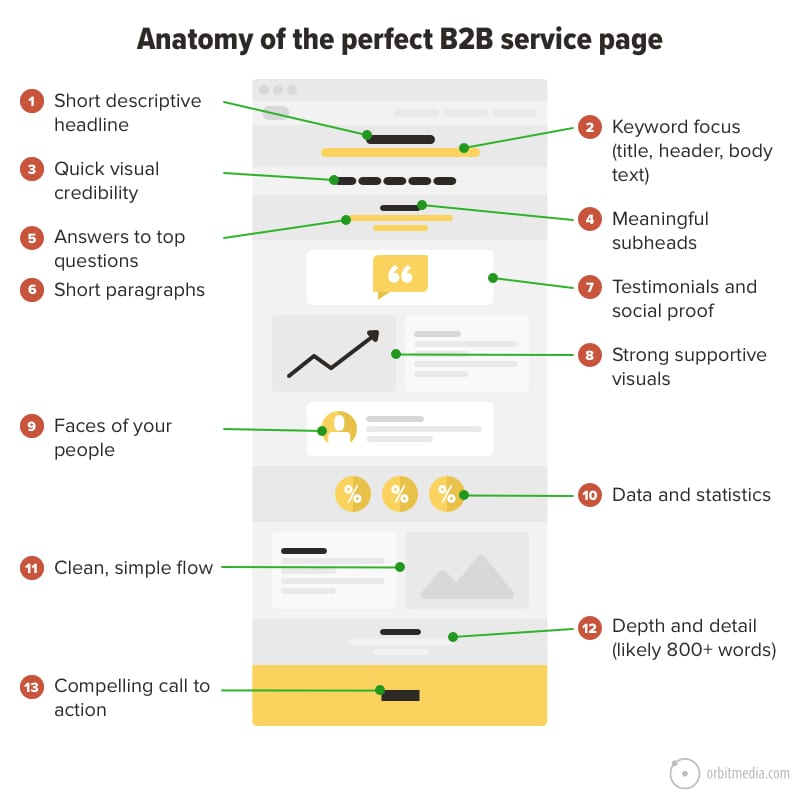
Credit: www.orbitmedia.com
Effective keyword strategy targets specific terms that match user intent on service pages. Organizing keywords within a clear structure boosts content relevance and search visibility. Depth in content ensures thorough coverage, improving rankings and user engagement.
Choosing the right primary keyword is crucial for your service page SEO. It should match the main service you offer. Use keywords with good search volume and low competition. Think about what your potential customers type into search engines. The primary keyword sets the page’s main focus.
Keep it specific and relevant. Broad keywords attract less targeted visitors. A clear primary keyword helps search engines understand your page better. It also guides your content writing.
Supporting keywords add depth to your content. These are related terms and phrases that back up the primary keyword. They show search engines your page covers the topic well. Use synonyms, variations, and long-tail keywords.
Supporting keywords improve your chances of ranking for multiple search terms. They also help your content sound natural and useful. Sprinkle them through your headings, paragraphs, and image alt texts.
Place keywords where they matter most. Include the primary keyword in the page title, meta description, and URL. Add it to the first 100 words of your content. Use it naturally in headers and subheaders.
Supporting keywords go in body text, image descriptions, and internal links. Proper placement helps search engines index your page correctly. It also improves user experience by making content clear.
Keyword stuffing harms your SEO and user experience. Do not repeat keywords unnaturally or too often. Overuse makes content hard to read and may trigger search engine penalties.
Focus on writing for humans first. Use keywords only where they fit naturally. Quality content with balanced keyword use performs better in search results.
Content depth plays a key role in optimizing your service page for SEO. It ensures your page provides enough valuable information to satisfy both users and search engines. Content that dives deep into the topic builds trust and keeps visitors engaged longer. This section covers how to improve content depth through comprehensive coverage, answering questions, using visuals, and regular updates.
Cover all important aspects of your service clearly and fully. Do not leave gaps in the information that users might want. Explain features, benefits, and common issues related to your service. Use simple words and short sentences to keep it easy to read. The goal is to make your page a one-stop resource for your service topic.
Think about the questions users ask before buying your service. Include clear answers within your content. This can be in the form of FAQs or natural explanations. Answering questions reduces doubts and helps users decide faster. It also signals to search engines that your page matches user intent well.
Add images, diagrams, or videos to support your text. Visuals help explain complex points simply and quickly. They also make your page look more attractive and easier to scan. Use captions and alt text with keywords to improve SEO. Keep visuals relevant and high quality for best results.
Keep your content fresh by updating it often. Add new information and remove outdated details regularly. This shows search engines that your page is active and trustworthy. It also keeps users coming back for the latest information. Set a schedule to review and improve your content periodically.

Credit: www.semrush.com
On-page SEO elements play a crucial role in making your service page visible and user-friendly. These elements help search engines understand your content and rank it higher. Focus on optimizing each part carefully to improve your SEO performance.
Meta descriptions summarize your page content in search results. Write clear and concise descriptions under 160 characters. Use your main keywords naturally to attract clicks. Avoid keyword stuffing to keep it readable and appealing.
Images enhance user experience but must be optimized for SEO. Use descriptive file names and include alt text with relevant keywords. Compress images to reduce loading time. Faster pages rank better and keep visitors engaged.
Schema markup helps search engines understand your page structure. Add structured data to highlight important details like services, reviews, and contact info. This can improve your search appearance with rich snippets. Use tools to test your schema code.
Most users browse on mobile devices, so your page must be mobile-friendly. Use responsive design to ensure your content fits all screen sizes. Check loading speed and navigation ease on smartphones. Google favors mobile-optimized pages in rankings.
User experience shapes how visitors interact with your service page. A good experience keeps users engaged and helps them find what they need quickly. This boosts your SEO by reducing bounce rates and increasing time on site. Focus on key areas that improve usability and satisfaction.
Pages must load quickly on all devices. Slow loading frustrates users and causes them to leave. Compress images, use caching, and optimize code to speed up your site. A fast page improves search rankings and user retention.
Call-to-actions (CTAs) guide users towards your goals. Use simple, direct language for buttons and links. Make CTAs stand out with contrasting colors and proper placement. Clear CTAs increase conversions and help users navigate easily.
Navigation should be simple and intuitive. Use a clean menu structure with clear labels. Include a search bar for quick access to content. Easy navigation reduces confusion and helps users find information faster.
Content must be easy to read and scan. Use short paragraphs, bullet points, and headings to break text. Choose legible fonts and maintain good spacing. A readable layout keeps users engaged and improves comprehension.
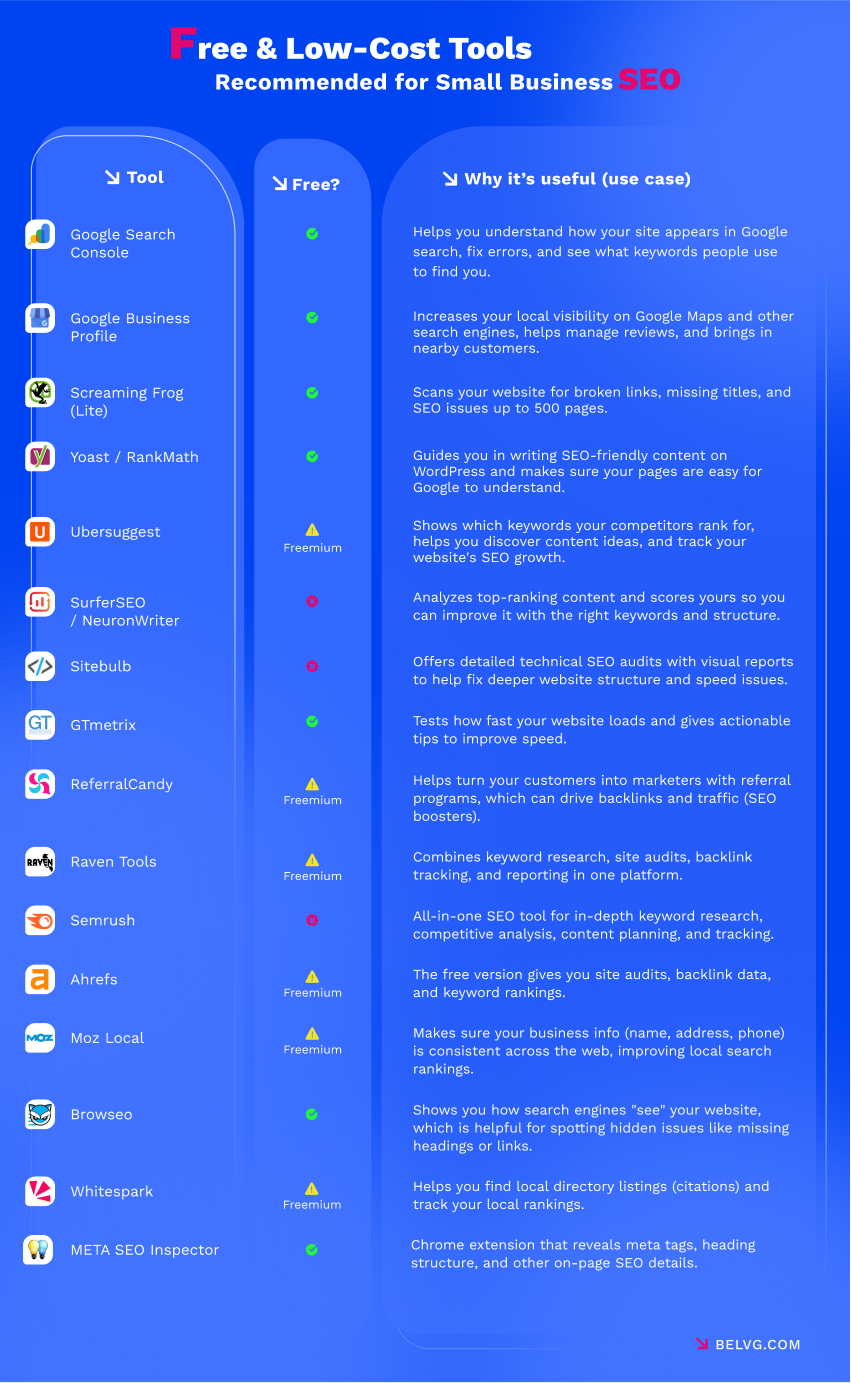
Performance tracking is essential for maintaining and improving your service page SEO. It helps you understand how well your SEO efforts work. Tracking shows which parts bring traffic and which need fixing.
Regular monitoring keeps your page competitive in search results. It reveals user engagement and keyword effectiveness. Use data to make informed decisions for your SEO strategy.
Analytics tools provide detailed data about your website’s visitors. Google Analytics is a popular choice for tracking traffic and user behavior. It shows where visitors come from and what they do on your page. Use this data to identify high-performing content and pages.
Track your service page’s keyword rankings regularly. See if your target keywords move up or down in search results. Use tools like SEMrush or Ahrefs for accurate ranking reports. This helps you spot new opportunities or problems early.
Study how users interact with your service page. Look at metrics like bounce rate, session duration, and pages per visit. High bounce rates may show content or structure issues. Analyze these behaviors to improve user experience and content quality.
Use performance data to make smart SEO changes. Update content to include better keywords or improve readability. Fix technical issues that slow down your page. Continuous adjustments ensure your service page stays relevant and ranks well.
Credit: belvg.com
A service page SEO checklist guides optimizing pages that showcase services. It focuses on structure, keywords, and content depth to improve rankings and user experience.
Organize content with clear headings, concise paragraphs, and logical flow. Use proper HTML tags and include internal links for better crawlability and readability.
Keywords help search engines understand page relevance. Use primary and related keywords naturally to attract targeted traffic and improve search visibility.
Content must be detailed enough to answer user queries fully. Aim for comprehensive, clear explanations without fluff to enhance authority and engagement.
A well-structured service page improves user experience and search rankings. Use clear headings and organize content logically. Include focused keywords naturally throughout the text. Provide enough detail to answer common questions fully. Regularly update your content to keep it relevant and fresh.
Follow this checklist to build pages that both users and search engines trust. Small steps lead to better visibility and more visitors. Keep your SEO simple and consistent for lasting results.







Leave A Reply Now