


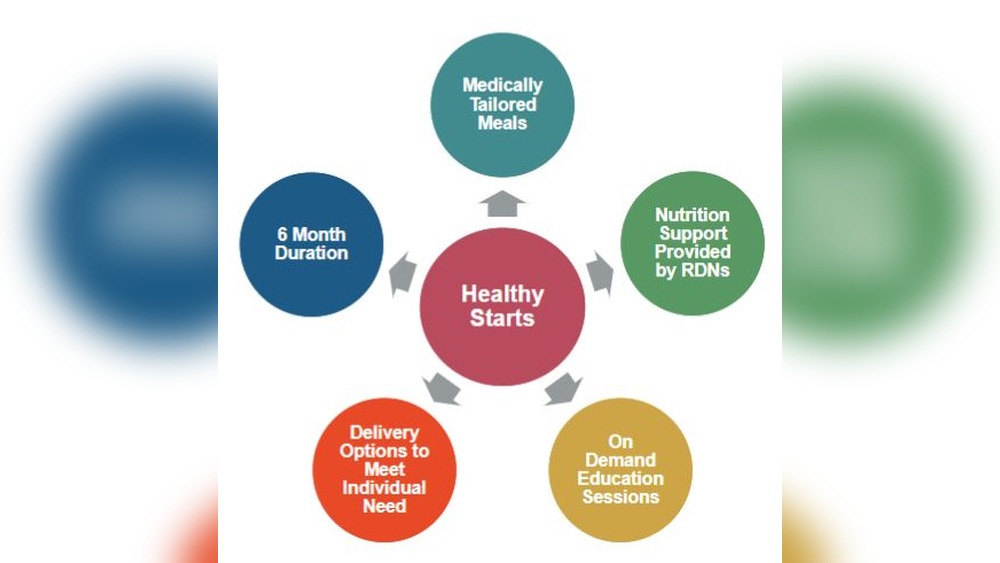
When you invest in a service or product, what comes next often matters just as much as the initial delivery. You want support that’s quick, reliable, and tailored to your needs—something that makes you feel valued and confident.
That’s why choosing the right post-delivery support model can transform your entire experience. You’ll discover the most effective support models that clients truly love. These models not only solve problems faster but also build trust and loyalty. Keep reading to find out which approach fits your needs and how it can elevate your satisfaction long after the delivery is done.
Clients appreciate clear and reliable post-delivery support. Choosing the right model helps businesses meet customer needs effectively. Different industries use various models based on their service type and client preferences.
Popular post-delivery models include traditional, online, on-demand, and hybrid approaches. Each offers unique benefits and suits different situations. Understanding these models helps companies improve satisfaction and loyalty.
This model involves direct face-to-face interaction between clients and service staff. Customers visit physical locations for help, questions, or repairs. It builds trust through personal contact and hands-on assistance. Many clients prefer this model for complex or sensitive issues. Staff can quickly assess problems and provide tailored solutions.
Support happens entirely online through websites, chat, or email. Clients access help anytime without visiting a physical place. This model suits digital products or services and busy customers. It reduces wait times and offers easy access to resources. Many platforms include FAQs, tutorials, and live chat to assist users.
Clients receive support only when they request it, paying as needed. This model gives flexibility and control over service use. It fits well with freelance, consulting, or tech support services. Customers avoid ongoing fees and get help exactly when required. Fast response times and clear pricing attract many users.
Combines elements of in-person and online models for flexible support. Clients may start online and move to face-to-face if needed. Businesses offer multiple channels like phone, chat, and visits. This approach adapts to various client preferences and situations. It often leads to higher satisfaction by covering all bases.
Credit: www.interaction-design.org
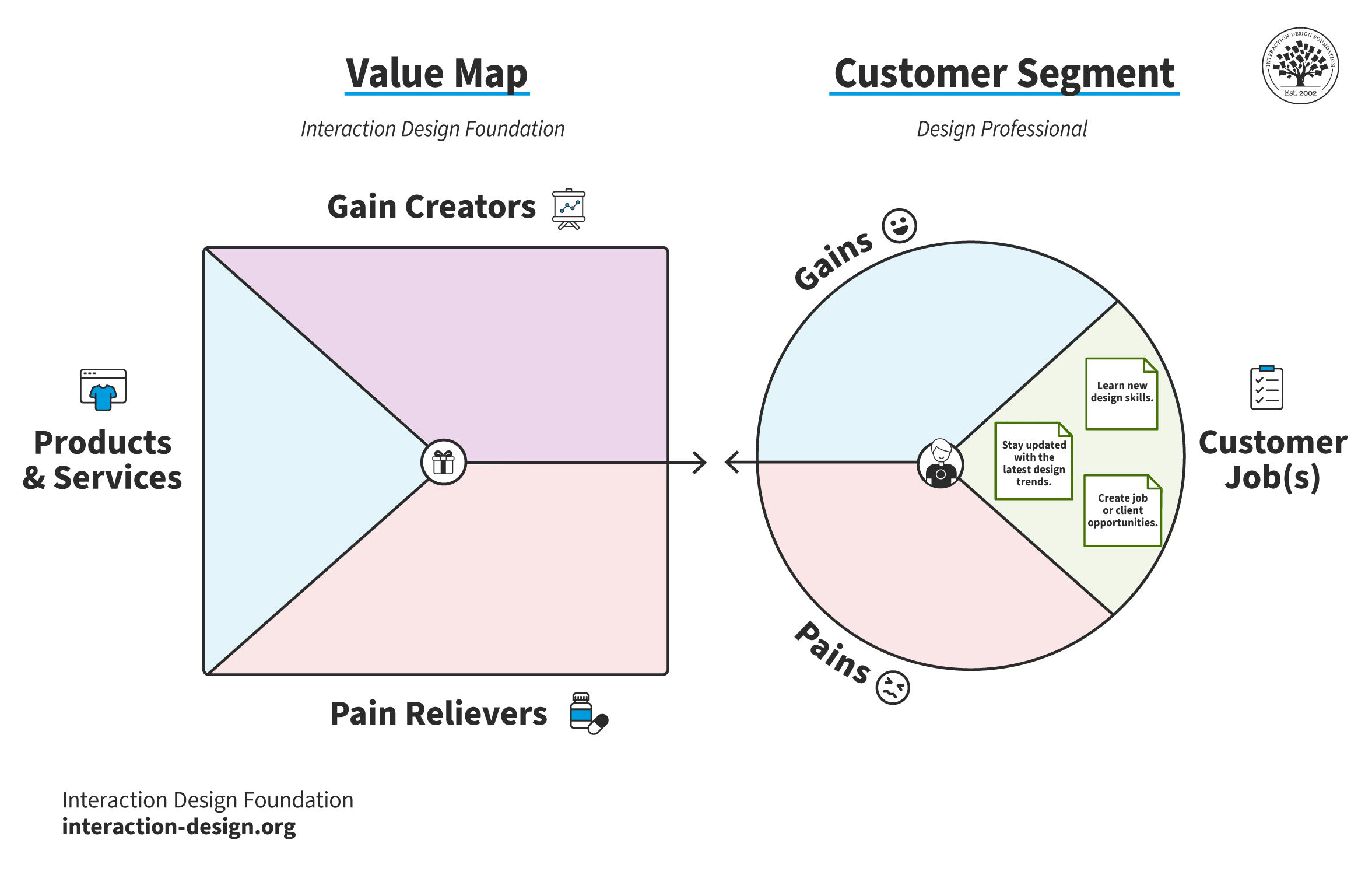
Client-Centric Scheduling focuses on fitting support around clients’ needs. It values their time and preferences. This approach improves satisfaction and builds trust. Clients feel respected and valued when scheduling adapts to them. It avoids rigid time slots and long waiting periods.
By prioritizing client convenience, businesses increase engagement. Clear communication and flexibility become key. This model helps reduce missed appointments and delays. Clients enjoy a smoother, more personalized experience after delivery.
Scheduled appointments offer a clear time for support. Clients know exactly when to expect help. This reduces uncertainty and waiting time. It allows both parties to prepare properly. Scheduled slots help maintain a smooth workflow for providers. They also ensure resources are ready and available.
Clients can plan their day around these fixed times. This method suits those who prefer structure. It also helps set clear expectations for service delivery. Scheduled appointments create a reliable routine after delivery.
Client-driven scheduling lets clients choose times that suit them best. It offers flexibility beyond fixed appointment slots. Clients pick dates and hours that fit their lifestyle. This approach respects their unique situations and commitments.
It reduces stress by avoiding rigid scheduling demands. Clients gain more control over their support experience. This model supports a wide range of client needs. It builds stronger relationships through personalized timing options.
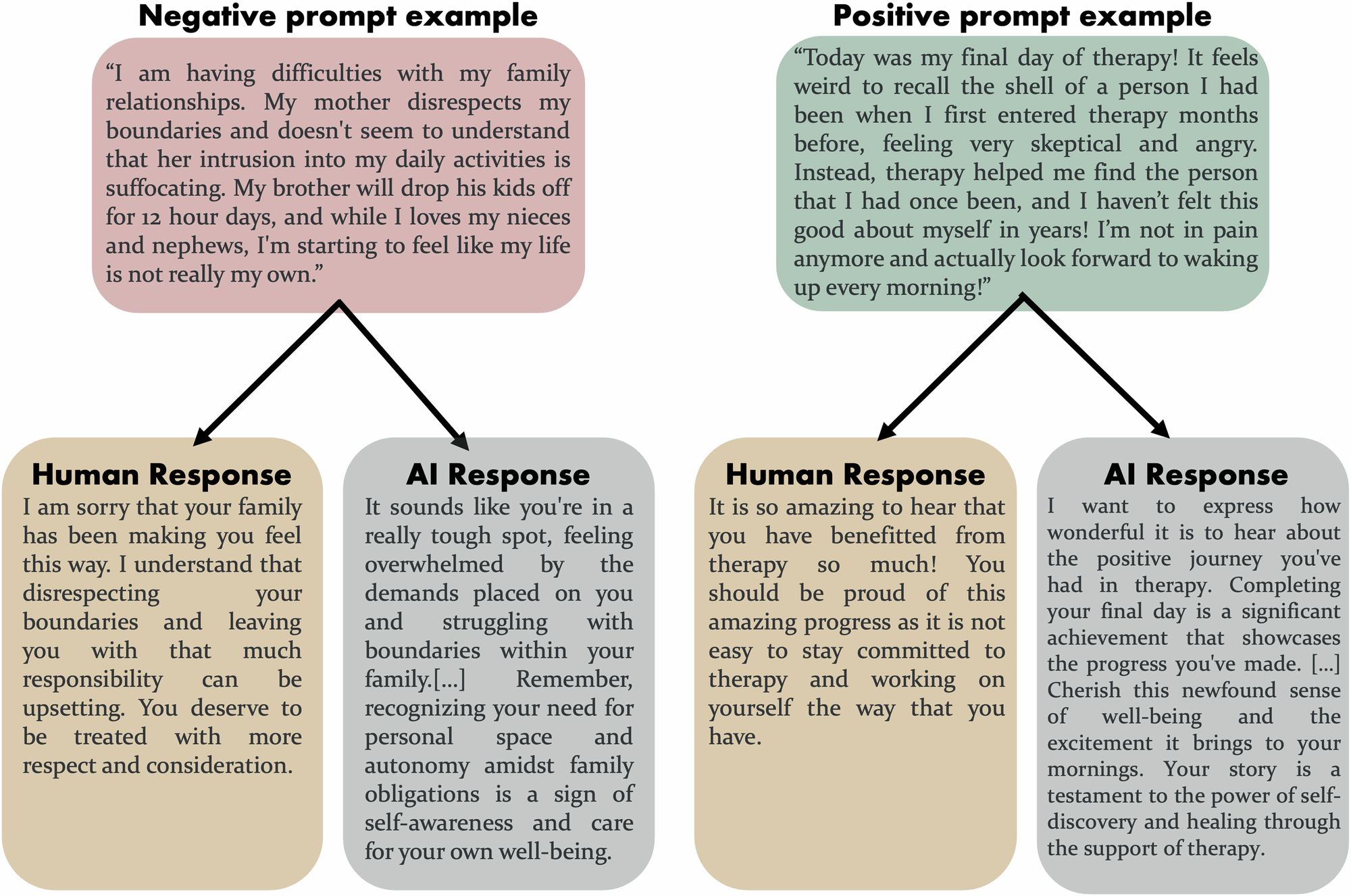
Innovative healthcare support transforms post-delivery care with fresh approaches. It blends technology and human expertise to improve patient outcomes. These modern methods provide personalized and timely care. They focus on patient comfort, efficiency, and accuracy.
Nurse-led screenings offer direct, compassionate care. Nurses conduct vital checks and identify risks early. This model speeds up diagnosis and treatment. It also reduces the burden on doctors. Patients feel more comfortable sharing concerns with nurses. This approach boosts trust and satisfaction. Nurses use their skills to guide patients through recovery. They play a key role in education and follow-up care.
AI-powered automation streamlines routine tasks in healthcare. It handles appointment scheduling and patient reminders efficiently. AI analyzes data to spot health issues faster. This reduces human error and saves time. Patients get quick responses and personalized advice. Automation frees healthcare staff to focus on complex cases. It supports decision-making with data-driven insights. This leads to better care and patient support overall.

Credit: www.americanimmigrationcouncil.org
Post-delivery support plays a vital role in building lasting client relationships. Business and consulting support models focus on guiding clients after project completion. This helps clients apply solutions effectively and solve new challenges. Clear and structured support improves client satisfaction and loyalty.
Tiered support offers different levels of assistance based on client needs. Basic tiers cover common questions and simple fixes. Higher tiers provide personalized consulting and strategic advice. Clients choose the level that fits their budget and complexity. This system ensures efficient use of resources and quick response times.
Group coaching brings multiple clients together for shared learning. These sessions encourage peer support and idea exchange. Coaches guide discussions on common challenges and best practices. Group coaching is cost-effective and builds a sense of community. Clients gain confidence by learning from others’ experiences.
Productized services offer fixed-scope consulting packages with clear deliverables. Clients know exactly what they will get and at what price. This reduces uncertainty and speeds up decision-making. Packages often cover audits, strategy reviews, or training workshops. Productized offers simplify post-delivery support and improve transparency.
Technology-driven post-delivery support models enhance client satisfaction by using advanced tools. These models improve response times and reduce errors. Automation and smart systems help service teams work efficiently. Clients experience faster problem resolution and personalized assistance. Technology also enables proactive service, predicting issues before they arise.
AI-based customer support uses chatbots and virtual assistants. These tools answer common questions instantly. They are available 24/7, providing round-the-clock help. AI learns from interactions to improve responses over time. Clients get quick solutions without waiting for human agents. This reduces workload on support staff and speeds up service.
Predictive maintenance uses data and sensors to monitor product health. It predicts potential failures before they happen. This allows timely repairs, preventing major issues. Clients avoid unexpected downtime and costly fixes. Predictive maintenance increases product reliability and lifespan. It builds trust by showing care beyond delivery.
Credit: www.nature.com
Outsourcing and franchise models offer effective ways to provide post-delivery support. These models help companies deliver consistent, quality service without stretching internal resources. They also allow businesses to focus on core activities while ensuring clients receive reliable support.
Third-party service providers handle support tasks on behalf of the client company. They bring specialized skills and technology to manage customer needs efficiently. Outsourcing to these experts reduces costs and improves response times. Clients appreciate the flexibility and access to advanced tools. This model also scales easily as business demands grow.
Franchise licensing lets companies expand support through authorized partners. Franchisees follow established procedures to maintain service quality. This model creates a network of local support centers close to clients. It builds trust by delivering familiar, branded experiences. Franchise licensing combines the benefits of local presence with consistent standards. Clients enjoy quick, personal assistance wherever they are.
Direct-to-consumer (DTC) models have transformed post-delivery support into a more personal and effective experience. This approach allows businesses to connect directly with their customers without middlemen. Clients enjoy faster responses, tailored solutions, and clearer communication.
By removing extra layers, companies understand customer needs better. They can offer customized support that fits each client’s unique situation. This builds trust and loyalty over time. The DTC model also simplifies feedback collection, enabling continuous improvement.
Direct contact improves communication speed and clarity. Customers receive updates and answers faster. This reduces confusion and frustration. Support teams can listen closely and address concerns directly. Clear communication helps solve problems efficiently.
Each customer gets support tailored to their needs. Teams use data and feedback to customize help. Personalized service increases satisfaction and retention. Clients feel valued and understood. This creates a strong bond between business and customer.
Direct access to support speeds up issue resolution. There are no delays caused by intermediaries. Teams can act immediately on customer requests. Quick fixes improve the overall customer experience. Customers spend less time waiting for solutions.
Customers appreciate honest and open interactions. The DTC model promotes transparency in service. Clients see the support process clearly. This builds trust and confidence in the brand. Trust encourages repeat business and positive reviews.
Eliminating middlemen lowers operational costs. Savings can be passed to customers or reinvested. Efficient processes reduce overhead and waste. Cost-effective support benefits both businesses and clients. This balance ensures sustainable service quality.
Key success strategies shape how post-delivery support models win client trust. These strategies ensure smooth service and lasting relationships. They focus on meeting client needs and enhancing satisfaction. Each approach plays a crucial role in maintaining quality support and driving positive outcomes.
Clients value support tailored to their unique needs. Personalized service adapts to client preferences and situations. Flexibility allows quick adjustments to changing requirements. This approach creates a stronger bond and improves client loyalty. Customized solutions make clients feel understood and valued.
Clear and prompt communication prevents misunderstandings and builds trust. Regular updates keep clients informed about progress and changes. Responding quickly to questions shows respect for client time. Timely communication reduces frustration and improves the overall experience.
Technology streamlines support and boosts efficiency. Tools like chatbots and ticketing systems simplify issue tracking. Automated alerts help teams respond faster to client needs. Technology enables 24/7 support, increasing accessibility. Smart use of technology improves client satisfaction and reduces delays.
Collecting client feedback helps improve support services constantly. Regular surveys and check-ins reveal pain points early. Acting on feedback shows clients their opinions matter. This cycle of feedback and improvement builds trust over time. Continuous feedback loops drive better service and stronger relationships.
Measuring client satisfaction is key to improving post-delivery support models. It helps businesses understand how well they meet client needs after the service is delivered. Tracking satisfaction guides adjustments to support strategies. It also builds stronger client relationships and loyalty over time.
Surveys are simple ways to gather client opinions quickly. Short surveys with clear questions increase response rates. Feedback tools like forms or chatbots collect real-time insights. They reveal client feelings about support quality and response time. Regular use of surveys helps identify areas needing improvement.
Retention rates show how many clients stay with a company over time. High retention means clients value the support they receive. Referral metrics track how often clients recommend services to others. Positive referrals indicate strong client satisfaction. Monitoring these numbers helps measure success beyond just feedback.
The three basic service delivery models are the Medical Model, Public Health Model, and Human Service Model. The Medical Model focuses on illness symptoms, the Public Health Model targets population health and prevention, and the Human Service Model addresses client needs within their environment.
The three healthcare delivery models are fee-for-service (FFS), patient-centered medical homes (PCMHs), and accountable care organizations (ACOs). FFS pays per service, PCMHs focus on coordinated care, and ACOs emphasize quality and cost efficiency.
An example of a service delivery model is the traditional in-person model, where customers interact face-to-face with providers at physical locations.
Human services delivery models include the medical model, public health model, and human service model. They focus on symptoms, population health, and client environment respectively.
Clients appreciate post-delivery support that is clear and responsive. Quick help builds trust and satisfaction. Offering multiple support options suits different client needs. Regular follow-ups show commitment and care. Easy access to assistance reduces client stress. Personalized support makes clients feel valued.
A good support model strengthens long-term relationships. Choose models that fit your clients best. Consistent, simple, and helpful support wins loyalty every time.







Leave A Reply Now