


You want your agency site to do more than just look good—it needs to turn visitors into clients. But how do you write copy that not only grabs attention but also drives action?
This guide will show you exactly how to craft conversion-optimized copy that speaks directly to your audience, highlights your unique value, and guides readers smoothly toward saying “yes. ” By applying simple yet powerful techniques, you’ll create content that connects emotionally and motivates your visitors to take the next step.
Ready to transform your agency’s website into a conversion machine? Let’s dive in.
Credit: www.resumetemplates.com
The value proposition is the heart of your agency site’s copy. It tells visitors why your agency matters. It explains what makes your services better or different. A strong value proposition helps visitors decide to stay and explore. It builds trust and interest quickly. Clear value propositions make your site more persuasive. They guide visitors toward taking action, like contacting you or requesting a quote.
Write simple and direct sentences. Avoid jargon or complex words. Your message must be easy to understand. Focus on what your agency offers and how it helps clients. Use short sentences that explain the main benefit. Think about the visitor’s needs and questions. Your message should answer why they should choose your agency. Keep it focused and avoid extra details.
Highlight what makes your agency special. Show how your services solve problems better than others. Use specific examples or results if possible. Mention any unique skills or experiences. Explain the benefits in a way visitors can relate to. Avoid vague statements like “we are the best.” Instead, show clear reasons that set you apart. This builds confidence and encourages visitors to act.
Understanding your audience is the first step to writing copy that converts. Knowing who reads your content helps you speak directly to their needs. This creates trust and encourages action. Without this insight, your message may miss the mark.
Start by learning what problems your customers face. What solutions do they seek? Find out what matters most to them. Focus on their pain points and desires. Use surveys, reviews, and feedback to gather this information. Clear knowledge of their needs guides your writing.
Not all customers are the same. Group them by age, location, or interests. Tailor your message for each group’s unique traits. This makes your copy feel personal and relevant. It improves the chances of turning visitors into clients. Segmentation sharpens your focus and boosts conversion rates.
Setting clear conversion goals is the first step in writing copy that drives results for agency sites. These goals guide your writing and ensure every word pushes visitors closer to action. Without defined goals, your copy may lack focus and fail to convert readers.
Conversion goals help identify what actions you want visitors to take. This clarity allows you to craft messages that speak directly to these actions, increasing the chance of success. It also enables you to track progress and adjust your copy based on real data.
Start by listing the key actions visitors should take on your site. Common actions include filling out a contact form, signing up for a newsletter, or requesting a quote. Each action represents a conversion that supports your agency’s business goals.
Choose actions that align with your services and sales process. Avoid vague goals like “visit the site” or “read the blog.” Focus on measurable steps that lead to client engagement or sales.
Clear desired actions help tailor your copy to motivate visitors toward those specific outcomes. Your headlines, calls to action, and benefits should all reinforce these actions.
Identify metrics to evaluate if your copy meets its conversion goals. Metrics might include form submission rates, click-through rates, or time spent on a page. These numbers show how well your copy persuades visitors.
Use tools like Google Analytics or heatmaps to gather data on visitor behavior. Tracking these metrics regularly provides insights into what works and what needs improvement.
Setting benchmarks for success helps you measure progress objectively. For example, aim for a 10% increase in form submissions within three months. Clear metrics keep your copywriting focused on results.
Organizing content is vital for writing conversion-optimized copy on agency sites. Clear structure helps visitors find important information fast. It reduces confusion and guides users toward taking action.
Well-organized content improves readability and keeps users engaged. It shows professionalism and builds trust. Visitors appreciate easy navigation and logical presentation of ideas.
Information hierarchy means arranging content by importance. Start with the most crucial points at the top. Use headings and subheadings to separate sections clearly.
Highlight benefits and unique selling points early. This grabs attention and encourages visitors to read more. Use bullet points for quick scanning. Keep paragraphs short and focused.
Logical flow means presenting ideas in a natural order. Each section should connect smoothly to the next. This guides readers through the message step-by-step.
Start with a problem or need, then show your solution. Explain features, followed by benefits and proof. End with a clear call to action that tells visitors what to do next.
Use transition words sparingly to maintain simplicity. Keep sentences short to aid understanding. A smooth flow reduces bounce rates and increases conversions.
Headlines are the first words visitors see on agency sites. They must capture attention fast and invite readers to explore more. Writing engaging headlines increases the chance users stay and take action. Clear, compelling headlines set the tone and highlight the main benefit.
Effective headlines focus on the reader’s needs and spark curiosity. They avoid jargon and keep the message simple. Short headlines work best to deliver the key point quickly. Crafting headlines that connect emotionally or tell a story makes the site more memorable.
Stories grab attention and create connection. Narrative-driven titles hint at a problem and promise a solution. They invite readers to discover the story behind the headline. For example, “How We Helped a Startup Double Sales in 3 Months” draws interest.
This style makes the headline feel personal and relatable. It builds trust by showing real results or experiences. Narrative titles also stand out from generic, salesy headlines. Use active language and focus on clear outcomes.
Emotions guide decisions more than facts alone. Headlines that trigger emotions encourage readers to engage. Words like “easy,” “proven,” or “safe” reduce doubts and build confidence. Fear of loss, curiosity, and desire for gain are strong motivators.
Use emotional triggers to highlight benefits and solve pain points. For example, “Stop Wasting Time on Ineffective Marketing” speaks to frustration. Positive emotions like hope and excitement also work well. Keep the tone honest and avoid exaggeration.
Using persuasive language is key to writing copy that converts visitors into clients. Words must connect with readers’ needs and desires. Clear, direct language builds trust and motivates action. Every sentence should show value and create interest.
Focus on what your agency offers to the client. Explain benefits, not just features. Instead of “We provide SEO services,” write “Boost your website traffic and get more customers.” Benefits answer the question, “What’s in it for me?” Use simple phrases that show how your service improves their business.
Think about doubts your visitors may have. Common worries include cost, time, and results. Address these concerns directly in your copy. For example, “Affordable plans starting at $99 per month” or “See results in just 90 days.” This reduces hesitation and builds confidence. Clear answers make visitors feel safe to take the next step.
Social proof builds trust and confidence in your agency site. It shows visitors real proof others like your service. This trust encourages users to take action. Social proof can reduce doubts and increase conversions. Use clear, honest examples from clients to strengthen your copy.
Client testimonials share positive experiences from real customers. They show your agency’s value through others’ words. Choose testimonials that highlight benefits and results. Use short quotes with names and photos if possible. Authentic testimonials make your agency feel reliable and approachable.
Case studies tell a detailed story about a client’s success. They explain the challenge, your solution, and the outcome. Include specific numbers like increased sales or traffic. Use clear, simple language to describe the results. Case studies prove your agency delivers real, measurable impact.
Strong calls to action (CTAs) guide visitors toward the next step. They turn readers into leads and customers. Including clear, compelling CTAs on agency sites boosts conversion rates. CTAs must stand out and invite clicks. They need to be simple and direct.
CTAs should use plain language anyone can understand. Use verbs that tell visitors exactly what to do. Examples include “Get a Quote,” “Schedule a Call,” or “Download Now.” Avoid vague phrases like “Click Here” or “Learn More” without context. Make the benefit clear in the CTA text. The visitor should know what happens after they click.
Place CTAs in visible spots on the page. Above the fold is best for important actions. Repeat CTAs if the page is long. Use buttons with contrasting colors to attract attention. Ensure the text is large enough to read easily.
Urgency pushes visitors to act quickly. Scarcity makes an offer feel exclusive. Combine these to increase clicks on CTAs. Words like “Now,” “Limited Time,” or “Only a Few Left” create urgency. Phrases such as “Exclusive Offer” or “While Supplies Last” show scarcity.
Use countdown timers or limited spots to add urgency. Show how many people have signed up or purchased. These tactics encourage faster decisions. Avoid false urgency to keep trust. Real urgency builds excitement and drives conversions.
Aligning copy and design creates a seamless experience for your visitors. When words and visuals work together, users understand your message faster. This harmony builds trust and encourages action. Every element on your site should support your core message. Clear, consistent communication paired with appealing design improves conversion rates.
Keep your tone and style the same across all pages. Use similar language in headlines, body text, and calls to action. Match the voice of your brand in every sentence. This consistency helps visitors recognize your agency easily. It reduces confusion and strengthens your message. Make sure your copy reflects the design’s mood and colors.
Design landing pages that focus on one goal. Use short paragraphs and bullet points to make reading easy. Place important information where eyes naturally fall. Pair strong headlines with compelling visuals. Ensure buttons stand out and match your copy’s call to action. Test different layouts to find what converts best. The design should guide users towards the action you want.
Credit: www.orbitmedia.com
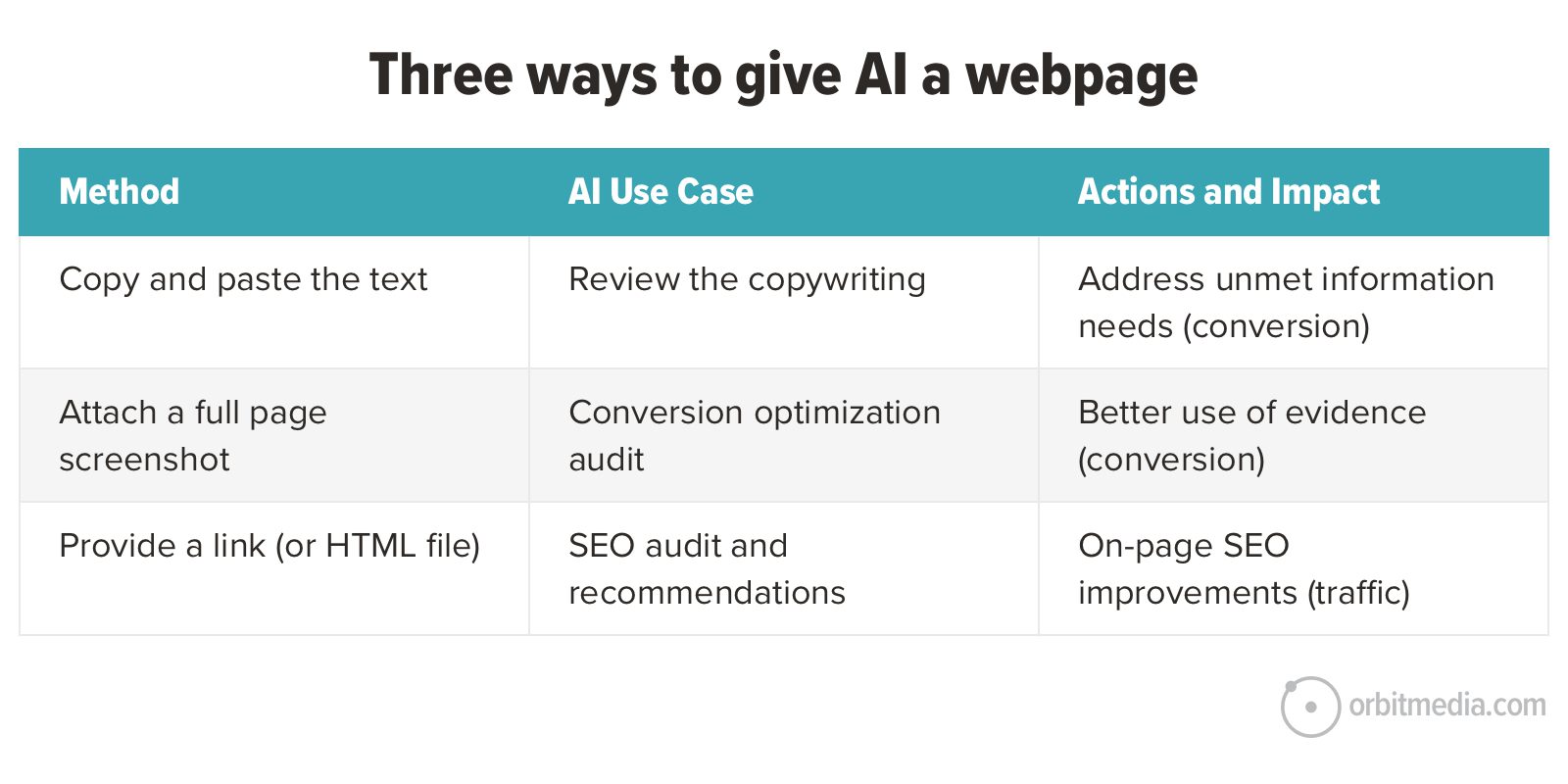
Testing and refining your copy is essential for improving conversions on agency sites. It allows you to find what works best with your audience. Continuous adjustments help increase engagement and drive more actions. Without testing, you rely on guesses instead of data.
Use clear methods to test different versions of your copy. Analyze how users behave on your site to spot issues. Testing and refining is a cycle that leads to better results over time.
A/B testing compares two versions of a page or copy element. Show version A to half of your visitors and version B to the other half. Measure which version drives more conversions or clicks. Test headlines, calls to action, or button colors.
Keep tests simple and change only one element at a time. Run tests long enough to gather reliable data. Use tools like Google Optimize or Optimizely for easy setup. A/B testing removes guesswork and gives clear answers.
Watch how visitors interact with your site to improve copy. Heatmaps show where users click, scroll, or spend time. Session recordings reveal how users navigate your pages.
Look for patterns like where visitors drop off or hesitate. Use surveys or feedback forms to gather user opinions. Combine this data with A/B test results to refine your copy.
Understanding user behavior helps you write copy that matches their needs. It points out confusing or weak parts to fix. Focus on making the experience clear and easy for visitors.
Credit: content-whale.com
Write clear, concise copy focused on your audience’s needs and benefits. Use strong headlines, a compelling value proposition, and a clear call to action. Highlight urgency and emotional triggers. Organize content logically and include relevant keywords for SEO.
An example of conversion optimization is improving a website’s call-to-action button to increase user sign-ups.
Write clear, benefit-driven headlines and match your audience’s intent. Use strong calls to action and highlight urgency. Include relevant keywords and align your ad with the landing page. Appeal to emotions and keep sentences concise and compelling for best conversions.
The 4 C’s of copywriting are clear, concise, compelling, and credible. These ensure effective, persuasive, and trustworthy content.
Writing conversion-optimized copy for agency sites takes focus and clarity. Know your audience and speak their language. Highlight benefits clearly and keep your message simple. Use strong calls to action that guide visitors smoothly. Test different versions to find what works best.
Keep improving your copy based on real results. Good copy turns visitors into clients. Keep these tips in mind to boost your agency’s success online.






Leave A Reply Now