



Choosing the perfect domain and hosting for your corporate website is one of the most important decisions you’ll make for your online presence. Your domain name is your digital address — it needs to be memorable, easy to type, and reflect your brand clearly.
At the same time, your hosting needs to be reliable and fast to keep your visitors happy and your site running smoothly. If you get these wrong, you risk losing potential clients and damaging your reputation. But don’t worry—this guide will walk you through exactly how to pick the right domain and hosting service that fits your business needs and sets you up for long-term success.
Keep reading to discover simple yet powerful strategies that will help you make the best choice without the confusion.
Credit: www.searchenginejournal.com
Choosing the right domain name is the first step to building a strong corporate website. It sets the tone for your brand and affects how easily customers find you online. A good domain name should be clear, easy to remember, and reflect your business.
Focus on simplicity and relevance. A well-chosen domain name helps boost your website’s visibility and creates a professional image.
Short domain names are easier to remember and type. Avoid long or complex words that confuse visitors. A simple name reduces mistakes and improves user experience.
Choose a name that sticks in the mind. Use catchy and clear words. Avoid slang, hard-to-pronounce terms, or unusual spellings that might confuse people.
Hyphens and numbers make domain names harder to share. They cause typing errors and misunderstandings. Stick to letters only for clarity and ease.
Include keywords related to your business or industry. Keywords help search engines understand your site and improve ranking. Use terms customers might type when searching.
Your domain name should match your brand’s personality and values. Use your company name or a unique phrase that shows who you are. This builds trust and recognition.
Add your city or region in the domain if you serve a local market. This helps attract nearby customers and improves local search results. It makes your site more relevant to your audience.
.com is the most popular and trusted extension. It works well for most businesses. Consider other extensions like .net, .org, or country-specific ones if they suit your needs better.
Choosing the right domain name is a crucial step for your corporate website. It should represent your brand clearly and be easy to find online. Checking domain name availability ensures your chosen name is unique and ready to use. This process helps avoid future problems and protects your brand identity.
Careful checks and research can save time and money. It also helps build trust with your audience. Below are key steps to verify domain name availability effectively.
Start by searching your preferred domain name on domain registrars. Popular options include GoDaddy, Namecheap, and Google Domains. These platforms show if your domain is free or taken. They also suggest alternatives if your first choice is unavailable. Registering quickly avoids losing the name to others.
Look up the past usage of the domain name. Tools like Wayback Machine or DomainTools reveal its history. A previously used domain might have a bad reputation or penalties. Avoid names linked to spam or illegal activities. A clean history helps maintain your website’s credibility and SEO ranking.
Check if the same name is available on major social media platforms. Consistent branding across web and social channels strengthens your presence. It makes it easier for customers to find and recognize your business. Use sites like Namecheckr to verify availability quickly.
Search trademark databases to ensure your domain name does not infringe on existing trademarks. Legal conflicts can force you to change your domain later. This causes loss of traffic and brand confusion. Protect your business by choosing a name free of trademark restrictions.
Think about your company’s future growth when selecting a domain. Avoid names tied to a single product or service. Choose a name that can expand with your brand. A flexible domain reduces the need for rebranding later. It supports sustainable business development online.
Securing your domain is a crucial first step in building a strong corporate website. The domain name represents your brand online. It acts as the address customers use to find your business. Protecting this asset early helps avoid issues later. Domains can be snapped up quickly by others. Taking action fast ensures you get the name that fits your company best. Follow these tips to secure your domain with confidence.
Popular domain names sell out fast. Delay can mean losing your preferred name. Register your domain as soon as you decide on it. This prevents competitors from claiming it first. Quick action saves time and stress. Your brand’s online identity depends on this step.
Consider buying your domain before launching your website. Early purchase protects against last-minute surprises. It also gives you time to set up your hosting and email. Securing the domain in advance helps your marketing plan stay on track. Avoid rush decisions by planning ahead.
Domain privacy keeps your personal details hidden from public databases. This reduces spam and protects your identity. Most registrars offer privacy services for a small fee. Enabling privacy adds a layer of security. It keeps your contact info safe and your domain secure.
Domain name generators help create unique and available names. These tools suggest options based on keywords and preferences. They save time and spark creative ideas. Use generators if your first choices are taken. This method can reveal unexpected, fitting names for your brand.
Choosing the right hosting option is key for a corporate website’s performance. Hosting affects your site’s speed, security, and reliability. It also influences user experience and search engine ranking. Different hosting types suit different business needs and budgets. Understanding each option helps pick the best fit.
Shared hosting means many websites share one server. It is the cheapest hosting choice. Good for small companies with low traffic. Easy to set up and manage. But limited resources can slow your site. Security risks increase since you share space with others. Not ideal for growing businesses needing strong performance.
VPS hosting offers dedicated parts of a server. It gives more power and control than shared hosting. Your website runs faster and more securely. You get root access to customize settings. Suitable for medium-sized businesses with steady traffic. Cost is higher than shared hosting but affordable. It balances price and performance well.
Dedicated hosting means owning a whole server. It provides maximum speed, security, and control. Best for large companies with high traffic. You can customize hardware and software fully. No sharing means fewer risks and better uptime. It costs more but supports complex websites. Ideal for sites needing strong data protection.
Cloud hosting uses multiple servers linked together. It offers excellent flexibility and scalability. Your website can handle sudden traffic spikes easily. Payment is based on usage, saving money during slow periods. High reliability as backups and failovers are automatic. Good for businesses expecting growth or change. Maintenance is simpler than with dedicated servers.
Choosing the right hosting is critical for a corporate website’s success. Hosting affects your website’s speed, security, and availability. It also influences user experience and search engine rankings. Understanding key hosting features helps you pick a provider that fits your business needs and goals. The following features are essential to check before making a decision.
Uptime means the time your website stays online without interruptions. A reliable host offers at least 99.9% uptime. Downtime causes lost visitors and damaged reputation. Look for hosts with strong uptime guarantees and backup systems. These ensure your site stays live and accessible.
Fast loading times keep visitors engaged and improve SEO. Hosting with high-performance servers and content delivery networks (CDN) boosts speed. Choose a host that uses SSD storage and optimized software. These deliver quick responses and smooth navigation.
Security protects your website from hackers and malware. Essential features include SSL certificates, firewalls, and regular backups. Some hosts offer automatic updates and malware scanning. Strong security safeguards your data and builds customer trust.
Scalability means your hosting can grow with your business. Pick a provider that allows easy upgrades in resources like storage and bandwidth. This flexibility prevents slowdowns during traffic spikes. Scalable hosting supports your company’s future expansion.
Good customer support solves issues quickly. Look for 24/7 availability via chat, phone, or email. Helpful and knowledgeable support saves time and reduces stress. Reliable assistance keeps your website running smoothly without delays.

Credit: moldstud.com
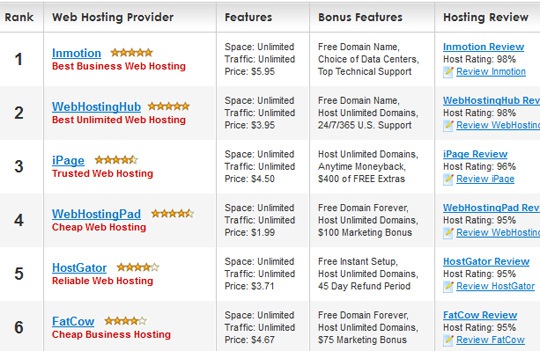
Choosing the right hosting provider is crucial for your corporate website’s success. It impacts your site’s speed, security, and uptime. A reliable host ensures your website runs smoothly, attracting and keeping visitors. Make decisions based on clear criteria to avoid future problems.
Compare the costs of different hosting providers. Check what each plan offers for the price. Look for plans with enough storage and bandwidth for your needs. Avoid plans with hidden fees or costly upgrades. Choose a plan that fits your budget and website size.
Data center locations affect your website’s loading speed. Pick a hosting provider with servers near your target audience. Closer servers mean faster access and better user experience. Some hosts offer multiple locations to choose from. This can help improve your site’s performance worldwide.
Read reviews from current and past users. Look for comments on uptime, speed, and customer support. Pay attention to repeated issues or praises. User feedback shows real experiences with the hosting service. It helps you avoid unreliable hosts and find trustworthy ones.
The control panel lets you manage your hosting account. Choose a provider with an easy-to-use control panel. It should allow you to install software and manage files quickly. A simple interface saves time and reduces stress. This is important if you or your team have limited technical skills.
Integrating your domain and hosting is a key step in launching a corporate website. This process connects your website address with the server that stores your site files. Proper integration ensures your site loads quickly and remains accessible. It also helps maintain security and smooth user experience. Below, we cover the basics of managing your domain and hosting setup effectively.
Domain management involves controlling your website’s address settings. It includes renewing your domain and updating contact details. Use your domain registrar’s dashboard to manage these tasks easily. Keep your contact information current to avoid losing control of your domain. Set up domain privacy to protect your personal details from public view.
DNS records link your domain name to your hosting server. Common records include A, CNAME, and MX records. The A record points your domain to your website’s IP address. CNAME records redirect subdomains to the main domain or other URLs. MX records handle email routing for your domain. Configure these records carefully to ensure your site and emails work properly.
Link your domain to your hosting by updating the nameservers. Nameservers tell the internet where your website files are stored. Get nameserver details from your hosting provider. Enter these details in your domain registrar’s control panel. Changes can take up to 48 hours to propagate worldwide. After linking, test your domain to confirm it loads your website correctly.
SSL certificates secure data transferred between visitors and your site. They also boost search engine ranking and user trust. Most hosting providers offer free SSL certificates via Let’s Encrypt. Install the SSL certificate through your hosting control panel. Activate HTTPS on your website to protect user information. Check that the SSL is active by visiting your site with https:// in the address bar.

Credit: www.grabltd.com
Choose a short, memorable domain name with relevant keywords. Avoid hyphens and numbers. Use a suitable extension like. com. Check availability on domain registrars and social media. Ensure it reflects your brand and allows future growth. Verify no trademark conflicts exist before purchasing.
The best domain for a business website is short, memorable, and easy to type. Use relevant keywords and a. com extension. Avoid hyphens and numbers. Ensure availability on social media and domain registrars. Choose a name that reflects your brand and supports future growth.
The correct domain for an organization’s website is short, memorable, and easy to type. Use relevant keywords and a suitable extension like. com. Check availability, avoid hyphens and numbers, and ensure it matches your brand. Secure the domain promptly to protect your online identity.
Choose a short, memorable domain without hyphens or numbers. Include relevant keywords and match your brand. Select a popular extension like. com. Check availability and trademarks. Ensure it fits your audience and allows future growth. Act quickly to secure the domain.
Selecting the right domain and hosting shapes your corporate website’s success. Choose a domain that is clear, simple, and matches your brand. Pick hosting that offers speed, security, and reliable support. This helps your site run smoothly and keeps visitors happy.
Planning ahead avoids costly changes later. A well-chosen domain and hosting create a strong online presence. Start smart to build trust and grow your business steadily.







Leave A Reply Now