


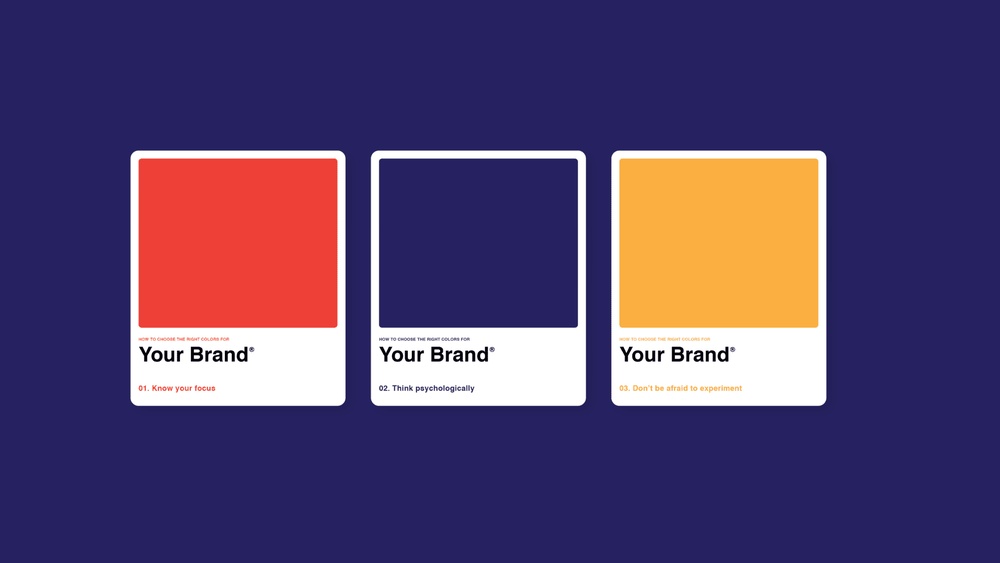
Choosing the right theme or design style for your space or project can feel overwhelming. You want your surroundings to reflect who you are and make you feel comfortable and inspired.
But with so many styles out there—modern, traditional, boho, industrial—how do you know which one fits you best? This guide is here to help you cut through the noise and find a design style that truly speaks to your personality and needs.
By the end, you’ll have clear, simple steps to confidently pick a theme that brings harmony and excitement to your space. Ready to discover your perfect style? Let’s dive in.

Credit: nbedesign.com
Choosing your design style sets the tone for your entire space. It defines the mood and creates harmony. Picking the right style helps you feel comfortable and proud of your surroundings. It also makes decorating easier and more fun. Start by understanding what truly appeals to you. Explore styles that fit your lifestyle and preferences. Then combine elements that reflect your personality.
Think about what colors make you happy. Consider shapes and patterns that catch your eye. Reflect on spaces where you feel relaxed or inspired. Your design style should match your tastes and daily needs. Write down ideas or save images that you like. This helps clarify your personal preferences over time.
Look at common design styles like modern, rustic, or minimalist. Each style has unique features and moods. Modern style uses clean lines and simple colors. Rustic style features natural materials and warm tones. Minimalist style focuses on simplicity and open space. Understanding popular styles gives you a good starting point.
Combine different styles to create a look that feels unique. Pair a sleek modern sofa with a cozy vintage rug. Use bold colors with neutral tones to balance the room. Mixing styles adds personality and keeps the space interesting. Experiment with textures, shapes, and patterns for a fresh design.
Evaluating themes for functionality is a key step in choosing the right design style. Functionality ensures the theme fits your daily needs. It helps the space serve its purpose well. A theme may look good but might not work for your lifestyle. Focus on how the design supports activities in the room. Check if it makes the space easy to use and maintain. Consider practical elements before deciding on the theme.
The room’s main use should guide your theme choice. A bedroom needs calm and comfort. A kitchen requires durability and easy cleaning. Think about who will use the room most. A child’s playroom needs safe, easy-to-clean surfaces. Choose a theme that supports the room’s function well. This keeps the space both beautiful and practical.
Measure the room size before picking a theme. Small rooms need light colors and simple designs. Large rooms can handle bold colors and bigger furniture. Avoid themes that make the space feel crowded. Check if the furniture fits without blocking pathways. A crowded room loses comfort and flow. Use the room’s size to guide your design choices.
Your needs may change over time. Choose a theme that adapts easily. Neutral colors allow adding new accessories without clashing. Select furniture that can be moved or reused. Avoid very specific styles that limit future changes. Flexible themes save money and time later. Plan a design that grows with your lifestyle.
Balancing aesthetic and practicality is key when choosing a theme or design style. A beautiful space should also be easy to live in. This balance ensures comfort, usability, and style all work together. Your design will feel inviting and serve daily needs.
Choose colors that please the eye and create the right mood. Soft, neutral tones often work well for calm, practical spaces. Bright colors add energy but can be tiring if overused. Match colors with the room’s purpose and natural light. Balance bold shades with softer hues to avoid overwhelming the space.
Select materials that look good and last long. Natural materials like wood and stone add warmth and durability. Smooth textures feel sleek, while rough textures add interest and depth. Combine different textures for a balanced, inviting look. Think about how easy surfaces are to clean and maintain for everyday use.
Pick furniture that fits the style and meets your needs. Comfortable seating and smart storage keep the space useful. Arrange furniture to allow easy movement and good flow. Avoid clutter by choosing pieces that serve more than one purpose. The layout should help the room feel open and welcoming.
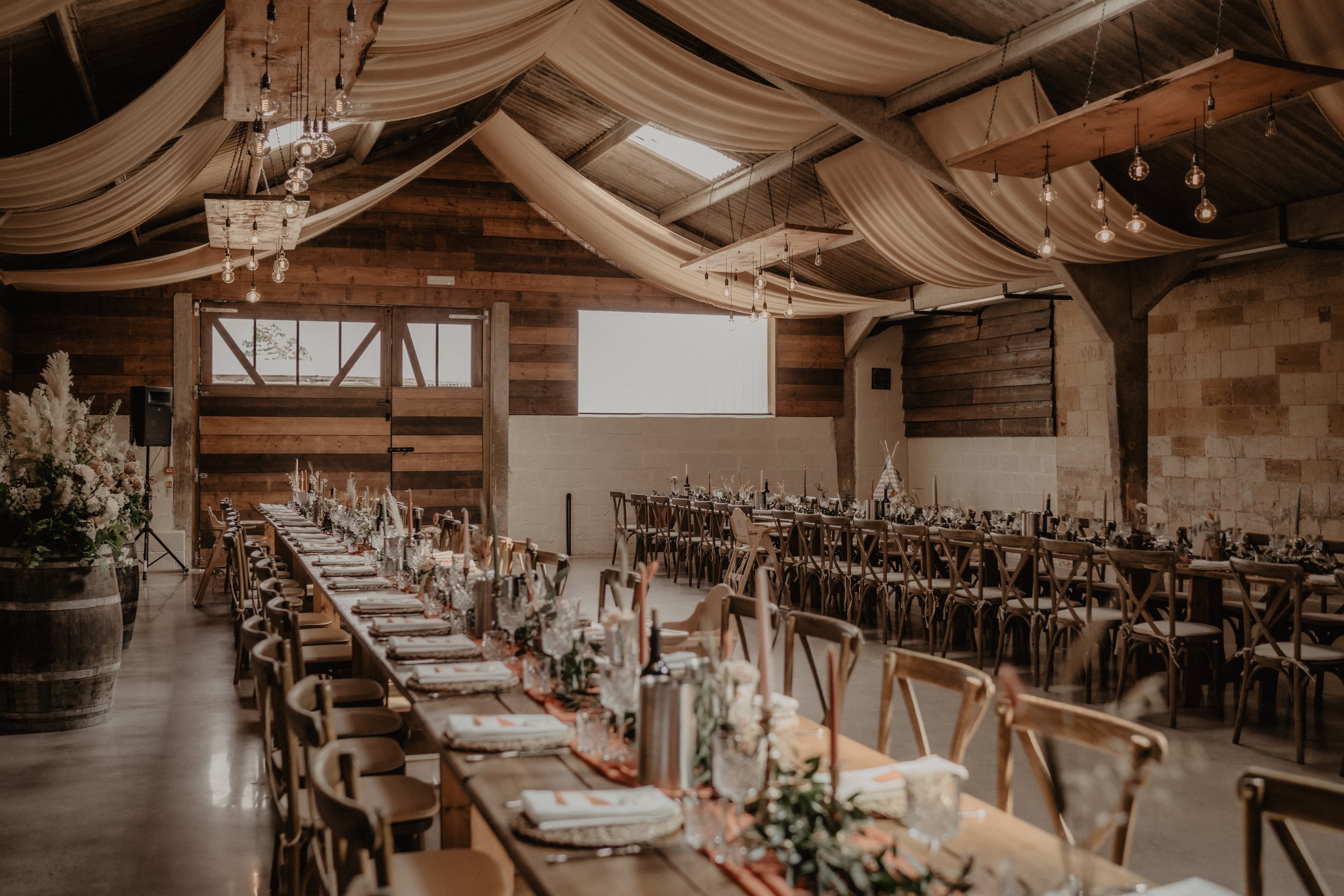
Credit: www.reekaevents.com
The Rule of Odds is a simple design guideline. It suggests arranging decor items in odd-numbered groups like three, five, or seven. Odd numbers create a natural, balanced look that feels more inviting and less forced. This technique helps make any space more visually appealing and interesting. Using the Rule of Odds can guide your choices in theme and style for a harmonious design.
Group items in odd numbers to create balance. A set of three works well for small spaces. Larger areas can hold groups of five or seven. Odd groups draw the eye and make displays feel complete. Avoid even numbers as they may look too symmetrical and dull.
Mix items with different heights and textures in your group. Place a tall vase next to a short book or a soft candle. This contrast adds depth and interest to the display. Varied heights guide the viewer’s eye smoothly across the arrangement.
Think of groups as visual units instead of counting each item alone. For example, a stack of books can be one unit. A tray holding small items also counts as one piece. This approach keeps the design neat and prevents clutter. It helps maintain balance while using the Rule of Odds effectively.
Adapting themes to your lifestyle means choosing a design that fits how you live. Your home should feel comfortable and reflect your personality. Designs that work well for you can change as your needs and tastes evolve. This flexibility makes your space truly yours.
Use your favorite furniture and decor to shape your theme. These pieces add character and comfort. They make the space feel personal and inviting. Mix them with new items that match your chosen style. This approach creates harmony and shows your unique taste.
Allow your design to change with your lifestyle. Swap out colors, fabrics, or accessories as needed. Small updates keep your space fresh and relevant. Don’t be afraid to try new ideas. This keeps your home feeling dynamic and alive.
Combine different styles to create a look that suits you perfectly. Blend modern with vintage or minimal with cozy. Use colors, textures, and patterns that speak to you. Your home should tell your story in a way that feels natural and unique.

Credit: themes.shopify.com
Finding the right theme or design style starts with gathering inspiration. Inspiration fuels creativity and helps define your unique vision. It can come from many places, both online and offline. Exploring different sources broadens your perspective and sparks new ideas.
Use inspiration to see what styles resonate with you. Notice colors, shapes, and layouts that feel right. Inspiration guides your choices without limiting your creativity. It helps you understand what design elements fit your goals and personality.
Online platforms offer vast collections of design ideas. Websites like Pinterest, Behance, and Dribbble showcase thousands of themes. These platforms let you save and organize your favorite looks. Design communities on Reddit and Facebook allow you to ask questions and share ideas.
Explore trending styles and user creations. Join groups focused on your interests. Seeing real projects and feedback helps you refine your taste. Online platforms keep you updated with fresh, diverse inspiration daily.
Follow designers who inspire you. Their work often sets trends and pushes creative boundaries. Look at portfolios and social media profiles of well-known creators. Learn how they mix colors, textures, and layouts.
Influential designers share tips and behind-the-scenes insights. Their stories show how they develop their style. This insight can motivate you to experiment and find your own style. Watching design tutorials can also improve your skills and confidence.
Real spaces and objects offer practical inspiration. Visit local shops, cafes, or homes with appealing designs. Notice how colors and materials work together in real life. Pay attention to lighting and furniture arrangement.
Try to understand why certain designs feel comfortable or stylish. Take photos or notes to remember ideas. Real-life examples show how themes work outside digital images. They help you imagine how a style fits your own space.
Choosing the right theme or design style can shape your entire website’s look and feel. Practical tips help simplify this important task. They guide you to pick a theme that fits your content and audience well.
Practical tips focus on testing, expert input, and budget planning. These steps reduce guesswork and help you make smart decisions. Here are some key ideas to keep in mind.
Try out several theme samples before deciding. Many platforms let you preview how a theme works with your content. Testing shows how easy it is to use and customize.
Check loading speed, readability, and mobile view. Make sure the theme matches your brand’s tone and style. Testing helps avoid surprises after launch.
Ask professionals or experienced users for their opinions. Designers and developers spot issues you might miss. They suggest themes that balance style and function well.
Online forums and communities offer valuable feedback. Expert advice often saves time and effort. It guides you toward themes that suit your goals.
Set a clear budget before choosing a theme. Free themes can be good, but paid ones often offer more features. Consider costs for licenses, updates, and support.
Think about long-term expenses too. A theme with good support might cost more upfront but save money later. Budget planning keeps your project on track.
The 3-5-7 rule suggests grouping decor items in odd numbers—three, five, or seven—for visual balance. Use varied heights and textures to add interest. Odd groupings create natural focal points and dynamic, appealing arrangements in any space.
The 3-4-5 rule in decorating suggests grouping items in odd numbers—three, five, or seven—for balanced, visually appealing arrangements. Odd groups create natural focal points, add interest, and promote asymmetrical balance, making spaces feel dynamic and inviting. Vary heights and textures within these groups for best results.
A theme sets the overall mood or story of a space. A design style focuses on specific decor elements and aesthetics. Themes create atmosphere; styles guide furniture, colors, and textures. Both work together to shape a cohesive look but differ in scope and detail.
The 2-3 rule in interior design suggests grouping decor in odd numbers like three or five for visual balance. It creates focal points, adds interest, and promotes natural asymmetry. Vary item heights and textures to enhance appeal in any space.
Choosing the right theme or design style shapes your space’s look and feel. Focus on what suits your taste and lifestyle best. Keep your room balanced by grouping items in odd numbers. Mix textures and heights to add interest and depth.
Remember, your home should reflect your personality clearly. Take your time exploring styles before deciding. Enjoy creating a space that feels comfortable and unique to you. Your perfect design style is waiting to be discovered.







Leave A Reply Now