


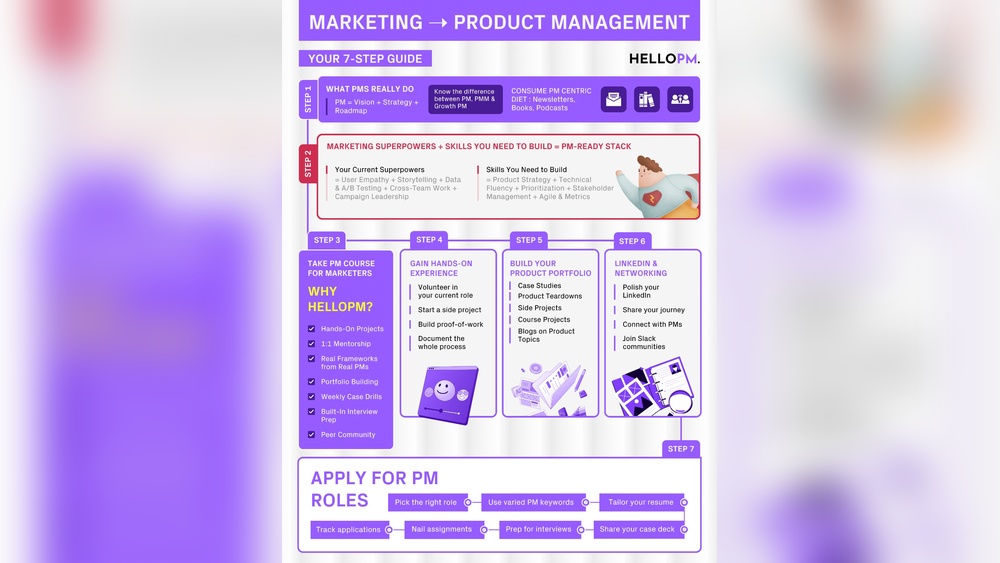
If you want your portfolio to truly stand out, simply listing projects isn’t enough. You need to add case studies and proof that show real results and highlight your skills in action.
But how do you do this strategically so that your portfolio not only grabs attention but also builds trust with potential clients or employers? You’ll discover clear, easy-to-follow steps to craft compelling case studies and integrate proof that strengthens your portfolio’s impact.
By the time you finish reading, you’ll know exactly how to turn your work into powerful stories that speak directly to your audience and boost your credibility. Ready to make your portfolio a magnet for opportunities? Let’s dive in.

Credit: www.ontiktechnology.com
Choosing the right case studies is key to creating a strong portfolio. Each case study tells a story about your skills and results. Picking the right ones makes your portfolio clear and convincing. Focus on projects that best reflect your abilities and the value you bring.
Pick projects that highlight your main skills. Show work that you did well and enjoy. These projects help potential clients or employers see your expertise. Avoid projects that do not clearly demonstrate your strengths. Quality matters more than quantity.
Include different types of projects to show versatility. Offer a range of skills and solutions you can provide. At the same time, dive deep into a few projects. Explain the challenges, your approach, and the results. This balance keeps readers interested and informed.
Showcase work from various industries or client types. This proves you can adapt to different needs and markets. Highlight small businesses, large companies, or non-profits if possible. Diversity in clients builds trust and broadens your appeal.
Credit: hellopm.co
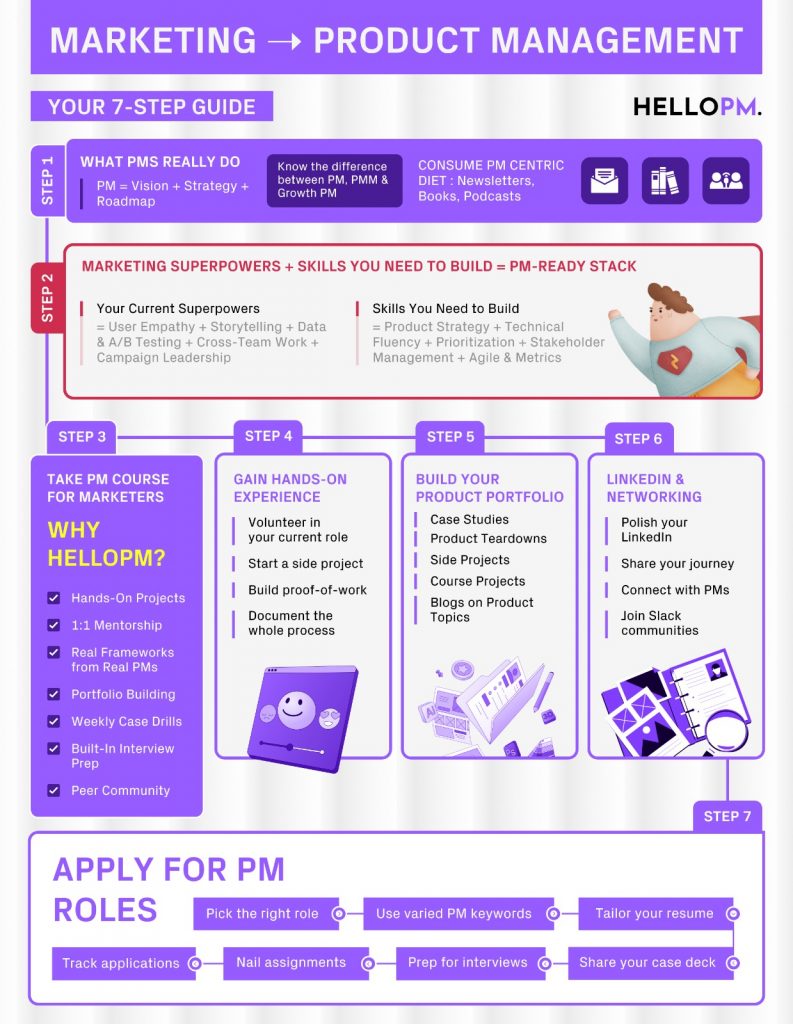
Structuring case studies effectively is essential for showcasing your work clearly and persuasively. A well-organized case study guides readers through your project journey. It highlights the problem, your solution, and the impact you made. Clear structure builds trust and helps potential clients understand your skills.
Focus on telling a story that is easy to follow. Break down the case study into key parts that explain each step. Use simple language and short paragraphs to keep readers engaged. Well-structured case studies make your portfolio stronger and more convincing.
Start your case study with a story that draws readers in. Introduce the client and their situation clearly. Explain what made this project interesting or challenging. Use simple language to describe the background and context. Make the story relatable and easy to understand.
State the project goals clearly. What did the client want to achieve? List the main challenges faced during the project. Be honest and specific about the problems. Clear goals and challenges help readers see the project’s purpose.
Explain the steps you took to solve the problems. Describe your methods and tools in simple terms. Highlight key decisions and why you made them. Show your thinking process to prove your expertise. This part builds confidence in your skills.
Share the outcomes of your work with clear facts and numbers. Use data to prove the success of your solution. Describe the impact on the client’s business or users. Include quotes or feedback if possible. This section shows the value you delivered.
Integrating proof elements into your portfolio case studies builds trust. Proof shows real results. It makes your work believable and convincing. Use different types of proof to create a strong impact. Mix client voices, data, and visuals for a complete story.
Present proof clearly and in the right place. Highlight key points to catch attention. Proof should support your claims and show value. Keep it simple and direct for easy reading.
Client testimonials add a personal touch to your case study. Choose quotes that speak about results and experience. Place testimonials near related project details. This creates a strong connection between proof and story.
Use short and clear testimonials. Avoid generic phrases. Specific praise shows real satisfaction. Include the client’s name and role for credibility. Testimonials build trust and encourage new clients to act.
Numbers grab attention quickly. Use metrics to show project success clearly. Examples include percentage growth, sales increase, or time saved. Present data with simple charts or bullet points. This makes results easy to scan and understand.
Quantifiable proof removes doubts. It proves your work made a difference. Always explain what the numbers mean. Connect metrics back to the project goals for full clarity.
Visuals make your case study more engaging. Show before and after images or design mockups. High-quality visuals highlight your skills and creativity. Use captions to explain the visuals clearly.
Visual proof supports your story. It helps readers see the value you delivered. Keep images relevant and easy to view on all devices. Good visuals increase reader interest and trust.
Designing the portfolio layout plays a key role in showcasing your case studies and proof. A clean and clear design helps visitors focus on your work. The layout should highlight your projects without overwhelming users. It needs to guide viewers smoothly through your story and results.
Good design balances visuals and text. It also makes navigation simple and intuitive. The goal is to create a portfolio that feels professional and inviting. Every element should support the message of your case studies.
Navigation must be simple and clear. Use menus or tabs to separate case studies by category or type. Visitors should find projects quickly without confusion. Breadcrumbs or back buttons help users move through your portfolio easily. Avoid cluttered menus or too many links on one page. Clear labels guide users to the right content fast.
Images and text should work together. Show real photos, screenshots, or mockups that relate to your case studies. Use short paragraphs and bullet points for easy reading. Visuals catch attention and explain your work better than words alone. Avoid large blocks of text that can tire readers. Highlight key facts and results with bold or colored text.
Make your portfolio load fast on all devices. Use responsive design so it looks good on phones and tablets. Ensure buttons and links are easy to tap on small screens. Test your portfolio for broken links or slow images. Keep your design consistent with fonts and colors. A smooth user experience keeps visitors engaged longer.
Building trust fast is key when presenting portfolio case studies. Clear proof boosts your credibility and convinces visitors of your skills. Strategic use of awards, honest reflections, and social endorsements can make your portfolio stand out. This section shows how to add these elements effectively to gain trust quickly.
Awards instantly show others respect your work. Place them near your case studies for quick impact. Use logos or badges to catch the eye. Briefly explain what each award means and why it matters. This shows you meet high standards and adds authority.
Honest notes about improvements show you reflect and grow. Add a small section in each case study about what you would change next time. This builds trust by showing you are realistic and open to learning. Clients appreciate transparency and this helps you seem more genuine.
Quotes and endorsements from clients or peers add strong social proof. Include short, clear testimonials near your project details. Use real names and job titles to increase credibility. Social proof reassures visitors that others value your work and trust your skills.
Maintaining and updating case studies ensures they stay relevant and effective. Regular updates keep your portfolio fresh and demonstrate ongoing success. Well-maintained case studies build trust and show your commitment to quality.
Review your case studies often to update facts and figures. Replace outdated statistics with the latest results. Add new client feedback or project developments. Fresh content attracts visitors and improves search rankings.
Monitor how each case study performs on your website. Track views, time spent, and conversion rates. Use this data to identify popular stories and weak spots. Adjust your content based on what your audience prefers.
Stay aware of changes in your field to keep case studies current. Highlight new tools, methods, or regulations affecting your work. Show that your solutions evolve with industry demands. This keeps your portfolio relevant and trustworthy.
Credit: www.get-answer.ai
Start with the client’s background and project goal. Describe your approach, challenges, and solutions. Highlight results with clear data. Use visuals to support your story. End by reflecting on lessons learned or improvements for future projects. Keep it concise and engaging for your audience.
Gather relevant work samples showing your skills and achievements. Organize them clearly with dates and descriptions. Include client feedback and results. Use a consistent format and update regularly.
The 5 components of a case study are: introduction, problem statement, methodology, results, and conclusion. Each part tells a clear story.
Start by defining the strategic problem and context. Analyze data and stakeholder actions. Present solutions and outcomes clearly. Use real examples to illustrate strategies. Conclude with lessons learned and future recommendations. Keep the content concise, engaging, and focused on strategic insights.
Adding portfolio case studies and proof wisely builds trust and shows real results. Keep stories clear and focus on client goals. Use simple language and highlight key outcomes. Show visuals to support your points. This approach helps potential clients understand your skills easily.
Regular updates keep your portfolio fresh and relevant. Strategic case studies create a strong, credible impression. Start crafting your portfolio with these tips today.







Leave A Reply Now