



Your corporate website is often the first impression your business makes. If it feels outdated or clunky, you could be losing valuable leads without even realizing it.
But what if a redesign could not only refresh your site’s look but also boost conversions and strengthen your brand? You’ll see real before-and-after case studies of corporate website redesigns that transformed businesses just like yours. By exploring these examples, you’ll discover practical ideas and proven strategies that can help you take your website—and your business—to the next level.
Ready to see how a smart redesign can make a difference for you? Let’s dive in.

Credit: colorwhistle.com
Corporate website redesign involves more than just changing colors or images. It requires a thoughtful approach that improves the site’s overall impact. Key elements of a successful redesign focus on visual appeal, ease of use, clear navigation, and mobile compatibility. These factors help businesses attract and keep visitors, turning them into customers.
Visual transformation updates the website’s look to match the brand’s identity. It uses modern design trends and clean layouts. Colors, fonts, and images work together to create a professional appearance. This refresh makes the site more attractive and trustworthy to visitors. Clear visuals also highlight key messages and calls to action.
User experience improves how visitors interact with the site. Fast loading times and simple forms reduce frustration. Content is organized clearly to help users find information quickly. Interactive elements keep visitors engaged and encourage them to explore more pages. A smooth experience increases the chances of repeat visits and conversions.
Navigation guides users through the website easily. Menus are organized logically with clear labels. Important pages are easy to access from anywhere on the site. Breadcrumbs and search functions help users find content quickly. Good navigation reduces bounce rates and helps visitors complete their goals.
Mobile responsiveness ensures the website works well on all devices. The design adapts to different screen sizes and orientations. Buttons and links are easy to tap on smaller screens. Mobile-friendly sites load faster and look better on phones and tablets. This feature is essential as more people browse on mobile devices.
Redesigning a corporate website involves more than just updating the visual style. Companies set clear strategic goals to improve their online presence and meet business needs. Each redesign focuses on different priorities depending on the company’s stage and market demands.
Understanding the strategic goals behind these redesigns helps us see how businesses enhance their brand, increase user engagement, and support growth. The following sections explore key objectives driving website redesigns.
Refreshing the brand is a common goal for many redesigns. Companies update logos, colors, and fonts to reflect a modern, professional image. A fresh brand look helps capture attention and builds trust with customers. It also aligns the website with current market trends and company values.
Redesigns often aim to improve conversion rates. This means turning more visitors into customers or leads. Clear calls to action, simpler navigation, and faster load times help achieve this. Redesigns remove obstacles that stop users from completing desired actions.
As businesses grow, their websites must support new goals. Redesigns add features that fit expanding product lines or services. They also improve scalability to handle more traffic. The website becomes a tool that reflects the company’s evolution and future plans.
New technologies create opportunities to enhance websites. Redesigns often include integration of chatbots, CRM systems, or advanced analytics. These tools improve customer interaction and provide valuable business insights. Staying updated with technology keeps the site competitive and user-friendly.
Examining before and after case studies helps reveal the true impact of a website redesign. These examples show how thoughtful changes improve user experience and business results. Each case highlights unique challenges and practical solutions.
By reviewing real projects, you can understand what works best. These stories focus on corporate websites across different industries. They demonstrate clear transformations from outdated designs to modern, effective sites.
This Austin company had a cluttered homepage and slow loading times. The redesign simplified navigation and improved site speed. The new layout highlights key services and client testimonials. Visitors now find information quickly, increasing engagement and inquiries.
The tech firm’s old website lacked a mobile-friendly design. The overhaul introduced a responsive layout with clear calls to action. Product pages were enhanced with visuals and technical details. As a result, user retention and lead generation rose significantly.
A service business struggled with low online bookings. The redesign focused on easy appointment scheduling and trust signals. Customer reviews and service descriptions became more prominent. This helped boost conversions and customer satisfaction.
The e-commerce site faced high cart abandonment rates. The revamp improved checkout flow and added multiple payment options. Product categories were reorganized for easier browsing. These changes led to increased sales and repeat customers.

Credit: marketingsherpa.com
Data-driven redesign approaches focus on making smart changes backed by real information. Using data helps designers understand user needs and behaviors. It avoids guesswork and improves website effectiveness. This method leads to better user experience and higher business results.
User behavior analysis tracks how visitors interact with a site. Tools like heatmaps and session recordings reveal popular areas. Designers spot where users get stuck or leave. This insight guides layout and content improvements. It ensures the redesign matches actual user habits.
A/B testing compares two versions of a page to see which performs better. Small changes like button color or headline wording are tested. Data from tests shows what users prefer. This method reduces risks and increases redesign success. Teams use clear results to decide on final designs.
Conversion rate measures how many visitors complete desired actions. Redesigns aim to raise this number by simplifying steps. Data highlights which changes boost conversions most. Tracking these improvements proves the redesign’s impact. Higher conversion rates mean more leads or sales.
Tracking performance metrics involves monitoring site speed, bounce rate, and traffic sources. These numbers help identify technical issues or content problems. Regular tracking keeps the website optimized over time. Data-driven teams adjust quickly to maintain strong results.
Redesigning a corporate website comes with many challenges. These challenges affect the brand image, user experience, and business goals. Addressing these issues carefully ensures the project’s success. The following sections highlight common problems and practical solutions.
Brand consistency builds trust and recognition. During redesign, colors, fonts, and logos must stay uniform. Use brand guidelines as a reference for all changes. Keep tone and messaging aligned with the company’s voice. Consistent visuals and language strengthen the brand’s identity.
Website downtime can cause loss of visitors and revenue. Plan the redesign in phases to avoid full shutdowns. Use staging environments to test changes before going live. Schedule updates during low-traffic hours for minimal disruption. Backup data regularly to prevent loss during the switch.
A great website looks good and works well. Focus on simple navigation and fast loading times. Avoid cluttered pages that confuse visitors. Ensure mobile responsiveness for users on all devices. Test interactive elements to keep the site user-friendly and efficient.
Clear communication prevents misunderstandings during redesign. Set realistic goals and timelines from the start. Involve key stakeholders in decision-making and updates. Provide regular progress reports and collect feedback. Align expectations to keep the project on track and successful.
Choosing the right tools and technologies shapes every corporate website redesign. They support creativity and ensure smooth development. Each tool plays a unique role from content creation to user analysis. Understanding these tools helps grasp the redesign process better.
Content Management Systems (CMS) simplify website content updates. WordPress remains a popular choice for its flexibility. Drupal offers strong security for enterprise sites. Joomla balances ease of use with advanced features. These systems allow teams to manage content without coding skills.
Design software brings website ideas to life visually. Adobe XD and Sketch help create user-friendly interfaces. Figma enables real-time collaboration among designers. Photoshop is used for editing images and graphics. These tools ensure the site looks professional and appealing.
Analytics platforms track visitor behavior and site performance. Google Analytics provides detailed traffic reports and user insights. Hotjar records user sessions for understanding interactions. These platforms guide improvements based on real data. They help measure redesign success accurately.
Optimization tools enhance site speed and SEO. Google PageSpeed Insights identifies loading issues. SEMrush and Ahrefs analyze keywords and backlinks. These tools improve search engine rankings and user experience. They keep websites fast and easy to find.
Successful corporate website redesigns teach valuable lessons. These lessons guide businesses to improve user experience and meet goals effectively. Studying case studies reveals key strategies that lead to success. Each step in the redesign process matters greatly. Understanding these lessons helps avoid common pitfalls and achieves better results.
Design starts with understanding the users. Identifying their needs shapes site structure and content. Simple navigation and fast loading improve user satisfaction. Clear calls to action guide visitors toward goals. Accessibility for all users ensures wider reach. Good redesigns focus on what users want most.
Redesigns evolve through repeated testing and feedback. Early prototypes catch issues before full launch. Small changes build better versions over time. User testing reveals real problems and solutions. Iteration reduces risks and improves quality. This step-by-step approach leads to stronger websites.
Teams from design, marketing, and development must work closely. Sharing ideas brings diverse perspectives and skills. Collaboration speeds problem-solving and innovation. Clear communication prevents misunderstandings and delays. Successful redesigns rely on united efforts from all departments.
After launch, tracking performance is crucial. Analytics show how users interact with the site. Monitoring reveals what works and what needs fixing. Regular updates keep the website relevant and secure. Continuous improvement sustains long-term success. Redesign is not a one-time task but an ongoing process.
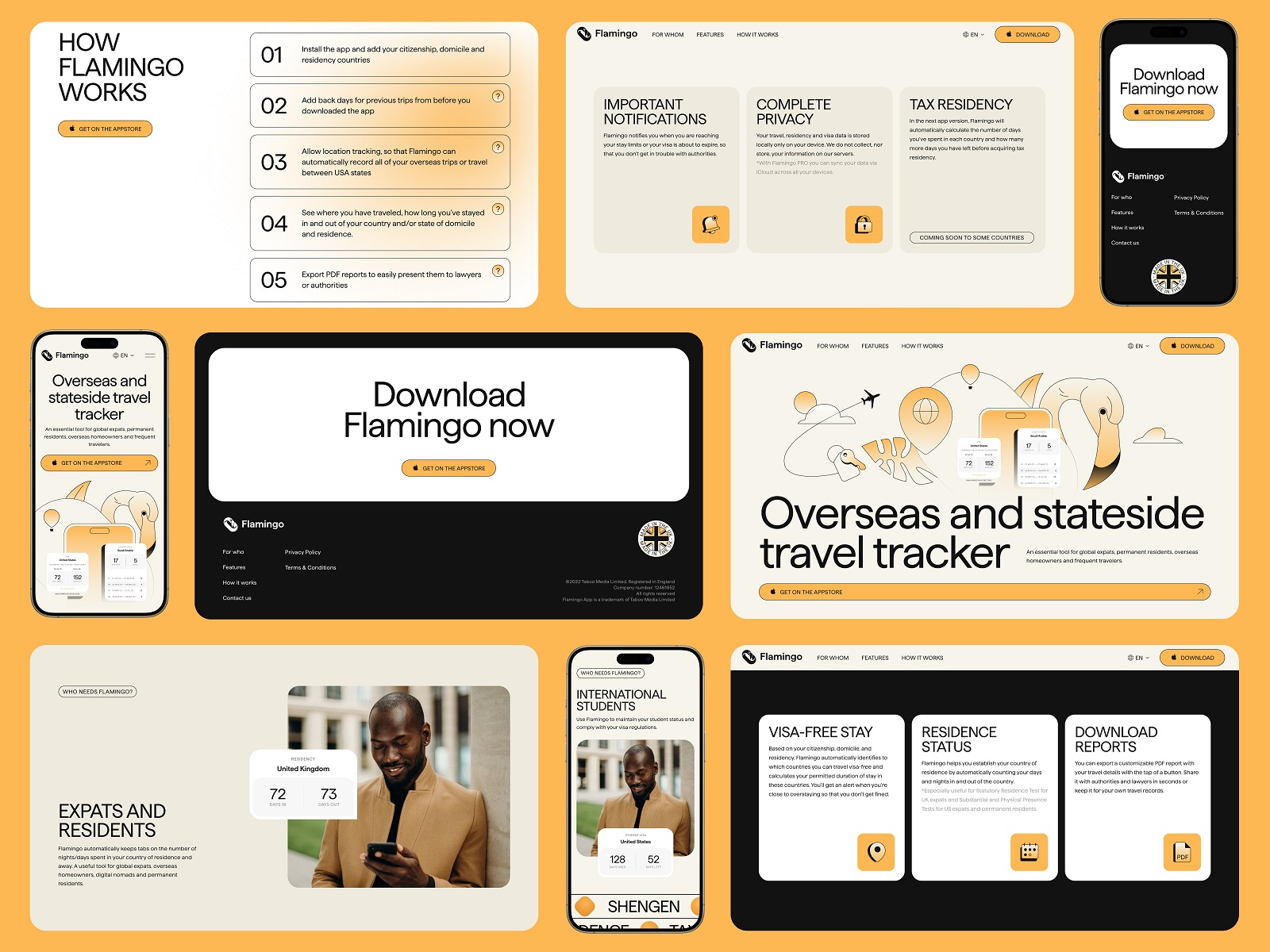
Credit: blog.tubikstudio.com
A corporate website redesign improves user experience, boosts brand image, and increases conversions. It helps modernize the site, optimize for SEO, and align with current business goals. Redesigns also fix usability issues and improve mobile responsiveness, leading to higher engagement and better customer retention.
Before and after case studies showcase real redesign impacts, highlighting challenges and solutions. They provide insights on strategy, design changes, and results like increased traffic or sales. Businesses learn best practices and avoid common pitfalls by studying these detailed examples.
Key elements include layout, navigation, visuals, and content structure. Redesigns often update branding, improve load speed, and enhance mobile compatibility. SEO optimizations and clear calls to action are added to drive better user engagement and conversions.
Typically, a corporate website redesign takes 3 to 6 months. The timeframe varies depending on project scope, complexity, and client requirements. Planning, design, development, testing, and revisions all contribute to the timeline.
These case studies show how redesigns improve user experience and brand image. Clear layouts and updated content help visitors find information fast. Businesses see better engagement and more leads after redesigns. Thoughtful design choices build trust and support company goals.
Redesigning a website is a smart step for growth and success.







Leave A Reply Now