



Handling customer complaints professionally is more than just fixing problems—it’s about turning challenges into opportunities to build trust and loyalty. When you face a dissatisfied customer, how you respond can make all the difference between losing their business or winning a lifelong supporter.
You’ll discover simple yet powerful techniques to listen effectively, stay calm under pressure, and offer solutions that leave your customers feeling heard and valued. Ready to transform complaints into your secret weapon for success? Keep reading to learn how you can master the art of professional complaint handling today.

Credit: learnq.co.uk
Listening to complaints is the first step in handling customer issues professionally. It shows respect and a genuine desire to solve problems. Listening carefully helps you understand the customer’s point of view. This understanding builds trust and opens the way to a good solution.
Effective listening requires focus and patience. It means giving full attention to the customer without distractions. The way you listen can calm a tense situation and make the customer feel valued. Below are key techniques to improve how you listen to complaints.
Active listening means fully concentrating on what the customer says. Use short verbal cues like “I see” or “Go on” to show you are engaged. Repeat or summarize key points to confirm understanding. This shows the customer you care and helps avoid misunderstandings. Keep your body language open and friendly to support your words.
Customers often complain because they feel upset or ignored. Acknowledge their feelings by saying things like “I understand why you feel that way.” This does not mean you agree, but it shows empathy. Validating emotions helps lower customer frustration. It makes them feel heard and respected, which eases the conversation.
Interrupting a customer can cause more frustration. Let them finish speaking before you respond. Avoid jumping in with solutions too early. This allows you to get the full story and all details. Patience here builds trust and shows professionalism. It creates a positive environment for solving the complaint.
Recording complaint details is a crucial step in handling customer complaints professionally. It ensures that every issue is captured clearly and completely. Accurate records help your team understand the problem and find the best solution quickly.
Keeping detailed complaint records also prevents repeat issues. It shows customers you value their feedback and are serious about fixing problems. This builds trust and improves your service over time.
Start by collecting all key facts about the complaint. Ask the customer for specific details like what happened, when, and where. Note the product or service involved and any related order numbers.
Listen carefully and confirm the information to avoid mistakes. Clear details help you address the root cause, not just the symptoms. Without good information, solving complaints is harder.
Write down the complaint exactly as the customer describes it. Use simple language and avoid assumptions. Record dates, times, and names involved.
Keep notes organized and easy to read. Avoid vague terms. Accurate documentation helps your team review and resolve issues faster. It also protects your business if disputes arise later.
Maintain a system to track all complaints over time. Link new complaints to previous ones if they relate. This shows patterns and helps identify recurring problems.
Tracking history allows your team to follow up effectively. It shows customers their concerns are taken seriously. A clear complaint history supports continuous improvement and better customer care.
Analyzing the issue is a crucial step in handling customer complaints professionally. It helps you understand the problem clearly. This understanding allows you to respond accurately and solve the issue quickly. A thorough analysis also prevents similar complaints in the future.
Start by gathering all details about the complaint. Ask open questions and listen carefully. Avoid making assumptions or interrupting the customer. Record the facts clearly to avoid confusion later. This step ensures you know exactly what went wrong.
Look beyond the surface to find the real cause of the issue. Check if it is a product fault, a service delay, or a communication error. Understanding the root cause helps in fixing the problem at its source. This reduces the chance of repeat complaints.
Consider how the issue affects the customer’s experience. Did it cause inconvenience, loss, or frustration? Understanding the impact helps you show empathy and offer the right solution. It also helps prioritize which complaints need urgent attention.
Offering effective solutions is a key step in handling customer complaints professionally. It helps turn a negative experience into a positive one. Customers want to feel heard and see that their problem is being taken seriously. Providing clear options shows your commitment to resolving the issue and builds trust.
When you offer solutions, focus on what you can do, not what you cannot. Keep your language simple and direct. Make sure the customer understands the next steps clearly. This approach reduces frustration and helps close the complaint on a good note.
Start by presenting the customer with different ways to fix the problem. Offer choices that suit their needs and your company’s policies. Discussing options helps customers feel involved and respected. It also shows you want to find a solution that works best for them.
Be honest about what each option means. Explain the time it will take and what the customer can expect. Avoid vague promises. Clear communication here prevents future misunderstandings.
Use simple words to explain why the issue happened and how you will solve it. Customers appreciate transparency. It helps them trust your business more. Avoid technical jargon or complex terms.
Make sure the explanation answers the customer’s main concerns. Repeat key points if needed. Clear explanations calm customers and reduce their frustration. It also shows your professionalism and care.
Sometimes a small gift or discount can make a big difference. Offering compensation shows you value the customer’s business. It can turn a complaint into a chance to strengthen loyalty.
Choose goodwill gestures that fit the situation. Avoid overpromising or setting bad examples. A sincere offer of compensation can leave a lasting positive impression. It proves you care about more than just the sale.
Taking prompt action is vital in handling customer complaints professionally. Swift responses show customers their concerns matter. Quick action prevents small issues from growing into bigger problems. It builds trust and improves customer satisfaction. This section explains key steps for taking prompt action effectively.
Respond to complaints as soon as possible. Fast replies calm upset customers. Avoid delays that cause frustration or doubt. Assess the problem clearly and decide the best solution. Confidence in your actions reassures customers. Quick, firm decisions prevent confusion and keep the process moving.
Always follow through on what you promise. Meeting commitments builds credibility and trust. If you say you will call back or fix an issue, do it on time. Breaking promises harms your reputation and frustrates customers. Clear communication about timelines helps manage expectations.
Work closely with the right departments to solve complaints. Share information promptly to avoid repeated questions. Teamwork speeds up problem resolution. It ensures all parts of the company support the customer properly. Coordinated efforts improve service quality and customer experience.
Credit: www.ambscallcenter.com
Following up with customers after resolving a complaint shows commitment to service. It reassures customers that their concerns matter beyond the initial fix. This step builds trust and strengthens the relationship. Effective follow-up can turn a negative experience into a positive one. It also helps prevent recurring issues by confirming satisfaction.
Reach out to customers to check if their issue is fully resolved. Ask clear questions to understand their level of satisfaction. This confirms that your solution met their needs. If the problem persists, act promptly to address it again. A quick response shows you care about their experience.
Keep communication open even after the complaint is closed. Share helpful tips or updates related to their concern. This keeps your brand in their mind positively. Regular engagement can turn one-time buyers into loyal customers. It also invites them to return for more business.
Invite customers to provide honest feedback about the complaint process. Use simple surveys or direct questions for easy responses. Feedback helps improve your service and complaint handling. It shows customers that their opinions are valued. Act on feedback to enhance future interactions and avoid repeated problems.
Managing emotions professionally is crucial when handling customer complaints. Strong feelings can cloud judgment and hurt communication. Keeping emotions in check helps resolve issues faster and builds trust. It shows respect to the customer and keeps the conversation productive.
Emotional control allows clear thinking under stress. It helps maintain a polite tone and avoid misunderstandings. Customers feel heard and valued when staff remain calm and composed. This section explores key ways to manage emotions during complaints.
Stay calm by taking deep breaths and focusing on the problem. Avoid reacting immediately to harsh words. A calm voice reassures customers and reduces tension. Pause briefly before answering to gather your thoughts. Remaining steady helps find better solutions quickly.
Keep the conversation respectful and avoid arguments. Do not take complaints personally or respond with anger. Use neutral language to prevent escalating the issue. Listen fully before speaking to understand the customer’s view. Aim to solve the problem, not win a debate.
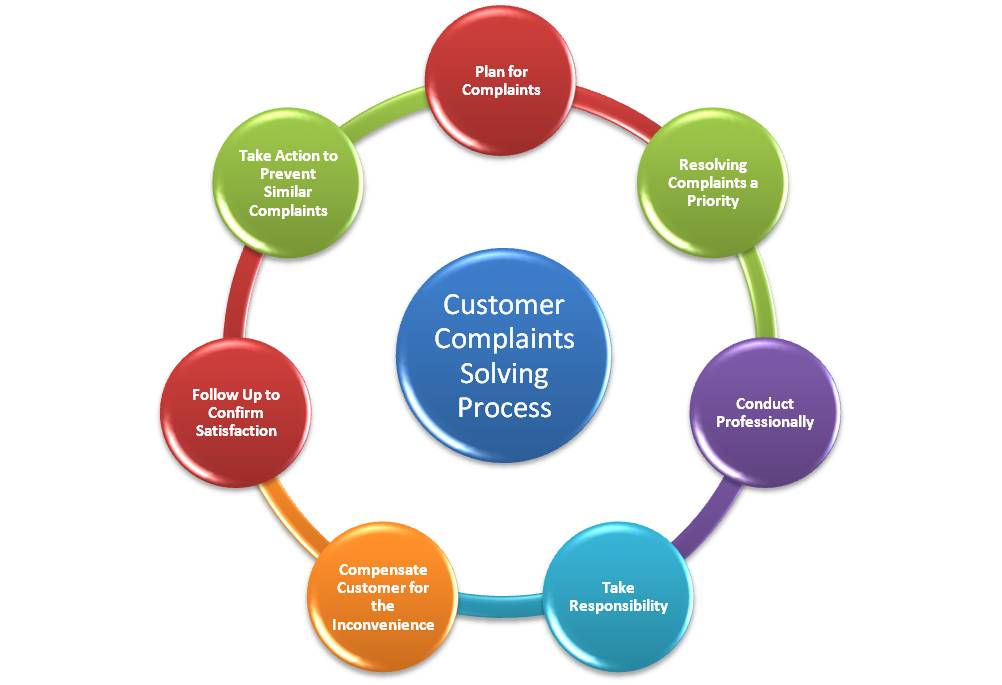
Show understanding of the customer’s feelings and situation. Use phrases like “I understand your frustration” or “I’m sorry this happened.” Empathy builds connection and calms upset customers. It signals that you care and want to help. Genuine empathy improves customer satisfaction and loyalty.
Credit: zight.com
Building customer trust is vital for handling complaints professionally. Trust encourages customers to share their concerns openly. It also helps turn negative experiences into positive relationships.
Trust grows when customers see honesty and care in how their issues are handled. Businesses that act transparently and show real commitment earn respect. This section explores key ways to build customer trust during complaint handling.
Admit mistakes clearly and without excuses. Transparency shows customers you value honesty. Take responsibility for errors and explain what happened. This openness helps customers feel respected and understood.
Keep customers informed at every step. Share what you are doing to fix the problem. Avoid hiding facts or delaying responses. Accountability creates a strong bond of trust.
Show customers that their feedback matters. Use complaints to improve your products or services. Tell customers about changes made from their suggestions. This proves you listen and want to do better.
Commit to training your team on handling complaints well. A company that learns and grows gains loyalty. Customers trust businesses that strive to improve continuously.
View complaints as chances to build stronger relationships. Solve issues quickly and exceed expectations. A satisfied customer can become your biggest supporter.
Thank customers for raising concerns. This shows you care about their experience. Use each complaint to create a positive outcome. Turning problems into opportunities builds lasting trust.
Implementing continuous improvement is key to handling customer complaints professionally. It means using feedback to make your service better over time. This approach helps prevent repeated issues and builds trust with customers. Every complaint offers a chance to learn and grow.
Each complaint reveals a problem that needs fixing. Analyze complaints carefully to find common patterns. Look for root causes, not just symptoms. Use this data to improve products or services. Treat complaints as valuable information, not just problems.
Review your policies regularly based on complaint trends. Adjust rules to avoid future mistakes. Clear, updated procedures guide staff to handle issues quickly. Well-defined policies help maintain consistency in customer care. Make sure changes are easy to understand and follow.
Train staff on new policies and complaint handling skills. Role-playing helps them practice real-life situations. Teach active listening and empathy to improve responses. Regular training keeps skills sharp and confidence high. Well-trained staff create positive experiences for customers.
Technology plays a key role in managing customer complaints efficiently. It helps businesses respond faster and keep track of issues clearly. Using technology allows teams to organize complaints, analyze patterns, and maintain communication with customers. This improves customer satisfaction and builds trust.
Tracking tools help collect and organize complaint details in one place. Software like helpdesk systems lets staff record each complaint instantly. This prevents issues from being lost or forgotten. Managers can see complaint status and assign tasks easily. Tracking tools speed up response times and improve team coordination.
Complaint data reveals trends and common problems. Technology can analyze this data automatically to find patterns. Businesses learn which products or services cause most complaints. This insight guides improvements and reduces future issues. Data analysis also helps identify training needs for customer service teams.
Automated follow-ups keep customers informed without delay. Technology sends messages after a complaint is received or resolved. This shows customers their concerns matter. Automation reduces manual work and ensures no customer is forgotten. Timely follow-ups increase customer trust and satisfaction.
I handle customer complaints by actively listening, empathizing, and quickly resolving issues. I communicate clearly, keep promises, and follow up to ensure satisfaction. This approach builds trust and improves customer loyalty effectively.
1. Listen carefully to the customer’s complaint without interrupting. 2. Thank the customer for sharing their concern. 3. Record and verify all complaint details. 4. Propose fair solutions to resolve the issue. 5. Act promptly and follow up to ensure satisfaction.
The 5 key factors of complaint handling are: listen actively, empathize sincerely, gather facts, offer solutions, and follow up promptly.
Listen carefully, empathize sincerely, and thank the customer for their feedback. Address the issue quickly, offer a fair solution, and follow up to ensure satisfaction. Keep communication clear and promises consistent to build trust and improve customer loyalty.
Handling customer complaints professionally builds trust and loyalty. Listen carefully and show genuine empathy always. Respond quickly with clear, honest solutions. Keep your promises and follow up promptly. This approach turns problems into opportunities for growth. Treat every complaint as a chance to improve.
Stay calm and respectful throughout the process. Your customers will appreciate your care and effort. Consistent, fair handling strengthens your business reputation.







Leave A Reply Now