


Are you ready to take your e-commerce business to the next level but unsure where to find the funds? Whether you’re just starting out or looking to scale, knowing your funding and investment options can make all the difference.
You’ll discover practical ways to secure capital—ranging from quick loans to strategic investors—that fit your unique business needs. By understanding these options, you can grow faster, keep control of your brand, and make smarter financial decisions. Keep reading to unlock the funding strategies that will power your e-commerce success.

Credit: www.template.net
Finding the right funding source is crucial for e-commerce businesses. Different options serve various needs and stages of growth. Choosing a suitable source can help you start or expand your online store with confidence.
Each funding source has unique benefits and requirements. Understanding these options allows you to make informed decisions. Here are common funding sources available for e-commerce entrepreneurs.
Bank loans provide a reliable way to get capital. They usually offer lower interest rates than other loans. Banks require a solid business plan and good credit score. Repayment terms and amounts vary depending on the lender. This option suits businesses with steady revenue and clear growth plans.
Angel investors are individuals who invest their own money. They often support startups with high growth potential. These investors provide funds in exchange for equity or convertible debt. Besides money, they can offer valuable advice and connections. Angel investors take more risk than banks but expect higher returns.
Venture capital firms invest in businesses with strong growth prospects. They provide larger amounts of funding than angel investors. VC firms typically require a share of the company and some control. They focus on scalable ideas with fast market entry. Venture capital suits startups ready to expand quickly.
Government grants offer non-repayable funds for specific purposes. These grants support innovation, technology, and business development. Applications usually require detailed project descriptions and budgets. Grants can be competitive but provide valuable financial help. This option benefits businesses with clear goals and public value.
Crowdfunding gathers small investments from many people online. Platforms like Kickstarter and Indiegogo host campaigns. This method tests market interest and raises funds simultaneously. Campaign success depends on marketing and a strong pitch. Crowdfunding suits businesses with unique products and community appeal.

Credit: www.vecteezy.com
Investment types in e-commerce cover various ways to fund and grow your business. Choosing the right type depends on your goals and risk level. Each investment type offers unique benefits and challenges. Understanding these options helps you make smarter financial choices. Here are the main investment types common in the e-commerce world.
Buying stocks in public e-commerce companies lets you own part of a big business. Stocks trade on stock exchanges and are easy to buy and sell. Public stocks provide liquidity and access to established companies. Investors can earn through dividends and stock price increases. Research the company’s financial health before investing. This method suits those seeking lower risk and steady growth.
Private business stakes mean investing in companies not listed on public markets. These businesses are often smaller or newer. You can gain significant influence or control by owning a stake. Private investments usually require more money and longer commitment. The risks are higher, but the rewards can be greater. Access to these investments often comes through private deals or networks.
Startup equity involves investing in early-stage e-commerce businesses. This option supports new ideas and innovative products. Startup investors receive shares in exchange for funding. These investments carry high risk due to uncertain success. Early investors may benefit from big returns if the startup grows fast. It needs careful evaluation of the business plan and team. Startup equity suits those ready for higher risks and potential gains.
E-commerce loans provide essential funds to start or grow online businesses. These loans help manage daily expenses and invest in growth opportunities. Various loan types cater to different business needs and stages.
Working capital loans cover short-term expenses like payroll and bills. They offer quick access to cash without selling equity. Repayment terms usually range from a few months to a year. These loans keep your operations smooth during slow sales periods.
Merchant cash advances give upfront cash in exchange for future sales. Payments are made daily or weekly from your credit card sales. This option suits businesses with steady card transactions. It helps manage cash flow without fixed monthly payments.
Inventory financing funds the purchase of stock needed for sales. The inventory itself acts as collateral for the loan. This loan type ensures you have enough products during peak seasons. It prevents stock shortages that can hurt customer satisfaction.
Choosing the right funding and investment option is key for e-commerce success. Every business has unique needs and goals. Selecting a funding source that fits well can support growth without causing stress.
Consider factors like how much money you need, how fast you need it, and what you can afford to give up. Balance the risks and benefits carefully. A smart choice helps keep your business strong and flexible.
Start by defining your business goals clearly. Do you need funds for inventory, marketing, or technology? Estimate the amount of capital required. Think about the timing. Some options provide fast cash, others take longer.
Consider your current financial health. Check your credit score and cash flow. This helps identify which options are realistic. Also, think about future plans. Will you need more funds soon? Choose options that allow easy follow-up funding if needed.
Analyze the cost of each funding option carefully. Look at interest rates, fees, and repayment terms. Some loans have high rates but quick approval. Others offer lower costs but stricter rules.
Understand the risks involved. Some funding sources require collateral, putting assets at risk. Equity investors share ownership and control. Missing payments can harm credit and business reputation. Choose options with manageable risks and clear terms.
Keeping control of your business matters. Some investments ask for equity or shares. This means giving part of your business away. Equity investors often want a say in decisions. Loans let you keep full ownership but require repayment.
Decide how much control you want to keep. If retaining full ownership is a priority, loans or self-funding may work better. If sharing control is acceptable for growth capital, consider angel investors or venture capital. Balance control with capital needs carefully.
Applying for funding is a key step for e-commerce businesses. Proper preparation increases the chance of approval. Clear, organized, and detailed applications impress lenders and investors. Focus on presenting facts and showing potential. Follow these tips to make your funding application strong and effective.
Gather all financial records before applying. Include profit and loss statements, balance sheets, and cash flow reports. Keep documents up-to-date and accurate. Lenders need to see your business’s financial health clearly. Organized documents speed up the review process and build trust.
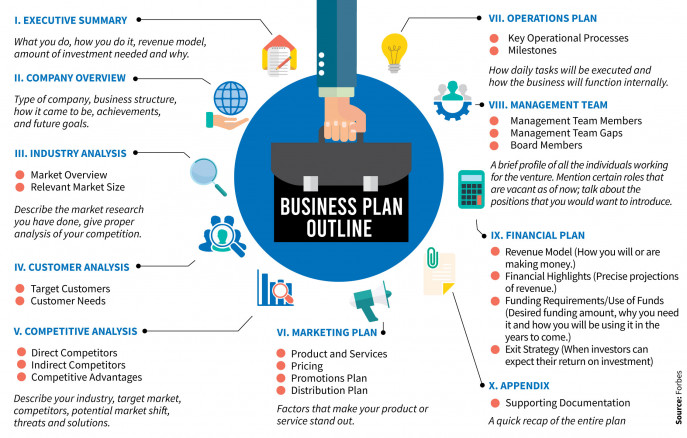
Create a detailed plan that explains your business model. Describe your products, target market, and sales strategy. Include clear goals and how you will achieve them. Show how the funds will be used and how they will help growth. A strong plan convinces lenders of your business’s potential success.
Emphasize opportunities that can increase revenue and market share. Use data and trends to support your claims. Share plans for expanding product lines or entering new markets. Show proof of customer demand and sales growth. Lenders want to fund businesses that can grow and repay loans quickly.
Investment strategies shape how e-commerce businesses grow and compete. Smart strategies balance risk and opportunity. They focus on long-term gains and stability. These approaches help secure funds and expand market reach. Understanding key strategies lets business owners make informed decisions. Below are essential investment tactics to consider.
Diversification spreads risk across different assets. It prevents heavy losses from one source. E-commerce businesses can invest in various channels, products, or markets. For example, combining inventory funding with marketing investments. Diversification ensures steady cash flow. It also opens new revenue streams. Avoid putting all capital into one area. This balance strengthens business resilience.
Investor networks connect businesses with potential backers. These networks offer access to funds and advice. Building strong relationships within these circles is crucial. Investors can provide mentorship and industry insights. Networking events and online platforms help find suitable investors. Leveraging these contacts increases chances of funding success. It also builds credibility in the market.
Timing affects investment outcomes significantly. Investing too early may risk cash flow problems. Waiting too long can mean missed opportunities. Monitor market trends and business cycles closely. Identify periods of growth or demand spikes. Make investments when returns are likely higher. Proper timing ensures optimal use of capital. It supports steady business expansion.
Scaling with capital is essential for growing e-commerce businesses. Access to funds allows you to invest in key areas that drive expansion and improve operations. Careful use of capital can boost sales, enhance customer experience, and increase market reach.
Investing in marketing helps attract more customers. Capital can fund paid ads on social media and search engines. It also supports content creation like blogs, videos, and email campaigns. These efforts raise brand awareness and encourage repeat purchases. Marketing expansion makes your business visible to new audiences.
Technology plays a big role in e-commerce success. Upgrading your website improves speed and user experience. Investing in new software helps manage orders, inventory, and customer service. Capital can also support automation tools that save time and reduce errors. Better technology keeps your store competitive and efficient.
Having enough stock is vital to meet demand. Capital allows you to buy more products or new product lines. This prevents lost sales from out-of-stock items. It also lets you negotiate better prices with suppliers by ordering in bulk. Growing inventory ensures customers find what they want, boosting sales.
Credit: www.tbsnews.net
E-commerce funding provides online retailers with capital to start or grow their business. It comes from banks, investors, or grants.
Invest in eCommerce by buying public company stocks, funding private businesses, or starting your own online store. Open a brokerage account to buy shares. Use investor networks to find private opportunities. Conduct market research, create a business plan, build a website, and market effectively to launch your store.
The three types of funding are equity financing, debt financing, and grant funding. Equity involves selling ownership shares. Debt requires borrowing money to repay with interest. Grants provide non-repayable funds, often from government or organizations. Each type suits different business needs and goals.
Secure funding for an online business through personal savings, bank loans, angel investors, crowdfunding, or government grants. Prepare a solid business plan and pitch to attract investors. Explore ecommerce-specific loans and financing platforms for faster approval and flexible terms.
Exploring funding and investment options helps e-commerce businesses grow steadily. Choose the method that fits your needs and goals best. Whether loans, angel investors, or crowdfunding, each option has pros and cons. Careful planning and research increase your chances of success.
Stay informed about market trends and funding opportunities. Taking smart financial steps supports long-term business health. Keep your goals clear and act confidently to expand your e-commerce venture.







Leave A Reply Now