



When you’re planning a custom solution, knowing how to estimate time and budget is crucial to your success. Without a clear plan, projects can drag on, costs can spiral out of control, and stress can mount quickly.
But what if you could confidently predict how long your project will take and how much it will cost? Imagine making smart decisions from the start that keep your project on track and your budget intact. You’ll discover practical steps and insider tips to help you accurately estimate both time and budget for your custom solutions.
Keep reading to take control of your project and avoid costly surprises down the road
Assessing the project scope is the first step in estimating time and budget for custom solutions. It helps you understand the work involved and the resources needed. A clear scope prevents surprises later and keeps the project on track.
Start by gathering all project requirements. Talk with stakeholders to learn their needs. Write down every detail, big or small. This creates a full picture of what the project demands.
Check for technical needs, user expectations, and any constraints. Knowing these early avoids costly changes later.
Define what success looks like for the project. Objectives should be specific and measurable. Clear goals guide the team and keep focus on the main outcomes.
Ensure everyone agrees on these objectives. This alignment helps avoid misunderstandings and delays.
List all the deliverables the project must produce. Deliverables are the tangible results or products you will deliver. Each should have a clear description and deadline.
Breaking the project into smaller deliverables makes estimation easier. It also helps track progress and manage risks effectively.
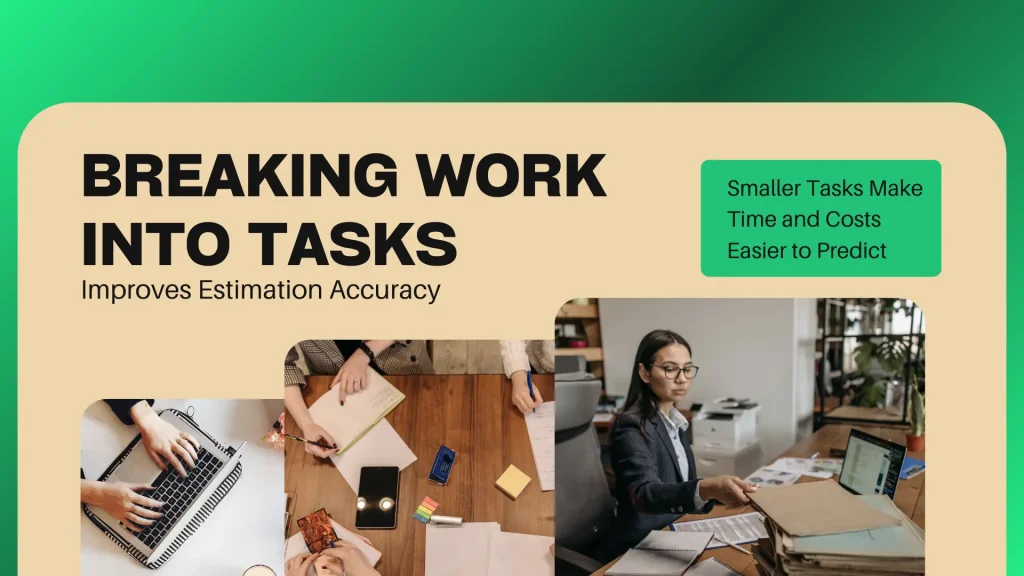
Breaking down tasks is a key step in estimating time and budget for custom solutions. It helps make a big project manageable by dividing it into smaller parts. Each part can be planned, tracked, and controlled more easily. This approach reduces surprises and improves accuracy.
Clear task breakdown provides a roadmap for the whole team. It shows what needs to be done and when. This clarity helps avoid confusion and keeps the project on track.

Start by listing all tasks required to complete the project. Include every detail, no matter how small. This list acts as a checklist and helps spot missing steps. Use simple terms to keep it clear for everyone. A complete task list forms the foundation for good planning.
Next, assign each task to a team member or group. Match tasks with the right skills and experience. Clear responsibility prevents overlap and gaps in work. Everyone knows what to do and who to ask for help. This step also helps measure progress and accountability.
Estimate how long each task will take to complete. Base estimates on past experience and available resources. Consider possible delays and add buffer time. Use hours or days for clarity. Accurate task duration helps set a realistic project timeline and budget.
Gathering accurate data is key to estimating time and budget for custom solutions. Collecting the right information helps set clear expectations. It reduces risks and avoids surprises during the project.
Data collection involves studying past projects, consulting experts, and comparing similar work. This approach builds a solid foundation for your estimates. Use reliable data to guide your planning and decision-making.
Historical data shows how long past tasks took and what they cost. It offers a real-world baseline for your estimates. Track project records and budgets from similar work. This data helps predict future needs with more accuracy.
Organize the data by task type and complexity. Look for patterns in time spent and expenses. Adjust for any changes in technology or team skills. Historical data reduces guesswork and improves confidence in estimates.
Experts bring deep knowledge of the work and challenges involved. Talk to team members, managers, or industry specialists. Their insights reveal hidden details and realistic timelines. Experts can spot risks or bottlenecks early.
Ask for their input on resource needs and potential delays. Use their feedback to refine your time and cost projections. Expert advice ensures your estimates reflect real conditions and expert judgment.
Comparing similar projects helps identify common tasks and expenses. Study projects with the same scope, technology, or client requirements. Note how long each phase took and what resources were used.
This comparison highlights standard durations and budgets. It also points out unique factors that affect estimates. Analyze differences carefully to avoid underestimating or overestimating your project.
Estimating time and budget for custom solutions requires attention to external influences. These factors can affect your project’s schedule and costs. Ignoring them can cause delays or unexpected expenses. Careful planning helps you stay on track and within budget.
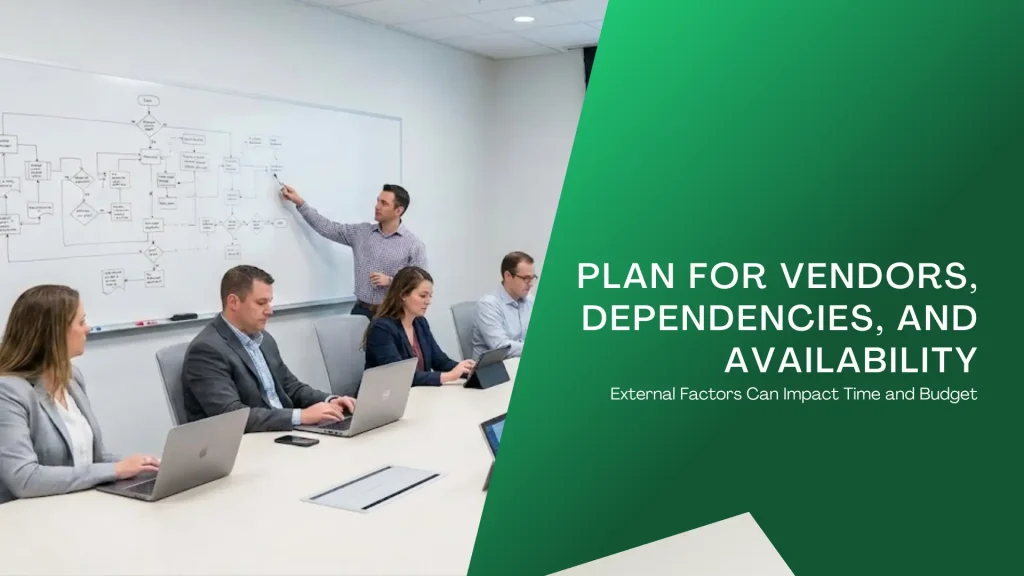
Vendors provide essential tools or services for your project. Their delivery schedules impact your timeline directly. Always check vendor lead times before finalizing your plan. Allow extra time for possible delays in shipping or production. Communicate often with vendors to stay updated on progress.
Third-party services or software may be part of your solution. Their availability and performance affect your project timeline. Identify all external dependencies early. Account for their maintenance windows or update schedules. Plan for potential downtime or integration issues to avoid surprises.
Resources like team members, equipment, or facilities might not be constantly available. Confirm their availability before setting deadlines. Consider vacations, holidays, or other projects affecting your team. Schedule work to match when key resources can contribute. This prevents bottlenecks and keeps your project moving smoothly.
Adding contingency buffers is essential in estimating time and budget for custom solutions. These buffers help manage uncertainties and keep projects on track. Without them, unexpected changes can cause delays and cost overruns. Contingency buffers act as a safety net to absorb surprises and keep plans realistic.
Revisions often arise during the development of custom solutions. Clients may change requirements or request improvements. Adding time and budget buffers for these revisions avoids pressure on your team. Set aside extra resources to handle updates without disrupting the schedule. This approach ensures smoother project progress and client satisfaction.
Delays can come from many sources like technical issues or resource availability. Plan for these by including extra time in your estimates. This buffer helps absorb setbacks without affecting the final deadline. Budget extra funds to cover costs caused by delays. Preparing for the unexpected keeps your project flexible and resilient.
Every project has risks that can impact time and cost. Identify the risk level early and adjust your contingency buffers accordingly. High-risk projects need larger buffers to cover potential problems. Low-risk projects require smaller buffers but should still have some reserve. Tailoring buffers to risk helps keep estimates accurate and realistic.
Calculating budget components is essential for accurate project planning. It helps avoid overspending and ensures resources are used wisely. Breaking down the budget into clear parts makes it easier to track costs and adjust plans.
Labor costs include wages for all team members working on the project. Calculate the hours each person will spend and multiply by their hourly rate. Don’t forget to include taxes and benefits in the total. Accurate labor estimates prevent surprises during the project.
List all materials needed for the custom solution. Get current prices from reliable suppliers to avoid underestimating costs. Include shipping and handling fees in the budget. Always add a small buffer for unexpected material price changes.
Overhead covers indirect expenses like utilities, rent, and equipment maintenance. These costs support the project but are not tied to specific tasks. Calculate overhead as a percentage of labor and material costs to keep the budget balanced. Ignoring overhead can lead to budget shortfalls.
Using estimation tools helps plan custom solutions efficiently. These tools simplify predicting time and budget needs. They provide clear data for better decision-making. Choosing the right tool depends on your project size and complexity.
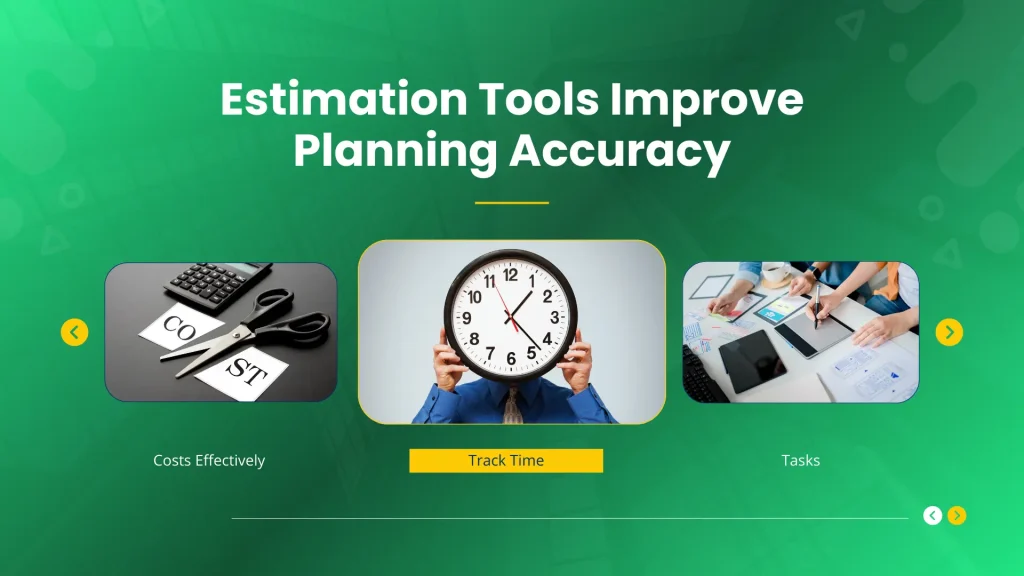
Project management software organizes tasks and deadlines. It breaks work into smaller, manageable parts. You can assign tasks and track progress easily. This software often shows timelines and milestones visually. It helps spot delays early to keep projects on schedule. Examples include Trello, Asana, and Microsoft Project.
Budgeting apps monitor costs and expenses clearly. They help set spending limits for each project phase. These apps alert you when expenses approach limits. You can compare planned versus actual costs quickly. This keeps your project financially healthy and avoids overspending. Popular options are QuickBooks and FreshBooks.
Time tracking tools record how long tasks take. They provide real data instead of estimates. This helps improve future project time predictions. Teams can log hours spent on each activity easily. Managers get insights to balance workload and resources. Tools like Toggl and Harvest are widely used.
Reviewing and refining your time and budget estimates is essential for successful custom solutions. It helps catch errors early and adjusts plans to reality. This step ensures your project stays on track and within budget. Refining estimates involves feedback, validation, and ongoing monitoring.
Share your initial estimates with all key stakeholders. Their input helps uncover overlooked tasks or costs. Stakeholders can confirm if the estimates meet business goals and expectations. Validation builds trust and aligns the team on project scope and resources.
Collect feedback carefully and update your estimates accordingly. Adjust timelines and budgets to reflect new information or concerns. Keep the estimates realistic and flexible to avoid surprises later. Clear communication during updates prevents misunderstandings and delays.
Track progress closely against your refined estimates throughout the project. Identify any deviations early and analyze their causes. Use this data to adjust future estimates and improve accuracy. Monitoring ensures that time and costs remain controlled until project completion.
Communicating time and budget estimates clearly helps avoid confusion and delays. It builds trust with clients and team members. Clear communication keeps everyone aligned on project goals and limits.
Sharing estimates effectively means presenting information in a simple, transparent way. Use easy language and organized formats. Ensure all parties understand what the numbers mean and why they matter.
Use straightforward reports to show your estimates. Break down time and costs by task or phase. Include charts or tables for quick understanding. Avoid jargon or complex terms.
Highlight key figures like total hours and budget limits. Make the report easy to read on any device. Clear reports help clients and teams see the full picture.
Be honest about what the estimate covers. Explain possible risks that might affect time or costs. Avoid promising exact dates or budgets when uncertainty exists.
Discuss potential delays or extra expenses upfront. Setting realistic expectations prevents disappointment later. It helps clients plan better and reduces pressure on your team.
Write down all assumptions used to create the estimate. Include details like resource availability, technology limits, or client inputs. This shows the basis for your numbers.
Documenting assumptions makes it easier to update estimates if conditions change. It also helps resolve disputes by clarifying what was agreed upon. Keep this record accessible to all stakeholders.
Estimate project cost and time by defining scope, listing tasks, and gathering task data. Include external, revision, and contingency hours. Sum all components and review the estimate for accuracy.
The 50-90 estimation technique predicts project completion between 50% and 90% confidence. It balances optimism and caution. This method helps manage risks and set realistic deadlines. Estimators use it to improve accuracy and stakeholder communication during project planning.
Estimate software project hours by listing tasks, assessing each task’s effort, adding revision and contingency time, then summing all hours for accuracy.
Calculate a budget estimate by listing all tasks, assigning costs, adding contingency, and summing total expenses. Review and adjust as needed.
Estimating time and budget for custom solutions takes careful planning. Break down the project into clear tasks. Assign realistic time frames to each task. Consider potential risks and add buffers. Review past projects for better accuracy. Keep communication open with your team and clients.
Regularly update your estimates as work progresses. This approach helps avoid surprises and keeps projects on track. Accurate estimates lead to smoother project delivery and satisfied clients. Always stay flexible and ready to adjust your plans. Good estimation skills improve your chances for success.







Leave A Reply Now