


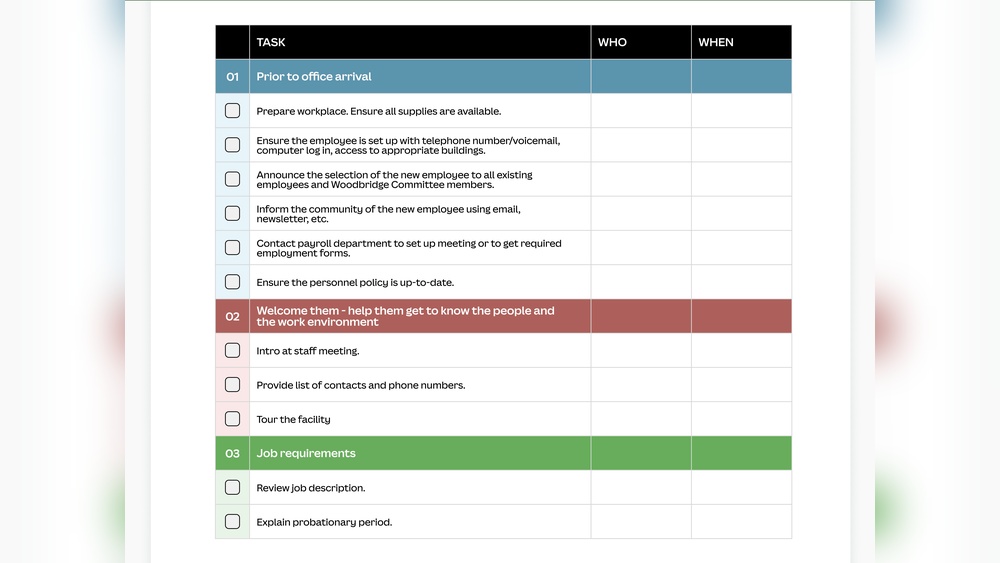
Are you tired of inconsistent results and constant confusion within your agency? Creating clear Standard Operating Procedures (SOPs) can be the game-changer you need.
SOPs act like a roadmap, guiding your team step-by-step through each task so everyone stays on the same page. When done right, they save you time, reduce mistakes, and boost your agency’s efficiency. You’ll discover simple, practical steps to create SOPs tailored to your agency’s needs—helping you build smoother workflows and deliver consistent quality every time.
Ready to transform how your agency operates? Let’s dive in.
Credit: flowster.app
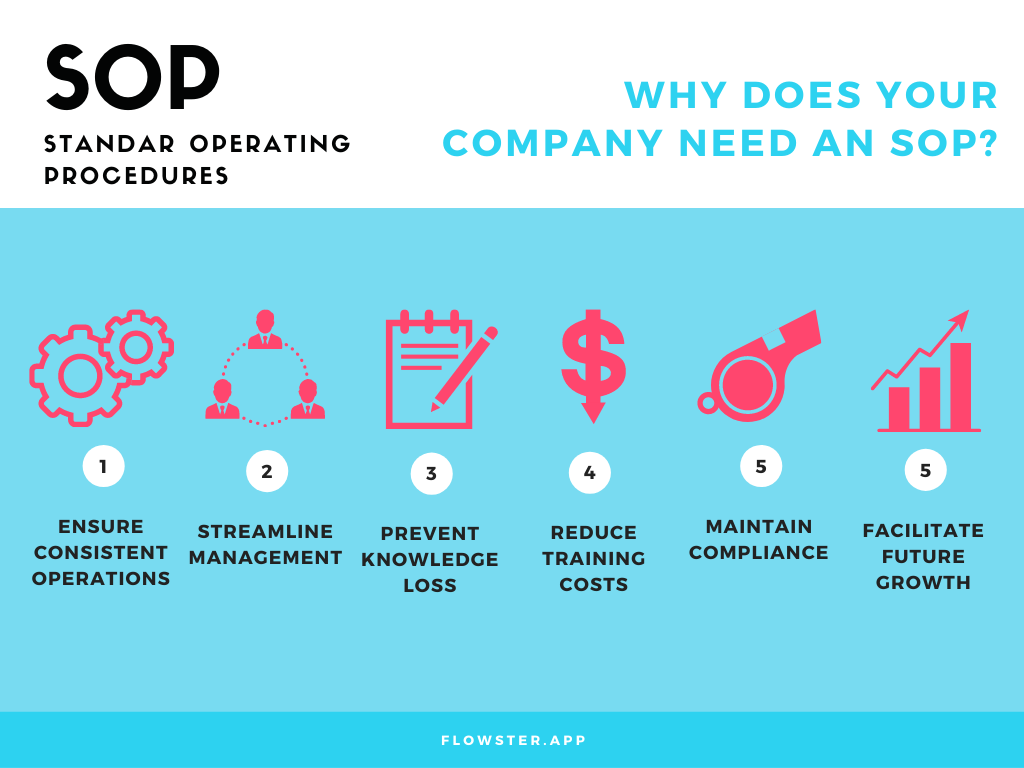
Creating Standard Operating Procedures (SOPs) for your agency sets a strong foundation. SOPs help teams work consistently and reduce mistakes. They guide new and existing employees through tasks clearly. Understanding the basics of agency SOPs ensures you build effective and useful documents.
SOPs explain how to perform tasks step-by-step. They keep work quality high and uniform. SOPs save time by avoiding repeated questions. They help train new staff faster and better. Agencies stay organized and efficient with SOPs. Clear procedures reduce errors and confusion. Everyone knows what to do and when. SOPs support growth by making scaling easier.
Start with a clear title that shows the SOP’s purpose. Add a brief introduction explaining its goal. List all materials and tools needed for the task. Write detailed, easy-to-follow steps in order. Use simple language and short sentences. Include visuals like charts or screenshots if possible. Define who is responsible for each step. Mention safety or quality checks when needed. Provide troubleshooting tips for common problems. End with a review or update date to keep it current.
Planning your Standard Operating Procedures (SOPs) is the first step to ensure clear and effective guidelines. Proper planning helps your agency stay organized and consistent. It sets the foundation for creating documents that everyone can follow easily. Focus on defining what you want to achieve, who will use the SOPs, and how to present the information clearly.
Start by deciding the main goals of your SOPs. What tasks or processes need clear instructions? Think about the results you want from these procedures. Next, identify the audience. Are the SOPs for new hires, experienced staff, or managers? Knowing your audience helps tailor the language and detail level. Write in simple words that your team understands well.
Decide which tasks your SOPs will cover. Limit each SOP to one process or related steps. This keeps documents focused and easy to follow. Choose a format that fits your agency’s needs. Some teams prefer step-by-step lists, others like flowcharts or checklists. Pick a style that makes it simple to read and update later.
Involve your team early in the planning. Ask for input on what tasks need SOPs and how detailed they should be. Team members can share practical tips to improve clarity. Collaboration also helps gain their support and ensures everyone agrees on procedures. Regular feedback makes your SOPs stronger and more useful.
Writing effective Standard Operating Procedures (SOPs) is essential for any agency. Clear and well-structured SOPs help team members follow steps correctly. They reduce errors and improve consistency. A good SOP saves time and makes training easier. Focus on clarity and organization to create useful SOPs.
Write instructions in simple words. Avoid jargon and long sentences. Use active voice to make steps direct. Each sentence should explain one action. Clear language helps everyone understand the process quickly.
Arrange tasks in the order they should be done. Start with the first step and move forward. Use numbered lists or bullet points for easy reading. Logical flow prevents confusion and mistakes during tasks.
Add images, charts, or diagrams to support the text. Visuals show how to complete steps more clearly. Include examples to explain tricky parts. This makes the SOP easier to follow and learn from.
Credit: www.sweetprocess.com
Formatting and templates play a key role in creating clear and consistent SOPs for your agency. Proper formatting makes the document easy to read and follow. Templates save time and ensure uniformity across all procedures. A well-structured SOP helps team members understand their tasks quickly and reduces errors.
Select a template that fits your agency’s needs. Look for simple designs that highlight important steps. Avoid cluttered layouts with too many colors or fonts. A clean template keeps focus on the content, not the style. You can find free or paid templates online or create your own. Make sure the template supports easy updates and additions.
Every SOP should have basic sections for clarity. Start with a clear title describing the task. Include a purpose statement to explain why the SOP exists. Add a scope section to define what the SOP covers. List all tools or materials needed. Provide step-by-step instructions in a logical order. Finish with a section on roles and responsibilities. Include a place for review dates and approvals.
Use consistent naming to keep SOPs organized. Include the task name and date in the file name. This helps team members find the right document fast. Versioning tracks changes over time. Add version numbers like v1.0, v1.1, or v2.0 after the file name. Update the version number every time you revise the SOP. This avoids confusion and ensures everyone uses the latest version.
Implementing Standard Operating Procedures (SOPs) is vital for smooth agency operations. It ensures every team member knows what to do and how to do it. Clear implementation prevents confusion and improves work quality. Follow key steps to embed SOPs in your agency’s daily routine.
Define who will manage and update each SOP. Assign tasks based on team members’ strengths. Clarify who follows the procedures and who monitors compliance. Clear roles create accountability and streamline workflow. This clarity helps avoid overlap and missed steps.
Teach your team how to use SOPs correctly. Hold training sessions to explain procedures and expectations. Use real examples to make learning easier. Encourage questions to ensure understanding. Regular training refreshes knowledge and adapts to updates.
Make SOPs easy to find and use for everyone. Store documents in a shared digital space accessible anytime. Use simple formats compatible with all devices. Keep SOPs organized by topic or department. Easy access boosts adherence and speeds up work.
Reviewing and updating your SOPs keeps them useful and relevant. Agencies grow and change, so procedures must reflect current practices. Regular checks help catch errors and improve clarity. Updated SOPs make daily work smoother for your team.
Ask your team for input on existing SOPs. They use these documents daily and see what works or fails. Collect suggestions through meetings, emails, or surveys. Honest feedback highlights unclear steps or missing details. Use this information to make your SOPs stronger.
Set specific times to review SOPs, such as quarterly or biannually. Mark these dates on your calendar and stick to them. Regular reviews prevent SOPs from becoming outdated. Assign a person or team to lead the review process. Consistency ensures your procedures stay accurate and helpful.
Use each review to refine and enhance your SOPs. Simplify language, add examples, or remove unnecessary steps. Test changes with a small group before full rollout. Track improvements and note what works best. Continuous updates make SOPs a reliable resource for everyone.
Creating effective Standard Operating Procedures (SOPs) requires the right tools and resources. These help organize, write, and share SOPs easily. Choosing the best tools saves time and keeps your agency’s processes clear and consistent.
Tools vary from specialized software to free templates. Collaborative platforms also play a big role in teamwork. Below are some popular options to help you start creating SOPs efficiently.
Several software options focus on SOP creation. They offer templates, checklists, and easy editing. Examples include Process Street, SweetProcess, and Tallyfy. These platforms help maintain clear and updated procedures. Many come with task tracking and version control features.
Using dedicated SOP software helps keep all documents in one place. They simplify updates and access for your team. This reduces errors and speeds up training.
Collaborative tools like Google Docs, Microsoft Teams, and Notion work well for SOPs. They allow real-time editing and comments. Multiple team members can contribute and review SOPs together. These platforms support instant feedback and faster approvals.
Sharing SOPs through collaborative platforms ensures everyone uses the latest version. It also boosts team communication and involvement. These tools are flexible and often free or low-cost.
Free SOP templates save time and provide a clear structure. Many websites offer downloadable samples for agencies. Templates usually include sections for purpose, scope, steps, and responsibilities. Using them helps beginners start quickly and avoid missing details.
Reviewing samples can inspire how to write your own SOPs. Customize templates to fit your agency’s specific needs. Free resources are ideal for small teams or those new to SOP writing.
Standard Operating Procedures (SOPs) must fit each agency’s unique workflow. Different agency types require tailored SOPs to streamline tasks and improve consistency. Writing SOPs that match your agency type helps team members follow clear steps. This reduces errors and boosts productivity. Below are examples of SOPs designed for various agencies.
Marketing agencies handle campaigns and client outreach. SOPs should cover campaign planning, content creation, and client approval processes. Include step-by-step instructions for social media posting and ad management. Define timelines and quality checks to keep projects on track. Make sure the SOP guides the team in using marketing tools efficiently.
Creative agencies focus on design, branding, and multimedia projects. SOPs need to explain the creative workflow from brainstorming to final delivery. Include guidelines for client feedback and revisions. Define file management and version control to avoid confusion. Clear instructions help maintain creativity while meeting deadlines and client expectations.
Consulting firms offer expert advice and strategic planning. SOPs should outline client onboarding, research methods, and report writing. Include steps for internal reviews and client presentations. Emphasize documentation and communication standards. This ensures consultants deliver consistent, high-quality recommendations to clients.
Creating Standard Operating Procedures (SOPs) for your agency is not always straightforward. Several common challenges can slow down the process or reduce the effectiveness of your SOPs. Recognizing these challenges early helps you craft clearer, more useful documents.
Each obstacle requires a focused approach. From clear language to team buy-in, these factors shape your SOP’s success.
Ambiguity causes confusion and errors. Use simple, direct language to explain tasks. Avoid vague terms and technical jargon that team members might not understand. Break down complex steps into smaller, clear actions. Always test your SOP with a new team member to spot unclear parts.
Consistency keeps your SOPs reliable and professional. Use the same format, style, and terminology in every document. Update SOPs regularly to reflect any changes in processes. Assign one person or a small team to oversee SOP updates. Consistent documents help team members follow procedures without guessing.
Even the best SOPs fail without team support. Involve your team when creating SOPs to get their input. Provide training and explain why SOPs matter. Make SOPs easy to access and use daily. Encourage feedback and adjust SOPs based on team experience. Adoption grows when employees see SOPs as helpful tools, not extra work.
Credit: www.bizmanualz.com
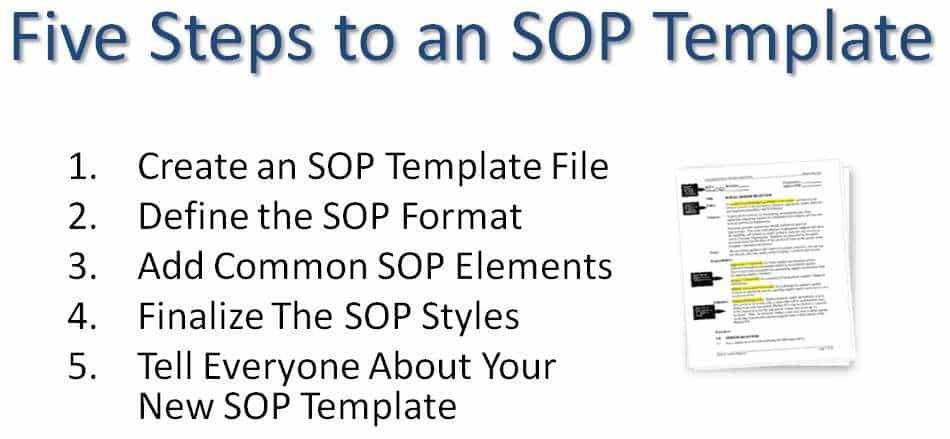
Define your SOP’s purpose and audience clearly. Outline step-by-step tasks using simple, precise language. Assign roles and format consistently. Review regularly and update as needed. Make the SOP accessible to all team members for smooth implementation and ongoing improvement.
An agency SOP is a clear, step-by-step guide that standardizes tasks and processes within an agency. It ensures consistency, efficiency, and smooth team collaboration.
Define the SOP’s purpose and audience. Outline clear, step-by-step instructions. Use simple, concise language. Assign roles and responsibilities. Review and update regularly to ensure accuracy and effectiveness.
The 5 parts of an SOP are: Title, Purpose, Scope, Procedure, and Responsibilities. These ensure clarity and consistency in tasks.
Creating clear SOPs helps your agency run smoothly every day. Write simple steps everyone can follow easily. Update your procedures as your agency grows and changes. Train your team well so they understand and use SOPs. Consistent SOPs save time and reduce mistakes in work.
Start small, keep improving, and watch your agency succeed.







Leave A Reply Now