



Are you tired of seeing your course refunds pile up? Wondering how to keep your students happy while reducing those costly returns?
You’re not alone. Every educator and course creator wants students who feel satisfied and engaged, not frustrated or disappointed. The good news is that with the right strategies, you can lower refund requests and boost student satisfaction at the same time.
You’ll discover practical, easy-to-apply tips that will help you create a better learning experience, keep students motivated, and protect your revenue. Ready to transform your courses and build a loyal student community? Let’s dive in.
Course refunds present a tough challenge for many online education providers. They affect income and disrupt planning. Understanding these challenges helps reduce refunds and improve student happiness.
Addressing refund causes early can save time and resources. It also builds trust between students and instructors. Clear insights into refund issues lead to better course design and support.
Students often request refunds due to unclear course content. Sometimes the course is too difficult or too easy. Technical problems with the platform also cause frustration.
Another reason is unmet expectations. Students expect certain skills or knowledge but do not find them. Poor communication or slow support can increase refund requests.
Refunds reduce income and affect budget planning. Institutions may need to cut costs or reduce course offerings. Instructors face lower motivation and increased stress from frequent refunds.
High refund rates hurt reputation and trust. They make it harder to attract new students. Tracking refund patterns helps institutions improve courses and prevent future losses.
Creating an effective refund policy helps reduce course refunds and boost student satisfaction. Clear rules build trust and set expectations. Students feel confident enrolling when they understand refund terms. A well-crafted policy protects both students and your course business.
Define exact periods for refund requests. For example, allow refunds within 7 or 14 days of purchase. This helps students decide quickly and reduces confusion. Clear deadlines prevent late refund claims that disrupt your planning. Communicate these time frames clearly on your course page and during checkout.
State specific conditions for refunds. Conditions may include unused course access or limited progress in lessons. Require proof of purchase to validate refund requests. This stops misuse and ensures fairness. Students must know what qualifies them for a refund before buying. Clear eligibility rules increase trust and lower refund disputes.
Offer multiple refund choices to suit different needs. Options like full refunds, partial refunds, or credit toward another course can help. Flexibility shows you value students’ experiences and problems. It can also save customers from leaving entirely. Tailoring refund options improves satisfaction and keeps students engaged with your brand.
Enhancing course value plays a key role in reducing refunds and boosting student satisfaction. Students feel more engaged and confident when courses offer clear benefits. Creating meaningful learning experiences helps keep students motivated and reduces dropout rates. Focus on improving what students receive from the course.
Design courses with clear goals and practical outcomes. Break content into small, easy sections. Use real-world examples to make learning relevant. Update materials regularly to stay current. Ensure lessons build on each other logically. This helps students understand and apply what they learn.
Ask students for feedback often. Use surveys or quick polls after lessons. Listen to their suggestions and concerns. Make changes based on their input. This shows students their opinions matter. It also helps fix problems before they cause dissatisfaction.
Use videos, quizzes, and interactive activities. These keep students interested and active. Tools like discussion boards encourage peer learning. Mobile-friendly platforms allow learning anytime, anywhere. Technology can make lessons clearer and more fun.
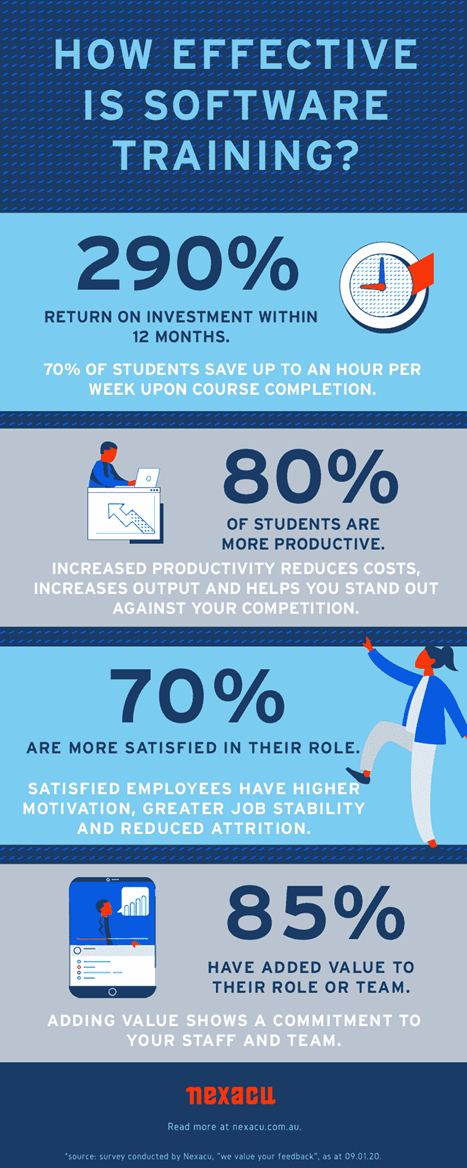
Credit: nexacu.com
Boosting student support plays a vital role in reducing course refunds and increasing satisfaction. Students feel more confident and motivated when they receive proper guidance and care. Support services create a positive learning environment where students thrive and stay enrolled. Here are key ways to enhance support for your students.
Academic advising helps students plan their courses and set clear goals. Advisors guide students through challenges and keep them on track. Tutoring offers extra help for difficult subjects. Personalized tutoring sessions improve understanding and boost confidence. Both services reduce frustration and lower dropout rates.
Mental health support is crucial for student success. Providing access to counseling and wellness programs helps students manage stress and anxiety. Wellness workshops teach coping skills and promote balance. These resources create a safe space for students to seek help without stigma. Healthy students perform better and are less likely to request refunds.
Creating inclusive classrooms welcomes all students regardless of background. Diversity in course materials and teaching styles respects different cultures and learning needs. This approach helps students feel valued and understood. Inclusive environments encourage participation and build community. Students who feel included stay motivated and committed to their courses.
Clear and open communication plays a crucial role in reducing course refunds and boosting student satisfaction. Students feel more confident and valued when instructors share information honestly and regularly. Good communication helps set the right expectations and supports students throughout their learning journey.
It also creates a friendly environment where students can ask questions and get help quickly. This reduces confusion and frustration, which often lead to refund requests. Focusing on communication strengthens trust between instructors and learners.
Start by clearly explaining what the course offers. Outline the topics, skills, and time commitment needed. Share any prerequisites and the level of difficulty. This helps students decide if the course fits their needs.
Be honest about what students will gain and what they should not expect. Avoid vague promises or overselling the course. Clear expectations reduce misunderstandings and improve satisfaction.
Keep students informed about their progress at regular intervals. Use emails, dashboards, or announcements to share updates. Highlight completed modules and upcoming lessons.
Provide feedback on assignments and quizzes quickly. This motivates students and shows that their efforts matter. Regular updates prevent students from feeling lost or unsupported.
Encourage questions and discussions in forums or live sessions. Respond promptly to student messages and comments. Show that you care about their learning experience.
Use interactive tools like polls, quizzes, and group activities to keep students involved. Active engagement builds a sense of community and belonging. Engaged students are less likely to request refunds.

Credit: www.udemy.com
Tracking satisfaction metrics helps you understand students’ experiences better. It shows what works and what does not in your courses. This knowledge helps reduce refunds and boost student happiness. Gathering and analyzing data is key to improving course quality continuously.
Surveys collect direct opinions from students. Keep questions clear and simple. Use rating scales and open-ended questions. Offer multiple channels like email, course platforms, or social media. Prompt students to share honest feedback after key course milestones. Quick surveys ensure higher response rates.
Track when and why students leave or request refunds. Identify common patterns or course sections with high dropout rates. Compare refund reasons to feedback from surveys. Use this data to spot weak areas in course content or delivery. Early detection helps fix problems before they grow.
Use feedback and data to plan regular course updates. Address common concerns and improve unclear materials. Train instructors on communication and engagement techniques. Test new features or resources in small groups first. Monitor changes to see if satisfaction rises and refunds drop.

Credit: www.watermarkinsights.com
Increase student satisfaction by engaging students actively, personalizing learning, providing timely support, incorporating feedback, and fostering an inclusive environment.
A typical refund policy sets a return time frame, requires original item condition, and proof of purchase. Refunds may be full, partial, or store credit. Some items or sales may be final, and holiday purchases often have extended return periods.
Students should assess academic impact, financial consequences, and personal goals before withdrawing. Consult advisors, review deadlines, and explore support options.
Enhance student experience by offering personalized support, updating curriculum, fostering inclusion, gathering feedback, and improving facilities. Encourage innovation and provide extra resources to boost engagement and satisfaction.
Reducing course refunds starts with clear communication and setting expectations. Offer strong support to help students succeed. Regularly ask for feedback and act on it quickly. Keep your courses engaging and updated to match learners’ needs. When students feel valued and supported, satisfaction grows.
This lowers refund requests naturally. Focus on building trust and delivering real value. Small changes can make a big difference over time. Consistent effort leads to happier students and a healthier course business.







Leave A Reply Now