


Are you ready to turn your knowledge into a steady stream of paying students? Building a course funnel that takes people from a free lead magnet to a paid course is one of the smartest moves you can make.
Imagine attracting your ideal audience with something valuable and easy to access, then guiding them step-by-step toward investing in your full course. You’ll discover exactly how to create this powerful path—without confusion or wasted effort. By the end, you’ll have a clear plan to grow your email list, build trust, and boost your course sales.
Let’s dive in and make your course funnel work for you!
Building a course funnel is a smart way to attract students and guide them to buy your paid course. It starts with offering something valuable for free. This free offer is called a lead magnet. It helps you collect contacts from people interested in your topic. Later, you nurture these contacts and offer your paid course. Understanding the basics of a course funnel helps you create a smooth path for your audience.
A course funnel is a step-by-step process that turns visitors into paying students. It usually begins with a free lead magnet. This lead magnet provides value and builds trust. After that, you offer your paid course as the next step. The goal is to guide people naturally from free content to a paid product.
This funnel creates a clear journey. It shows your audience how your paid course can help them more. A good course funnel saves time and increases sales by targeting the right people.
Every course funnel has important parts that work together. First, the free lead magnet. It can be a cheat sheet, mini-course, or ebook. This gives value and attracts your ideal audience.
Next is the landing page. This page explains the lead magnet and asks for an email address. It must be simple and focused on one goal: sign-ups.
After that comes the email sequence. This is a series of emails that build trust and show your expertise. It leads your audience toward buying your course.
Finally, the sales page sells your paid course. It highlights benefits and answers common questions. This page should make buying easy and clear.
These components create a smooth path from free to paid content. Each part supports the next to increase your success.
Credit: x.com
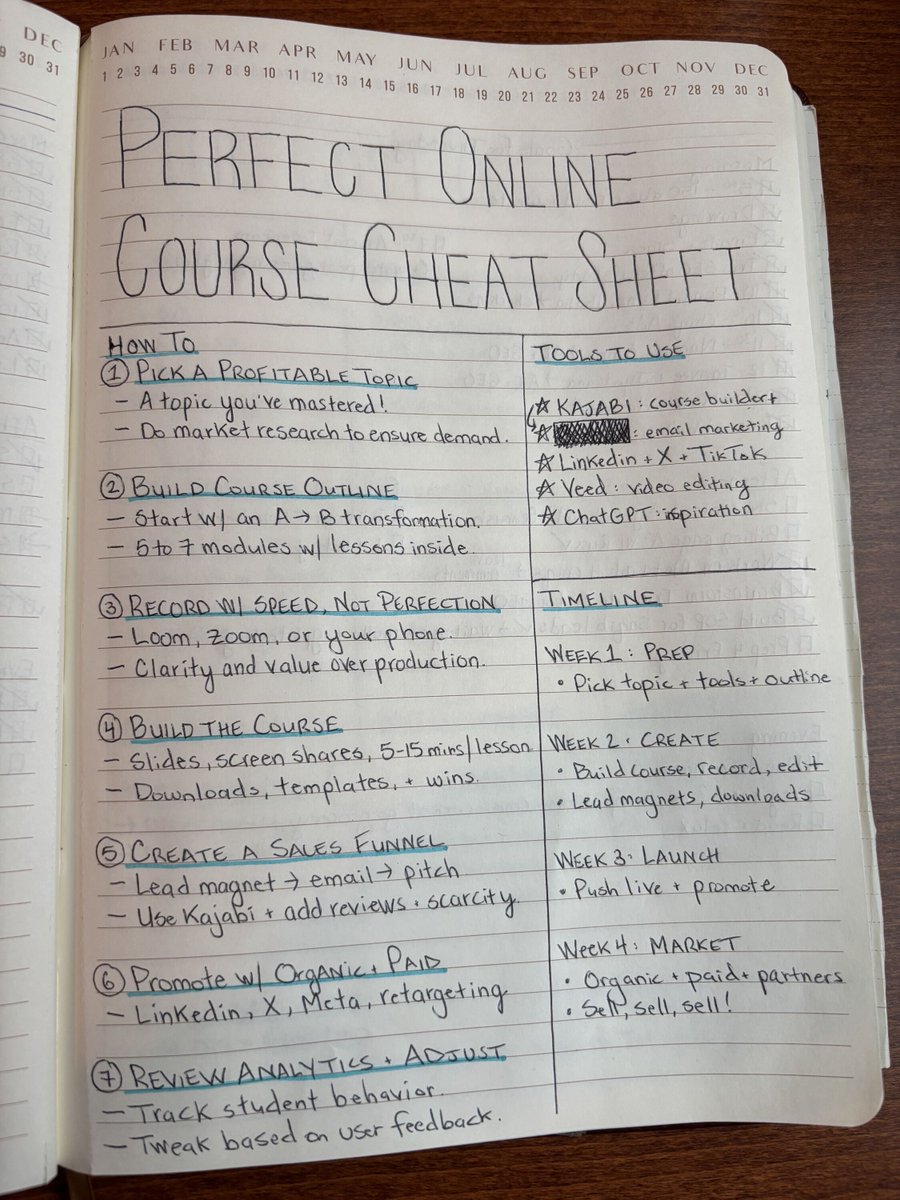
Creating a lead magnet is the first step in building a successful course funnel. It helps capture potential students’ attention and grows your email list. A well-made lead magnet offers real value and encourages people to trust you. This trust leads them toward buying your paid course later.
Focus on solving a specific problem your audience faces. The lead magnet should be easy to access and quick to consume. Keep it simple but useful. This way, your audience feels they gain something meaningful without much effort.
Pick a lead magnet that fits your target audience’s needs. Think about their biggest questions or challenges. The lead magnet should offer a clear solution or useful tip. Choose topics that relate directly to your paid course content. This connection makes the transition smoother for buyers.
Consider the level of knowledge your audience has. Use beginner-friendly ideas if your course is for starters. More advanced topics work if your audience already knows the basics. The right lead magnet attracts the right people.
Lead magnets come in many formats. Choose one that suits your skills and audience preferences. Popular formats include eBooks, checklists, cheat sheets, and mini-courses. Videos and webinars also work well for visual learners.
Short guides or templates are easy to create and share. They give quick results and keep users engaged. Choose formats that your audience can use immediately. This instant value increases their interest in your paid course.
Focus on clear, simple language. Avoid jargon or complicated terms. Make your content actionable with step-by-step advice. Use examples to help explain ideas better.
Keep the lead magnet focused on one main topic. This focus makes it easier to deliver value quickly. Provide tips or tools that your audience can apply right away. Valuable content builds trust and encourages future purchases.
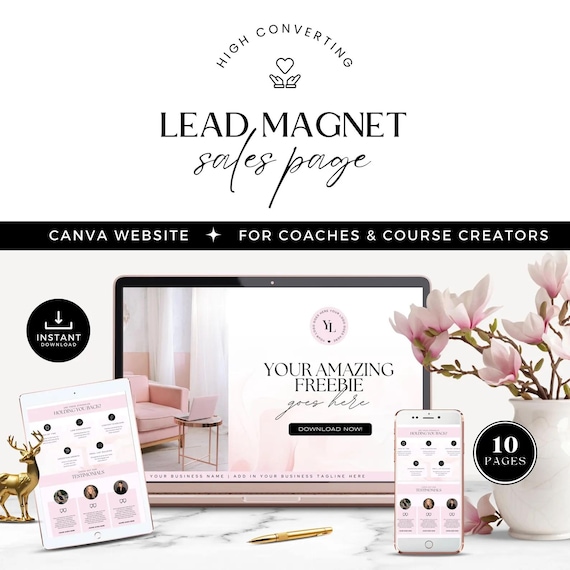
Building your landing page is a key step in creating a successful course funnel. This page acts as the first impression for your visitors. It should clearly explain the value of your free lead magnet and guide users toward signing up. A well-crafted landing page can turn casual visitors into engaged leads, setting the stage for your paid course offer.
Keep your landing page simple and focused. Use clear headlines and concise text to explain what visitors will get. Remove distractions like extra links or complicated navigation. Your goal is to capture emails and build trust.
Credit: www.etsy.com
Setting up a strong email sequence is key to turning free leads into paying students. Your emails guide new subscribers through your course funnel. This builds trust and interest in your paid course. A clear plan helps keep subscribers engaged and ready to buy.
Start with a warm welcome email. Thank subscribers for signing up for your lead magnet. Introduce yourself and explain what they can expect next. Keep the tone friendly and personal. Deliver the free resource immediately to build instant value.
Use a clear call to action, like asking them to reply or follow you on social media. This boosts early engagement. Send this email right after sign-up for best results.
Follow the welcome email with useful content that relates to your course. Share tips, stories, or case studies that solve small problems. This shows your expertise and keeps your audience interested.
Space these emails out over several days. Each message should add value and lead naturally to your paid course offer. Avoid pushing the sale too soon. Build a connection first.
Group your subscribers based on their interests or actions. Send different emails to these groups to make your messages more relevant. For example, send beginner tips to new learners and advanced tips to experienced users.
Use their first name and mention their preferences. Personal touches increase open rates and trust. Segmentation helps you promote your paid course more effectively by matching content to needs.
Transitioning from a free lead magnet to a paid course requires clear steps. This phase focuses on guiding your audience smoothly towards making a purchase. You want to build trust and show value before asking for money. The goal is to make the paid course feel like a natural next step in their learning journey.
Craft an offer that solves a real problem for your audience. Highlight benefits, not just features. Use simple language to explain what learners will gain. Add bonuses that increase the course’s value. Make the price seem fair and justified by the results.
Design order pages that are easy to navigate and clear. Show the course details, price, and payment options upfront. Add an upsell page after the order page to offer extra value. Keep the upsell related to the course for better conversion. Use concise and persuasive copy to guide buyers smoothly.
Introduce scarcity by limiting seats or time for enrollment. Use countdown timers to show how long the offer lasts. Scarcity pushes people to act fast instead of delaying. Urgency signals that the chance to buy won’t last forever. Balance urgency with honesty to maintain trust with your audience.

Credit: www.scoreapp.com
Driving traffic to your course funnel is essential for success. Without visitors, your lead magnet and paid course cannot reach their full potential. Focus on methods that bring people interested in your topic. Use strategies that fit your budget and skills. Traffic drives signups and sales, so plan carefully.
Start by creating helpful content related to your course. Blog posts, videos, and podcasts attract visitors naturally. Use keywords your audience searches for to rank higher in search engines. Guest posting on popular websites can also bring targeted traffic. Build an email list from your lead magnet to keep in touch. These efforts build trust and long-term interest.
Paid ads give fast results by targeting specific audiences. Platforms like Google Ads and Facebook Ads let you reach people based on their interests and behavior. Set a clear budget and test different ads to find what works best. Use compelling images and strong calls to action to increase clicks. Track your ad performance and adjust to improve results. Paid traffic can scale your funnel quickly.
Social media platforms offer a great way to connect with your audience. Share valuable content related to your course topic regularly. Engage with followers by answering questions and joining discussions. Use live videos and stories to show your expertise and personality. Join groups and communities where your potential customers gather. Social media helps build relationships and drives steady traffic to your funnel.
Optimizing funnel performance is essential to increase sales and grow your audience. It helps identify what works and what needs change. Small improvements in your funnel can boost course sign-ups and revenue. Focus on key actions and data to guide your decisions.
Track important numbers like conversion rates, email open rates, and click-through rates. Monitor how many people download your lead magnet and enroll in your paid course. Use tools like Google Analytics or your email platform’s reports. Data shows which steps perform well and where visitors drop off.
Test different versions of your landing pages, emails, and sales pages. Change headlines, images, button colors, or call-to-action text. Run tests with a small part of your audience to see which version gets better results. A/B testing helps find the best elements that attract and convert customers.
Use clear and simple language in your content. Highlight the benefits of your free lead magnet and paid course. Add testimonials or success stories to build trust. Make your call-to-action buttons easy to find and click. Remove distractions and keep your funnel steps focused on the goal.
Building a course funnel needs the right tools and platforms. These tools help you create smooth steps from your free lead magnet to your paid course. Choosing good tools makes your funnel easy to manage and effective. Let’s explore key tools for building your funnel.
Funnel builders create the path your visitors follow. They help design landing pages, sign-up forms, and sales pages. Popular funnel builders offer drag-and-drop editors for easy use. They connect your lead magnet to your paid course smoothly. Examples include ClickFunnels, Leadpages, and Systeme.io. These tools save time and keep your funnel organized.
Email marketing software manages your contacts and sends emails automatically. It helps nurture leads from free content to paid offers. You can create email sequences to build trust and share value. Tools like Mailchimp, ConvertKit, and ActiveCampaign are popular choices. They track opens and clicks, helping improve your email strategy.
Course hosting platforms store and deliver your paid course content. They offer features like video hosting, quizzes, and progress tracking. These platforms provide a secure space for your students. Examples include Teachable, Thinkific, and Kajabi. Good hosting solutions make learning easy and enjoyable for your audience.
A course funnel guides prospects from a free lead magnet to a paid course. It builds trust, nurtures leads, and boosts course sales effectively.
Offer valuable, relevant content that solves a specific problem for your audience. Make it easy to consume and directly related to your paid course.
Create a lead magnet, design a landing page, set up email sequences, and offer your paid course. Optimize each step for conversions.
Email sequences nurture leads, provide value, and build relationships. They guide prospects smoothly from free content to purchasing your course.
Building a course funnel starts with offering real value for free. A strong lead magnet attracts the right audience to your paid course. Keep your funnel simple and clear to guide users smoothly. Test each step to improve results and increase sales.
Consistency matters—keep engaging your leads with useful content. Follow these steps to create a funnel that works well for your course business.






Leave A Reply Now