


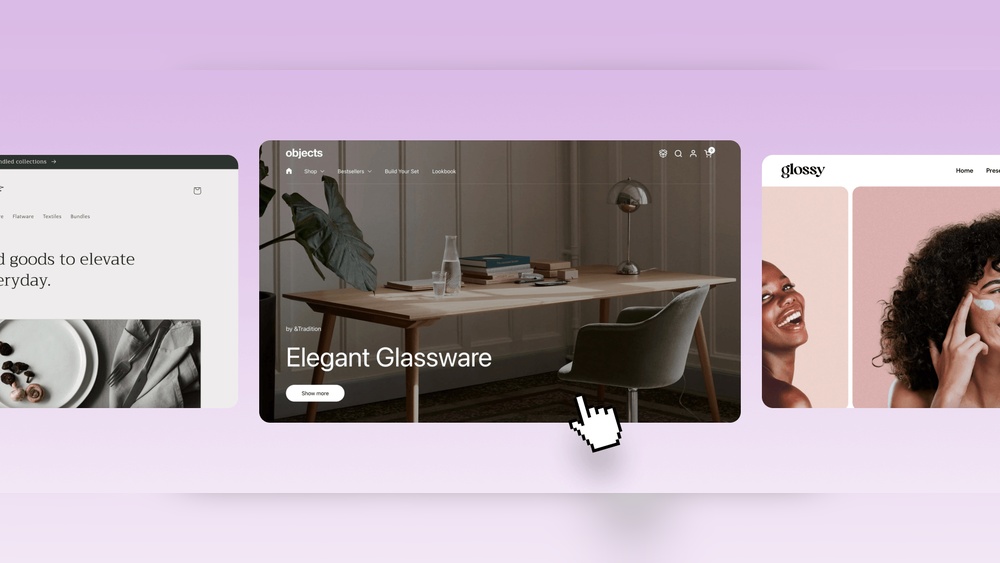
When it comes to your corporate website, first impressions matter more than you might think. A well-designed site doesn’t just look good—it builds trust, keeps visitors engaged, and guides them toward taking action.
But how do you create a website that truly stands out in today’s crowded online space? By learning from real examples of corporate websites that get it right. You’ll discover powerful designs that combine style with smart functionality. These examples will inspire you to elevate your own site and connect better with your audience.
Ready to see what makes a corporate website truly effective? Keep reading, and let these standout designs show you the way.
Top corporate websites set the standard for design and usability. They combine clear visuals, easy navigation, and strong branding. These sites show how to engage visitors and communicate a company’s message effectively.
Each example below highlights unique features that make their websites stand out. They serve as inspiration for businesses aiming to improve their online presence.
Apple’s website is clean and simple. It uses large images and minimal text. The focus is on the products with clear calls to action. Navigation is smooth, guiding users to learn more or buy quickly. The consistent design matches Apple’s brand perfectly.
Calendly’s website uses bright colors and clear headings. It explains the product’s benefits in easy steps. Interactive elements help users understand how to schedule meetings. The site is fast and mobile-friendly, making it easy for visitors to sign up.
EQT Ventures showcases its portfolio with a clean layout and bold typography. The site highlights success stories and team members. It uses white space well to keep content organized. The design feels modern and professional, reflecting its venture capital focus.
Blavity’s website uses strong visuals and vibrant colors. It focuses on community and culture. The homepage features news and stories that connect with its audience. Easy navigation and clear categories help users find content fast. The design feels fresh and engaging.
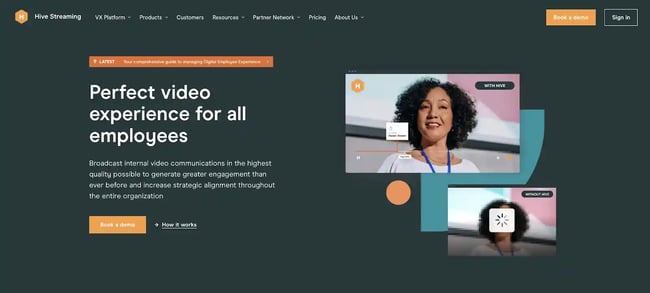
Credit: blog.hubspot.com
Award-winning corporate website designs set high standards in creativity and functionality. These sites blend visual appeal with user-friendly features. They inspire businesses to enhance their online presence. Exploring these examples reveals trends and innovative ideas in web design. Below are some top platforms that showcase these exceptional works.
Awwwards honors websites with outstanding design and usability. Winners demonstrate creativity, originality, and technical excellence. Their sites often feature bold layouts and smooth navigation. Corporate websites here show how brands use design to tell their story. These examples combine aesthetics and performance effectively.
CSS Design Awards highlights websites with cutting-edge CSS and user experience. Winning corporate sites use clean code and responsive design. They focus on clear messaging and fast loading times. These websites balance style with practical features. They serve as models for modern corporate web design.
DesignRush features top agency websites and client projects. Awarded corporate sites here stand out for innovation and brand consistency. They often include interactive elements and strong visual hierarchy. These designs prioritize customer engagement and conversion. They offer useful insights for business website creators.
Creative agencies often set the standard for corporate website design. Their sites blend aesthetics with clear messaging. These examples show how creativity meets functionality. They inspire others to craft engaging online experiences.
Leeroy Creative uses bold colors and simple navigation. The homepage features dynamic visuals that catch attention quickly. They focus on storytelling with strong images and short text. The site loads fast, ensuring a smooth user experience. Their design balances creativity with professionalism well.
Webstacks Projects highlights case studies with clean layouts. Each project is presented with clear headings and visuals. The site uses whitespace effectively, making content easy to read. Visitors can explore work examples without distraction. This design approach builds trust and shows expertise.
Adobe’s business sites offer a polished and consistent look. They use simple menus and clear calls to action. The design adapts well to all screen sizes and devices. Adobe’s sites combine bold typography with strong branding. They create an authoritative yet approachable online presence.
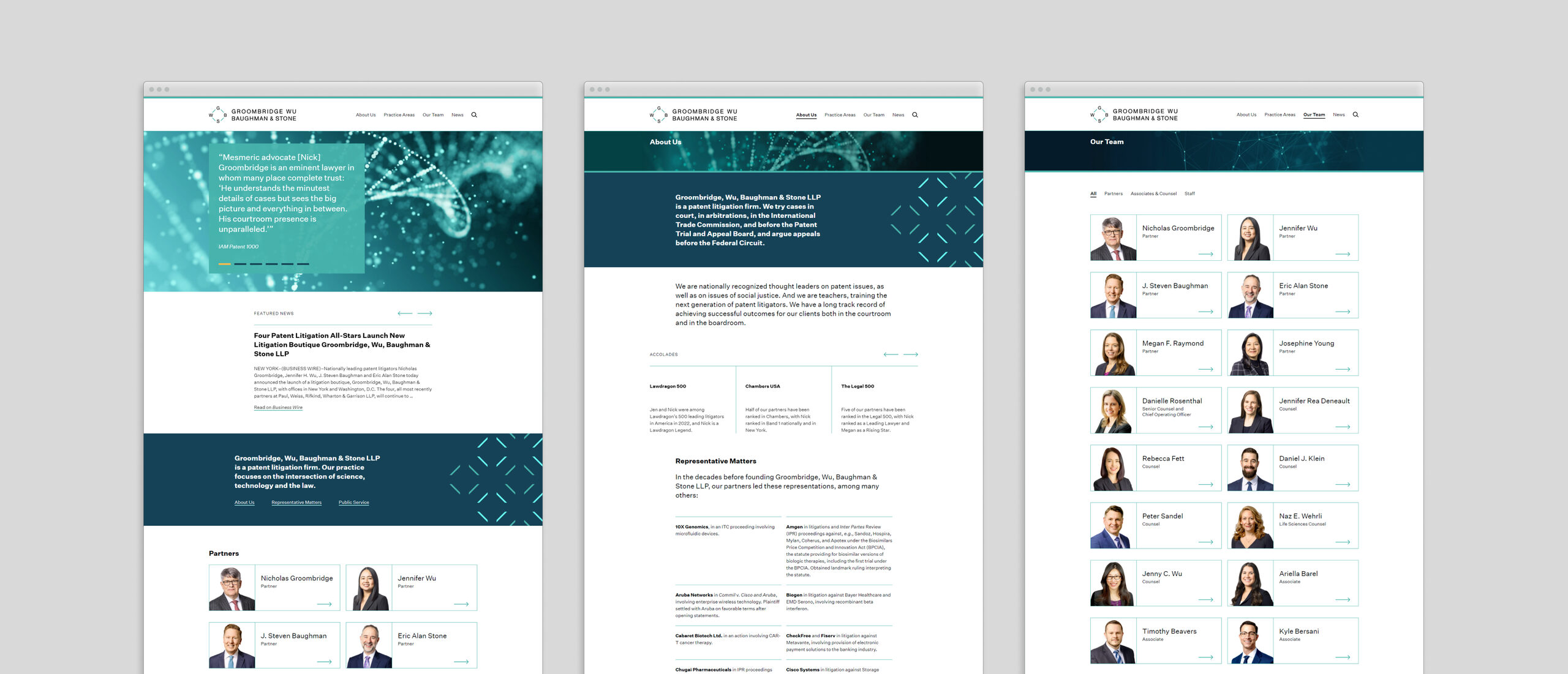
Credit: www.ideasonpurpose.com
Corporate websites must combine style and function. Key design features ensure websites attract and keep visitors. These features create a strong first impression and guide users smoothly. A well-designed site improves trust and user satisfaction. Explore important design elements that top corporate websites use.
Strong visuals catch attention immediately. Clean layouts with balanced colors make content easy to read. High-quality images and graphics enhance professionalism. Consistent branding builds recognition and trust. Minimalist design avoids clutter and focuses user attention.
Easy-to-use sites keep visitors engaged longer. Fast loading speeds prevent frustration and drop-offs. Clear calls to action guide users to next steps. Accessibility features ensure everyone can use the site. Simple forms and interactive elements boost user interaction.
Many users browse on phones and tablets. Responsive design adjusts layouts to fit any screen size. Buttons and links are easy to tap on small devices. Mobile-friendly sites rank higher in search engines. Fast mobile loading speeds improve user retention.
Simple menus help visitors find information quickly. Logical structure groups related pages together. Visible search bars allow users to locate content fast. Breadcrumbs show users their location within the site. Consistent navigation keeps users from feeling lost.
Finding inspiration is key to creating well-designed corporate websites. Many designers turn to curated collections of top-quality web designs. These platforms showcase real examples from various industries. They help spark ideas and reveal current design trends. Here are some popular sources that offer a wealth of creative website examples.
Land-book is a popular gallery of the best website designs. It features sleek corporate websites with clean layouts. The platform updates frequently with fresh and modern styles. Users can filter designs by category or style. This makes it easy to find corporate websites that match specific needs. The site’s simple interface encourages quick browsing and idea gathering.
Behance is a creative platform where designers share their projects. It includes many corporate website designs with detailed case studies. Designers often explain their process and tools used. This insight helps others understand design choices. The site’s community feedback improves ideas through comments and likes. Behance is a rich source for unique and professional website concepts.
Pinterest hosts countless web design boards created by users worldwide. It offers a visual way to collect and organize design ideas. Many corporate website designs appear here with different styles and themes. Pinterest’s search feature quickly brings up targeted examples. Saving pins allows users to revisit and compare ideas later. It is ideal for visual learners who want inspiration in one place.
Siteinspire focuses on showcasing well-crafted websites from various sectors. It highlights corporate websites with strong design principles. The platform categorizes sites by style, subject, and platform. This organization helps users explore specific design elements or industries. Siteinspire’s clean presentation makes it easy to analyze layouts and visuals. It serves as a valuable tool for designers seeking quality corporate website examples.

Credit: digitalleadership.com
Corporate web design evolves quickly to meet user needs and business goals. Websites that impress visitors use clear layouts, easy navigation, and engaging visuals. Trends shape these elements, helping brands stand out and communicate better.
Here are some key trends seen in well-designed corporate websites today. These trends improve user experience and keep visitors interested.
Minimalism uses clean spaces and simple design elements. It removes clutter and highlights key information. Many corporate sites use white space to guide visitors’ eyes. This makes content easier to read and understand. Minimalism also speeds up loading times, improving overall site performance.
Interactive elements engage visitors actively. Buttons, sliders, and animations invite users to explore. These features create a dynamic experience that holds attention. Well-designed sites use interactions to explain products or services clearly. Interaction also builds trust by making the website feel more personal.
Bold typography grabs attention instantly. Large, clear fonts highlight important messages. This trend helps brands express their voice strongly. Corporate websites use bold fonts for headlines and calls to action. It improves readability on all devices, especially mobiles.
Dynamic content changes based on user behavior or time. It keeps the website fresh and relevant. Examples include personalized greetings, live feeds, or updated news sections. This trend makes sites feel alive and connected to visitors’ needs. Dynamic content encourages repeat visits and longer browsing.
Leading corporate websites offer valuable lessons for businesses aiming to improve their online presence. These sites combine design, content, and user experience to create memorable and effective platforms. Examining their strategies reveals key elements that contribute to their success. Understanding these elements helps companies build websites that truly connect with their audience.
Top websites maintain consistent branding across all pages. This includes colors, fonts, and logos that match the company’s identity. Consistency builds trust and makes the brand easy to recognize. Visitors quickly understand the company’s message without confusion. Strong brand consistency supports a professional and reliable image.
Successful corporate sites tell clear, compelling stories about their products or services. They use simple language and visuals to explain their mission and values. Storytelling creates emotional connections that keep visitors interested. Well-crafted stories show the company’s strengths and unique qualities. This approach helps users remember the brand and encourages loyalty.
Leading websites use clear and direct call to actions (CTAs). These buttons or links guide visitors toward desired actions like signing up, contacting, or buying. CTAs stand out with contrasting colors and simple text. Effective CTAs reduce confusion and boost user engagement. They help convert visitors into customers or leads efficiently.
A well-designed corporate website combines clean visuals, easy navigation, and fast loading. It reflects brand identity clearly and enhances user experience, boosting credibility and engagement.
Real examples show practical applications of design principles. They inspire creativity and help businesses understand effective layouts, functionalities, and trends to improve their own websites.
Corporate websites improve engagement through intuitive design, clear calls-to-action, responsive layouts, and relevant content. These elements encourage visitors to interact and explore the brand further.
Technology, finance, legal, and creative agencies often lead in corporate website design. They focus on professionalism, innovation, and user-centric features that set standards for others to follow.
Well-designed corporate websites combine clear layouts with user-friendly features. They build trust and make information easy to find. Good design supports business goals and keeps visitors engaged. These examples show how simplicity and style work together. Use them as inspiration to improve your own site.
A strong website creates a positive first impression every time. Keep design focused on the user for best results.







Leave A Reply Now