



If you’re thinking about building a website or starting a blog, you’ve probably heard the name WordPress. But what exactly is WordPress?
And why are there two versions—WordPress. com and WordPress. org? Understanding the difference between these two can save you time, money, and a lot of frustration. Whether you want full control over your site or prefer a simple, hassle-free setup, knowing which WordPress platform fits your needs is crucial.
You’ll discover what WordPress really is and how WordPress. com and WordPress. org differ, helping you make the best choice for your online presence. Keep reading—you’re about to unlock the secret to mastering your website journey!
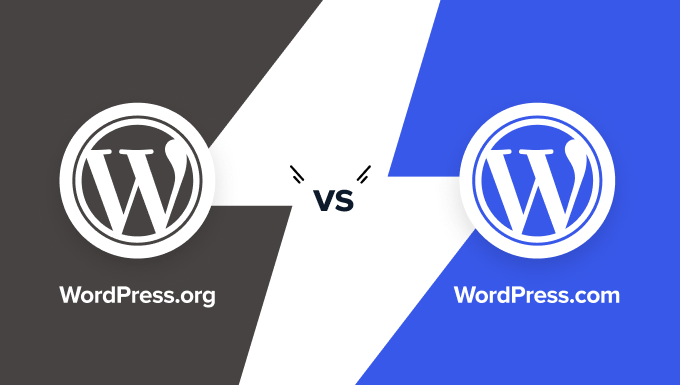
Credit: www.wpbeginner.com
Understanding WordPress basics is essential for anyone starting a website. WordPress is a popular platform that powers millions of websites worldwide. It helps users create, manage, and publish content easily. Its flexibility suits blogs, business sites, portfolios, and online stores.
Knowing the difference between WordPress.com and WordPress.org is key. Both share the WordPress name but serve different purposes. This section explains what WordPress does and who uses it.
WordPress is a content management system (CMS). It allows users to build websites without coding skills. You can add pages, posts, images, and videos. Themes control the site’s look, while plugins add extra features. These include contact forms, SEO tools, and social media sharing.
WordPress supports both simple blogs and complex e-commerce sites. It offers control over layout, design, and functionality. Users can update content anytime through an easy dashboard. This makes website management faster and more efficient.
WordPress serves bloggers, businesses, and developers alike. Beginners find it friendly due to its simple interface. Small businesses use WordPress for cost-effective websites. Large companies choose it for scalability and flexibility.
Freelancers and agencies build client sites with WordPress. Nonprofits and educators also benefit from its ease of use. This platform supports diverse needs, from personal blogs to high-traffic portals.
WordPress.org offers powerful features for building websites. It provides full control over your site’s design and functionality. Users can customize every aspect to fit their needs. This platform is ideal for those who want flexibility and ownership of their content.
WordPress.org requires separate web hosting. You must choose a hosting provider and buy a hosting plan. The hosting server stores your site files and makes your site visible online. Common hosts include Bluehost, SiteGround, and HostGator. Hosting costs vary based on storage and traffic limits.
With WordPress.org, you control everything. You can install any plugin or theme without restrictions. This means adding new features or changing the site design is easy. Code editing is possible for advanced customization. This freedom helps create unique websites tailored to your goals.
The WordPress.org software is free to use. Costs come from hosting and domain registration. Domains typically cost around $10 to $15 per year. Hosting plans start at a few dollars per month. Additional expenses may include premium themes and paid plugins.
You are responsible for site updates and security. This includes updating WordPress software, themes, and plugins. Regular backups are important to prevent data loss. You must also handle malware protection and site performance. This requires some technical knowledge or hiring help.
WordPress.com offers a simple way to create and manage websites. It provides a ready-made platform where hosting and technical tasks are handled for users. This makes it a popular choice for beginners and those who want to avoid complex setup. Below are some key features of WordPress.com that help users build their online presence easily.
WordPress.com includes hosting in all its plans. Users do not need to find or pay for separate web hosting. The platform offers a free plan with basic features and several paid plans. These paid plans provide more storage space, bandwidth, and additional tools. Hosting is reliable and secure, managed by the WordPress.com team.
Customization on WordPress.com depends on the plan chosen. The free plan offers limited themes and design options. Paid plans unlock access to premium themes and more design tools. Users can customize site colors, fonts, and layouts. Some advanced features like plugins are available only on higher-tier plans.
WordPress.com provides multiple pricing tiers to suit different needs. The free tier is ideal for simple blogs or small websites. Personal and Premium plans add features like custom domains and more design control. Business and eCommerce plans include advanced tools for marketing and online stores. Each tier offers a balance of price and features.
WordPress.com manages all platform maintenance tasks. This includes security updates, backups, and software upgrades. Users do not need to worry about technical issues or site downtime. The platform ensures the website runs smoothly and stays secure. This hands-off approach suits users who prefer ease over technical control.

Credit: wordpress.com
Choosing the right hosting option is key when working with WordPress. It affects your site’s performance, security, and control. WordPress.com and WordPress.org offer different hosting models. Understanding these can help you pick the best fit for your needs.
This section compares self-hosted and fully hosted options to clarify their differences.
Self-hosted WordPress means you buy hosting from a provider. You install WordPress software on your server. This method gives you full control over your website.
Fully hosted WordPress, like WordPress.com, handles hosting for you. You do not worry about server setup or maintenance. The platform manages everything in one place.
Self-hosted WordPress allows complete freedom. You can use any plugin or theme you want. You control your data and site settings.
But you must manage updates, backups, and security. Hosting costs can vary depending on your provider.
Fully hosted WordPress is easy to start. It includes security, backups, and updates. This option suits beginners or those with little technical skill.
It has limits on customization unless you pay for higher plans. You may not fully control your site or data.
Control and customization are key factors that set WordPress.com and WordPress.org apart. They affect how you build and manage your website. Understanding these differences helps you choose the right platform for your needs.
WordPress.org gives full freedom to install any plugin or theme. This lets you add unique features and designs. You can find thousands of free and premium options online. Custom code can also be added for advanced changes.
WordPress.com restricts plugin and theme use, especially on free plans. Only approved themes and limited plugins are available. Paid plans unlock more themes and some plugin options. This limits deep customization but simplifies site management.
The free WordPress.com plan has several limits. You cannot upload custom plugins or themes. Storage space is capped, and your site shows WordPress.com ads. Monetization options are also restricted.
WordPress.org has no built-in limits. Your control depends on your hosting service. You can customize everything and run your site without ads. Costs come from hosting and domain fees, not platform restrictions.
Understanding the cost differences between WordPress.com and WordPress.org helps in choosing the right platform. Each offers distinct pricing structures that suit different needs. Knowing these costs upfront prevents surprises later.
WordPress.com offers a free plan with basic features and WordPress branding. This plan suits beginners or casual bloggers. Paid plans start at a few dollars per month. These unlock more features like custom domains and extra storage.
WordPress.org software is free to download and use. The cost comes from buying web hosting and a domain name. Hosting prices vary depending on the provider and plan. Some hosts offer plans starting as low as a few dollars monthly.
WordPress.com users may pay extra for premium themes, advanced design tools, or eCommerce features. The platform handles security and updates, which is included in the price.
With WordPress.org, you pay for security plugins, premium themes, and sometimes developer help. You handle all maintenance and updates yourself or hire someone. These extra costs can add up but give full control over your site.
Maintenance and security are crucial aspects of running a WordPress website. They protect your site from threats and keep it running smoothly. Both WordPress.com and WordPress.org handle these tasks differently. Understanding who is responsible helps you keep your site safe and updated.
With WordPress.org, you handle all maintenance and security tasks. You must update WordPress software, plugins, and themes regularly. Backups and protection against hackers are your duty. This gives you full control but requires technical effort. You can choose security plugins and backup tools to protect your site. Staying vigilant about updates prevents vulnerabilities and keeps your site fast.
WordPress.com manages security and maintenance for you. The platform updates software and plugins automatically. It also provides built-in backups and protection against attacks. This hands-off approach saves time and reduces technical work. Paid plans offer advanced security features and faster support. WordPress.com is ideal for those who want a worry-free experience without managing updates or security details.
Choosing between WordPress.com and WordPress.org depends on your needs and skills. Both have strong points but serve different users. Understanding who should pick which platform helps you start your website right. Let’s see which one fits your goals.
WordPress.com suits beginners well. It offers a simple setup with no need to buy hosting. The platform manages security and updates, so you focus on content. It has free and paid plans, with easy tools to design your site. Ideal for bloggers and small projects that want less hassle.
WordPress.org is perfect for advanced users. It requires buying hosting and managing your site. This gives full control over themes, plugins, and code. You can customize everything and add special features. Great for businesses, developers, and those needing more power and freedom.

Credit: wordpress.com
No, WordPress. com and WordPress. org are different. WordPress. org offers self-hosted sites with full control. WordPress. com provides hosted sites with limited customization and maintenance handled for you.
Yes, WordPress has two types: WordPress. org (self-hosted, full control) and WordPress. com (hosted, limited features).
WordPress has two versions: WordPress. org, a self-hosted platform with full control, and WordPress. com, a hosted service with maintenance handled for you. WordPress. org offers customization freedom, while WordPress. com provides ease for beginners with limited features on free plans.
WordPress. com Business Plan offers hosted services with support and limited customization. WordPress. org requires self-hosting, full control, and custom plugin installation. The Business Plan suits users wanting easier management, while WordPress. org fits those needing complete flexibility and ownership.
WordPress. com and WordPress. org serve different needs and users. WordPress. org offers full control and flexibility but requires managing hosting and maintenance. WordPress. com provides a simpler setup with hosting included but limits customization on free plans. Choose based on your skills, budget, and website goals.
Understanding these differences helps you pick the right platform. Both can build great websites if matched to your needs. Explore each option carefully before starting your site journey.




Leave A Reply Now