


If you want your service to stand out, you need to describe it clearly. When your potential customers visit your service page, they want to instantly understand what you offer and how it benefits them.
Confusing or vague descriptions push them away. But how do you create a service page that speaks directly to your audience and answers their questions without overwhelming them? This blueprint will guide you step-by-step on how to present your service with clarity, making it easy for visitors to grasp your value and take action.
Keep reading to discover simple yet powerful techniques that transform your service page into a conversion magnet.
Credit: www.interaction-design.org
Crafting clear service descriptions is essential for any effective service page. Clear descriptions help visitors understand what you offer quickly and easily. They reduce confusion and build trust. Your words must explain your service in a straightforward way. Avoid jargon or complex terms that might confuse readers.
Each service description should focus on what matters most to the customer. Highlighting benefits and addressing customer needs creates a strong connection. Clear descriptions guide visitors to see how your service solves their problems or improves their lives.
Use everyday words that your audience knows well. Simple language makes your message easy to read and remember. Avoid technical terms unless you explain them clearly. Short sentences help keep ideas clear. Write as if you are talking to a friend. This approach makes your service page feel friendly and approachable.
Focus on the main advantages your service offers. Tell visitors how your service improves their situation. Benefits show why someone should choose you over others. Use clear examples that paint a vivid picture. Benefits should answer the question, “What’s in it for me?” This helps customers see real value in your service.
Understand what your customers want and need most. Tailor your descriptions to address those needs directly. Show empathy by acknowledging their challenges or goals. This builds trust and makes your service more relevant. When customers feel understood, they are more likely to engage and buy.
Structuring your service page helps visitors understand your offering quickly. A clear layout guides readers through your services step-by-step. It reduces confusion and increases trust. Well-organized pages also improve search engine rankings. Use simple sections and headings to break down information. This makes your page easier to scan and read. A neat structure highlights your service benefits clearly.
Headings act like signposts for your visitors. Use short, descriptive titles that explain each section. This helps users find what they want faster. Avoid jargon or complex words in headings. Each section should focus on one main idea. Clear headings improve page flow and reader experience. Search engines also use headings to understand page content.
Visuals support your text and keep readers interested. Use images, icons, or diagrams related to your service. Visual elements break up long blocks of text. They make your page more attractive and easier to digest. Charts or infographics can explain complex details simply. Make sure visuals load quickly and fit the page style.
Arrange information in a natural, easy-to-follow order. Start with an overview of your service. Then explain features, benefits, and how it works. Include pricing or packages toward the end. Use bullet points or numbered lists for key details. Logical order helps visitors understand your service fully. It also encourages them to take action.
Explaining service features clearly helps customers understand what you offer. This section breaks down your service details in simple terms. Clear descriptions build trust and reduce confusion. Use easy words and short sentences to keep readers engaged. Highlight what makes your service special and what customers should expect.
List all main parts of your service. Mention any tools, support, or materials provided. Explain how each part helps the customer. Use bullet points for easy reading. Avoid vague terms like “many benefits.” Be precise and clear.
State what your service does not cover. Set realistic expectations to avoid misunderstandings. Mention any extra costs or conditions. Honesty about limits shows professionalism. This helps customers decide if your service fits their needs.
Point out what makes your service different. Focus on special features or benefits competitors lack. Explain why these points matter to customers. Use simple examples to illustrate. Highlighting uniqueness helps customers choose your service over others.
Credit: fullclarity.co.uk
Building trust and credibility is essential for any service page. It helps visitors feel confident about choosing your service. Clear proof of your expertise reassures potential customers. Showing real experiences and achievements makes your offer more believable. This section covers key ways to build trust effectively.
Testimonials and reviews give your service a human touch. They show honest feedback from past clients. Positive words build confidence and reduce doubts. Display them clearly on your page. Use real names and photos when possible. This adds authenticity and makes the praise more convincing.
Certifications and awards prove your skills and professionalism. They highlight your commitment to quality and standards. Show official badges or certificates prominently. This instantly increases your credibility. Visitors see you as a trusted expert in your field. Keep the information up-to-date and relevant.
Case studies detail how you solved real problems for clients. They provide clear examples of your service in action. Success stories highlight measurable results and satisfied customers. Use simple language to explain the challenges and solutions. This approach helps visitors understand what to expect. It also shows your ability to deliver results.
Optimizing your service page for search engines helps more people find your offerings online. Clear descriptions alone do not guarantee visibility. Search engines look for specific signals to rank pages higher. These signals include keyword relevance, meta information, and website performance. Paying attention to these factors improves your service page’s reach and impact. Below are key strategies to optimize your service page effectively.
Keywords connect your service page with search queries. Choose words that your audience uses to find services like yours. Place these keywords in titles, headings, and throughout the content. Use them naturally to keep the text readable and engaging. Avoid stuffing keywords, which can harm your ranking and user experience. Focus on a few important keywords that fit your service description well.
Meta descriptions appear under your page title in search results. They give a brief summary of your service. Write clear and concise descriptions that invite users to click. Include your main keyword to show relevance. Keep the length between 150 and 160 characters to ensure the whole text is visible. A strong meta description improves your page’s click-through rate.
Fast-loading pages rank better and keep visitors satisfied. Compress images and use modern file formats to reduce load time. Minimize the use of heavy scripts and plugins that slow the page. Choose a reliable hosting service with good speed performance. Test your page speed regularly and fix issues promptly. A quick page encourages users to stay and explore your services.
Credit: miro.com
Enhancing user experience is key to making your service page clear and effective. A well-designed page keeps visitors engaged and helps them find what they need quickly. Improving usability also builds trust and encourages potential customers to take action.
Focus on features that make the page easy to navigate and accessible across all devices. Clear directions and simple contact options reduce confusion. These small details create a smooth experience that visitors appreciate.
Many users access service pages on their phones. A mobile-responsive design adjusts to different screen sizes. This ensures text is readable and buttons are easy to tap. Fast loading times also matter to keep users from leaving. A mobile-friendly page makes your service accessible anytime, anywhere.
Calls to action (CTAs) guide visitors on what to do next. Use simple phrases like “Contact Us” or “Get a Quote.” Place CTAs where they stand out but do not overwhelm the page. Clear CTAs help users take the next step with confidence. This clarity boosts engagement and conversions.
Make it simple for visitors to reach you. Include multiple contact methods such as phone numbers, email, and contact forms. Place contact details in visible spots on the page. Quick access to support builds trust and encourages inquiries. Easy contact options improve overall user satisfaction.
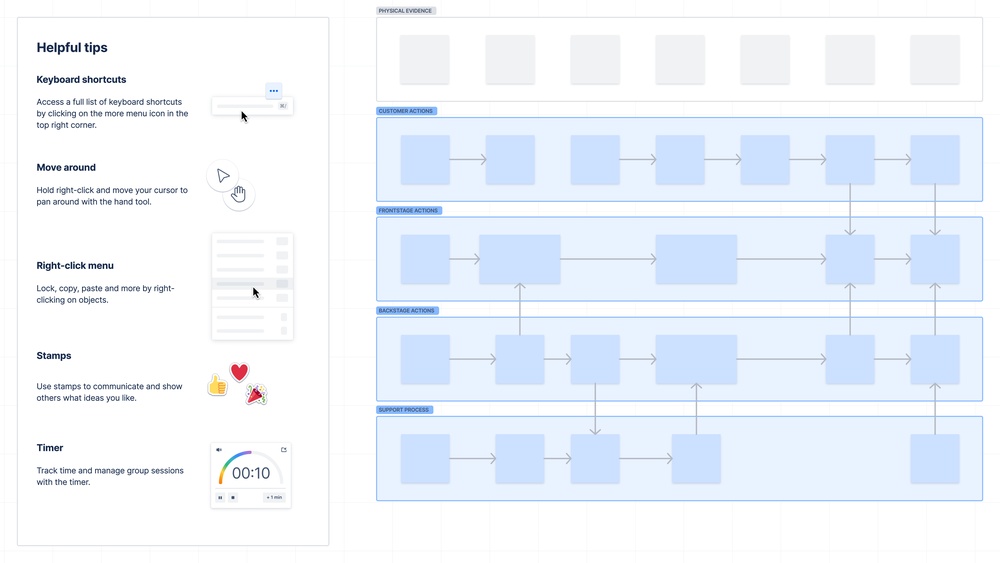
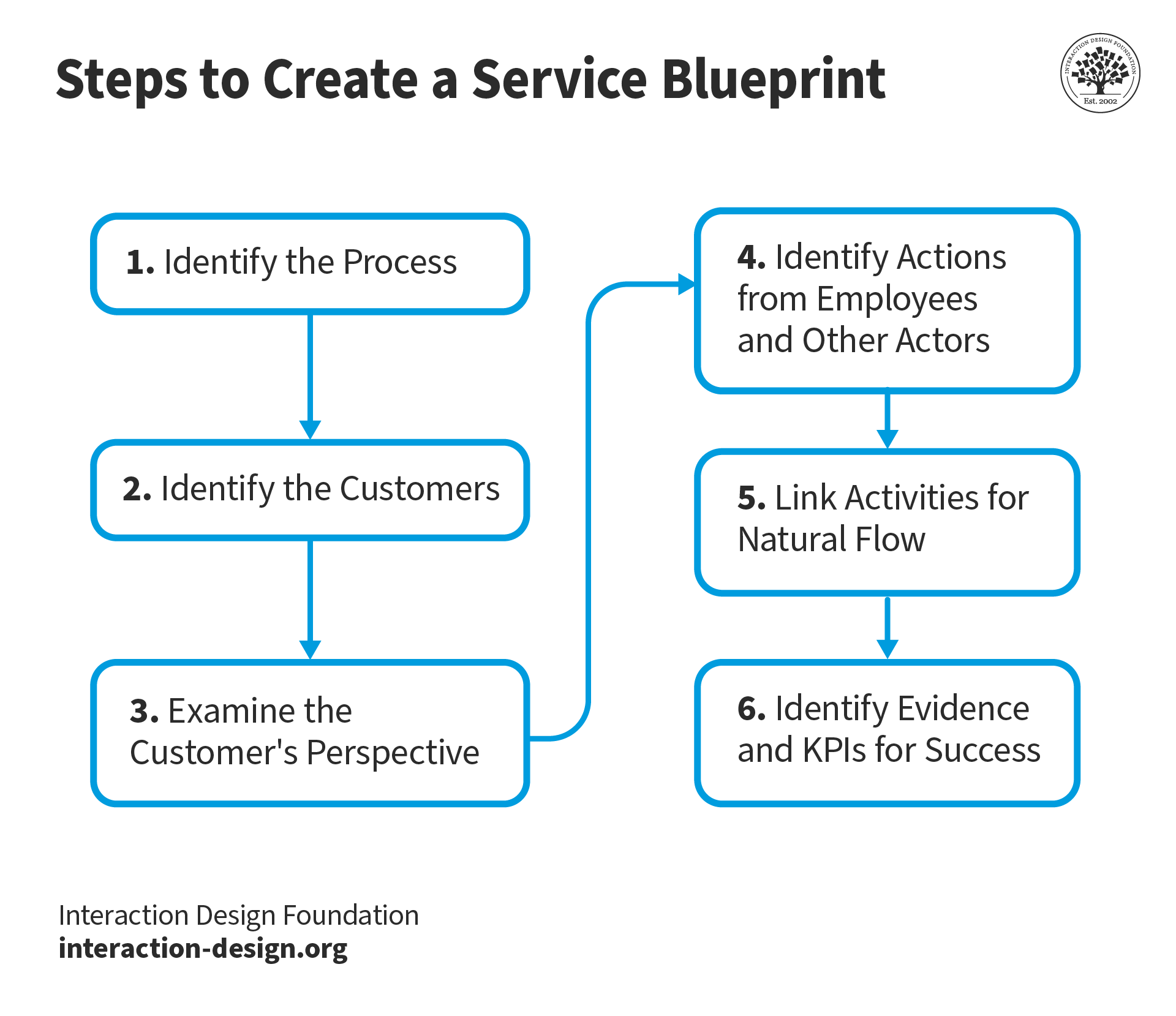
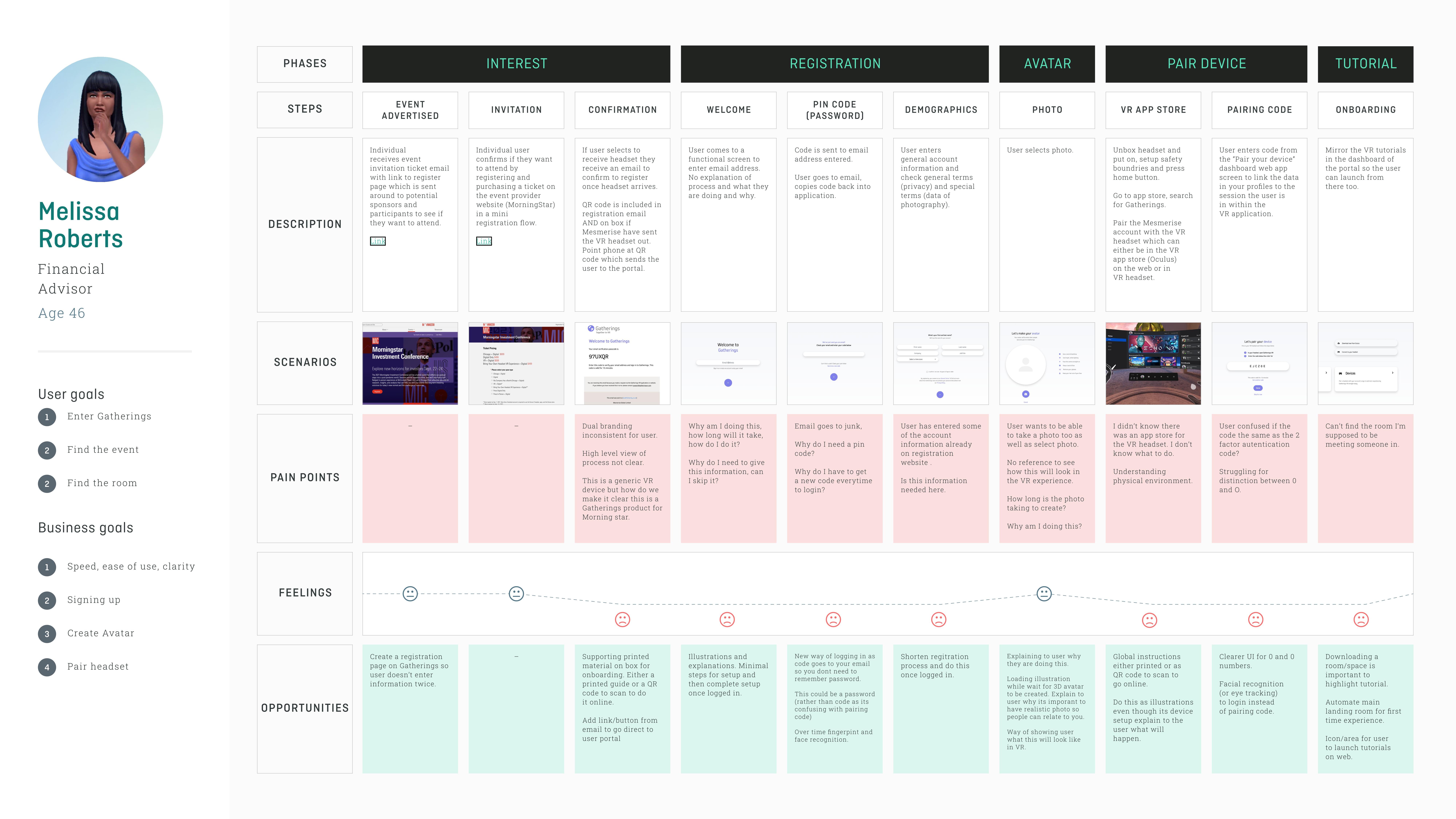
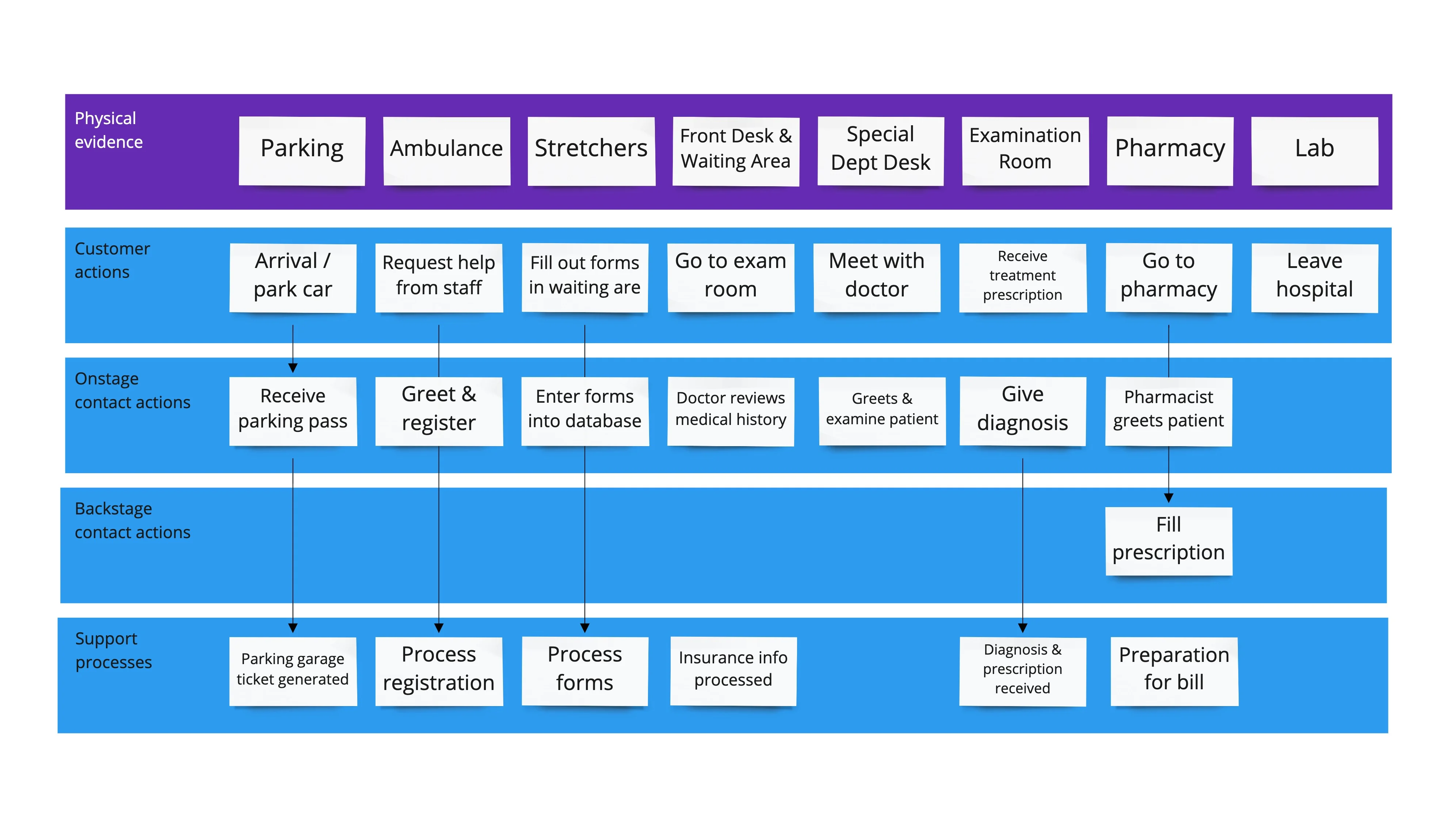
Using service blueprints effectively helps businesses explain their services clearly. A well-crafted blueprint shows every step a customer takes. It also reveals what happens behind the scenes. This makes it easier to see how services work and where to improve. Service blueprints bring clarity to complex processes. They guide teams in delivering better customer experiences.
Service blueprints start by mapping customer interactions. Every touchpoint is listed in order. This includes calls, emails, visits, or website actions. Mapping these steps helps visualize the customer journey. Businesses see how customers experience the service. This view highlights key moments that shape satisfaction. Clear mapping ensures no interaction is overlooked.
Behind every customer action, many processes happen unseen. Service blueprints show these backstage activities. This includes staff actions, technology use, and system workflows. Visualizing these processes helps teams understand their roles. It reveals how internal steps affect customer experience. Clear diagrams link front-stage and back-stage tasks effectively.
Service blueprints highlight weak points and gaps in service delivery. Teams spot delays, errors, or confusion easily. This leads to targeted improvements and better resource use. Identifying problems early saves time and money. Regularly reviewing blueprints keeps services efficient and customer-friendly. This focus on improvement drives service quality up.
A service page blueprint is a clear plan outlining how to describe services on a webpage. It ensures clarity, highlights key features, and improves user understanding. This structure helps businesses communicate their offerings effectively and boost conversions.
Use simple language, focus on benefits, and organize content logically. Highlight unique features and customer pain points. Include visuals and testimonials to support your message. Clarity builds trust and encourages users to take action.
Clear descriptions reduce confusion and increase user engagement. They help potential customers quickly understand the service value. Clarity improves SEO by matching user search intent and enhances overall website performance.
An effective service page includes a concise headline, detailed benefits, clear calls-to-action, and social proof. It should also have easy navigation, engaging visuals, and FAQs to address common questions and objections.
Clear service descriptions help customers understand your offerings quickly. Use simple words and focus on key benefits. Organize information logically to guide readers through your service. Visual aids like bullet points or charts make details easier to grasp. Always highlight how your service solves problems or meets needs.
Keep sentences short and direct for better readability. This approach builds trust and encourages customers to take action. Clarity is the key to effective service communication.







Leave A Reply Now