


If you’re running a course website, choosing the right payment gateway is key to making sales smooth and secure. You want your students to pay easily without any hassle or doubts about safety.
That’s where popular options like Stripe, PayPal, SSL Commerz, and others come in. But which one fits your needs best? You’ll discover how these payment gateways work, what makes each unique, and how to pick the perfect one for your course platform.
By the end, you’ll feel confident setting up a system that keeps your customers happy and your business growing. Keep reading to find out how to unlock seamless payments for your course website today!
Choosing the right payment gateway is essential for course websites. It ensures smooth transactions and builds trust with students. Popular gateways like Stripe, PayPal, and SSL Commerz offer reliable options. Each has unique features that fit different business needs. Understanding these can help you pick the best fit for your course platform.
Stripe supports multiple payment methods worldwide. It accepts credit cards, debit cards, and digital wallets. The setup is straightforward with API integration. Stripe handles recurring payments, ideal for subscription courses. It also offers fraud protection tools. Its dashboard provides clear insights and reports. Customization allows branding aligned with your course website.
PayPal is trusted by millions for online payments. It allows quick setup with simple buttons or APIs. Students can pay using PayPal accounts or cards without creating accounts. It supports multiple currencies for global reach. PayPal also offers buyer and seller protection. Its mobile-friendly design works well on all devices. Many course platforms have built-in PayPal integration.
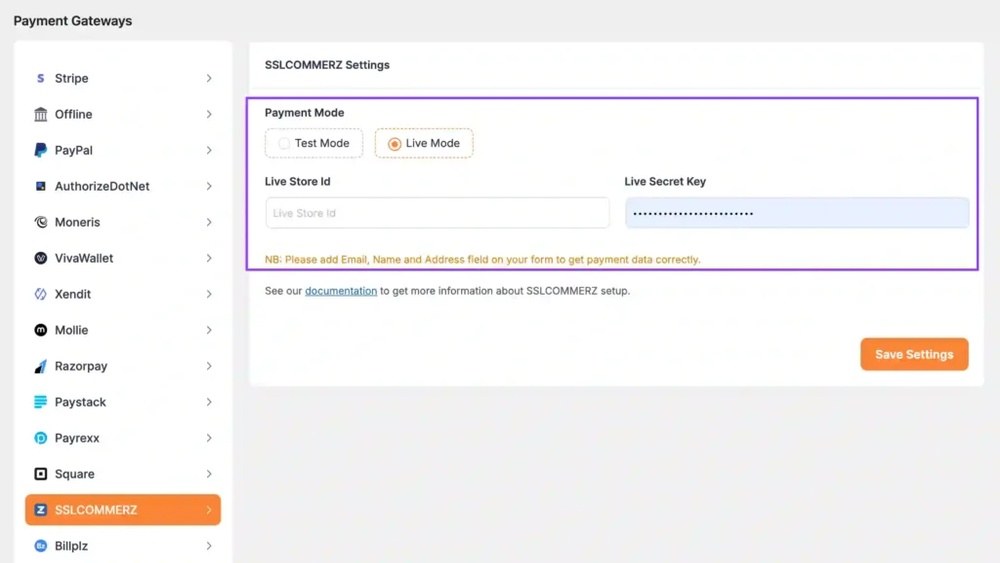
SSL Commerz is popular in South Asia, especially Bangladesh. It supports local bank cards, mobile banking, and international cards. The gateway is easy to integrate with popular CMS platforms. It offers real-time transaction tracking and reports. SSL Commerz provides secure payment processing with SSL certification. Its customer support helps resolve payment issues quickly. It suits course creators targeting regional markets.
Credit: paymattic.com
Integrating payment gateways into course websites requires selecting the right method. Each integration method offers different levels of control and complexity. Choosing the best approach depends on your technical skills and business needs.
This method uses pre-made payment buttons from gateways like PayPal or SSL Commerz. You copy and paste a small code snippet into your website. It suits sites with few courses or simple checkout needs. No coding knowledge is needed. The button handles payment securely on the provider’s side. It offers quick setup and basic features.
API integration connects your website directly to payment gateways like Stripe or PayPal. It allows full control over payment processing and user experience. Developers can customize payment flows, handle subscriptions, and manage refunds. This method needs programming skills or developer help. API integration fits course platforms with many users or advanced payment needs. It enhances security and flexibility.
Many course platforms support plugins for popular gateways such as Stripe, PayPal, or SSL Commerz. Plugins simplify integration without coding. You install the plugin, enter your gateway account details, and activate payments. This method works well for WordPress, WooCommerce, or Moodle sites. Plugins offer a balance between ease and customization. They keep your site updated with gateway changes automatically.
Security measures are critical for payment gateways on course websites. They protect sensitive data and build trust with learners. Without strong security, personal and financial information risks exposure. Reliable gateways like Stripe, PayPal, SSL Commerz use multiple layers of protection. These safeguards reduce fraud and ensure smooth transactions. Understanding key security features helps you choose the right payment gateway for your site.
SSL encryption secures data sent between users and servers. It scrambles information like credit card numbers and passwords. This encryption prevents hackers from reading or stealing data. Course websites must have SSL certificates to protect payment details. Browsers show a padlock icon when SSL is active, signaling safety. SSL also improves search engine rankings by boosting site credibility.
Payment gateways include fraud detection tools to spot suspicious activity. These tools analyze transactions for unusual patterns. They can block or flag payments that seem risky. Features like address verification and CVV checks stop stolen card use. Gateways also track user behavior to prevent scams. These protections save course creators from chargebacks and losses.
PCI compliance means following rules set by the payment card industry. It ensures that payment data is handled securely. Gateways like Stripe and PayPal maintain PCI compliance by default. This reduces risks of data breaches and fraud. Course websites should only use PCI-compliant gateways. Compliance involves regular security checks and strict data handling procedures.
Creating a smooth payment experience is vital for course websites. It affects how easily learners can enroll and pay. A good payment system reduces friction and builds trust. Payment gateways like Stripe, PayPal, SSLCommerz ensure secure and quick transactions. Below are key aspects of a great payment experience.
Checkout should be fast and simple. Users dislike long forms or multiple steps. Stripe and PayPal offer easy checkout flows that keep buyers focused. SSLCommerz supports quick payments without redirecting users away from the site. This reduces drop-offs and increases sales.
Most learners pay using smartphones. Payment gateways must work well on small screens. Stripe and PayPal have mobile-friendly interfaces that load quickly. SSLCommerz also provides responsive designs for smooth mobile payments. Mobile optimization ensures no user is left behind.
Course websites often attract global learners. Accepting many currencies helps reach more students. Stripe supports over 135 currencies for easy international payments. PayPal allows payments in multiple currencies with simple conversion. SSLCommerz also offers multi-currency options for regional buyers.
Choosing the right payment gateway is crucial for any course website. It affects how smoothly your customers can pay and how secure their transactions are. The right gateway fits your business needs and offers a good user experience. Consider several factors before deciding on one gateway over another.
Small businesses often prefer simple and low-cost gateways. PayPal is popular for startups due to easy setup and wide acceptance. Larger businesses may need advanced features and better scalability. Stripe offers more customization and supports higher transaction volumes. Choose a gateway that matches your current business size and plans for growth.
Customization affects how well the payment process fits your website design. Stripe provides extensive API options for tailored checkout experiences. PayPal offers basic customization but is simpler to use. SSL Commerz also supports some customization for local markets. Select a gateway that allows the level of control you want over branding and user flow.
Global reach impacts your ability to accept payments from different countries. PayPal works in over 200 countries and supports multiple currencies. Stripe is available in many countries and offers currency conversion. SSL Commerz focuses more on Bangladesh and nearby regions. Choose a gateway that serves your target markets effectively.

Credit: graphy.com
Combining multiple payment gateways on your course website enhances flexibility and user satisfaction. Each gateway offers unique features and supports different customer preferences. Using Stripe, PayPal, SSL Commerz together ensures wider coverage for global and local payments. This approach helps you handle diverse payment methods seamlessly.
Offering several payment gateways boosts trust and convenience for users. Students can pick their favorite method, increasing the chance of completed purchases. It reduces payment failures by providing alternatives during checkout. Multiple gateways also support different currencies and payment types. This expands your market reach and improves overall sales performance.
Fallback strategies help maintain smooth transactions during gateway downtime. If one gateway fails, the system switches to another automatically. This prevents lost sales and frustrated customers. Setting priority rules for gateways ensures the best path for each payment. Monitoring gateway status helps quickly react to issues and keep payments flowing.
Understanding the costs and fees of payment gateways helps you manage your course website budget. These fees affect your profits and pricing strategy. Each gateway, such as Stripe, PayPal, SSLCommerz, has its own fee structure. Breaking down these costs makes it easier to choose the right one.
Transaction charges are fees per payment processed. Stripe and PayPal usually charge around 2.9% plus a small fixed fee per transaction. SSLCommerz may have different rates depending on the currency and country. These charges reduce your earnings from each sale.
Some gateways offer lower fees for high volume sales. Check if your payment volume qualifies for discounts. Also, currency conversion fees might apply if you accept payments in multiple currencies.
Monthly fees are regular charges to use the payment gateway service. PayPal typically does not charge monthly fees for basic accounts. Stripe also offers no monthly fee but may charge for extra features.
SSLCommerz might require a monthly fee depending on the plan you choose. Consider monthly costs in your budget to avoid surprises. Look for gateways with plans that fit your business size.
Hidden costs include setup fees, chargeback fees, and withdrawal fees. Some gateways charge for account setup or API access. Chargeback fees occur if customers dispute payments.
Withdrawal fees happen when you transfer money to your bank. These fees vary by gateway and country. Read the fine print carefully to avoid unexpected expenses.
Integrating payment gateways like Stripe, PayPal, SSL Commerz on course websites offers convenience but also comes with common challenges. These hurdles can affect transaction success and user satisfaction. Understanding these issues helps prepare for smoother payment processing.
Chargebacks happen when customers dispute a payment. They can cause financial losses for course providers. Managing chargebacks requires clear refund policies and proof of service delivery. Payment gateways provide tools to handle disputes, but it demands attention and quick response.
Technical problems may include failed transactions or slow loading of payment pages. These issues frustrate users and reduce course sales. It is important to test gateway integration thoroughly. Regular updates and monitoring can minimize technical glitches and keep payments running smoothly.
Customer support varies across payment gateways. Some provide fast, helpful service, while others may be slow or unresponsive. Good support is crucial for resolving payment problems quickly. Course website owners should choose gateways known for reliable customer service to help both themselves and their learners.
The future of payment gateways on course websites promises faster, safer, and more convenient options. New technologies will reshape how learners pay for courses. Course creators must stay updated to offer smooth payment experiences. Let’s explore key trends shaping payment gateways ahead.
Digital wallets will become common payment choices for course websites. Wallets like Apple Pay and Google Pay offer quick checkout with a tap. They store card and bank details securely to speed up payments. Many users prefer wallets to avoid typing card data each time. Course platforms integrating wallets can boost conversion rates and user satisfaction.
Accepting cryptocurrency payments is gaining traction for online courses. Bitcoin, Ethereum, and other coins offer borderless, fast transactions. Crypto payments reduce fees and allow global learners to pay easily. Some payment gateways now support crypto options, helping course sites expand their audience. Crypto adoption may rise as digital currencies grow in popularity.
Artificial intelligence will improve payment security and efficiency. AI can detect fraud patterns and block suspicious transactions instantly. It also optimizes payment routing to reduce delays and costs. AI-powered chatbots can assist students with payment issues 24/7. Using AI tools, course platforms ensure safer and smoother payment experiences for users.
Credit: fluentcrm.com
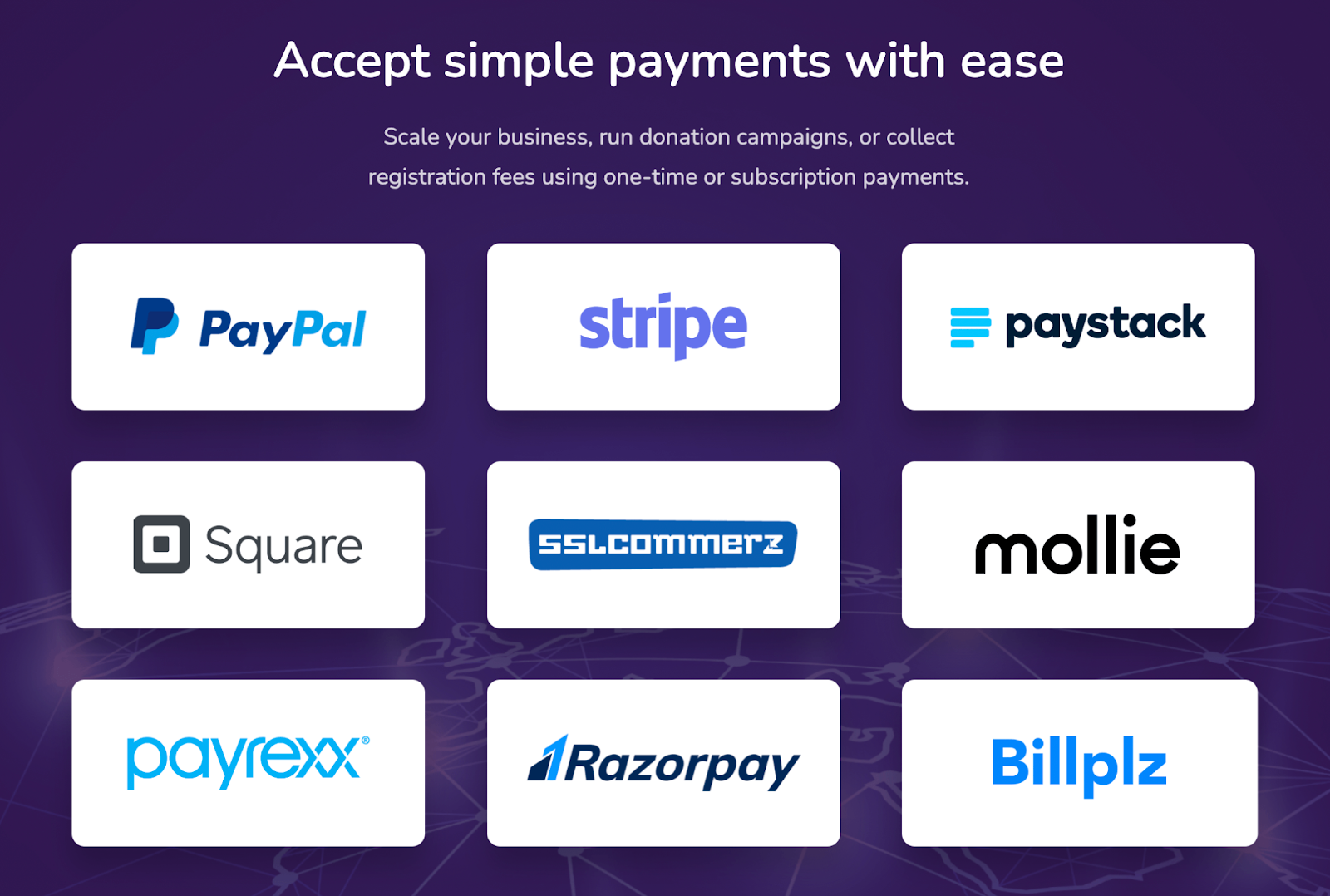
Create a PayPal Business account, access the PayPal Developer dashboard, generate payment buttons or SDK code, and add it to your website. Use plugins for platforms like WooCommerce or Wix for easier integration.
Using both Stripe and PayPal broadens payment options and caters to different customer preferences. This boosts sales and enhances user experience.
Yes, you can use PayPal as a payment gateway by creating a Business account. Integrate it via buttons or API for secure transactions.
The best payment gateway for small businesses is PayPal for its global reach and ease of use. Stripe suits those needing customization. Square excels with integrated POS systems. Choose based on your business needs and payment preferences.
Choosing the right payment gateway shapes your course website’s success. Stripe, PayPal, SSL Commerz each offer unique features and benefits. Consider ease of use, security, and customer preference. Combining gateways can meet diverse payment needs. Secure transactions build trust and encourage more enrollments.
Focus on simplicity and reliability to keep students satisfied. Your choice impacts both user experience and business growth. Take time to find the best fit for your courses.







Leave A Reply Now