


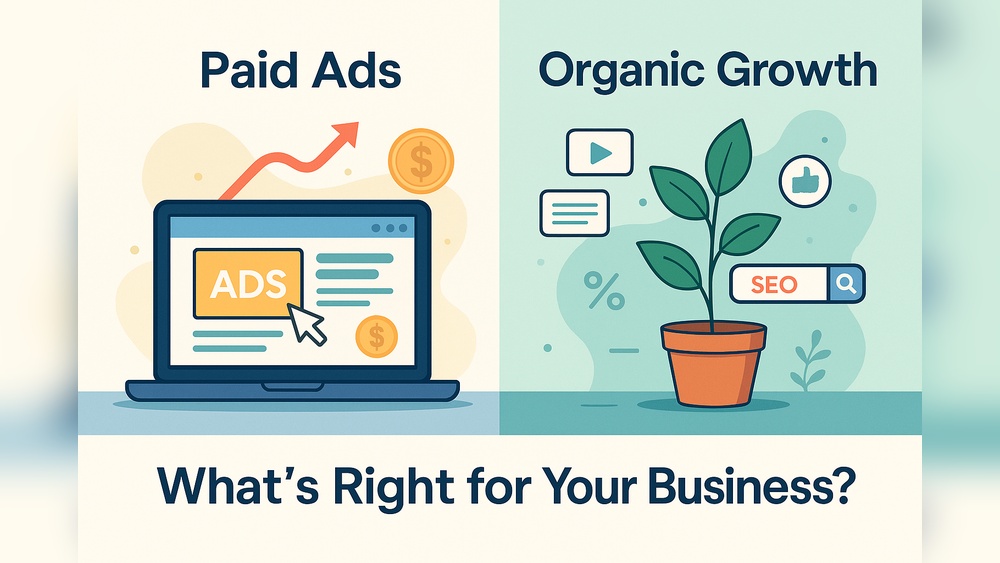
Are you struggling to get your corporate growth on track despite investing in SEO or paid ads separately? What if combining both strategies could unlock a powerful synergy that drives more traffic, higher conversions, and stronger brand authority?
When you learn how to integrate SEO with paid advertising, you don’t just double your chances—you multiply them. This approach helps you reach the right audience at the right time, maximize your marketing budget, and outsmart competitors. Keep reading to discover practical steps and insider tips on blending SEO and paid ads for unstoppable corporate growth.
Your business deserves to dominate the market, and this is how you make it happen.

Credit: www.webpronews.com
SEO Pillars for Growth form the base of a strong online presence. These pillars help search engines find, understand, and trust your website. They work together to improve your site’s ranking and attract the right audience. Focusing on each area boosts your corporate growth steadily.
Here is a clear look at the main SEO pillars that support growth and how they connect with paid ads for better results.
Technical SEO ensures your website works well for search engines and users. Fast loading times keep visitors engaged. Mobile-friendly design adapts to all devices. Structured data helps search engines understand your content better. Fixing crawl errors and creating clear site architecture improves indexing. Sitemaps guide search engines through your pages efficiently.
On-Page SEO focuses on optimizing each webpage. Use relevant keywords naturally in titles, headers, and content. Write clear meta descriptions that invite clicks. Ensure your pages match user intent with helpful and simple information. Organize content with headings for easy reading. Internal linking connects related pages and spreads link value.
Content is key to attracting and keeping visitors. Create useful and original articles or posts that answer questions. Use simple language and clear structure to engage readers. Update content regularly to stay fresh. Include keywords that match what people search for. Well-made content builds trust and authority over time.
Off-Page SEO builds your site’s reputation beyond its pages. Getting links from trusted websites signals quality to search engines. Social shares and mentions increase visibility. Engage in guest posting and partnerships to earn valuable backlinks. Positive online reviews and brand mentions also improve authority and trust.
Credit: derivatex.agency
Paid ads play a crucial role in driving quick traffic and leads for corporate growth. Understanding the fundamentals helps create campaigns that complement SEO efforts. A strong foundation in paid ads ensures better budget use and higher returns.
There are several types of paid ads to consider. Search ads appear on search engines when users enter keywords. Display ads show banners on websites within a network. Social media ads target users on platforms like Facebook and LinkedIn. Video ads run before or during video content on sites like YouTube. Each type serves different marketing goals.
Start by defining clear goals for your campaign. Choose the right ad type based on your objectives. Create compelling ad copy that speaks to your audience’s needs. Use strong calls to action to encourage clicks. Set a realistic budget and bid strategy to control costs. Monitor settings to avoid wasting spend on irrelevant clicks.
Targeting helps reach the right people at the right time. Use demographics like age, location, and job title for precision. Interest and behavior data refine audience selection further. Custom audiences based on website visitors or email lists improve relevance. Lookalike audiences expand reach to users similar to your best customers.
Track key metrics to judge campaign success. Click-through rate shows how many users clicked your ad. Conversion rate measures actions taken after the click, like purchases or sign-ups. Cost per click and cost per acquisition reveal efficiency. Use tools like Google Ads and analytics platforms for detailed reports. Regular analysis allows timely adjustments for better results.
Aligning SEO and paid ads creates a powerful strategy for corporate growth. Both channels target potential customers but work differently. SEO builds long-term organic presence. Paid ads deliver quick, targeted traffic.
Combining these methods improves overall marketing effectiveness. It helps businesses reach wider audiences and increase conversions. Aligning efforts ensures consistent messaging and efficient use of budgets.
Use data from paid ads to find high-performing keywords. These keywords can improve SEO content and page optimization. SEO results reveal organic search terms that can refine ad targeting. Sharing keyword insights between teams saves time and money. It ensures both channels focus on words that attract real customers.
Paid ads can target audiences based on demographics and behavior. SEO attracts users searching for relevant topics or solutions. Combining audience data helps create unified customer profiles. This allows retargeting visitors who found your site organically. Cross-channel targeting increases chances of engagement and conversion.
Integrate data from SEO tools and ad platforms for better decisions. Use analytics platforms that combine traffic, clicks, and conversion metrics. Track user journeys across paid and organic channels to understand behavior. Data integration uncovers gaps and opportunities in your marketing funnel. It helps adjust bids, keywords, and content strategies effectively.
Showing your brand in both paid and organic listings strengthens trust. Users see your company multiple times in search results. This repetition boosts brand recognition and click-through rates. Paid ads cover competitive keywords where SEO is still growing. Organic listings provide credibility and lasting presence. Together, they amplify your brand’s reach and impact.
Credit: propellerads.com
Combining SEO and paid ads creates a powerful strategy for corporate growth. This approach fills gaps left by one method alone and boosts overall marketing impact. Targeted efforts drive more traffic, increase conversions, and improve brand visibility. Here are key strategies to help your corporation grow effectively.
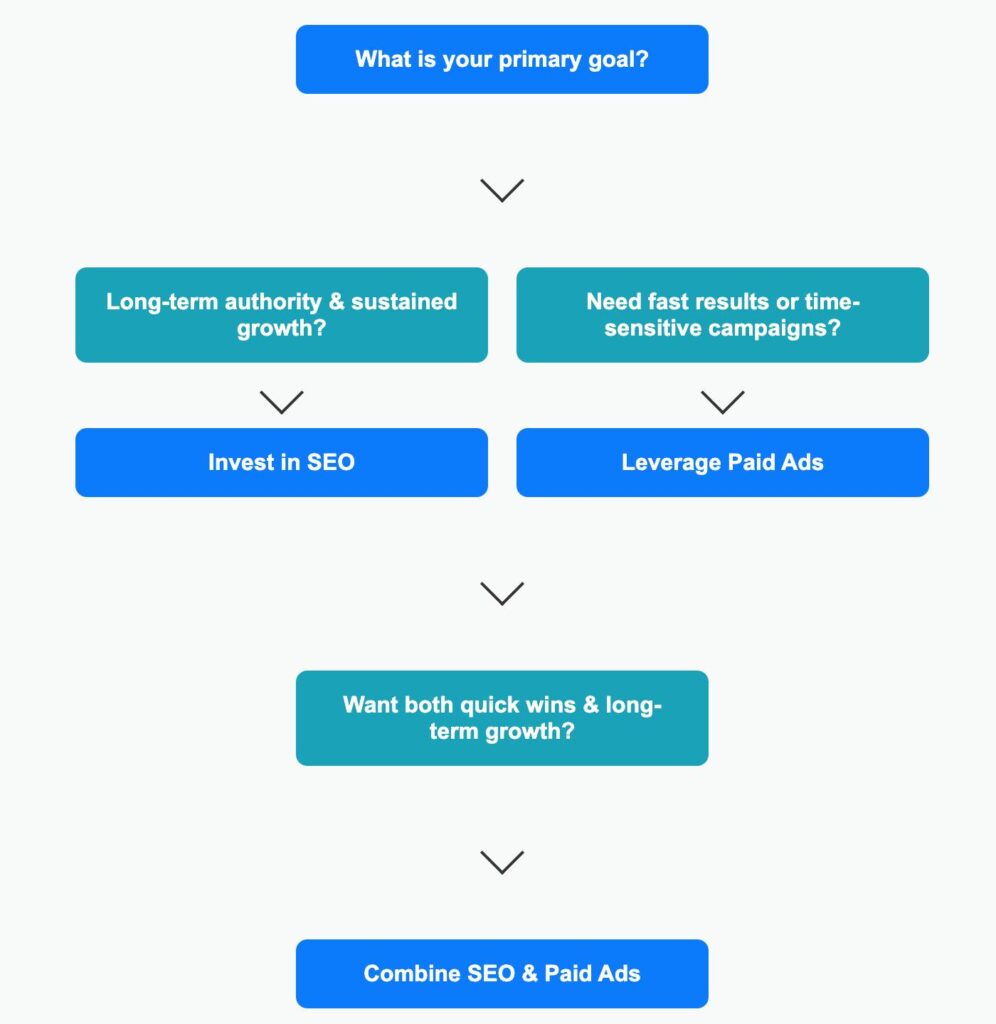
SEO takes time to show results. Paid ads bring instant visibility. Using both covers weak points in your marketing plan. Ads target quick wins while SEO builds lasting presence. This balance ensures steady traffic and leads. Paid ads also test keywords that SEO can later optimize.
Paid ads deliver traffic that is ready to act. SEO attracts visitors who are researching. Combine these for a better sales funnel. Use ads to retarget SEO visitors with special offers. Improve landing pages based on ad performance data. This raises the chance visitors become customers.
Study competitors’ paid ads and SEO tactics. Find keywords they miss or underuse. Use paid ads to test new markets quickly. Apply successful ad keywords to SEO content. Monitor competitors to adjust your bids and content. This keeps your brand competitive and relevant.
Use data from SEO and ads to scale smartly. Increase budget on high-performing paid campaigns. Expand SEO content around popular keywords. Automate bidding on ads that convert well. Coordinate messaging across both channels for consistency. This approach grows your reach without wasting resources.
Combining SEO and paid ads requires the right tools and technologies. These tools help track performance, manage campaigns, and analyze data effectively. Using the best platforms makes marketing efforts more efficient and measurable. Here are key technologies to support your corporate growth strategy.
SEO analytics platforms show how your website ranks and performs. They help identify keywords driving traffic and user behavior. Popular tools include Google Analytics and SEMrush. These platforms provide insights on organic search trends and site health. They guide decisions to improve search rankings and content quality.
Ad management tools simplify creating and running paid campaigns. Google Ads and Facebook Ads Manager allow precise targeting and budget control. These tools track ad performance in real time. They help optimize ads for better click-through rates and conversions. Managing ads efficiently reduces wasted spend and increases ROI.
Artificial intelligence is changing SEO and PPC strategies. AI tools analyze data faster and predict trends. They suggest keywords, optimize bids, and create content ideas. AI helps automate routine tasks, saving time and effort. Using AI improves targeting accuracy and campaign results.
Tracking tools measure results from both SEO and paid ads. Platforms like Google Tag Manager link data across channels. Reporting solutions compile this data into clear, easy-to-understand reports. These reports reveal what works and what needs change. Accurate tracking ensures marketing budgets deliver the best outcomes.
Combining SEO and paid ads can boost corporate growth effectively. Yet, challenges often arise. These obstacles can limit success if not addressed. Identifying common issues helps create strong strategies. Solutions improve performance and increase returns.
Deciding how much to spend on SEO versus paid ads causes conflicts. Both require investment but deliver results differently. Clear goals help guide budget splits. Track performance to see which channel drives better returns. Adjust spending based on data, not assumptions. Avoid overspending on one while neglecting the other.
SEO and paid ads often use separate tools and reports. This creates data silos that hide the full picture. Integrate analytics platforms to combine data streams. Unified data shows how channels support each other. Use shared dashboards for easier decision-making. Break down silos to optimize strategies across channels.
Paid ads can lose effectiveness when audiences see them too often. This is ad fatigue. Meanwhile, SEO efforts may stall without fresh content or updates. Rotate ads regularly to keep engagement high. Update website content and keywords to boost SEO. Consistent testing prevents both ad fatigue and SEO stagnation.
SEO and paid ads must share a clear, consistent message. Mixed messages confuse customers and weaken brand identity. Align keywords, ad copy, and landing pages. Use the same tone and style across channels. Consistent messaging builds trust and strengthens corporate growth efforts.
The 80/20 rule for SEO means 20% of efforts produce 80% of results. Focus on high-impact keywords and quality content.
Integrate paid traffic and SEO by targeting competitive keywords, using organic data for PPC, testing ads, and maximizing brand visibility. Combine insights to fill strategy gaps and enhance overall performance.
The 3 C’s of SEO are Content, Code, and Credibility. Content attracts users, Code ensures site functionality, and Credibility builds trust.
The four pillars of SEO are Technical SEO, On-Page SEO, Content, and Off-Page SEO. They enhance site structure, keyword use, content quality, and external authority.
Combining SEO and paid ads creates a balanced marketing approach. SEO builds long-term organic traffic and trust. Paid ads deliver quick visibility and targeted leads. Together, they help reach wider audiences effectively. Use data from ads to refine SEO strategies.
Let SEO insights improve ad targeting and messaging. This synergy boosts brand presence and drives steady growth. Keep testing and adjusting for best results. Consistency and patience will lead to success. Start integrating both methods to grow your business today.






Leave A Reply Now