



Are you frustrated by customers leaving your online store just before completing their purchase? You’re not alone.
Cart abandonment is a common challenge that can cost you valuable sales every day. But what if you could turn those almost-sales into real revenue? By optimizing your checkout process, you make it easier and more inviting for your customers to finish their orders.
You’ll discover simple, practical strategies to reduce cart abandonment and boost your sales. From speeding up your checkout to building instant trust, these tips are designed to keep your customers engaged and ready to buy. Ready to transform your checkout experience and increase your online sales? Let’s dive in.
Credit: adoric.com
Cart abandonment happens when shoppers add items to their cart but leave without buying. Understanding why this occurs helps improve checkout processes. Many shoppers quit due to frustrations or doubts during checkout. Identifying these reasons lets businesses reduce lost sales and boost conversions.
Extra fees at checkout surprise buyers. Shipping, taxes, or hidden charges cause them to leave. Showing full costs early builds trust and prevents abandonment.
Long or confusing checkout forms frustrate users. Too many fields or unclear instructions slow them down. Simplifying steps makes checkout faster and easier.
Requiring an account before purchase annoys shoppers. Many prefer guest checkout to save time. Offering optional sign-up helps keep buyers on track.
Shoppers worry about payment security and privacy. Missing trust signals like SSL badges or clear policies reduce confidence. Displaying security features reassures customers.
Not all buyers use the same payment methods. Restricting options causes some to abandon carts. Providing multiple payment choices meets wider needs.
Slow checkout pages drive customers away. Every second delay increases abandonment risk. Optimizing speed keeps buyers engaged and ready to pay.
Many shop on phones or tablets. Poor mobile design makes checkout hard to use. Responsive layouts and easy navigation improve mobile conversions.
Speeding up the checkout process is crucial to reduce cart abandonment. Customers want a quick, smooth experience. Long, complicated checkouts cause frustration and lost sales. A fast checkout keeps buyers focused and ready to complete their purchase. Simple changes can make a big difference.
Ask only for essential information. Every extra field adds time and effort. Remove unnecessary details and keep the form short. Use auto-fill features to help customers enter data faster. A shorter form reduces friction and speeds up checkout.
Show clear steps in the checkout process. Progress indicators let customers know how many steps remain. This reduces uncertainty and anxiety. Visual cues encourage users to complete the purchase. A clear path improves the overall experience.
Do not force account creation. Allow customers to checkout as guests. Account sign-up can slow the process and cause drop-offs. Offer the option to create an account after purchase. Guest checkout removes barriers and speeds up sales.
Make checkout easy on all devices. Use large buttons and readable fonts for small screens. Simplify navigation and form entry on mobile. Mobile shoppers expect fast, smooth experiences. A mobile-optimized checkout reduces frustration and abandonment.
Building customer trust plays a vital role in reducing cart abandonment. Shoppers feel more confident when they see clear signs that their information is safe and their needs are respected. Trust encourages customers to complete purchases without hesitation. Establishing trust begins with transparent communication and visible proof of security.
Security badges show customers that your site protects their data. These badges come from trusted authorities and prove your site uses encryption. Display them near the payment section and checkout page. This simple step reassures buyers that their payment details are safe.
Clear return policies reduce fear of buying the wrong product. Write return rules in easy words and place them where shoppers can easily see. A fair policy makes customers feel safe about their purchase. This lowers cart abandonment by removing doubts about returning items.
Product thumbnails remind customers what they are buying. Small images in the cart and checkout pages help shoppers confirm their choices. This visual cue prevents mistakes and builds confidence. It also makes the checkout process more user-friendly and less stressful.
Live chat offers instant help to customers during checkout. Quick answers solve doubts and avoid frustration. This support shows customers you care about their experience. Live chat reduces cart abandonment by providing real-time assistance at crucial moments.
Credit: optinmonster.com
Flexible payment solutions play a key role in reducing cart abandonment. Shoppers want choices that suit their needs and comfort. Offering various payment options makes the checkout process smoother. It helps customers complete their purchase without hesitation.
Clear and honest pricing also builds trust during checkout. Customers avoid surprises and feel confident about their purchase. When payment feels easy and fair, cart abandonment rates drop.
Provide several payment options such as credit cards, PayPal, and mobile wallets. Include popular local payment methods for different regions. This flexibility meets diverse customer preferences. It reduces frustration and speeds up the checkout.
Allowing payments in installments or buy now, pay later options can help. Customers can choose a plan that fits their budget. This approach encourages more completed sales.
Show all costs clearly before checkout. List product price, taxes, shipping fees, and any discounts upfront. Customers should never guess the total amount. Transparency builds trust and lowers cart abandonment.
Display price breakdowns on the cart page and at checkout. Customers appreciate knowing exactly what they pay. This openness reduces last-minute surprises and abandoned carts.
Avoid adding unexpected fees during checkout. Extra charges cause frustration and lead to abandoned carts. Be upfront about shipping costs and handling fees from the start.
Offer free shipping thresholds or flat rates when possible. If fees apply, explain why clearly. Removing hidden costs improves the checkout experience and keeps customers happy.
Creating urgency is a powerful way to encourage customers to complete their purchases. It pushes shoppers to act quickly instead of delaying decisions. Urgency taps into the fear of missing out, making offers more compelling. This tactic can lower cart abandonment rates effectively.
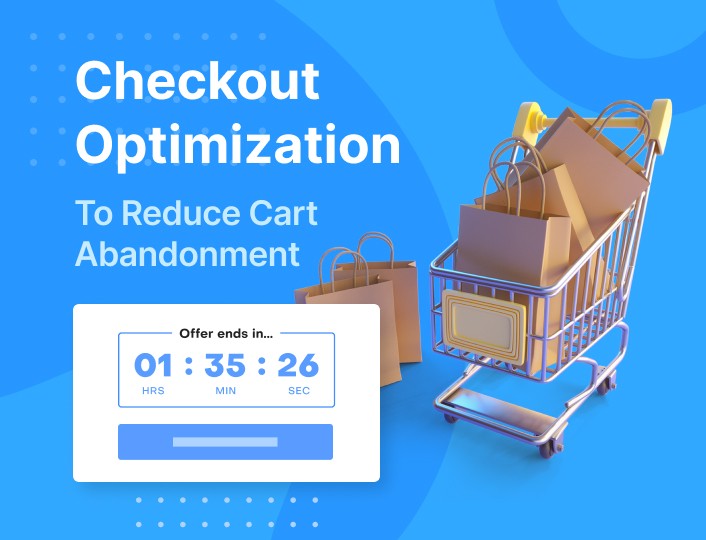
Limited-time offers give shoppers a clear deadline. Customers feel they must buy before the deal ends. This sense of urgency drives faster decisions. Display countdown timers to show the exact time left. It makes the offer more real and pressing. Limited-time discounts or free shipping work well here.
Showing low stock alerts signals limited availability. When customers see “Only 3 left,” they worry the item may sell out. This fear encourages quicker purchases. Always update stock levels in real time to keep alerts accurate. Scarcity taps into buyers’ need to secure products early. It reduces hesitation at checkout.
Urgency works best when choices are easy to make. Too many options can confuse buyers and slow them down. Highlight the best deals or popular products to guide shoppers. Use simple, clear messages like “Buy now to save 20%.” Clear calls to action help customers act fast without overthinking.
Credit: binmile.com
Lost sales from abandoned carts hurt your revenue and growth. Recovering these sales boosts profits without extra traffic. Simple, smart methods can win back hesitant buyers. Use targeted strategies to remind, engage, and encourage completion.
Abandoned cart emails gently remind customers of their left items. Send these emails soon after abandonment for best results. Keep the message clear and friendly. Include product images and a direct link back to the cart. This ease helps customers return and finish buying.
Exit-intent popups catch visitors before they leave your site. Trigger these popups when a user moves toward the close button. Offer helpful tips or ask why they are leaving. A small nudge can keep customers on your page longer. This method reduces lost sales by sparking final interest.
Retargeting ads show products to shoppers after they leave your site. These ads appear on social media or other websites they visit. Reminding customers about their cart items sparks curiosity. Use clear images and simple calls to action. Retargeting helps bring visitors back to complete purchases.
Offering incentives can motivate buyers to finish checkout. Small discounts or free shipping work well. Promote these offers through emails, popups, or ads. Limited-time deals create urgency and encourage quick decisions. Incentives turn hesitation into completed sales.
Simplify checkout by reducing steps and form fields. Offer guest checkout and multiple payment options. Show transparent pricing and clear policies. Optimize for mobile and speed. Use security badges and live chat. Send abandoned cart emails to recover lost sales.
Optimize checkout by simplifying steps and form fields, offering guest checkout, and ensuring fast mobile performance. Display transparent pricing and clear policies early. Provide multiple payment options and build trust with security badges and live chat support. Use abandoned cart emails to recover lost sales.
Simplify checkout by reducing steps and form fields. Offer guest checkout and multiple payment options. Display clear pricing and policies early. Optimize for mobile and page speed. Use trust signals like security badges and live chat. Send timely abandoned cart emails to recover lost sales.
Fix cart abandonment by simplifying checkout, offering guest checkout, showing clear pricing, providing multiple payment options, and sending reminder emails. Build trust with security badges and live chat. Optimize mobile experience and display transparent policies to encourage purchase completion.
Reducing cart abandonment starts with a smooth checkout process. Keep forms short and payment options flexible. Show all costs early to avoid surprises. Make your site fast and mobile-friendly. Build trust with clear policies and easy navigation. Follow up with customers who leave items behind.
Small changes can lead to better sales and happier buyers. Focus on the shopper’s experience to boost your success.







Leave A Reply Now