


Are you ready to unlock the full potential of your membership site or subscription service? Setting up membership levels and subscription access the right way can make all the difference in how your audience engages with your content—and how your revenue grows.
Whether you’re starting fresh or looking to improve your existing system, creating clear, easy-to-understand membership tiers tailored to your audience’s needs will keep your members happy and coming back for more. In this guide, you’ll discover simple steps to design membership levels that work, how to manage access smoothly, and tips to boost both member satisfaction and your bottom line.
Let’s dive in and build a membership experience your users won’t want to leave!
Choosing the right membership model shapes your community and its growth. Each model offers unique access and pricing structures. Understanding these helps you meet your audience’s needs clearly and simply.
Membership models vary by how users pay and what they receive. Some focus on recurring fees, others on levels or free access. Picking the right model sets the foundation for member satisfaction.
Subscription-based access charges members a regular fee. This fee can be monthly, quarterly, or yearly. Members get continuous access to content and perks. This model ensures steady income and loyal members. Many online communities and services prefer this model.
Tiered memberships offer several levels with different benefits. Each level has its own price and features. Basic tiers provide limited access at low cost. Higher tiers unlock more features and perks. This model suits diverse needs and budgets.
Free memberships grant access without any cost. These often include limited features or content. Free options attract new users and build trust. They may encourage upgrades to paid plans later. This model works well for growing communities.
One-time fee access requires a single payment for membership. Members gain access for a set time or lifetime. This model avoids recurring charges for users. It fits those who prefer simple, upfront payments. It works well for courses or special content.
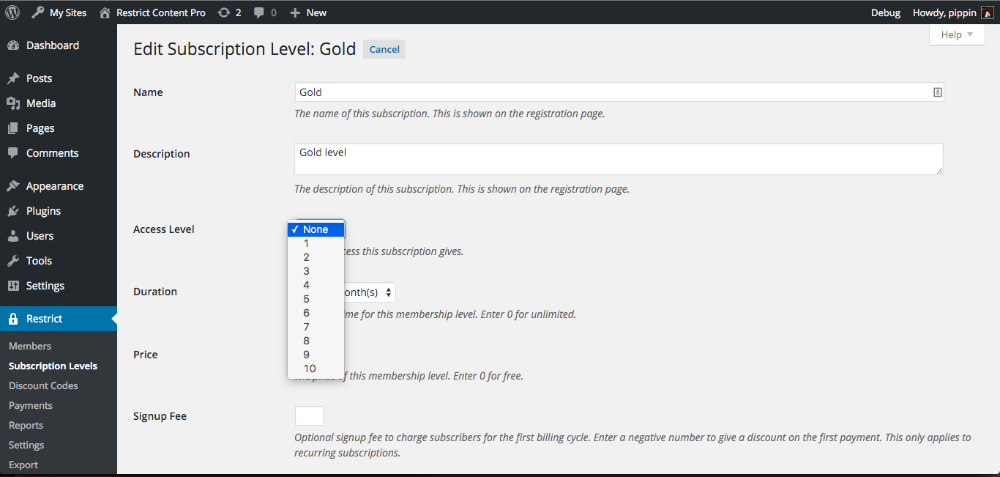
Credit: restrictcontentpro.com
Understanding different member status types helps you organize your membership levels clearly. Each type reflects a specific role or connection with your organization. This clarity improves communication and access control.
Defining member status types lets you tailor subscription access precisely. You can offer benefits that fit each group’s needs. This setup keeps members engaged and ensures smooth management.
Active members participate regularly in your organization. They pay current dues and enjoy full access to benefits. Their involvement drives your community forward. Providing them priority access encourages continued participation.
Alumni members are former active members who remain connected. They often have limited access to resources or events. Alumni membership helps maintain long-term relationships. It can also provide networking opportunities for both alumni and current members.
Collegiate members are students enrolled in colleges or universities. They usually receive discounted rates or special offers. This status supports young members and encourages early involvement. Collegiate membership builds loyalty that can last a lifetime.
Honorary members receive membership by special recognition. They do not pay fees but gain access to select privileges. This status honors individuals for their contributions or achievements. Honorary membership adds prestige and inspires others in your group.
Organizational membership structures help define clear roles and access levels. These structures support smooth management and tailored benefits for each type of member. Setting up distinct membership categories improves communication and service delivery. Each category carries specific privileges and responsibilities. This clarity helps members understand their place and value within the organization.
Regular membership is the core category in most organizations. It includes individuals or entities fully involved in the group’s activities. Members usually pay full dues and receive complete access to resources and events. This level often offers voting rights and the ability to hold office. Regular members form the backbone of an organization’s community and decision-making.
Associate membership suits those who want limited participation. These members may not have voting rights or full access to benefits. The dues are often lower than regular membership fees. This category works well for supporters or professionals linked to the organization’s field. It provides a way to stay connected without full commitments.
Affiliate membership is designed for groups or individuals connected through partnerships. It allows organizations to build networks beyond direct members. Affiliates usually gain access to select resources and joint activities. This membership fosters collaboration and extends the organization’s influence. It helps create a broader community with shared goals.
Group membership covers multiple members under one umbrella, such as companies or clubs. This option simplifies management for large teams or institutions. Groups often receive discounted rates per member. It ensures everyone in the group enjoys access to membership benefits. Group membership encourages collective involvement and strengthens organizational reach.
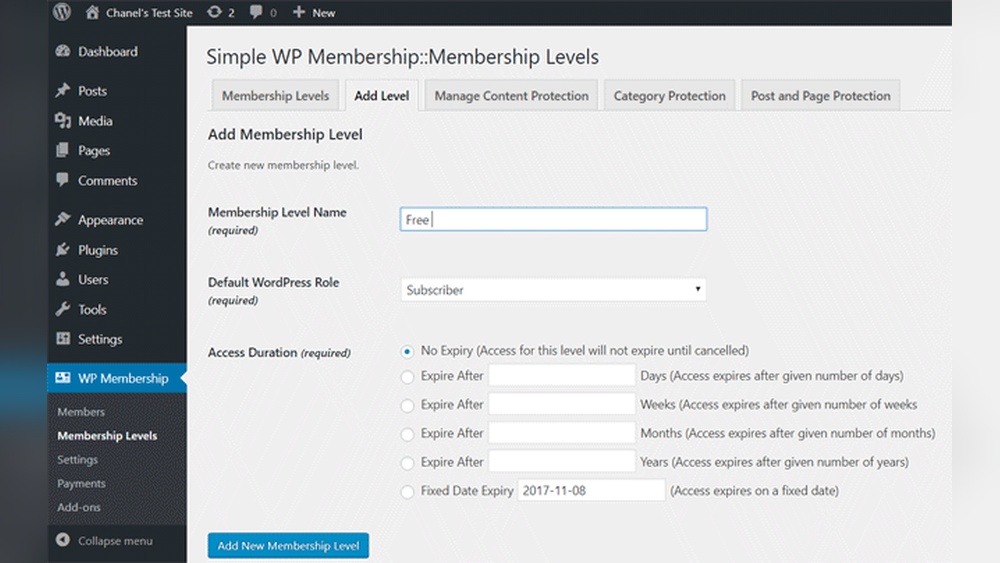
Setting up membership levels is a key step in building a successful subscription-based site. It helps organize your members and tailor the experience to their needs. Clear membership levels give your audience a reason to stay engaged and subscribe.
Each level should offer distinct value and access. Proper planning avoids confusion and improves satisfaction. Start by deciding how many levels to create and what each will include.
Begin by selecting the number of membership tiers. Keep it simple. Too many options can overwhelm visitors. Usually, three to four tiers work well.
Consider naming tiers clearly. Use terms like Basic, Standard, and Premium. This helps members understand what to expect from each level.
List benefits for each tier carefully. Higher levels should offer more exclusive perks. These might include extra content, early access, or special discounts.
Be specific about what members get. Clear benefits increase the perceived value. Avoid vague promises or confusing offers.
Set prices based on the value of benefits. Balance affordability with business goals. Test different price points to find what works best.
Consider offering discounts for longer subscriptions. This encourages members to commit for more time. Use simple pricing to avoid confusion.
Control what each member can see or do. Use software tools that allow easy access management. This keeps your content secure and organized.
Regularly update access rules as you add new features. Clear access improves member experience and reduces support questions.
Managing subscription access is key for any membership site. It ensures members get the right content at the right time. Proper management helps maintain smooth user experience and steady revenue.
This section covers how to handle recurring payments, control access, manage membership changes, and set clear renewal and cancellation rules.
Set up automatic billing to collect fees regularly. Choose secure payment gateways that support credit cards and digital wallets. Test payment flows to avoid errors and lost revenue. Notify members before charging to build trust. Keep billing cycles clear, monthly or yearly, for easy understanding.
Use role-based access to limit content based on membership level. Protect premium content with login requirements. Update access rules as members upgrade or downgrade. Use plugins or built-in tools to manage permissions efficiently. Monitor access logs to detect issues or unauthorized use.
Allow members to switch plans anytime. Adjust billing amounts based on the new plan. Ensure access changes take effect immediately. Communicate clearly about benefits gained or lost. Offer prorated refunds or charges for mid-cycle changes to keep fairness.
Define clear rules for subscription renewals and cancellations. Send reminders before renewal dates to reduce churn. Make cancellation easy but confirm member intent. Decide if access ends immediately or at period end. Provide options to pause subscriptions for member convenience.
Choosing the right tools and platforms is vital for setting up membership levels and subscription access. The software you select controls how members join, pay, and interact. It also affects your ability to manage subscriptions smoothly and securely. The right platform makes running memberships easier and more efficient.
Membership software helps you create and manage different access levels. Popular options include MemberPress, Wild Apricot, and Patreon. These tools offer features like member profiles, content restriction, and communication tools. Choose software that fits your budget and technical skills. Easy setup and good customer support are key factors.
Payment gateways allow you to accept online payments safely. Common gateways include PayPal, Stripe, and Square. Integration should be seamless to avoid payment issues. Look for platforms supporting multiple currencies and payment methods. Secure transactions build trust with your members.
Automation saves time by handling routine tasks automatically. Examples include sending welcome emails and renewing subscriptions. Automation can also manage failed payments and membership upgrades. Choose tools with built-in automation or easy integration with apps like Zapier. This keeps your membership running smoothly without extra work.
Analytics provide insights into member activity and revenue trends. Good platforms offer dashboards showing signups, cancellations, and income. Use reports to understand which membership levels perform best. Regular analysis helps improve your offerings and grow your membership base. Clear data leads to better decisions.
Setting up membership levels and subscription access requires careful planning. Best practices help create clear, fair, and attractive membership options. These practices improve member experience and support your business goals.
Keep your members active with regular updates and fresh content. Offer exclusive perks to different membership levels. Use surveys to learn what members want. Personalize communication to build strong connections. Create a community feel with forums or events.
Make renewing easy and stress-free. Send reminders before memberships expire. Reward loyalty with discounts or bonuses. Track member activity and reach out to inactive members. Provide excellent customer support to solve issues quickly.
Clearly explain the benefits of each membership level. Use simple language and visuals to show what members get. Highlight new features and improvements. Share success stories and testimonials. Be honest about limitations and terms.
Follow local laws about subscriptions and payments. Provide clear terms and conditions for all members. Ensure data privacy and protect member information. Obtain consent for marketing communications. Keep records of transactions and agreements.
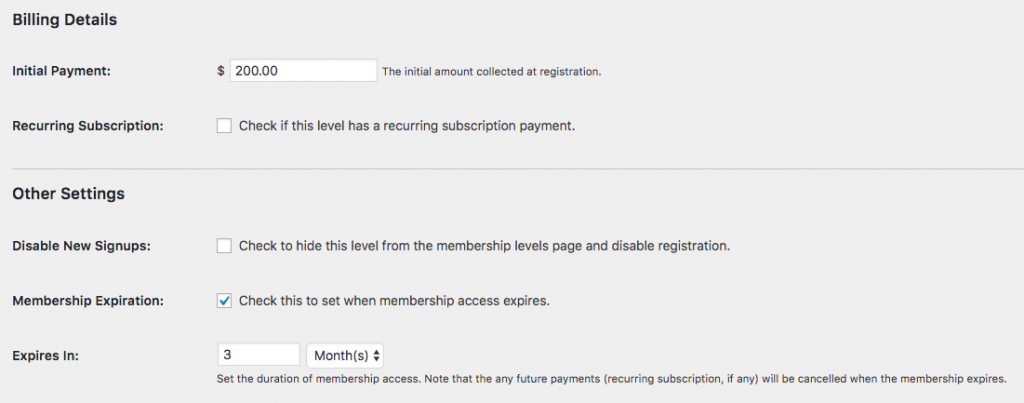
Credit: www.paidmembershipspro.com
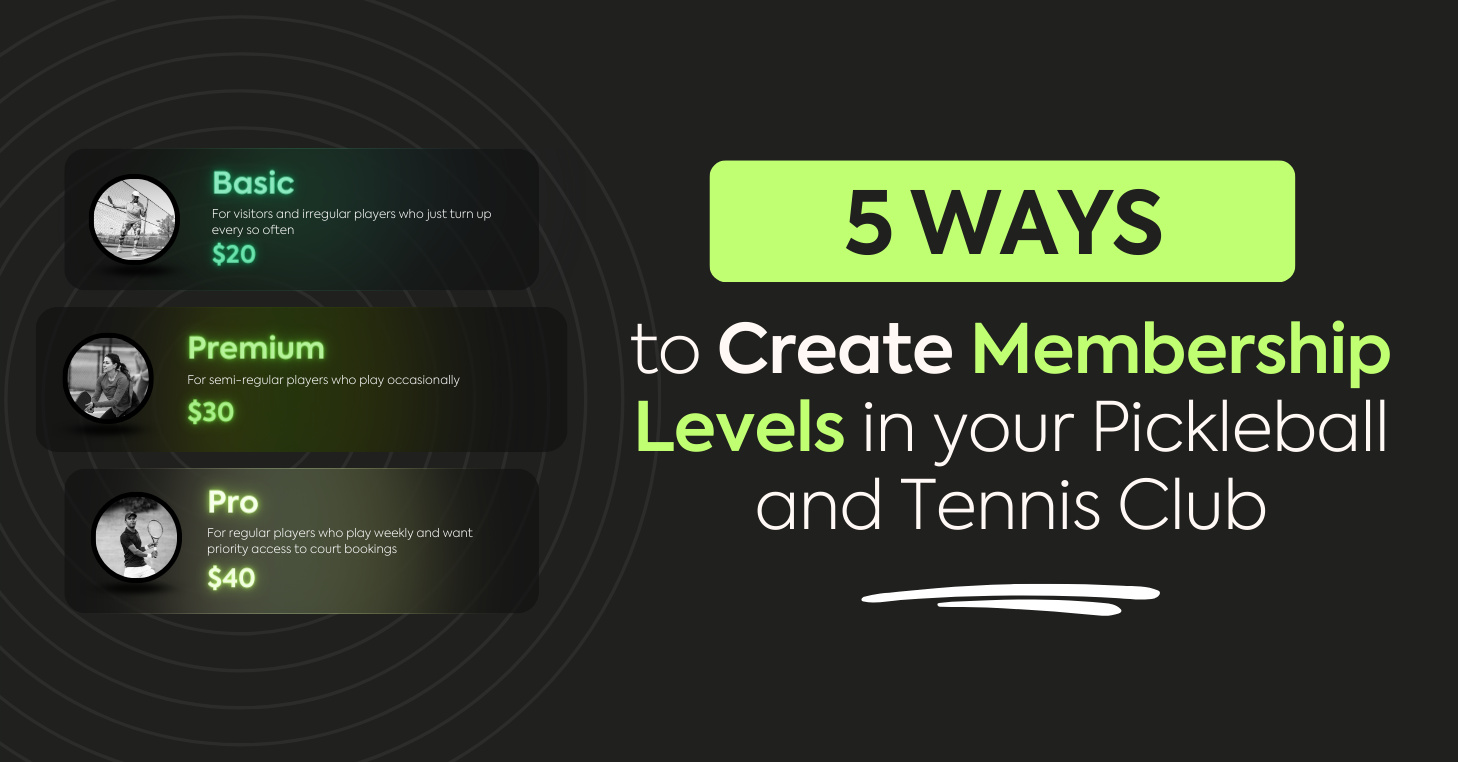
Credit: courtreserve.com
The four levels of membership typically are free, subscription-based, tiered, and one-time fee. Each offers different access and benefits.
Name membership tiers clearly by benefit level, target audience, or access type. Use simple, descriptive terms like Basic, Premium, or VIP. Keep names consistent, memorable, and aligned with brand tone. Avoid jargon to ensure easy understanding and better member engagement.
Define your goals and target audience. Choose membership types and benefits. Set pricing and payment methods. Use a platform to manage sign-ups. Promote your program clearly and consistently.
A membership grants access to a group with specific benefits, often involving status. A subscription provides ongoing access to services through recurring payments. Membership focuses on belonging; subscription emphasizes continuous service access.
Setting up membership levels and subscription access helps organize your audience clearly. Choose the right structure that fits your goals and members’ needs. Keep pricing simple and benefits easy to understand. Test different levels to see what works best for engagement.
Clear communication builds trust and encourages sign-ups. Monitor feedback often to improve the system over time. A well-planned membership setup supports growth and lasting connections. Focus on clarity, fairness, and value for each member. Success comes from meeting your community’s expectations step by step.







Leave A Reply Now