


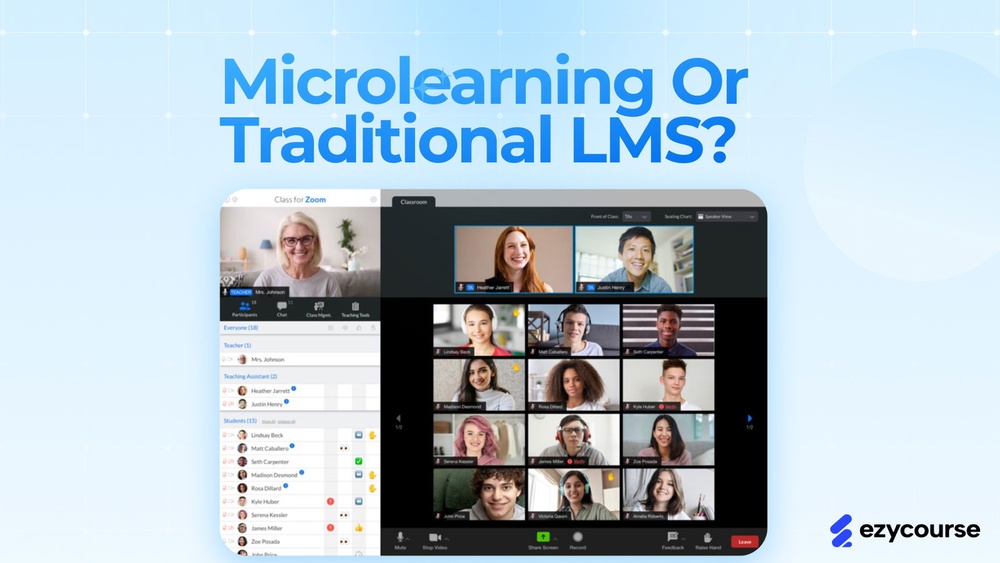
Are you a course creator trying to decide between using a Learning Management System (LMS) or sticking with traditional online classes? Choosing the right approach can make or break your success.
You want a method that not only fits your teaching style but also keeps your students engaged and eager to learn. But which one truly delivers better results? In this post, you’ll discover the key differences, benefits, and challenges of LMS platforms versus traditional online classes.
By the end, you’ll have a clear idea of which option works best for your courses—and how to boost your students’ experience and your own growth. Keep reading to make the smartest choice for your course creation journey.

Credit: ezycourse.com
Choosing between a Learning Management System (LMS) and traditional online classes is important for course creators. Both have their strengths and serve different needs. Understanding their differences helps creators pick the best way to deliver content effectively. This section compares LMS and traditional online classes in key areas.
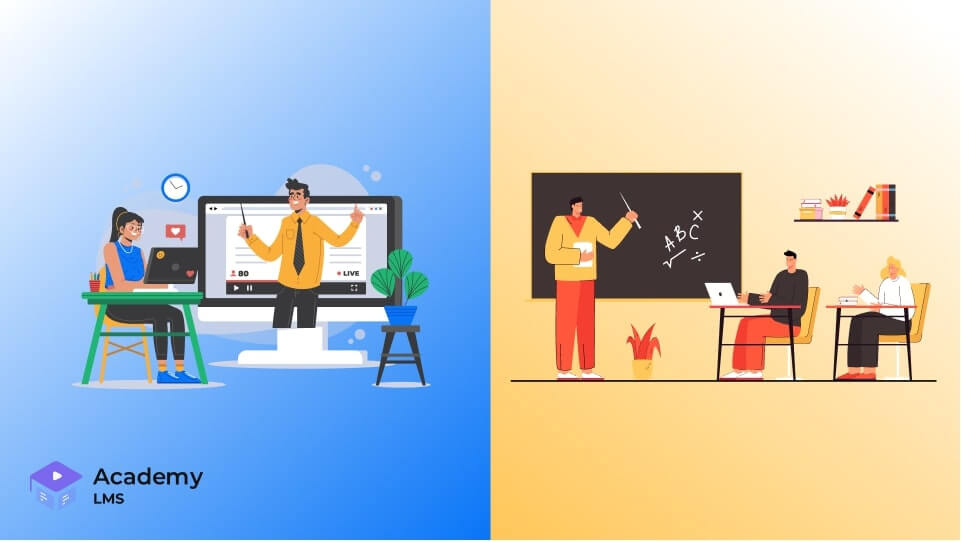
An LMS offers a centralized platform for course creation, delivery, and tracking. It supports quizzes, certificates, and progress reports. Traditional online classes often use video calls or webinars without built-in tools for tracking or assessments. LMS platforms automate many tasks, saving time for course creators. Traditional classes rely more on manual management and external tools.
LMS delivers content through structured modules, allowing learners to progress at their own pace. It supports videos, PDFs, and interactive activities in one place. Traditional online classes usually happen live with scheduled sessions. They depend on real-time interaction but may lack flexibility. LMS content is accessible anytime, which benefits learners with busy schedules.
Traditional online classes offer direct, live interaction through video chats and Q&A. This creates instant engagement and personal connection. LMS platforms include discussion forums, messaging, and quizzes to boost interaction. While not live, these tools encourage ongoing learner participation. Course creators can use LMS data to improve engagement and tailor content.
Credit: academylms.net
Course creators benefit in many ways from both LMS and traditional online classes. Choosing the right method impacts how easily creators can build, share, and earn from their courses. Understanding these benefits helps creators pick the best option for their goals.
Each approach offers unique advantages that affect content management, audience growth, and income potential. These factors play a key role in a course creator’s success.
LMS platforms allow creators to update and change content quickly. This flexibility helps keep courses relevant and engaging. Creators can add videos, quizzes, and interactive elements easily. Traditional online classes often follow a fixed schedule with less chance to adjust material. LMS gives creators control over course design and pacing. This freedom lets them tailor learning experiences to student needs.
LMS systems support a global audience without location limits. Creators can reach more learners through online marketing and social sharing. Traditional classes usually have limited seats and local reach. LMS platforms offer tools to track student progress and engagement worldwide. This helps creators understand their audience better and improve courses. Expanding reach increases chances for course growth and success.
LMS platforms provide many ways to earn money from courses. Creators can sell courses directly, offer subscriptions, or create membership sites. They can also bundle courses or provide certificates for extra fees. Traditional online classes often rely on one-time payments or fixed pricing. LMS supports flexible pricing models to suit different learner budgets. Multiple monetization methods help creators build steady income streams.
Course creators face many challenges in both LMS and traditional online classes. These hurdles can affect how smoothly courses run and how students engage. Understanding these challenges helps creators choose the right method for their needs.
Technical problems often disrupt online learning. LMS platforms can have bugs or slow loading times. Students might struggle with internet speed or device compatibility. Traditional online classes rely on video calls, which can freeze or drop. These interruptions cause frustration and lost learning time. Course creators must prepare backup plans and offer clear tech support.
Keeping students motivated is tough in both formats. Without face-to-face interaction, learners may feel isolated. Many students lose focus or drop out. LMS courses need engaging content to hold interest. Traditional online classes require active participation, which some avoid. Course creators should include quizzes, reminders, and interactive tasks to boost motivation.
Managing courses online involves many tasks. LMS systems help organize content but need constant updates and monitoring. Traditional classes require scheduling live sessions and tracking attendance manually. Handling assignments, feedback, and grades can become complex. Course creators must use tools that simplify these tasks and keep everything running smoothly.
Choosing the right platform is key for course creators. It affects how your content reaches learners and how easily you manage courses. Picking a suitable platform can save time and improve student engagement.
Course creators face two main options: Learning Management Systems (LMS) or traditional online class tools. Each offers different features, costs, and ease of use. Understanding these differences helps you pick the best fit for your teaching style and goals.
Learning Management Systems are designed specifically for education. Platforms like Moodle, Teachable, and Thinkific provide tools for creating, delivering, and tracking courses. They often include quizzes, certificates, and progress tracking. These features support a structured learning experience.
LMS platforms also allow easy integration with payment systems and marketing tools. Many offer customization options to match your brand. Their design targets course creators who want control and detailed management.
Traditional tools include video conferencing apps like Zoom or Google Meet. These are simple for live sessions and direct interaction. They lack built-in course management features but work well for real-time classes.
Other tools like YouTube or Facebook groups host recorded lessons or discussions. These options are often free or low-cost but require extra work to organize content and monitor progress. They suit creators focusing on community and live engagement.
Think about your course content and audience needs first. Structured courses with tests and certificates fit LMS platforms better. For interactive or live teaching, traditional tools may work well.
Consider your technical skills and budget. LMS platforms may need some learning and investment. Traditional tools are easier but less feature-rich.
Also, check how each platform supports marketing and payment. This helps attract and manage students smoothly. Finally, choose a platform that grows with your course and future plans.
Maximizing course success is essential for every course creator. Choosing between LMS and traditional online classes affects how well students learn and stay engaged. Success depends on clear content, smart marketing, and ongoing improvement. These factors help build a strong course that meets learners’ needs and stands out in the market.
Design content that is easy to follow and visually clear. Break lessons into short, focused segments. Use simple language and examples to explain ideas. Add quizzes or activities to help learners practice. Interactive content keeps students interested and improves understanding. Structure courses logically so learners build skills step by step.
Promote courses using the right channels for your audience. Use social media and email marketing to reach potential students. Share clear benefits and outcomes of the course. Offer free previews or samples to attract interest. Use testimonials and reviews to build trust. Regular updates and reminders keep learners engaged and encourage sign-ups.
Collect feedback from learners after each module or course. Use surveys and ratings to find what works and what does not. Listen to suggestions and fix problems quickly. Update content regularly to keep it relevant and fresh. Continuous improvement helps maintain course quality and learner satisfaction. Happy students often recommend courses to others.
Credit: www.learnworlds.com
Online courses offer flexibility and personalized pacing, enhancing learning effectiveness for many. Traditional classrooms provide direct interaction and structured environments. Effectiveness depends on individual learning styles, course quality, and engagement methods rather than the format alone.
Choose a profitable topic and understand your audience’s needs. Outline clear learning outcomes and select engaging formats. Use a reliable platform to create and host quality content. Set a price, market your course effectively, launch it, and gather feedback to improve continuously.
The best platform for course creators on Reddit often cited includes Teachable, Thinkific, and Kajabi. These offer easy course creation, marketing tools, and student management. Many users prefer platforms with built-in analytics and customizable design to enhance engagement and sales.
The best learning platform offers user-friendly course creation, interactive content, and reliable support. Popular options include Absorb LMS, Udemy, and Coursera. Choose one that matches your teaching style, audience needs, and technical skills for effective online learning.
Choosing between LMS and traditional online classes depends on your needs. LMS offers easy course management and tracking. Traditional classes can provide direct interaction and flexibility. Course creators must weigh convenience, control, and learner engagement. Both methods have strengths that suit different teaching styles.
Testing each option helps find the best fit. Focus on what helps your students learn well. Success comes from clear content and consistent delivery. Keep improving based on feedback for better results.





Leave A Reply Now