



When it comes to choosing enterprise software, you can’t afford to overlook security and compliance. These two factors aren’t just technical checkboxes—they directly impact your company’s safety, reputation, and bottom line.
Imagine the risks if sensitive data falls into the wrong hands or if your software fails to meet industry regulations. How would that affect your business operations, customer trust, or even legal standing? Understanding the role of security and compliance in your software decisions helps you protect what matters most and avoid costly mistakes.
Keep reading to discover why these elements are crucial and how they can guide you to smarter, safer choices for your enterprise.
Security in enterprise software is critical for protecting business operations. It safeguards valuable information and supports trust among stakeholders. Enterprises face complex threats that require strong security solutions. Without proper security, companies risk data breaches and financial losses.
Enterprise software must include robust security features. These features help prevent unauthorized access and ensure data integrity. Security decisions influence software selection and deployment strategies. Leaders prioritize security to maintain compliance and protect their reputation.
Security measures prevent cyberattacks and unauthorized access. They reduce risks that can disrupt business activities. Enterprises handle sensitive data that require strict protection. Implementing security controls builds a secure environment. These measures also help meet legal and industry standards.
Data is a valuable asset for any enterprise. Protecting sensitive data avoids financial and reputational damage. Encryption, access controls, and regular audits are essential practices. Enterprises must secure customer, employee, and financial information. Data protection creates trust and supports compliance requirements.
Modern security technologies enhance enterprise software protection. Firewalls, intrusion detection, and multi-factor authentication are common tools. Regular software updates fix vulnerabilities and improve defenses. Security practices include employee training and incident response plans. Together, technology and practices form a strong defense system.
Compliance requirements shape enterprise software choices. Organizations must meet legal and industry rules. This ensures safe handling of data and protects company reputation.
Software must support these rules effectively. Failure to comply risks fines and operational disruption. Clear understanding of compliance is crucial in software decisions.
Regulatory standards set mandatory rules for businesses. Examples include GDPR for data privacy and HIPAA for healthcare. Software must help companies follow these laws.
Meeting these standards reduces legal risks. It also builds trust with customers and partners. Enterprise software must provide tools to track and report compliance.
Different industries have unique compliance needs. Finance, healthcare, and manufacturing each follow specific rules. Software tailored to these guidelines improves compliance efforts.
Industry rules cover data security, reporting, and audits. Software that understands these rules simplifies compliance. This lowers the chance of costly mistakes.
Policies change often due to new laws or risks. Software must support easy updates to policies. This keeps compliance current and effective.
Good policy management tools track changes and notify users. They ensure all employees follow the latest rules. This reduces gaps in compliance and improves security.
Security and compliance are both crucial in enterprise software decisions. They often seem similar but serve different purposes. Security focuses on protecting data and systems from threats. Compliance ensures that businesses follow laws and regulations. Understanding their differences helps companies make smarter software choices.
Security protects against cyberattacks and data breaches. It uses tools like firewalls, encryption, and access controls. Compliance involves meeting standards set by laws and industry rules. These can include GDPR, HIPAA, or PCI DSS.
Security and compliance overlap but are not the same. A system can be secure but not compliant if it breaks rules. Compliance helps guide security efforts by defining minimum requirements. Together, they create a safer and more trustworthy environment.
Security reduces risks by preventing unauthorized access and data loss. It focuses on detecting and stopping threats quickly. Compliance reduces risks by ensuring legal standards are met.
Enterprises use risk assessments to find vulnerabilities. Security controls are then put in place to fix weak points. Compliance audits check that rules are followed consistently. Combining both strategies lowers the chance of financial loss and data damage.
Non-compliance can lead to heavy fines and legal troubles. It can also damage a company’s reputation with customers and partners. Security breaches can cause data leaks and service outages. These incidents hurt trust and may result in loss of business.
Strong security and compliance protect a company’s image. They build confidence among users and stakeholders. This makes it easier to grow and compete in the market.
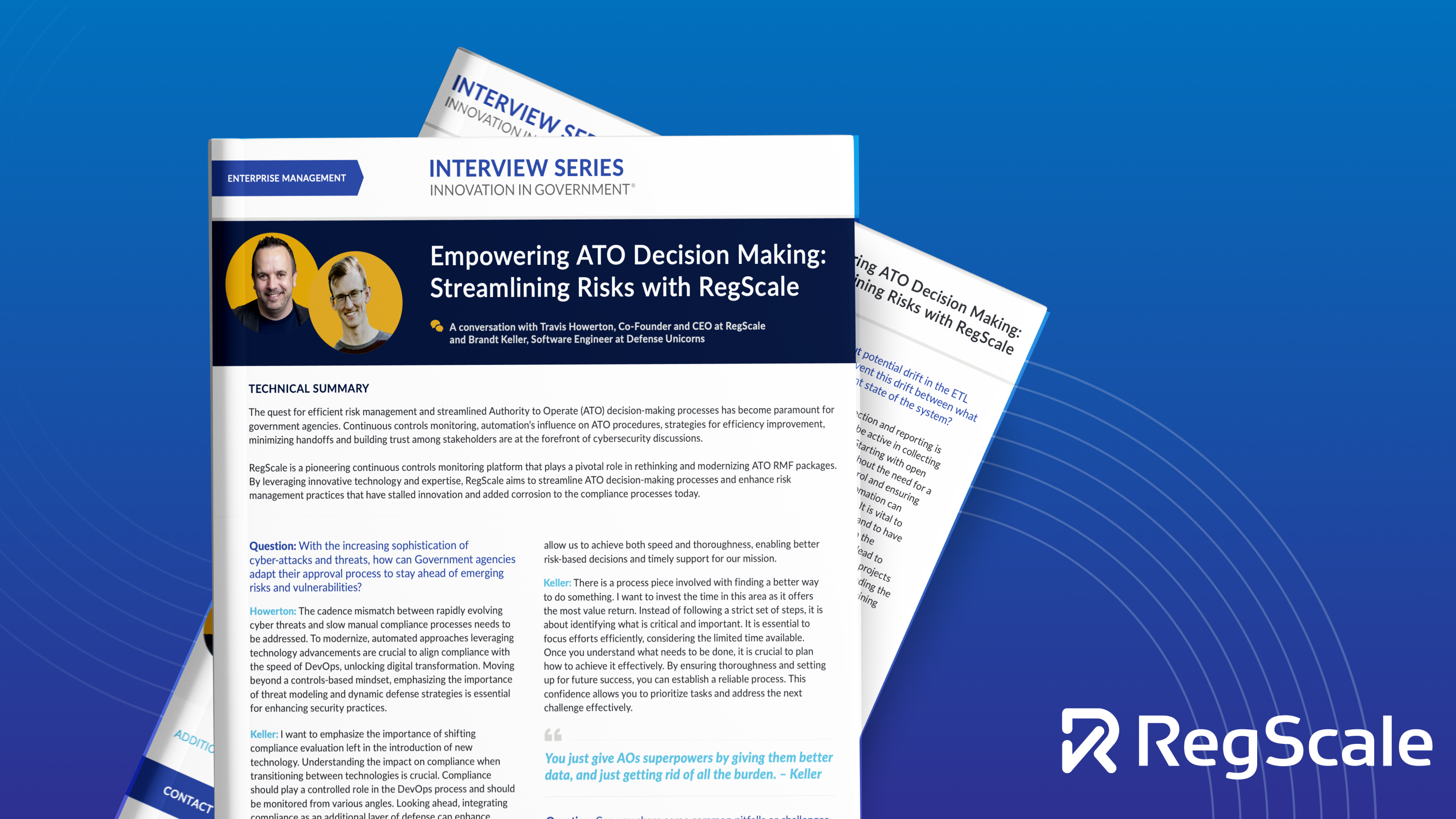
Credit: regscale.com
Integrating security and compliance is vital in enterprise software decisions. It creates a strong defense against data breaches and legal issues. Enterprises must blend security practices with compliance rules seamlessly. This integration ensures software aligns with industry standards and protects sensitive data effectively.
Unified frameworks combine security and compliance requirements into one system. They simplify the management of policies and controls. Enterprises benefit from clear guidelines and consistent enforcement. Unified frameworks reduce gaps between security measures and compliance rules. This approach helps teams work together and avoid duplication of effort.
Automated tools speed up compliance checks and reporting. They scan software for vulnerabilities and policy violations continuously. Automation reduces human errors and saves time. These tools generate reports needed for audits with ease. Enterprises can quickly identify and fix compliance issues before they escalate.
Continuous monitoring tracks security and compliance status in real time. It detects threats and non-compliance as they occur. Enterprises can respond faster to potential risks. This ongoing process helps maintain a secure and compliant environment. Continuous monitoring supports regular updates and improvements to policies and defenses.
Enterprise security faces many challenges that impact software decisions. Protecting sensitive data and systems is not simple. Organizations must address rising threats, complex environments, and budget limits. These challenges shape how enterprises select and manage software solutions.
Cyber threats grow more advanced every day. Attackers use new methods to bypass defenses. Ransomware, phishing, and insider threats increase risks. Enterprises must stay alert to these changes. Software choices must include strong, updated security features. The ability to respond quickly to new threats is essential.
Enterprise systems often include many parts and platforms. Integrating legacy software with new tools creates gaps. These gaps can lead to vulnerabilities. Managing security across diverse environments is difficult. Software must support seamless security across all systems. Simplifying security management helps reduce errors and risks.
Security measures require skilled staff and budgets. Many enterprises struggle to find enough resources. High costs can limit the tools and solutions available. Balancing security needs with costs is a constant challenge. Software decisions must consider long-term value and efficiency. Choosing scalable, cost-effective options supports stronger security.
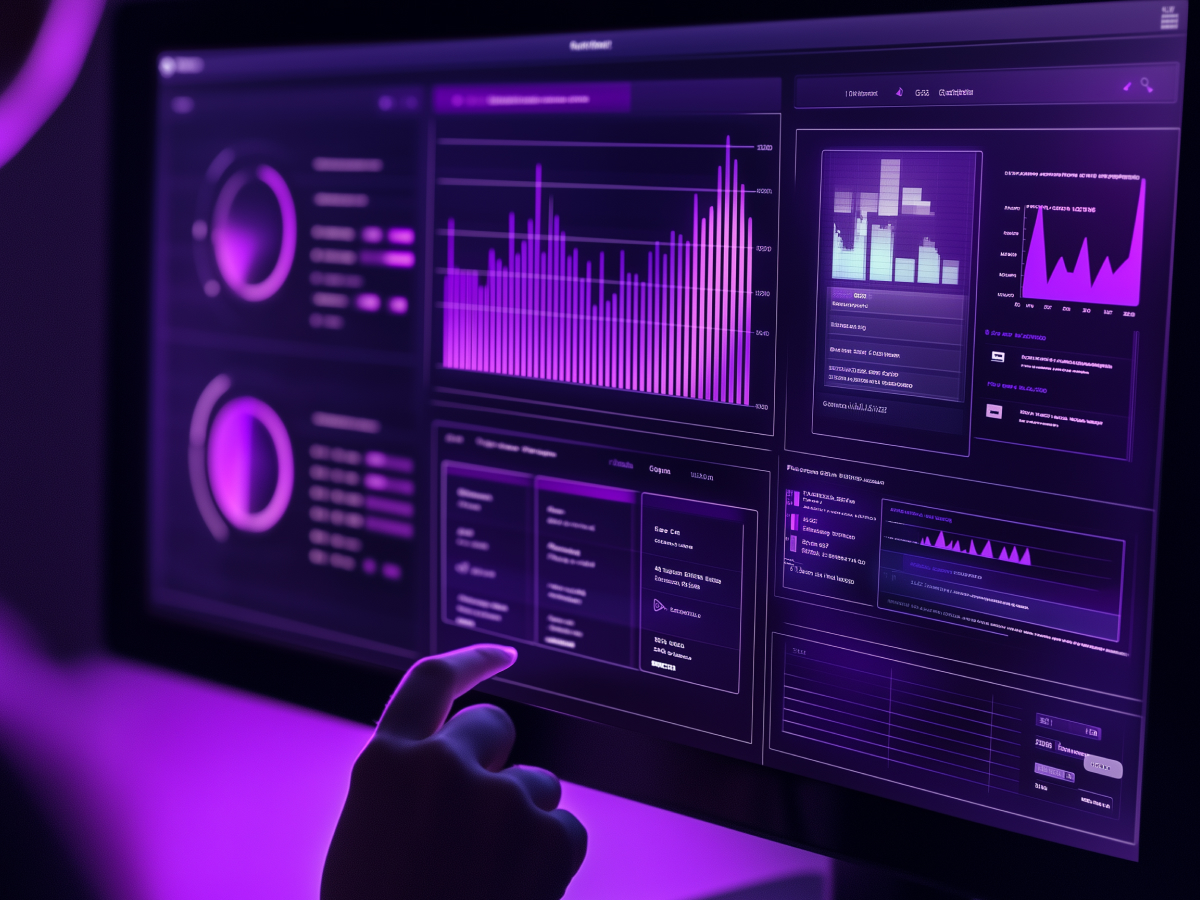
Credit: www.okoone.com
Decision makers in enterprises face many challenges choosing software. Security and compliance remain top priorities for protecting data and meeting regulations. Following best practices helps leaders select solutions that reduce risk and support business goals.
Clear steps guide decision makers to evaluate options carefully. This process ensures the software meets both security standards and compliance requirements. It also helps avoid costly mistakes and strengthens the company’s defenses.
Start by checking the software’s security capabilities. Look for strong data encryption to protect information. Verify if the system uses multi-factor authentication to control access. Assess how the software handles data backups and recovery. Confirm it has tools to detect and respond to threats quickly. Prioritize solutions that receive regular security updates. The goal is to reduce vulnerabilities and prevent breaches.
Identify which regulations apply to your industry and region. Confirm the software supports these compliance requirements clearly. Check if it provides audit trails for tracking activities. Ensure it helps maintain data privacy according to laws like GDPR or HIPAA. Look for features that simplify reporting and documentation. The software should assist in meeting legal obligations without extra effort.
Evaluate the vendor’s reputation and history in security. Review customer feedback and case studies for real-world results. Confirm the vendor offers ongoing support and training. Compare pricing models to find the best value for your needs. Consider how well the solution integrates with existing systems. Select software that fits your company’s size, goals, and future growth plans.
Enterprise software decisions must adapt to fast-changing security and compliance landscapes. Future trends will shape how businesses protect data and meet regulations. Staying aware of these changes helps organizations choose the right software solutions.
AI and machine learning improve threat detection and response speed. These technologies analyze vast data sets to spot unusual activity. They help reduce false alarms and prevent breaches early. Enterprises will rely more on AI to strengthen security defenses.
Governments update data privacy and security laws often. Companies must follow new rules to avoid penalties and reputational harm. Future regulations will focus on data protection and user rights. Enterprise software must be flexible to comply with evolving standards.
New technologies like blockchain and edge computing affect security strategies. Blockchain offers enhanced data integrity and transparency. Edge computing requires securing data closer to its source. These innovations will influence software choices and compliance approaches.

Credit: sam-solutions.com
Security in ERP systems protects sensitive data, ensures system integrity, prevents unauthorized access, and supports regulatory compliance. It maintains business continuity and safeguards financial and personal information from breaches.
Security in IT protects data, systems, and networks from threats. Compliance ensures adherence to laws, regulations, and industry standards. Together, they reduce risks, safeguard sensitive information, and maintain organizational integrity. Effective security and compliance support business continuity and legal accountability in the IT industry.
The 5 C’s in security are: Confidentiality, Integrity, Availability, Compliance, and Continuity. They protect data and ensure system reliability.
The 5 key areas of compliance are change management, cost control, regulatory adherence, coverage of policies, and business continuity planning. These areas ensure risk reduction, legal compliance, full protection, and operational resilience.
Security and compliance shape strong enterprise software choices. They protect data and build trust with customers. Ignoring these factors risks costly breaches and legal trouble. Enterprises benefit from clear policies and regular updates. Staying aware of laws and threats keeps systems safe.
Prioritizing security and compliance supports long-term business success. Smart software decisions depend on these key elements.






Leave A Reply Now