



You’ve built a solid SaaS product, and now it’s time to grow. But how do you scale your SaaS efficiently without burning through your resources or losing control?
Scaling isn’t just about adding more users or servers—it’s about smart decisions that keep your growth steady and sustainable. You’ll discover practical strategies to expand your SaaS business, avoid common pitfalls, and make every move count. Ready to unlock the secrets to scaling your SaaS the right way?
Let’s dive in.
Scaling a SaaS business requires focus on specific growth levers. These levers help you expand sustainably and efficiently. Understanding them guides your decisions and resource allocation. Each lever plays a crucial role in boosting growth and customer satisfaction.
Choosing the right target market is vital. Focus on markets with real demand for your solution. Research customer needs and pain points carefully. Narrowing your audience helps tailor marketing and product features. It also improves conversion rates and customer loyalty.
Product-market fit means your product meets market needs well. Validate your product solves significant problems for your customers. Collect feedback and adjust features based on user input. A strong fit reduces churn and increases referrals. Keep improving until customers rely on your product.
Identify channels that bring consistent and quality leads. Test various channels like SEO, paid ads, and partnerships. Track the cost and return on investment for each channel. Focus on channels that scale efficiently without overspending. Optimize messaging and targeting to maximize customer acquisition.
Optimizing onboarding plays a key role in scaling a SaaS business efficiently. A smooth onboarding process helps users quickly understand your product. This reduces churn and boosts customer satisfaction. Efficient onboarding saves time and resources, allowing your team to focus on growth and innovation.
Clear, simple onboarding steps improve user retention. The faster users find value, the more likely they stay long-term. Let’s explore ways to optimize onboarding for scalable success.
Simplify the first interaction with your product. Remove unnecessary steps that delay user progress. Use intuitive design to guide users naturally. Clear instructions and minimal clicks reduce confusion and frustration. A clean interface helps users focus on key features. Fast loading times also improve the experience. Streamlined onboarding makes users feel confident and engaged.
Automated tutorials provide step-by-step guidance without manual help. Interactive walkthroughs show users how to use features effectively. These tutorials save support time and keep onboarding consistent. Use short videos or tooltips that appear at the right moment. Let users control the pace to avoid overwhelming them. Automated tutorials help users learn quickly and independently.
Link onboarding with your customer success team. Early check-ins identify user challenges and questions. Proactive support reduces drop-offs and builds trust. Customer success teams can tailor guidance based on user data. Personalized help improves satisfaction and loyalty. This integration turns onboarding into a relationship-building process. It strengthens the foundation for long-term growth.
Scaling infrastructure is a crucial step in growing your SaaS business. It ensures your platform can handle more users without performance drops. Proper infrastructure scaling keeps your service fast and reliable as demand grows.
This process involves managing resources efficiently, controlling errors, and maintaining system health. Smart scaling reduces costs and improves user experience. Focus on automation and monitoring for smooth scaling.
Auto-scaling adjusts computing resources based on current demand. It adds or removes servers automatically to match user traffic. This keeps your service responsive and avoids wasteful spending.
Cloud providers offer tools for auto-scaling, making it easy to implement. Set clear rules to trigger scaling actions, like CPU usage or request rates. Auto-scaling helps your SaaS stay stable during traffic spikes.
Error budgeting sets a limit on acceptable system failures. It balances innovation speed with system reliability. Teams can release new features without risking too many errors.
Track downtime and errors to measure your error budget. Use this data to decide when to slow down releases or fix bugs. Error budgeting promotes a healthy trade-off between growth and stability.
Monitoring tracks system performance and alerts teams to issues early. Use tools that check uptime, response times, and error rates continuously. Early detection helps prevent outages and reduces downtime.
Have recovery plans ready for quick fixes. Automated recovery processes restore services fast after failures. Effective monitoring and recovery maintain user trust and keep your SaaS running smoothly.
Pricing and monetization play a key role in scaling a SaaS business efficiently. Setting the right prices and offering clear value can attract more customers and increase revenue. It also helps retain users by matching their needs with suitable plans. Choosing an effective pricing strategy supports sustainable growth and maximizes profit.
Tiered pricing offers multiple packages at different price points. Each tier includes a set of features designed for various customer needs. This model attracts small startups and large enterprises alike. It gives users a clear path to upgrade as their requirements grow. Tiered pricing simplifies buying decisions by showing clear value differences.
Value-based pricing charges customers based on the value they get. It focuses on the benefits rather than just costs. This approach aligns price with customer success and satisfaction. Companies can charge more for features that solve critical problems. Understanding customer pain points is essential to set the right price.
Upselling encourages customers to buy higher-tier plans or add-ons. Cross-selling offers complementary products or services. Both tactics increase revenue from existing customers without extra acquisition costs. Clear communication about benefits helps customers see the value. These strategies boost lifetime customer value and support steady growth.
Retention strategies play a vital role in scaling a SaaS business efficiently. Holding onto existing customers costs less than acquiring new ones. Strong retention means steady revenue and better growth. Focus on keeping users happy and engaged with your product. Use data-driven methods to improve customer loyalty.
Churn reduction is key to SaaS scaling. Identify why customers leave early. Common reasons include poor onboarding and lack of value. Fix these issues quickly to lower churn rates. Offer timely support and clear guidance. Make your product indispensable to users. Track churn monthly and act on trends. Small improvements can keep many customers longer.
Measure how customers use your SaaS product. Track metrics like daily active users and session length. High engagement signals satisfaction and retention. Low engagement warns of churn risk. Use analytics tools to gather data. Adjust product features based on user behavior. Engage customers with personalized content and offers. Regular monitoring helps catch problems early.
Collect user feedback regularly to improve your SaaS. Use surveys, interviews, and in-app prompts. Listen to both praise and complaints. Prioritize changes that boost user experience. Close the loop by showing customers their input matters. Acting on feedback builds trust and loyalty. Continuous improvement keeps your product relevant and valued.
Aligning sales and marketing teams is essential for scaling a SaaS business efficiently. When both teams work together, they create a smoother customer journey and higher conversion rates. This alignment reduces wasted effort and improves communication. It helps turn leads into paying customers faster.
Lead qualification ensures sales focus on the best prospects. Marketing should provide clear criteria to identify high-quality leads. Sales teams then prioritize these leads to improve efficiency. This process saves time and increases the chance of closing deals. Both teams must agree on what makes a lead qualified.
Content marketing attracts and educates potential customers. Marketing creates content that answers common questions and solves problems. Sales can use this content to support their conversations. Sharing relevant content builds trust and moves prospects closer to purchase. Coordinated content strategies boost lead generation and sales success.
Sales automation tools help teams manage leads and follow-ups. Automation reduces manual tasks like data entry and email sending. It allows sales reps to focus on building relationships. Marketing can set up automated campaigns to nurture leads over time. Automation improves response speed and keeps prospects engaged.
Tracking financial metrics is crucial for scaling a SaaS business efficiently. These numbers show how well your company grows and stays profitable. Monitoring the right metrics helps in making smart decisions and managing resources wisely.
Focus on metrics that measure customer costs, revenue, and profit margins. These give a clear picture of your business health. Understanding these will guide you to scale with control and confidence.
Customer Acquisition Cost (CAC) shows how much you spend to get one new customer. It includes marketing and sales expenses. Keeping CAC low means you attract customers without overspending. Compare CAC with revenue to ensure growth stays profitable.
Lifetime Value (LTV) estimates the total revenue from a customer during their relationship with your company. A high LTV means customers stay and spend more. Track LTV to know the true value of your clients. The goal is to have LTV higher than CAC for sustainable growth.
Gross margins reveal the profit after subtracting the cost of delivering your service. High gross margins allow investment in product development and marketing. Monitor margins regularly to keep costs low and profits high. This metric ensures your SaaS business stays financially healthy as it scales.

Credit: www.cgsinc.com
Team growth and culture form the backbone of scaling a SaaS business. A strong team with the right culture drives innovation and execution. It supports rapid growth and adapts to change. Building the right team culture ensures everyone moves toward the same goals.
Focus on hiring smartly, keeping the team agile, and developing leaders internally. These elements create a sustainable growth path for your SaaS company.
Hire people who fit your company’s culture and values. Look for candidates with skills that match current and future needs. Focus on potential, not just experience. Create clear job descriptions and set expectations early. Use structured interviews to find the best match. Hiring the right people reduces turnover and builds a strong foundation.
Keep the team flexible and open to change. Encourage quick decision-making and problem-solving. Use small teams to work on projects fast and efficiently. Avoid heavy processes that slow down progress. Promote open communication so ideas flow freely. Agility helps your SaaS adapt to market shifts and customer needs.
Develop leaders within your team to manage growth challenges. Provide training and mentorship regularly. Encourage leaders to support and inspire their teams. Empower them to make decisions and take responsibility. Strong leadership keeps the team aligned and motivated. It ensures smooth scaling without losing focus.
Timing your scale is crucial for SaaS success. Scaling too early can waste resources. Scaling too late may lose market chances. Knowing when to expand helps keep growth steady and manageable. This section guides you on spotting the right moment to scale efficiently.
Look for clear signs before scaling your SaaS. A steady rise in user numbers often signals readiness. Increased customer engagement shows strong product fit. Revenue growth that is consistent proves market demand. Positive customer feedback and low churn rates matter too. These signals help confirm that your business can handle more growth.
Scaling too soon can drain your budget fast. It may lead to poor customer experience if systems are unprepared. Avoid expanding before product-market fit is solid. Focus on fixing bugs and improving features first. Premature scaling risks damaging your brand and losing customers. Patience ensures your SaaS grows on a strong foundation.
Grow your SaaS in small, manageable steps. Test new features and markets on a small scale first. Monitor results closely and learn from feedback. Adjust your approach before full-scale launch. This method reduces risks and avoids big mistakes. Iterative expansion keeps your scaling efforts flexible and efficient.

Credit: www.youtube.com
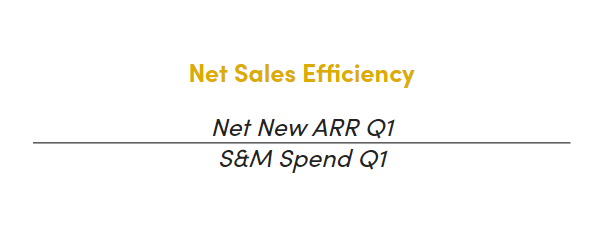
Credit: www.scalevp.com
Focus on metrics like Customer Acquisition Cost, Lifetime Value, churn rate, and Monthly Recurring Revenue. Tracking these helps optimize growth and manage resources effectively during scaling.
Automation streamlines repetitive tasks, reduces errors, and accelerates deployment. It enhances customer experience and allows your team to focus on strategic growth activities.
Scale once you have product-market fit, consistent revenue growth, and scalable processes. Premature scaling can waste resources and harm your business stability.
Retaining customers increases revenue and reduces acquisition costs. High retention signals product value and supports sustainable, efficient scaling.
Scaling a SaaS business takes clear focus and steady effort. Start by knowing your customers well and improving your product constantly. Use data to guide your decisions and watch your costs closely. Build a strong team that can grow with your company.
Keep your technology flexible to handle more users smoothly. Small, smart steps lead to lasting success. Stay patient and adapt as you grow. Efficient scaling is about balance, not speed alone.






Leave A Reply Now