



You want your business to stand out, right? That’s where branding comes in.
But branding isn’t just about picking a catchy name or designing a cool logo. It’s about creating a whole identity that speaks directly to your audience and makes them remember you. When your name, logo, and brand identity work together perfectly, they build trust and make your business unforgettable.
Ready to learn how to craft a brand that truly connects and grows your success? Let’s dive into the essentials of Branding 101: Name, Logo, and Brand Identity.
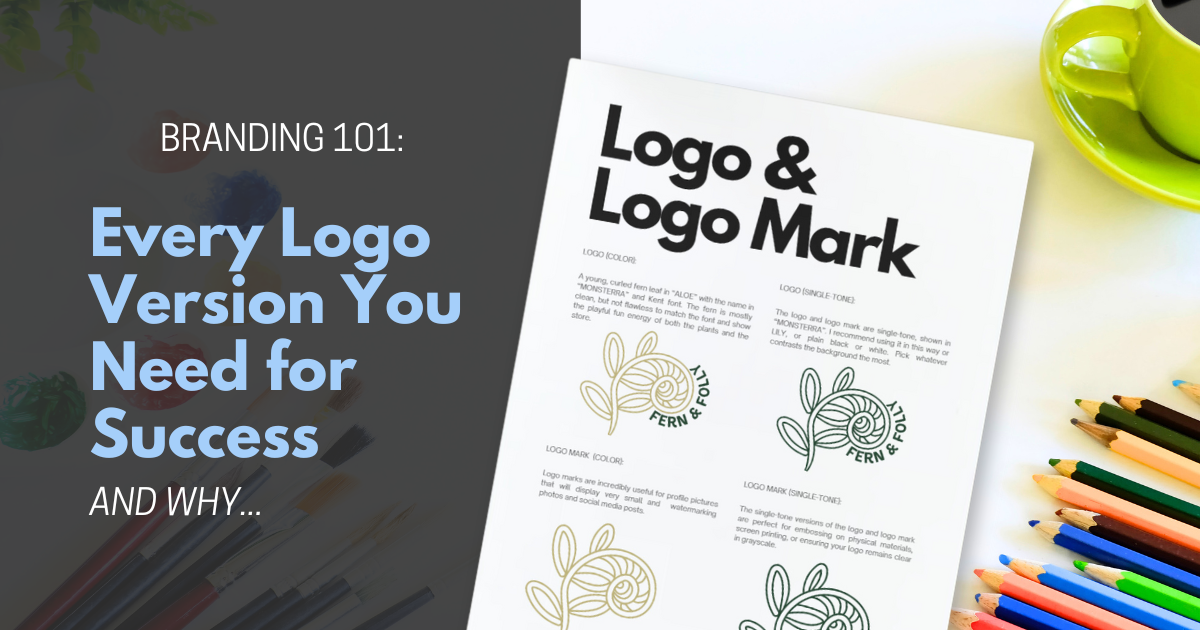
Credit: www.trbranddesign.com
Understanding brand basics is essential for any business. A strong brand builds trust and makes a lasting impression. It starts with simple elements but grows into a complex identity. These basics shape how customers see and remember your business.
The brand name is the first step in building identity. It should be clear, easy to say, and memorable. A good name reflects what the business offers. It creates a connection and sets the tone for all branding efforts.
A logo is the visual symbol of a brand. It helps people recognize the business quickly. Logos use colors, shapes, and fonts to show personality. A strong logo works well on all platforms and sizes. It supports the name and strengthens brand recall.
Brand identity includes more than just name and logo. It involves colors, fonts, and tone of voice. Consistency in these elements builds trust and loyalty. It shapes the customer’s experience and creates a unique presence in the market.
Crafting a strong brand identity shapes how people see your business. It goes beyond just a name and logo. Brand identity includes all visual and verbal elements that express your brand’s personality. It sets your business apart and builds trust with your audience.
Visual elements create the first impression of your brand. These include your logo, color palette, typography, and imagery style. Consistent use of these elements makes your brand recognizable. Choose colors and fonts that match your brand’s message and values. A unique logo helps your brand stand out and stay memorable.
Brand personality gives life to your business. It reflects human traits like friendliness, professionalism, or creativity. This personality guides how your brand behaves and interacts with customers. Define clear traits to create a consistent experience. A strong personality makes your brand relatable and trustworthy.
Your brand voice is the way your brand speaks. It should match your brand personality and appeal to your audience. Tone changes depending on the situation but stays within your voice style. Use simple, clear language to connect with your customers. Consistent voice and tone build strong relationships and loyalty.
Designing a memorable logo is a key step in building a strong brand identity. A logo acts as the face of your business and creates the first impression. A good logo stays in the mind and clearly represents what your brand stands for. It should be simple, unique, and adaptable across various uses. Thoughtful design choices can make your logo not only attractive but also effective in communicating your brand’s message.
A simple logo is easier to remember and recognize. Avoid clutter and complex details that confuse the viewer. Unique logos stand out from competitors and give your brand its own voice. Use shapes and symbols that relate directly to your brand’s values and story. Simplicity combined with uniqueness makes your logo timeless and impactful.
Colors influence emotions and perceptions. Choose a color palette that matches your brand personality. Use colors that attract your target audience and convey your message clearly. Limit the number of colors to maintain a clean and professional look. Consistent color use across all branding materials strengthens brand recognition.
Your logo must look good at any size, from business cards to billboards. Test the logo in black and white and on different backgrounds. A versatile logo adapts well across digital and print media. Ensure details remain clear and the logo remains strong whether large or small. Scalability and versatility make your logo practical and reliable.
Choosing the right brand name sets the foundation for your business identity. It shapes how customers see your brand and how they remember it. A good name should be simple, clear, and meaningful. This section covers key points to consider when picking a brand name.
A memorable name sticks in the mind and makes your brand easy to recall. Choose words that are short and catchy. Avoid complex or hard-to-spell names. The name must also relate to your products or services. It should reflect what your brand stands for or offers. This connection helps customers understand your business quickly.
Check trademark databases before finalizing your name. Make sure no one else owns or uses the name. Register your brand name to protect it legally. Also, verify the availability of domain names and social media handles. This step prevents future legal issues and branding conflicts.
Consider how your brand name sounds in different languages and cultures. Avoid words that might offend or confuse people. Research cultural meanings or slang that could harm your brand image. A culturally sensitive name helps you reach a wider audience without problems.
Building brand consistency is key to making your brand memorable and trusted. It ensures your audience quickly recognizes your brand wherever they see it. Consistency builds confidence and loyalty over time. Every detail, from colors to tone, should align perfectly. This section explains how to keep your brand consistent across all elements and channels.
Visuals create the first impression of your brand. Use the same color palette and fonts everywhere. Your logo should appear in the same style and size on all platforms. Consistent visuals help your audience recognize you immediately. Avoid changing design elements often to keep a steady look.
Your brand message tells your story and values. Use simple and clear language that matches your brand’s personality. Repeat key phrases and ideas in all content. This builds a strong, clear voice. Consistent messaging helps your audience understand and remember your brand.
Every interaction shapes how people see your brand. Make sure your website, social media, emails, and customer service feel connected. The tone, look, and quality should match at each point. A smooth and unified experience builds trust and encourages repeat customers.
Building a strong brand starts with a clear strategy. Brand strategy guides every decision about your name, logo, and identity. It defines how your brand connects with people and stands out in the market.
Without a solid strategy, your brand may seem confusing or forgettable. A good strategy focuses on key elements that shape your brand’s story and future.
Knowing your target audience is crucial. Your brand must speak directly to the people you want to reach. Understand their needs, preferences, and behaviors. Tailor your message and visuals to match their expectations. This helps build trust and loyalty over time.
Positioning shows how your brand fits in the market. It answers why customers should choose you over others. Differentiation highlights what makes your brand unique. This can be your product quality, customer service, or values. Clear positioning helps your brand stand out and be memorable.
Your brand strategy should include a long-term vision. Think about where you want your brand to be in five or ten years. This vision guides your branding decisions and growth plans. It keeps your brand consistent and focused on future goals.
Measuring brand impact is crucial for understanding how your branding efforts affect your audience and business growth. It goes beyond just tracking sales or website visits. Brand impact reveals how customers see your brand and how deeply they connect with it. This insight guides decisions to improve your brand’s strength and relevance in the market.
Customer perception shows how people view your brand. Surveys and feedback help gather these insights. Positive perception means your brand is trusted and liked. Negative views highlight areas needing change. Monitoring social media mentions also reveals what customers say. Clear understanding of perception helps shape better branding strategies.
Brand loyalty measures how often customers choose your brand over others. Repeat purchases and subscription renewals are key indicators. Tracking customer retention rates gives clues about loyalty levels. High loyalty means customers value your brand’s promise. Loyal customers often recommend your brand to others, boosting growth.
Brands must adapt to stay relevant. Use data from perception and loyalty to guide changes. Update logos, messaging, or products based on customer feedback. Evolution keeps your brand fresh and aligned with market needs. Regular review ensures your brand grows stronger over time.

Credit: www.techfunnel.com

Credit: accenttshirts.com
The five pillars of brand identity are logo, color palette, typography, brand voice, and brand message. These elements create a unique and consistent brand image.
The 3-7-27 rule states people remember 3 words, 7 seconds of a message, and 27% of non-verbal communication in branding.
The 7 steps to brand identity are: research your market, define your brand’s mission, design a unique logo, choose a color palette, create a brand voice, develop consistent messaging, and apply your identity across all platforms.
The 7 types of brand names are: descriptive, suggestive, arbitrary, fanciful, compound, acronyms, and founder names. Each type serves unique branding purposes.
A strong brand starts with a clear name and logo. These elements create the first impression. Brand identity goes beyond visuals; it shapes how people feel about your business. Consistency in colors, fonts, and voice builds trust over time. Keep your brand simple and true to its values.
A well-crafted brand helps you stand out and connect with customers. Remember, branding is an ongoing process that grows with your business. Focus on clarity, consistency, and uniqueness to make your brand memorable.







Leave A Reply Now