


Are you confident that your custom solution agency is hitting the mark? Tracking your performance isn’t just about numbers—it’s about understanding what truly drives your success.
But with so many metrics out there, which KPIs should you focus on to get clear, actionable insights? You’ll discover the essential performance indicators tailored specifically for custom solution agencies. By knowing exactly what to measure, you can sharpen your strategies, satisfy your clients better, and boost your agency’s growth.
Keep reading to unlock the key metrics that will transform your business performance.
Essential KPIs help custom solution agencies measure their success clearly. They show how well the agency meets client needs, manages projects, and grows financially. Tracking these KPIs regularly helps agencies improve and stay competitive.
Each key performance indicator focuses on a different area. Some track client happiness, others look at internal work quality. Employee motivation and financial health also need attention. Together, these KPIs give a full picture of agency performance.
Customer satisfaction shows how happy clients are with services. Common metrics include Net Promoter Score (NPS), customer retention rate, and client feedback scores. High satisfaction means clients trust and value the agency’s work. Low scores highlight areas needing improvement.
Efficiency measures how well internal workflows perform. Agencies track project completion time, error rates, and resource use. Faster, error-free processes save costs and improve output quality. Monitoring these KPIs helps reduce delays and boosts team productivity.
Engaged employees work harder and stay longer. Surveys measure job satisfaction, motivation, and team morale. High engagement reduces turnover and improves work quality. Agencies that focus on employee happiness create a better work culture and stronger teams.
Financial KPIs track revenue, profit margins, and cash flow. These indicators reveal the agency’s economic health and growth potential. Keeping costs low and revenue steady ensures long-term stability. Regular financial reviews help agencies plan budgets and investments wisely.
Choosing KPIs that align with your agency’s goals is vital. KPIs must reflect what your agency wants to achieve. Each KPI should track progress toward specific objectives. This ensures your efforts focus on what matters most. It also helps in making data-driven decisions. Clear, relevant KPIs improve performance tracking and growth.
Measure how well your products meet client needs. Track product quality, delivery times, and client satisfaction. Monitor defect rates and feature usage. These metrics show product reliability and user experience. Use this data to improve your solutions and services.
Assess if your pricing strategy supports business goals. Monitor profit margins, price competitiveness, and discount impact. Track customer response to price changes. These measures help balance profit and market demand. Pricing KPIs guide adjustments for better revenue outcomes.
Evaluate how widely your solutions reach target audiences. Track market penetration, channel performance, and delivery efficiency. Measure the speed and cost of getting products to clients. These indicators reveal if your distribution strategy works well. Optimize reach to expand your client base.
Analyze the success of marketing campaigns and promotions. Track lead generation, conversion rates, and campaign ROI. Measure brand awareness and customer engagement. These KPIs show how marketing drives business growth. Use them to refine strategies and improve results.
Tracking client interaction metrics is vital for custom solution agencies. These metrics reveal how clients engage with your team and services. Understanding these interactions helps improve client satisfaction and service quality.
Measuring client interaction KPIs provides clear data. Agencies can spot strengths and areas needing improvement. This focus leads to more efficient communication and better client experiences.
First Contact Resolution (FCR) measures how many client issues are solved in the first interaction. High FCR rates mean clients get quick, effective help. This metric reduces follow-up requests and builds trust with clients.
Response time tracks how fast your team replies to client messages. Faster responses show your agency values client time. Monitoring this KPI helps reduce delays and keeps clients engaged.
Repeat engagement tracks how often clients return for more services. High repeat rates indicate strong client loyalty. This KPI helps agencies identify satisfied clients and maintain lasting relationships.
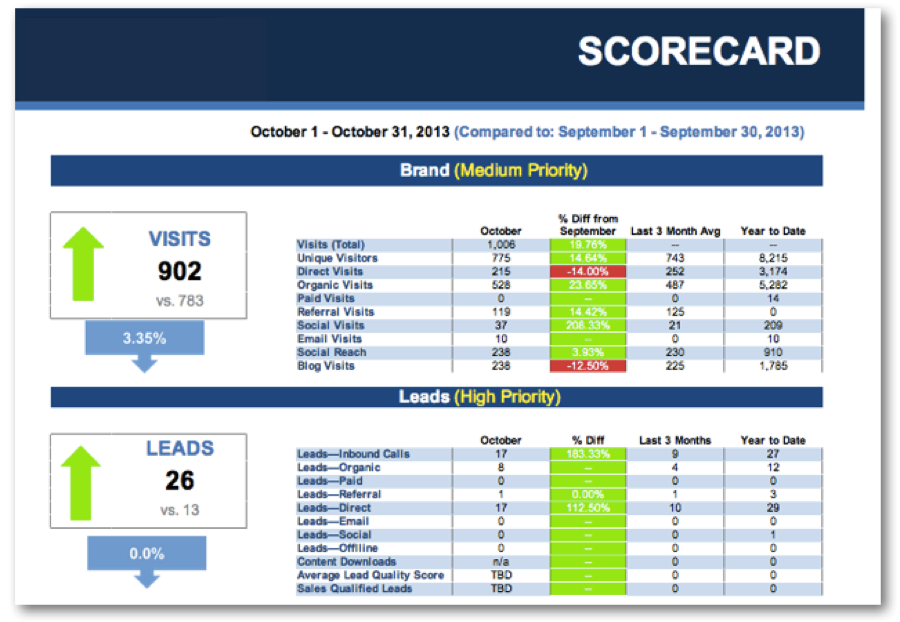
This metric analyzes client interactions across various channels like email, phone, and chat. It shows which channels clients prefer. Agencies can then optimize resources to support these channels better.
Credit: www.onlinemarketinginstitute.org
Implementing custom KPI tracking solutions is vital for agencies creating tailored services. These solutions help measure success accurately and guide decision-making. Custom tracking ensures the right metrics reflect specific business goals. It also improves clarity and focus across teams.
Building a system that fits unique needs requires careful planning. Agencies must align KPIs with their core objectives and client expectations. A flexible tracking approach offers precise insights and supports continuous improvement.
Each agency has different priorities and goals. Custom KPIs must reflect these unique aspects. Focus on metrics that reveal progress toward strategic aims. Avoid generic numbers that do not offer real value. Tailored KPIs help teams understand their impact clearly. This approach drives better performance and client satisfaction.
Data comes from many tools and platforms. Combine these sources to create a full picture. Integration ensures all relevant information feeds into KPI calculations. It reduces manual errors and saves time. Agencies gain a unified view of performance across projects. This comprehensive data supports smarter decisions.
Manual tracking wastes time and risks mistakes. Automated dashboards update KPIs in real time. They display key data visually and simply. Teams access performance reports anytime, anywhere. Automation keeps everyone informed without extra effort. It improves transparency and accountability within the agency.
Real-time KPI tracking allows quick responses to issues. Teams spot trends and problems immediately. It supports faster adjustments to improve outcomes. Instant feedback boosts team motivation and focus. Agencies stay agile and competitive by monitoring live data. This ongoing awareness enhances overall project success.
Using KPIs to drive agency growth creates a clear path for success. Custom solution agencies gain focus by tracking key metrics. These indicators highlight strengths and weaknesses. Agencies learn where to invest effort and resources.
KPIs guide strategies and daily actions. They turn data into meaningful insights. Growth becomes measurable and manageable. Teams stay motivated with clear targets.
Data guides every major decision in the agency. KPIs provide facts, not guesses. Leaders use this data to choose smart actions. This reduces risks and improves outcomes. Decisions based on numbers keep the agency on track.
KPIs spotlight areas needing attention. Agencies can detect weak spots early. This helps fix problems before they grow. Regular tracking reveals trends and shifts. Agencies stay agile by adapting to changes.
KPIs connect daily work to big goals. Teams understand what matters most. This focus improves motivation and productivity. Everyone moves in the same direction. Clear goals reduce confusion and wasted effort.
Campaign results show if strategies work well. KPIs measure reach, engagement, and conversions. Agencies learn which tactics bring results. This helps refine future campaigns. Success measurement drives ongoing improvement.

Credit: www.nice.com
Tracking KPIs is vital for custom solution agencies to measure success. Yet, it comes with several challenges that can slow progress. These issues affect data quality, team engagement, and decision-making. Understanding common hurdles helps agencies improve their tracking methods.
Agencies often face too much data from various sources. This overload can confuse which KPIs matter most. Choosing key metrics that align with business goals is crucial. Prioritizing helps teams focus on impactful data instead of getting lost in numbers.
Accurate data is essential for reliable KPI tracking. Errors in data collection or entry can mislead decisions. Agencies must use consistent methods and tools to gather data. Regular checks and audits prevent inaccuracies and build trust in reports.
KPI tracking requires steady data recording over periods. Changes in processes or tools can disrupt this flow. Agencies should standardize tracking procedures to keep results comparable. Consistent data allows clear trend analysis and progress evaluation.
Teams may find KPI reports complex or irrelevant. Without engagement, data fails to drive action. Agencies need to present KPIs simply and relate them to daily tasks. Involving teams encourages ownership and helps improve overall performance.
The 4 key performance indicators are customer satisfaction, internal process quality, employee satisfaction, and financial performance.
The 4 P’s of KPI are Product, Price, Place, and Promotion. They guide marketers in selecting relevant performance indicators.
The 4 essential KPIs every manager should use are customer satisfaction, internal process quality, employee satisfaction, and financial performance. These metrics track overall success and operational efficiency effectively.
The 5 key call center KPIs are: Average Handle Time, First Call Resolution, Customer Satisfaction Score, Service Level, and Abandonment Rate. These metrics measure efficiency, quality, and customer experience effectively.
Tracking KPIs helps custom solution agencies improve their services. Focus on customer satisfaction, process quality, and financial health. Measure employee happiness to boost productivity and retention. Regular review of these metrics guides smart decisions. Clear KPIs show where to grow and where to fix.
Use simple, relevant data for best results. Consistent tracking keeps your agency on the right path. Keep your goals clear and your measurements steady. Success comes from understanding and acting on key numbers.







Leave A Reply Now